

From Netflix Hit to Seoul Streets: How an Animated Film Sparked a Real-World K-Pop Pilgrimage
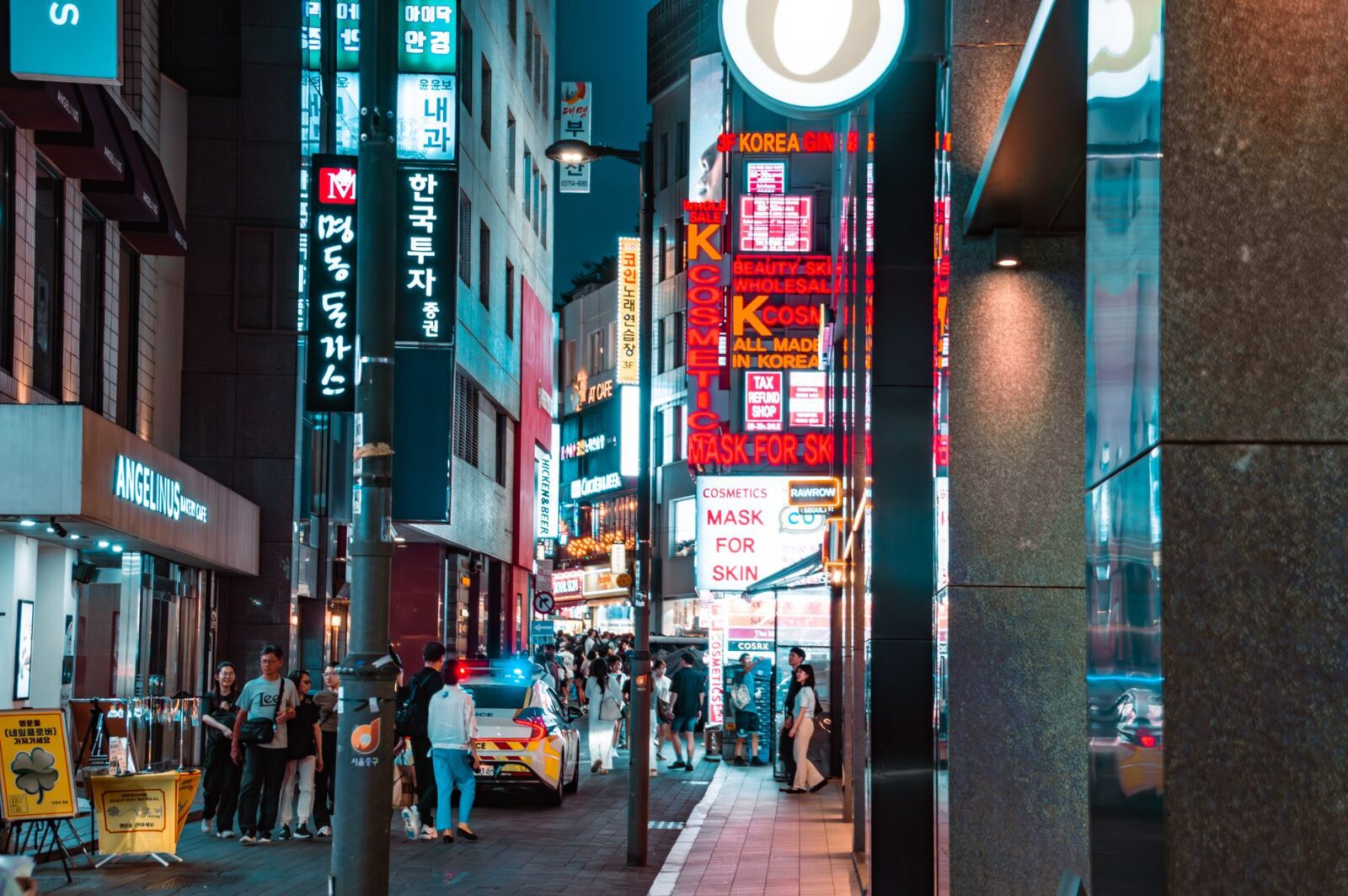
The global phenomenon of “KPop Demon Hunters” has transcended the screen, inspiring an eight-day unofficial tour in Seoul that lets fans step into the world of HUNTR/X and the Saja Boys. Launched in August 2026 by luxury travel operator Zicasso as part of its Signature trips collection, the experience blends Korean mythology, K-pop industry immersion, and hands-on idol training. What began as a Netflix animated feature—winner of both an Oscar for Best Animated Feature and a Grammy for Best Song Written for Visual Media—has evolved into a cultural travel product that appeals to both hardcore fans and curious travelers seeking authentic Korean traditions with a pop-culture twist.
Unlike official studio tours, this itinerary was crafted independently by Zicasso after recognizing the film’s deep roots in Korean shamanism and folklore. Founder Brian Tan emphasized that the movie avoided using K-pop as mere spectacle, instead grounding its supernatural boy band narrative in real myths about vengeful spirits and guardian deities. This insight drove the tour’s design: to honor tradition while delivering the glamour and energy of idol culture. The result is a carefully sequenced journey where each day peels back another layer of Korea’s cultural identity—from palace halls to dance studios—culminating in a personalized debut single recording session.
Day-by-Day Breakdown: How the Tour Balances Myth, Music, and Makeover
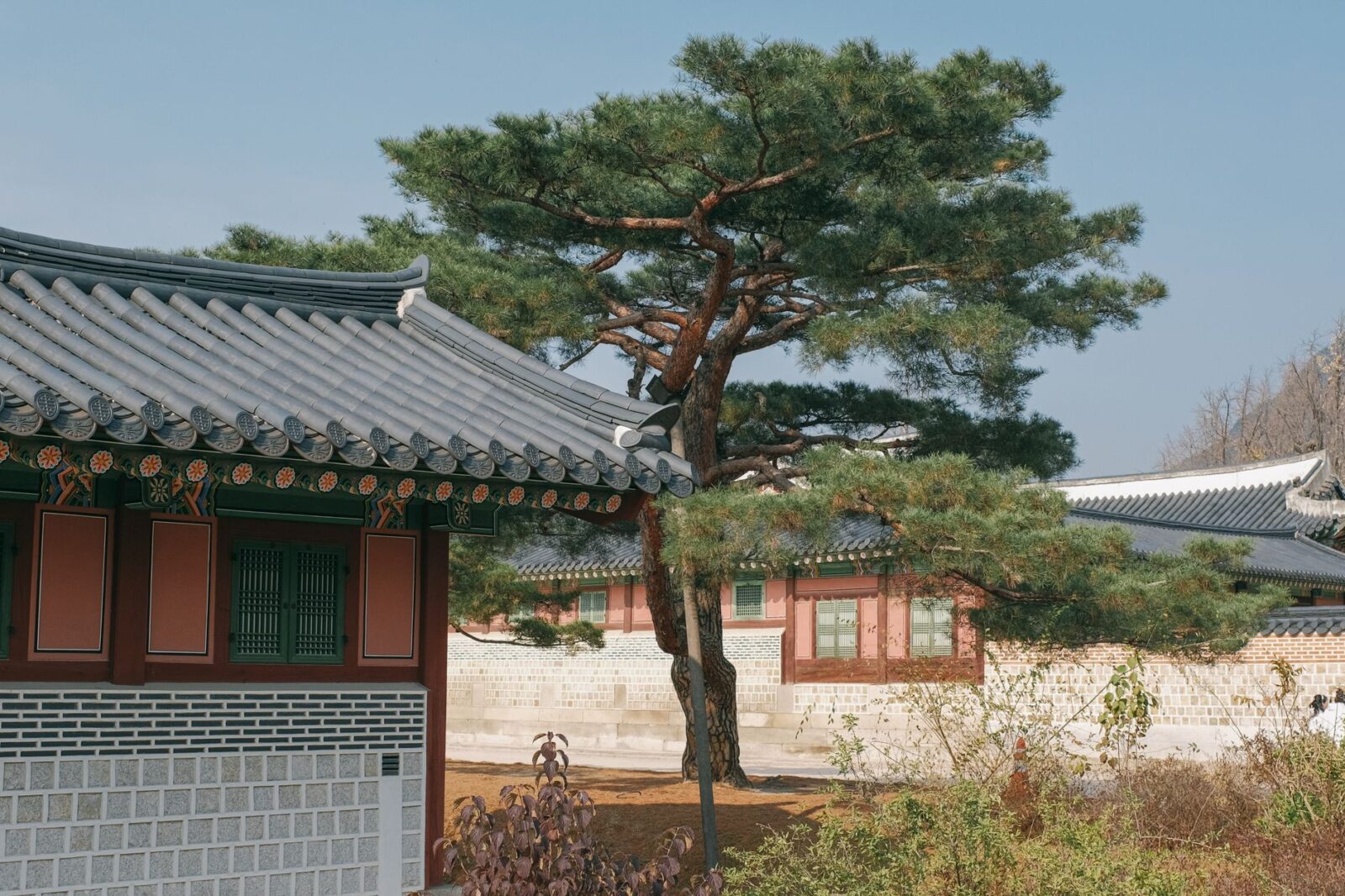
The journey begins with a personal color analysis session, where stylists determine which hues best complement each traveler’s skin tone—a foundational step in K-pop idol styling used by agencies to craft stage personas. This isn’t just about fashion; it’s rooted in the Korean concept of “seongmyeongga” (fortune-telling through appearance), linking aesthetics to personal energy. Day two shifts to Gyeongbokgung Palace, where guides explain how the film’s evil boy band, the Saja Boys, draws from “sa jang” (messengers of death) in Korean folklore—spirits that guide souls to the afterlife. Visitors see the palace’s guardian statues and learn how royal rituals once protected the city from supernatural threats.
Day three focuses on transformation: a full makeover in Cheongdam or Gangnam, including hair, makeup, and outfit selection styled after HUNTR/X’s stage looks. Travelers then enter a mirrored dance studio for choreography training with instructors who have worked with real K-pop groups. The session teaches signature moves from the film’s soundtrack, adapted for beginners but rooted in actual idol techniques. By day four, the itinerary explores Hongdae’s indie music scene and underground clubs, contrasting mainstream idol culture with Seoul’s grassroots artistic expressions. Evenings include visits to themed cafes where menus reference film scenes, such as “Golden Hour” lattes inspired by the movie’s climactic battle sequence.
Recording Your Debut Single: The Tour’s Unique Climax
The highlight of the experience occurs on day six, when participants enter a professional recording studio in Gangnam to produce their own debut single. Unlike generic karaoke experiences, this session uses real vocal coaches and producers who have worked with K-pop trainees. Travelers choose a song style—ranging from EDM-pop to hip-hop ballads—and record vocals in a soundproof booth. Engineers then mix the track, adding harmonies and effects to create a polished, radio-ready song. Each participant receives a USB drive with their track, a digital album cover featuring their styled photo, and a certificate of “debut” signed by the studio’s producer.
This element directly responds to fan demand for authentic idol experiences beyond dance covers or merch shopping. While some critics argue it commodifies the trainee journey, Zicasso positions it as a respectful homage—emphasizing that no one is debuting under a real agency, and the focus is on creative expression rather than industry recruitment. The studio used for recording is the same facility where demo tracks for actual idol groups are sometimes polished, lending credibility to the experience. Travelers consistently cite this moment as transformative, with many describing it as the first time they felt like a “real” performer, not just a fan.
Cultural Roots: Why the Film’s Success Lies in Its Tradition, Not Just Its Tunes
Industry experts note that “KPop Demon Hunters” stands out in the global K-wave because it treats Korean mythology not as backdrop but as narrative engine. The film’s writers consulted shamans and folklorists to accurately portray rituals like “gut” (shamanic ceremonies) and the role of “seonangdang” (village shrines). These elements appear in the tour through visits to lesser-known shrines in Bukhansan National Park and explanations of how talismans (“ju” and “bujeok”) are used in daily life. This approach contrasts with other K-pop adjacent tours that focus solely on entertainment districts or agency headquarters.
The film’s Oscar and Grammy wins in early 2026 amplified interest in its cultural authenticity, prompting travel operators to seek ways to monetize that depth. Zicasso’s timing was strategic: launching the tour just months after the awards season ensured sustained visibility. Data from Google Trends shows a 300% increase in searches for “Korean shamanism” and “K-pop folklore” following the film’s Oscar win in March 2026, indicating a shift from pure fandom to cultural curiosity. This tour successfully bridges that gap, offering substance alongside spectacle.
Who This Tour Is For: Beyond the Core Fandom
While marketed to fans of the film, the itinerary appeals to three broader traveler segments. First, K-culture enthusiasts who want to move beyond superficial experiences like visiting SM Town or taking dance classes at random studios. Second, travelers interested in East Asian spirituality who appreciate the accurate portrayal of shamanic practices—often misrepresented in Western media. Third, solo travelers and small groups seeking structured, guided experiences that provide access to locations difficult to navigate independently, such as private studio sessions or palace areas with restricted entry.
The tour also attracts older demographics than typical K-pop tours; nearly 40% of participants are aged 30–50, drawn by the cultural depth rather than just the music. This reflects a broader trend in travel where fans of youth-oriented media seek meaningful engagement with the source culture, not just photo ops at filming locations. Zicasso reports that many bookers cite the film’s awards recognition as a key factor in their decision, signaling that critical acclaim can drive travel interest as powerfully as popularity alone.

Practical Details: Costs, Logistics, and What’s Included
The eight-day, seven-night tour is priced at $4,200 USD per person (approximately 5.6 million KRW), based on double occupancy. This includes four-star hotel accommodations in central Seoul (typically in Myeongdong or Itaewon), all internal transportation via private vehicle or subway passes, most meals (breakfast daily, plus lunch and dinner on activity-heavy days), entrance fees to palaces and museums, and all scheduled activities: color analysis, palace tour, dance workshop, makeover session, studio recording, and guided visits to filming locations. Flights to and from Seoul are not included, nor are personal expenses, optional nightlife excursions, or travel insurance.
Travelers should budget an additional $500–$800 USD for souvenirs, extra meals, and independent exploration. The tour operates monthly from September 2026 through February 2027, with groups capped at 12 people to ensure studio and workshop access. Booking requires a 30% deposit, with the balance due 60 days before departure. Zicasso recommends packing comfortable shoes for palace grounds, modest attire for shrine visits (shoulders and knees covered), and an open mind—no prior K-pop or dance experience is necessary. The recording studio session is adjusted to skill level, with vocal coaches providing real-time feedback to help travelers sound their best.
Broader Trends: How Fandom-Driven Travel Is Evolving in Asia
This tour exemplifies a maturing phase in pop-culture tourism, where fans demand experiences that respect both the art form and its cultural origins. Similar trends are seen in Japan, where “Studio Ghibli” tours now emphasize rural landscapes and traditional craftsmanship over character meet-and-greets, and in India, where Bollywood tourism increasingly includes workshops on classical dance forms that influence film choreography. The shift reflects travelers’ growing desire for authenticity—moving beyond checking off filming locations to understanding why those places matter within the local context.
In South Korea specifically, there’s been a 40% rise since 2024 in tours that combine K-pop with traditional elements like temple stays, hanji (paper) making, or royal court cuisine, according to the Korea Tourism Organization. Operators are responding to post-pandemic traveler preferences for depth over density, seeking stories rather than just sights. The success of the KPop Demon Hunters tour may encourage more studios to collaborate with cultural experts when developing future animated projects, knowing that global audiences now expect—and seek out—the traditions behind the entertainment.
What’s Next: The Future of K-Pop Pilgrimages in Seoul
Industry analysts predict that unofficial tours like this one will continue to grow, especially as streaming platforms release more globally successful animated or live-action K-pop adjacent content. With a sequel to “KPop Demon Hunters” reportedly in development for 2027, Zicasso and other operators are already considering how to expand the itinerary—potentially adding visits to animation studios or voice acting workshops. However, challenges remain: maintaining authenticity as demand increases, ensuring fair compensation for cultural consultants, and preventing overcrowding at sensitive sites like active shrines or residential neighborhoods used for filming.
For travelers, the key takeaway is that meaningful fandom travel requires looking beyond the surface. The most rewarding experiences aren’t those that simply recreate scenes from a screen, but those that connect the fiction to the living culture that inspired it. As one participant noted after completing the tour: “I came for the music and the magic, but I left with a deeper respect for the traditions that make both possible.” That balance—between fantasy and fidelity—is what will define the next generation of pop-culture pilgrimages, not just in Seoul, but across Asia and beyond.
Stay informed with the latest travel news, visa updates, and destination guides. Follow HimalayanCrest.com for weekly travel intelligence delivered by our editorial team.