

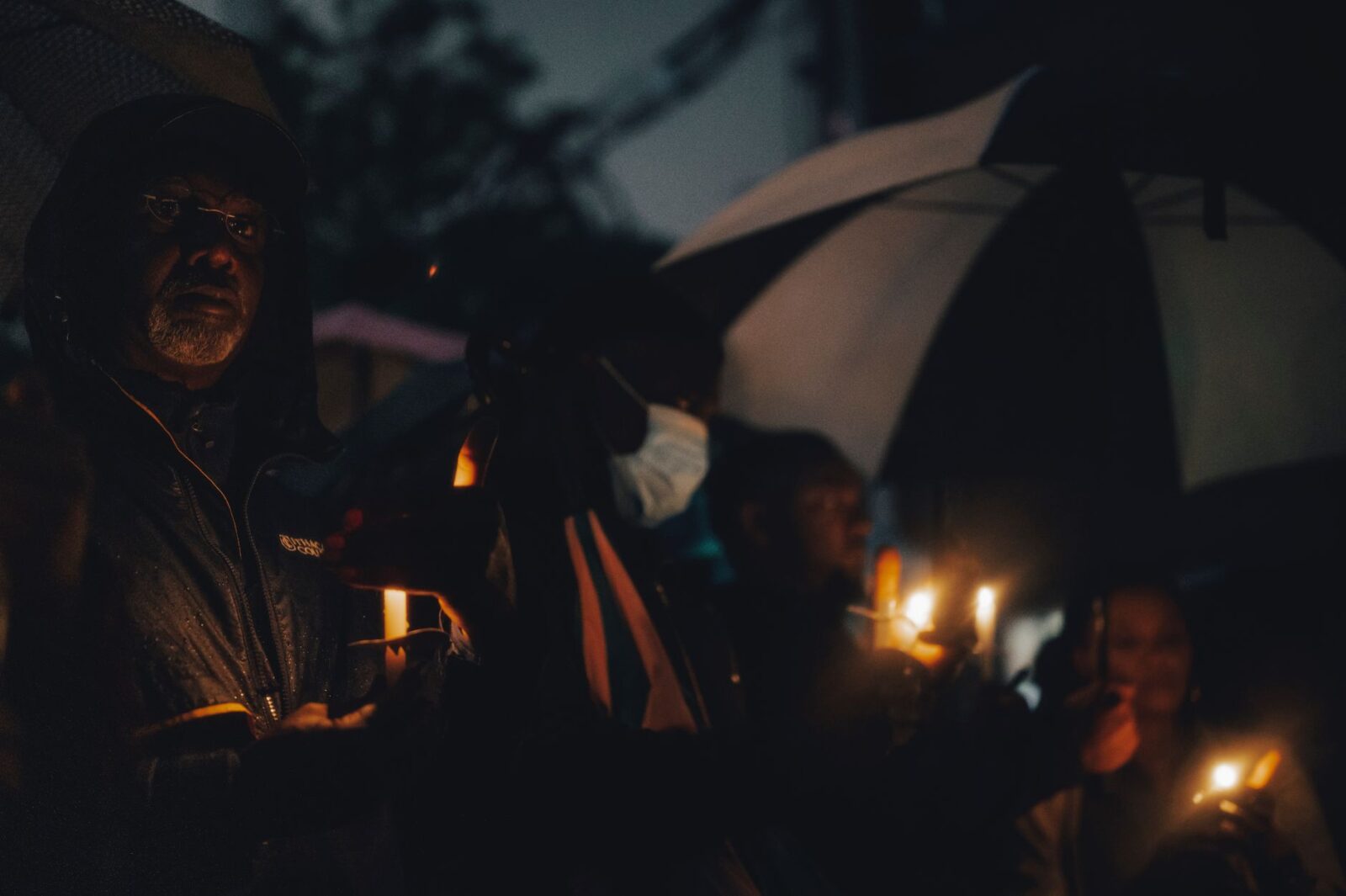
Global Condemnation of Iran’s Use of Death Penalty Against Protesters
On August 12, 2026, a coalition of 26 nations issued a joint statement through the UK Foreign, Commonwealth & Development Office condemning Iran’s ongoing executions of protesters and its use of capital punishment to suppress dissent. The statement, signed by countries including the United Kingdom, France, Germany, Canada, Australia, and several EU members, declared that executing individuals for exercising freedom of expression and peaceful assembly can never be justified under international human rights law. This marks one of the broadest international rebukes of Iran’s judicial practices in recent years, reflecting growing alarm over a sharp rise in executions since March 2026.
The joint declaration specifically cited credible reports from UN human rights monitors indicating that Iranian authorities have increasingly resorted to the death penalty not only for criminal convictions but also as a tool to intimidate communities and punish peaceful demonstrators. The signatory nations called for an immediate halt to all executions, the release of arbitrarily detained individuals, and meaningful steps toward abolishing capital punishment entirely. While the statement carries no direct legal enforcement power, it signals heightened diplomatic scrutiny and may influence future policy decisions regarding engagement with Tehran.
How This Development Affects Travelers and Visa Applicants
For individuals planning travel to Iran, applying for visas, or considering residency or investment programs linked to Iranian entities, this international condemnation introduces new layers of risk and scrutiny. Although Iran maintains its own visa policies independent of foreign governments, the heightened global focus on human rights violations may lead to stricter vetting by third countries when assessing applications from Iranian nationals or processing requests involving Iranian sponsors.
Travelers from the 26 condemning nations — particularly those from Europe, North America, and Oceania — may encounter additional questioning at border controls when returning home, especially if their itinerary includes visits to regions associated with recent protests or if they have engaged with local civil society groups. Digital nomads, journalists, and humanitarian workers should be aware that activities perceived as supporting dissent could attract unwanted attention from Iranian authorities, despite the lack of formal changes to tourist visa rules.
Impact on Investors, Expats, and Citizenship Seekers
Investors exploring opportunities in Iran or through Iranian-linked ventures should exercise heightened due diligence. While no major investment migration programs currently offer Iranian residency or citizenship by investment, some individuals pursue indirect routes through business ventures, real estate, or partnerships with Iranian firms. The joint statement increases reputational and compliance risks associated with such engagements, particularly for those subject to anti-money laundering (AML) and know-your-customer (KYC) regulations in Western jurisdictions.
Expats already residing in Iran, including teachers, oil sector workers, and NGO staff, may face increased surveillance or restrictions on freedom of movement, especially if they are perceived as having ties to foreign governments or international organizations. Retirees considering Iran for low-cost living should reconsider, as the deteriorating human rights climate undermines personal safety and long-term stability. Citizenship seekers should note that no credible pathway to Iranian nationality exists for foreigners, and any claims otherwise should be treated with extreme skepticism.
What Travelers Should Do Right Now: Practical Steps
If you have upcoming travel to Iran, begin by reviewing the latest travel advisories issued by your home country’s foreign ministry. For example, the UK’s Foreign, Commonwealth & Development Office (https://www.gov.uk/foreign-travel-advice/iran) maintains a strong warning against all but essential travel, citing risks of arbitrary arrest, detention, and limited consular support. Similar advisories exist from the U.S. Department of State (https://travel.state.gov/content/travel/en/traveladvisories/traveladvisories/iran.html), Global Affairs Canada (https://travel.gc.ca/destinations/iran), and the Australian Department of Foreign Affairs and Trade (https://www.smartraveller.gov.au/destinations/middle-east/iran).
Ensure your travel insurance explicitly covers political unrest, detention, and evacuation — many standard policies exclude coverage in countries under sanctions or experiencing active human rights crises. Keep digital and physical copies of your passport, visa, and emergency contacts separate from your main luggage. Register your trip with your embassy’s citizen registration system (such as STEP for U.S. citizens or the UK’s LOCATE) so authorities can reach you in an emergency. Avoid discussing politics, participating in demonstrations, or sharing critical content about Iran on social media while in the country.
How Other Countries Respond to Similar Human Rights Concerns
The international response to Iran’s use of the death penalty contrasts with how some nations handle internal security matters. For instance, while countries like Singapore and Malaysia retain capital punishment for serious crimes such as drug trafficking, they apply it through transparent judicial processes and do not typically target peaceful protesters. In contrast, Iran’s use of executions to suppress dissent has been repeatedly criticized by UN special rapporteurs, who note due process violations, including forced confessions and lack of legal representation.
European nations leading the joint statement — such as Germany, France, and Italy — have abolished the death penalty domestically and consider its use abroad a fundamental breach of human rights norms. Their diplomatic pressure often includes public statements, support for UN resolutions, and, in some cases, targeted sanctions on individuals involved in human rights abuses. However, unlike with Belarus or Russia, no coordinated travel bans or visa restrictions on Iranian officials have yet been announced in direct response to this latest wave of executions.
Long-Term Implications for Iran’s Global Engagement
Sustained international criticism could affect Iran’s access to global financial systems, participation in international events, and bilateral relations with condemning nations. While Iran remains a member of the UN and engages in limited diplomacy, persistent human rights violations may lead to further isolation, particularly if executions continue at current rates. According to UN News, the spike in executions since March 2026 has drawn repeated appeals from Volker Türk, the UN High Commissioner for Human Rights, urging Tehran to halt executions and pursue abolition.
For the travel and migration sector, this environment makes Iran an increasingly unattractive and high-risk destination. Unlike countries investing in tourism infrastructure or digital nomad visas — such as Georgia, Portugal, or Indonesia — Iran offers no comparable incentives for long-term stays and presents significant barriers to safe, unrestricted movement. Any future changes to visa policy would likely come from internal reform rather than external pressure, though sustained global scrutiny may contribute to internal debate.
Staying Informed and Making Responsible Travel Choices
Travelers interested in the Middle East should consider alternative destinations that offer rich cultural experiences with stronger human rights protections and clearer legal frameworks for visitors. Nations such as Jordan, Oman, and Qatar provide historical depth, hospitality, and improving tourism infrastructure while maintaining greater stability and rule of law. For those focused on cultural exchange, programs through UNESCO or accredited NGOs offer safer avenues for engagement than independent travel to high-risk environments.
Ultimately, the joint statement serves as a reminder that travel freedom comes with responsibility. Monitoring official sources, respecting local laws while advocating for universal rights, and choosing destinations where both traveler safety and human dignity are upheld are essential practices in today’s interconnected world. As of August 13, 2026, no changes to Iranian visa requirements have been announced directly resulting from this statement, but the evolving situation warrants continuous vigilance.
Stay informed with the latest travel news, visa updates, and destination guides. Follow HimalayanCrest.com for weekly travel intelligence delivered by our editorial team.