

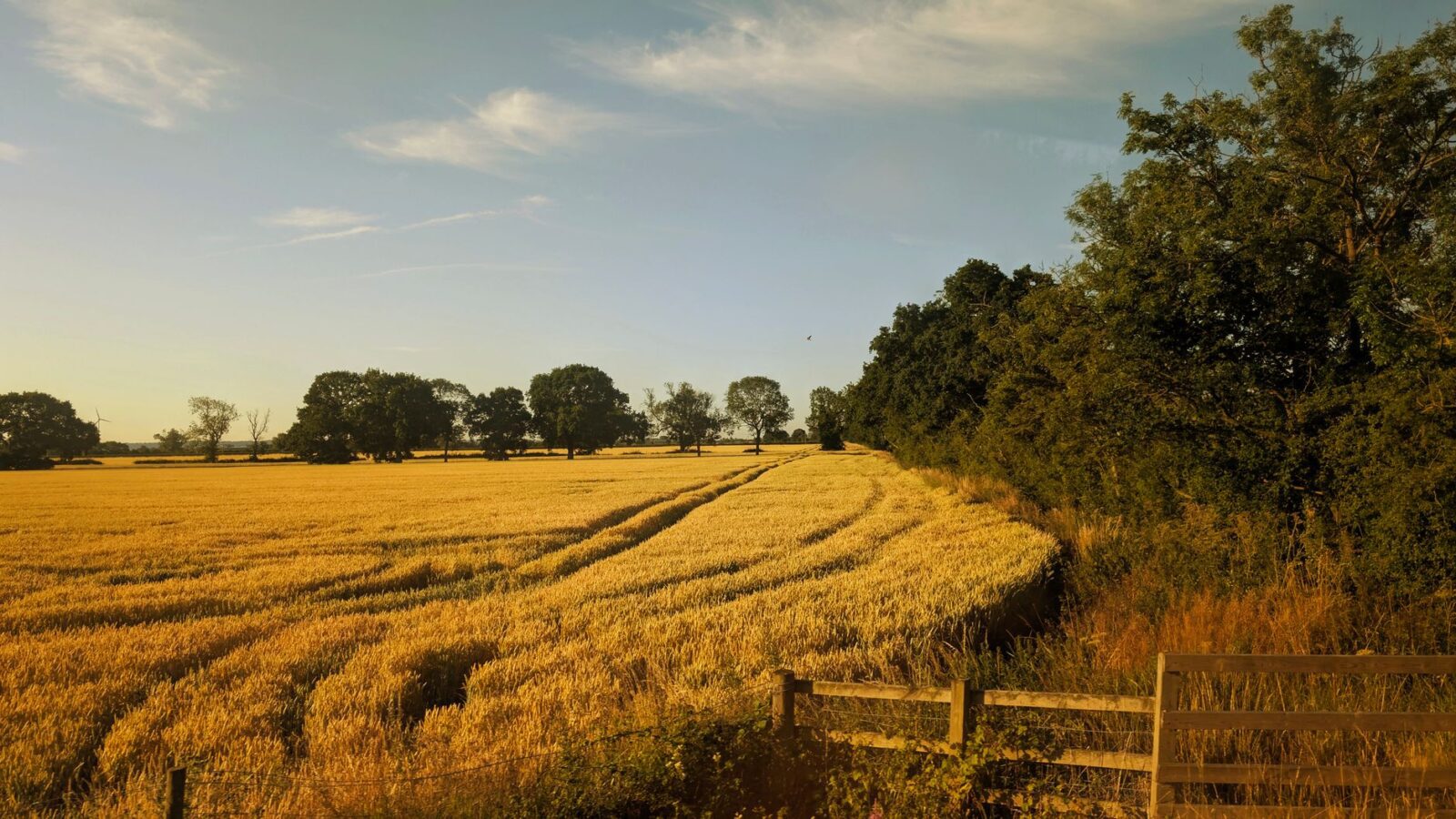
UK Government Announces £65 Million Drought Relief for Farmers
On 14 August 2026, the Prime Minister’s Office and the Department for Environment, Food & Rural Affairs (DEFRA) unveiled a £65 million support package for farmers across England facing the driest July on record. The funding, equivalent to approximately $81.25 million USD at current exchange rates, aims to help agricultural businesses secure water for crops, maintain livestock feed, and continue environmental agreements despite drought conditions. The announcement followed a COBR emergency meeting chaired by the Prime Minister after weeks of extreme heat, wildfires, and water shortages. Officials emphasized that the measure is part of a broader cross‑government response to climate‑related stress on the food production sector.
How the Aid Package Works in Practice
The £65 million will be distributed through several channels. First, £20 million is earmarked for immediate water‑access solutions, including temporary pumping equipment and fast‑track approvals for abstracting water from rivers and reservoirs. Second, £15 million will support the construction of on‑farm water storage facilities such as reservoirs and rainwater harvesting systems, enabling farms to capture winter rainfall for use during dry summers. Third, £10 million is set aside to compensate farmers who must suspend environmental stewardship activities because drought makes prescribed actions impossible, ensuring they do not lose payments under existing schemes. The remaining £20 million will fund advisory services, drought‑resilient crop trials, and emergency livestock feed supplies. DEFRA has stated that applications will open via the Rural Payments Agency portal starting 1 September 2026, with guidance documents available on gov.uk.
Why This Matters to Visa Applicants and Temporary Workers
While the announcement does not directly amend immigration rules, it has indirect relevance for individuals seeking work in the UK’s agricultural sector. Many seasonal and skilled farm roles are filled through the Seasonal Worker Visa (formerly Tier 5) and the Skilled Worker Visa routes. A more stable farming environment, bolstered by drought‑mitigation infrastructure, can increase the likelihood of employers sponsoring visas because they anticipate steadier labor needs throughout the year. Conversely, if farms struggle to adapt, they may reduce hiring or shift toward mechanization, potentially lowering demand for foreign seasonal workers. Applicants should monitor updates from the UK Visas and Immigration (UKVI) website and from sponsoring employers to gauge how climate‑adaptation investments affect job availability.
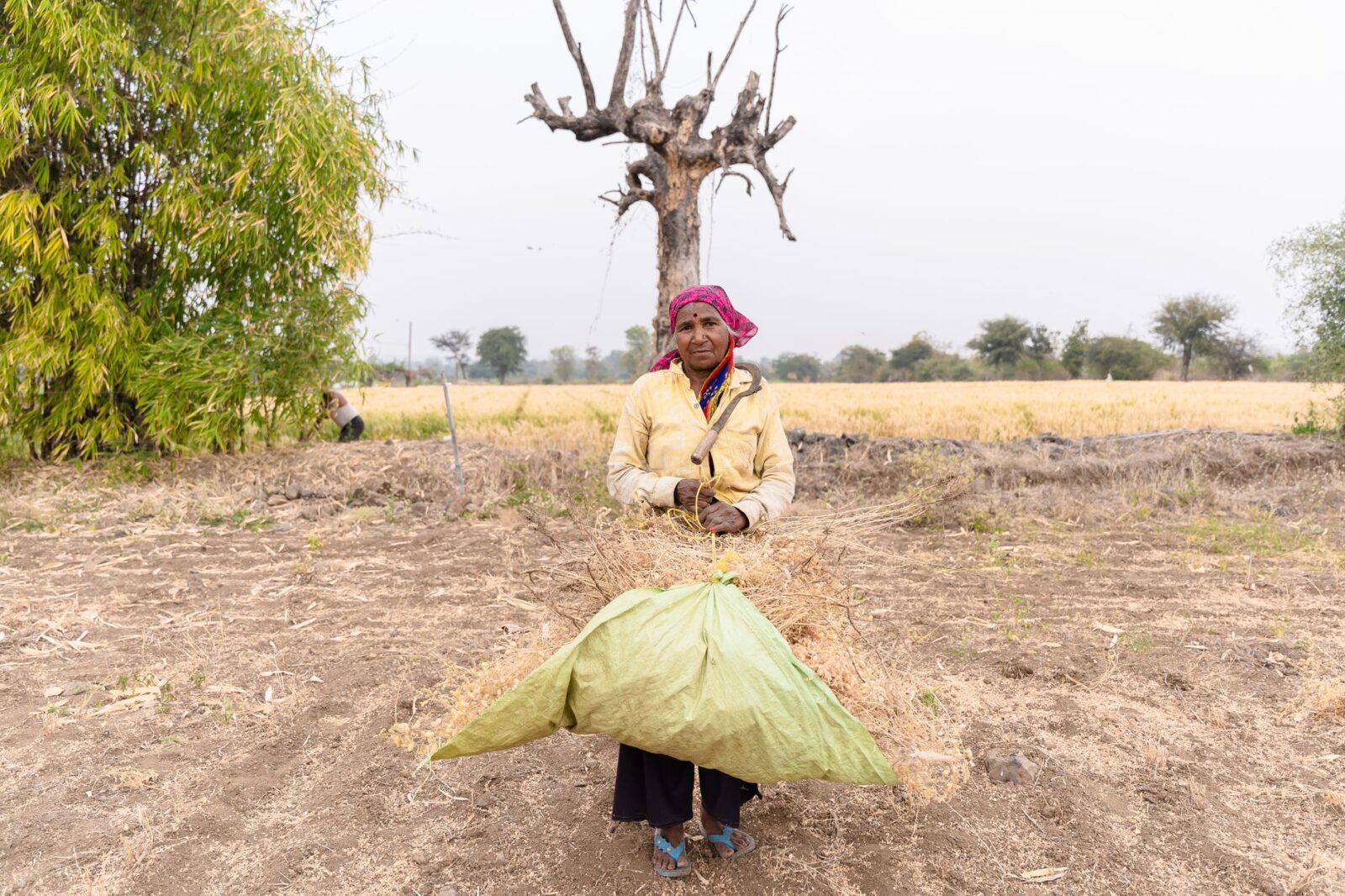
Step‑by‑Step Guidance for Those Considering Agricultural Work in the UK
First, verify your eligibility for the Seasonal Worker Visa, which requires a job offer from a licensed UK sponsor in horticulture or poultry. Second, check the sponsor’s license status on the UKVI register of sponsors; a valid license is essential for visa issuance. Third, keep an eye on DEFRA’s announcements about water‑storage grants, as farms that receive funding may expand operations and create additional positions. Fourth, prepare documentation early: proof of funds, tuberculosis test results (if required), and a clean criminal record. Fifth, consider applying through recognized recruitment agencies that specialize in placing overseas workers in UK farms; they often have direct links to sponsors and can advise on timing. Finally, stay informed about any changes to the visa quota or salary thresholds that may be announced in the autumn budget, as climate‑related funding could influence policy discussions.
Comparing the UK Approach with Other Nations’ Drought Responses
The United Kingdom’s £65 million package sits alongside similar initiatives elsewhere. In Australia, the federal government’s Farm Household Allowance provides direct income support to farmers experiencing drought, complemented by the National Water Infrastructure Development Fund that finances dams and pipelines. The United States Department of Agriculture (USDA) offers Emergency Assistance for Livestock, Honeybees, and Farm‑Raised Fish Program (ELAP) and the Environmental Quality Incentives Program (EQIP), which share costs for conservation practices including water‑saving irrigation. India’s Pradhan Mantri Krishi Sinchayee Yojana focuses on expanding micro‑irrigation and watershed development, allocating billions of rupees annually to drought‑prone regions. By contrast, the UK’s current measure emphasizes immediate water access and on‑farm storage rather than broad income replacement, reflecting its relatively smaller agricultural workforce and the structure of its existing environmental land‑management schemes.
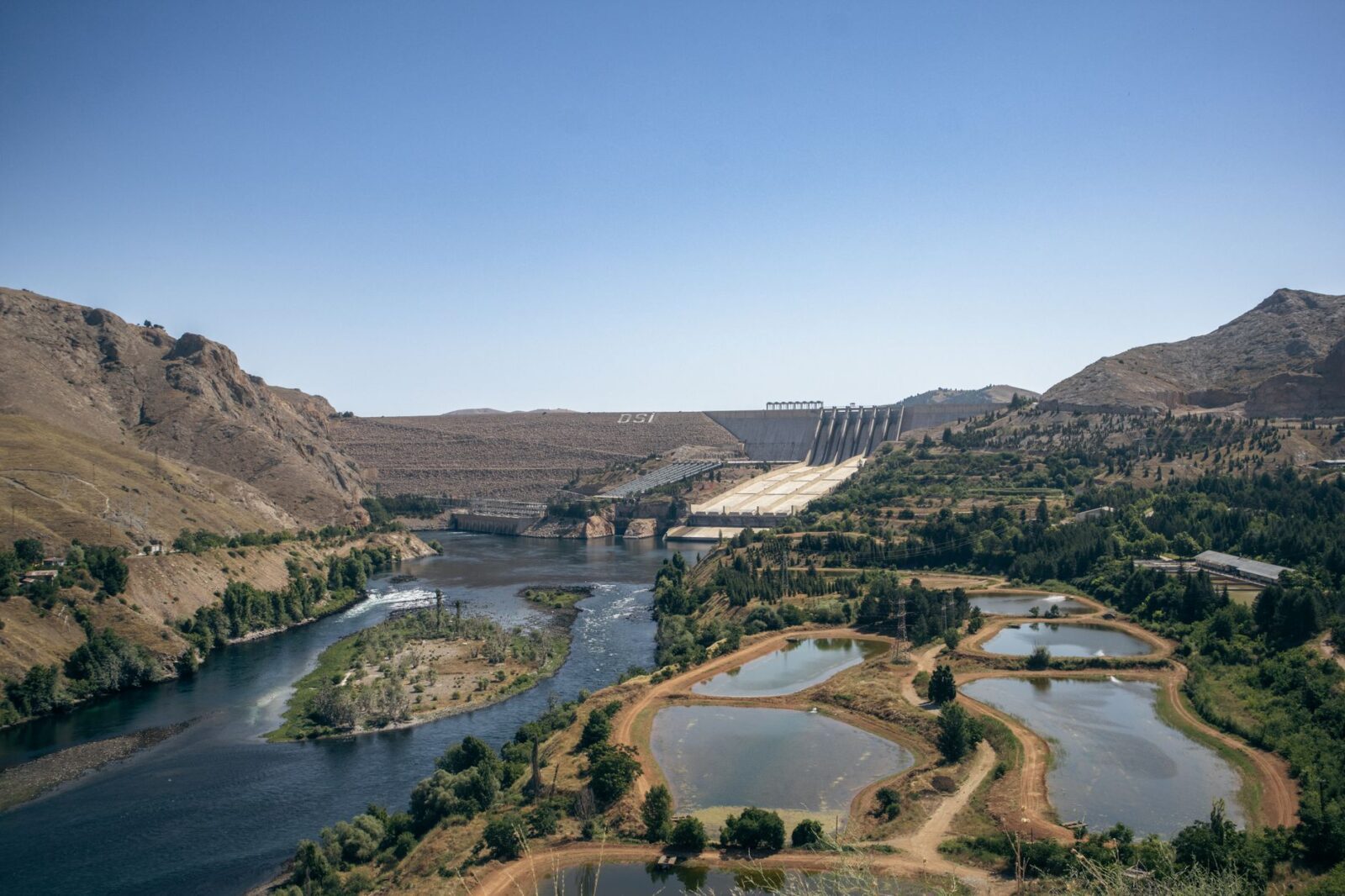
Potential Effects on Investors, Digital Nomads, and Retirees
For investors interested in agribusiness or rural property, the drought‑relief funding may signal a government commitment to de‑risking farm operations, which could enhance long‑term returns on investments in water‑efficient technology or sustainable land management. Digital nomads who rely on short‑term stays in rural areas for co‑working retreats should note that improved water security may make countryside locations more attractive and stable for extended visits. Retirees considering relocation to the UK’s rural communities under routes such as the Global Talent Visa or investor pathways are unlikely to see direct changes, but a resilient agricultural base can contribute to overall local economic health, affecting services and amenities that retirees value. As always, prospective applicants should consult the latest guidance on gov.uk for any visa category they are pursuing.
Looking Ahead: Climate Adaptation and Future Policy Directions
The Prime Minister’s statement that “farmers should not carry the risk of a changing climate alone” hints at a broader shift toward public‑private partnerships in climate resilience. Experts anticipate that future budgets may allocate additional funds for precision irrigation, drought‑tolerant crop research, and renewable energy installations on farms. For individuals navigating the UK immigration system, these developments could translate into evolving skill‑demand lists, potentially adding roles such as water‑management technicians or sustainable farming consultants to the shortage occupation list. Staying tuned to announcements from the Migration Advisory Committee and DEFRA will help applicants anticipate how climate‑adaptation priorities shape visa opportunities.
Frequently Asked Questions
- Does the £65 million farm aid change any visa rules for agricultural workers?
No. The announcement concerns financial support for farmers and does not amend the Seasonal Worker Visa, Skilled Worker Visa, or any other immigration route. Visa requirements remain as published by UK Visas and Immigration. - How can I find farms that are receiving the new water‑storage grants?
DEFRA plans to publish a list of successful applicants on its website after the first round of funding closes, expected early 2027. In the meantime, you can contact regional agricultural offices or look for press releases from farming unions announcing grant awards. - Will the drought assistance lead to more seasonal job openings in the UK?
It is possible. Farms that secure water access may be able to maintain or expand planting areas, which could increase labor demand. However, the net effect depends on each farm’s adaptation strategy, including potential mechanization. - Are there similar support programs for farmers in other countries that I could compare?
Yes. Australia’s Farm Household Allowance, the USDA’s ELAP and EQIP programs, and India’s Pradhan Mantri Krishi Sinchayee Yojana all provide drought‑related assistance, though the mix of direct payments, infrastructure funding, and technical support varies. - Where should I check for official updates on both the farm support and any related visa news?
For farm‑support details, visit DEFRA’s news page at https://www.gov.uk/government/organisations/department-for-environment-food-rural-affairs. For visa information, consult the UKVI website at https://www.gov.uk/government/organisations/uk-visas-and-immigration.
Conclusion
The UK government’s £65 million drought‑relief package represents a concrete response to the growing challenge of climate variability for England’s farming community. While the measure does not rewrite immigration law, it influences the environment in which agricultural employers operate, which can have ripple effects for anyone seeking work, investment, or long‑term stay in the UK’s rural sectors. By staying informed through official channels, understanding how water‑security investments translate into job stability, and comparing the UK’s approach with global practices, travelers and prospective applicants can make better‑informed decisions. We invite readers to share their experiences or questions in the comments below and to spread this article to others who may find it useful.
Stay informed with the latest travel news, visa updates, and destination guides. Follow HimalayanCrest.com for weekly travel intelligence delivered by our editorial team.