

A Last‑Chance Showdown in Guatemala City
On August 18, 2026, the Estadio Cementos Progreso in Guatemala City became the stage for a high‑stakes duel that had fans across Central America holding their breath. Xelajú MC, the historic club from Quetzaltenango, hosted Diriangén FC of Nicaragua in the fourth matchday of Group A of the Copa Centroamericana 2026. With both teams needing a win to keep their quarter‑final hopes alive, the atmosphere was electric and the pressure palpable. This match quickly became a trending topic as supporters searched for live updates, ticket information, and travel advice to witness the clash in person.
The Stakes: Why Xelajú MC vs Diriangén Mattered
Copa Centroamericana is the premier club tournament for teams from Belize, Costa Rica, El Salvador, Guatemala, Honduras, Nicaragua, and Panama. In the 2026 edition, Group A featured Xelajú MC, Diriangén, Comunicaciones, and Real Estelí. Heading into the fourth round, Xelajú sat on three points, while Diriangén had four; a loss for either side would likely eliminate them from contention. The match was described by local media as a “last card” scenario, where only a victory could keep the dream of advancing alive. The winner would not only secure three crucial points but also gain a psychological edge heading into the final group matches.
Match Day Details: Date, Venue, Line‑up and Goals
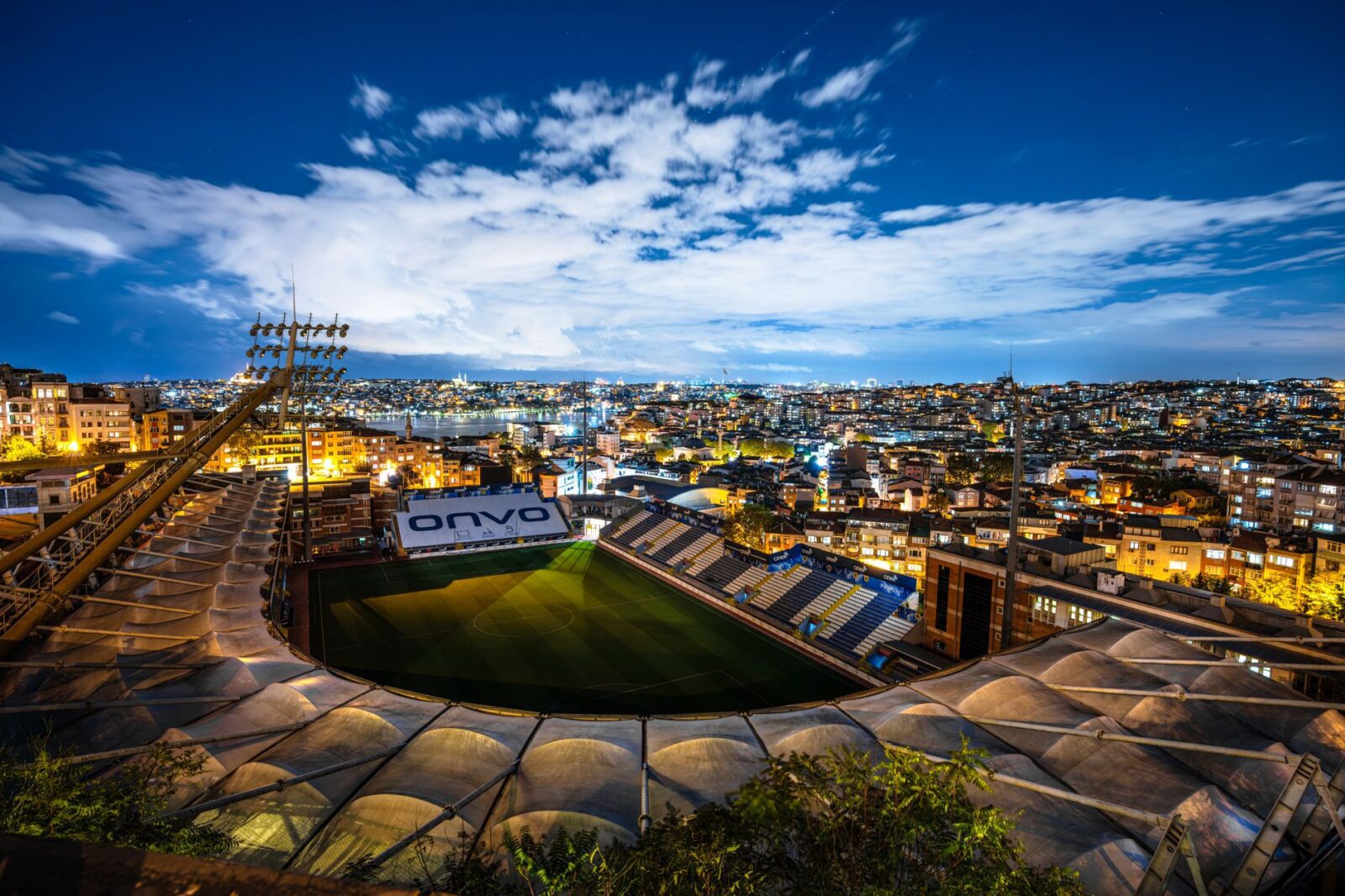
The encounter kicked off at 19:00 local time at the Estadio Cementos Progreso, a modern multi‑use arena located in the Zona 10 district of Guatemala City. The stadium, known for its excellent acoustics and seating capacity of approximately 18,000, was nearly full with passionate supporters from both sides. Xelajú MC started with a 4‑3‑3 formation, deploying veteran goalkeeper Nicholas Hagen, defenders José Carlos Martínez, Luis Manuel Ramírez, and Diego Casas, while Diriangén lined up in a 4‑2‑3‑1 shape with goalkeeper Justo Lorente leading the back line.
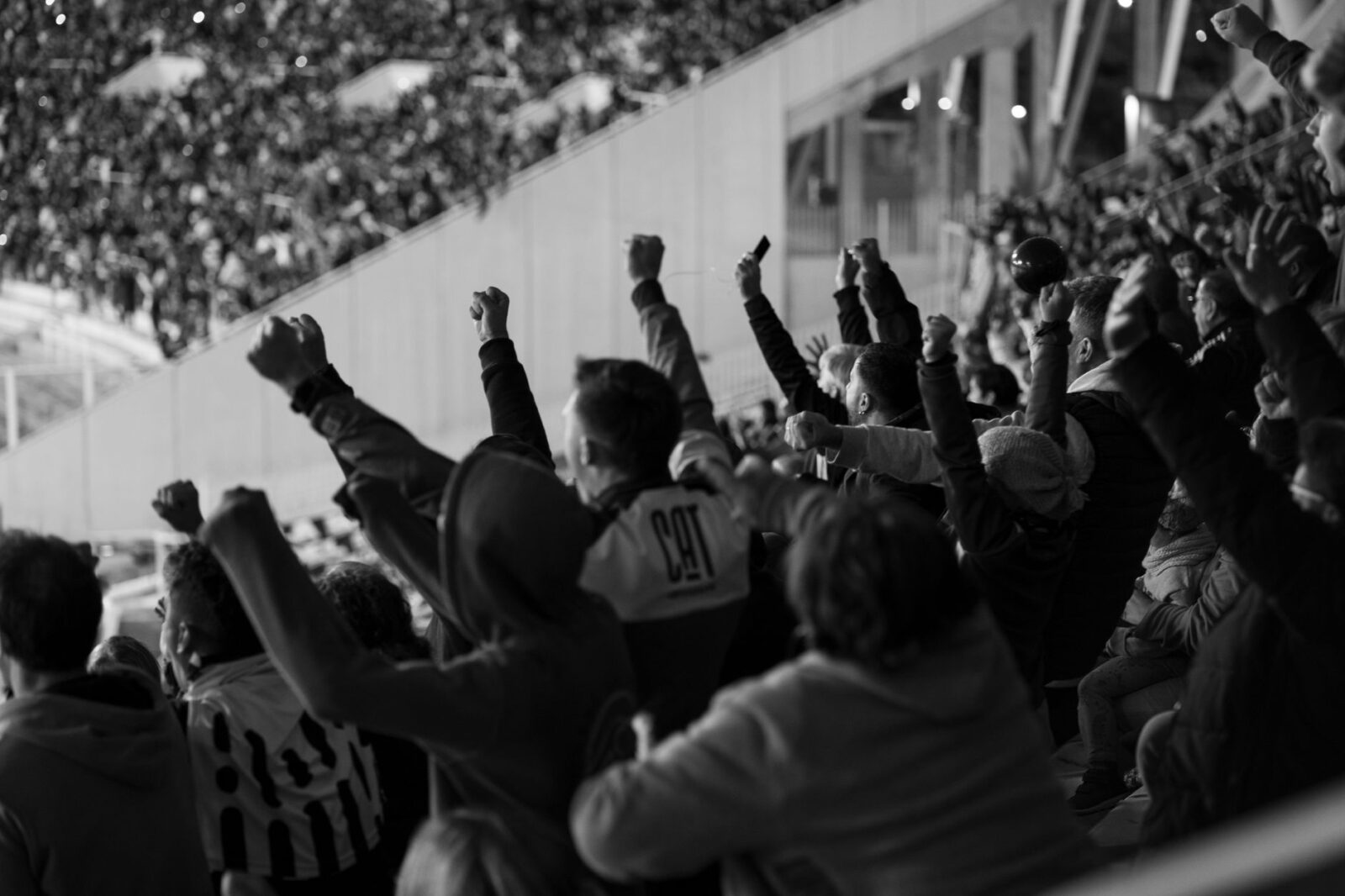
The breakthrough came early: at the 15th minute, Diego Casas calmly converted a penalty after a handball inside the box, putting Xelajú ahead 1‑0. The goal sparked a wave of celebration among the home fans, whose chants echoed through the concrete stands. Diriangén pressed for an equaliser but struggled to break down a disciplined Xelajú defence. In the 76th minute, substitute Jorge Aparicio received a precise pass from Casas inside the penalty area, turned, and fired a powerful low shot past Lorente to make it 2‑0. The final whistle confirmed a vital victory for Xelajú, keeping their quarter‑final aspirations alive.
Over 12,500 spectators attended the match, according to official stadium reports.
Travel Guide for Fans: Getting to Estadio Cementos Progreso
Guatemala City’s La Aurora International Airport (GUA) serves as the main gateway for international visitors. Numerous airlines offer direct flights from major hubs such as Miami, Houston, Panama City, and Madrid, with average round‑trip fares ranging from $350 to $650 USD depending on season and departure point. From the airport, the stadium is roughly a 20‑minute drive via the CA‑1 highway; taxis and ride‑hail apps like Uber and Cabify are readily available, typically charging $12‑$18 USD for the trip.
For those preferring public transit, the city’s Transmetro bus system includes Route 12, which stops near the stadium’s western entrance. A single ride costs $0.25 USD, and a day pass is $1.00 USD. Fans staying in the Zona 10 or Zona 14 neighbourhoods can also walk to the venue, as many hotels are within a 15‑minute radius. It is advisable to purchase match tickets in advance through the official Xelajú MC website or authorized resellers; general admission tickets were priced at $10 USD, while premium seating reached $25 USD.
Cost Breakdown: Budgeting Your Trip (flights, hotels, food, tickets)
A realistic budget for a three‑night trip to Guatemala City to attend the match can be outlined as follows. Flights from the United States (e.g., Dallas or Atlanta) average $450 USD round‑trip when booked six weeks ahead. Accommodation in a mid‑range hotel such as Hotel Barceló Guatemala City or Hotel Real InterContinental costs approximately $80 USD per night, totaling $240 USD for three nights. Meals at local comedores and mid‑range restaurants average $12 USD for breakfast, $18 USD for lunch, and $22 USD for dinner, yielding about $156 USD per day or $468 USD for three days.
Local transportation, including airport transfers, taxis to the stadium, and occasional bus rides, adds roughly $30 USD. Match tickets, as noted, are $10‑$25 USD; assuming a mid‑range seat at $18 USD, the total for tickets is $18 USD. Adding a modest buffer for souvenirs and incidentals ($50 USD), the overall estimated cost comes to about $1,256 USD. Travelers from neighboring Central American countries can expect lower flight costs, often under $150 USD, reducing the total budget to near $900 USD.
Insider Tips: Best Local Eats, Matchday Atmosphere, Safety
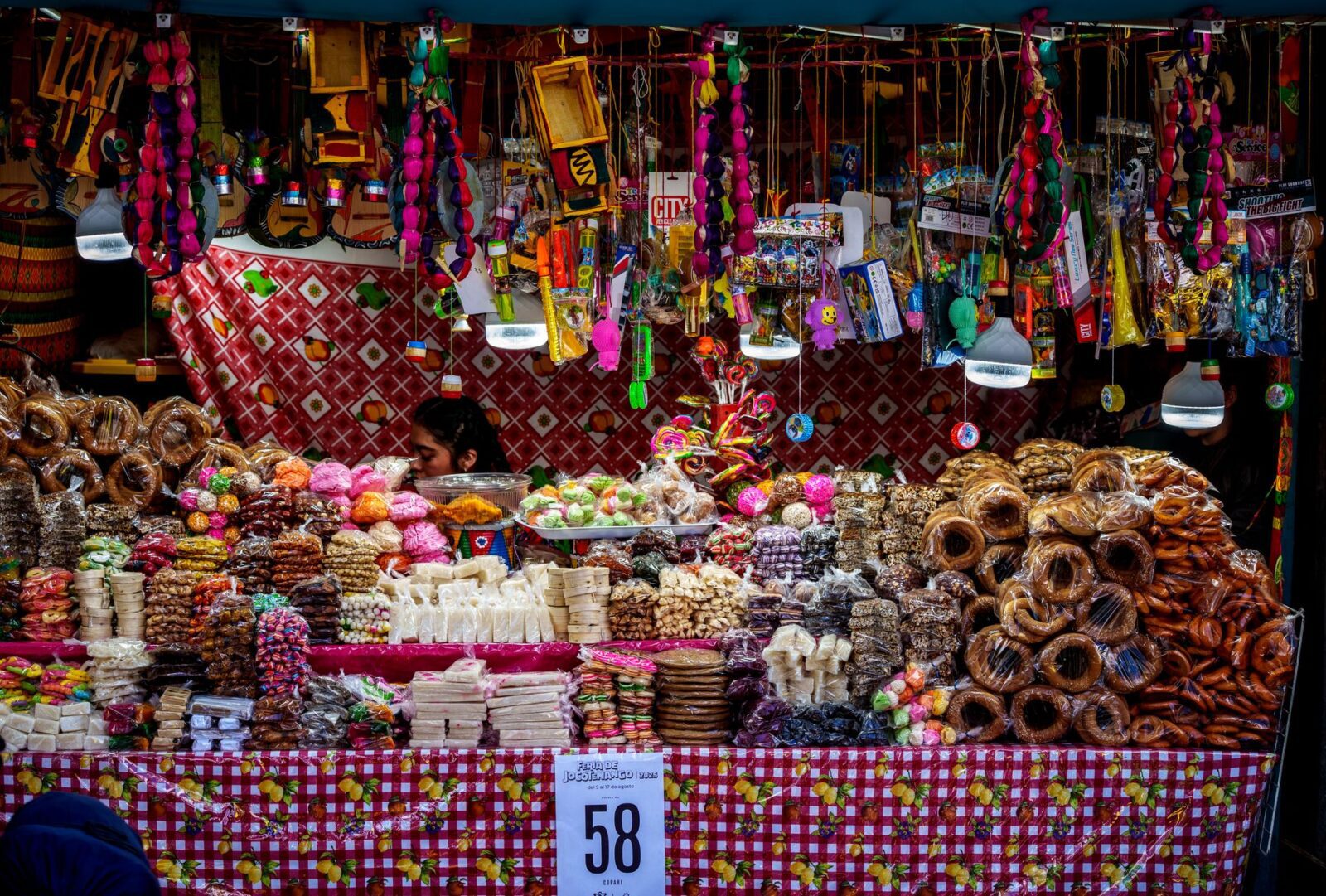
To truly enjoy the matchday experience, arrive at the stadium at least 90 minutes before kickoff. This allows time to soak up the pre‑game festivities, where vendors sell traditional Guatemalan snacks such as chuchitos (small corn‑tamales filled with meat), garnachas (fried tortillas topped with beans, cheese, and salsa), and fresh fruit juices like jocote and tamarindo. Pair these with a cold Gallo beer, the nation’s popular lager, for an authentic taste of the culture.
The stadium’s Zona Sur section is known for the most passionate Xelajú supporters, who wave blue and white flags and chant the club’s anthem throughout the match. If you prefer a quieter view, the Tribuna Occidental offers excellent sightlines with slightly less noise. Safety-wise, Guatemala City’s Zona 10 is considered one of the safer districts for tourists; nevertheless, keep valuables out of sight, use registered taxis, and stay aware of your surroundings, especially after dark.
After the final whistle, many fans head to the nearby Plaza Fontabella or the Paseo Cayalá entertainment complex for post‑match celebrations. These areas host a variety of bars and restaurants where you can discuss the game over plates of pepian (a rich meat stew) or kak’ik (a spicy turkey soup). Reservations are recommended for popular spots on match nights.
Alternatives & Extensions: Exploring Guatemala and Nicaragua Beyond the Game
If you have extra days before or after the match, consider extending your trip to explore the cultural and natural riches of Guatemala. The colonial city of Antigua Guatemala, a UNESCO World Heritage site, lies just 45 minutes west of the capital and offers cobblestone streets, vibrant markets, and stunning views of Volcán de Agua. A day trip to Lake Atitlán, surrounded by volcanoes and traditional Maya villages, provides opportunities for kayaking, hiking, and visiting local cooperatives that sell textiles and coffee.
For those interested in Nicaragua, the historic city of Granada, located on the shores of Lake Nicaragua, is a short flight from Guatemala City via Managua. Granada’s colourful architecture, horse‑drawn carriages, and nearby Isla Ometepe make it a compelling add‑on. Alternatively, the volcanic landscapes of Masaya and the surf beaches of San Juan del Sur offer contrasting experiences. Travel between the two countries is straightforward: a direct flight from Guatemala City to Managua takes about 90 minutes and costs roughly $180 USD round‑trip.
Visa & Entry Requirements: What Travelers Need to Know
Citizens of the United States, Canada, the European Union, Australia, and many Latin American nations do not require a visa for short stays (up to 90 days) in Guatemala for tourism purposes. A valid passport with at least six months’ remaining validity is sufficient; upon arrival, travelers receive a tourist card that must be kept until departure. For Nicaragua, the same visa‑free policy applies to passport holders from the US, EU, Canada, and most South American countries, allowing stays of up to 90 days as well. However, it is essential to verify the latest entry requirements on the official immigration websites of each country before traveling, as regulations can change.
Travelers should also be aware of the COVID‑19 related entry measures that were lifted in early 2025; currently, no vaccination proof or negative test is required for entry into either Guatemala or Nicaragua. Customs regulations prohibit the import of fresh fruits, vegetables, and meat products without prior inspection, so it is advisable to consume any perishable items before crossing the border.
Planning Checklist: Step‑by‑Step Action Guide
1. **Confirm Match Date and Ticket Availability** – Verify the fixture schedule on the official Copa Centroamericana website and purchase Xelajú MC vs Diriangén tickets at least two weeks in advance.
2. **Book Flights** – Search for round‑trip fares to La Aurora International Airport (GUA) using fare comparison tools; aim to book six to eight weeks ahead for the best rates.
3. **Reserve Accommodation** – Choose a hotel in Zona 10, Zona 14, or Zona 1 for convenient access to the stadium; confirm free cancellation policies.
4. **Arrange Local Transport** – Pre‑book an airport taxi or download ride‑hail apps; familiarize yourself with Transmetro routes if you plan to use public buses.
5. **Plan Matchday Logistics** – Set alarms to arrive at the stadium 90 minutes early; identify the entrance gate corresponding to your ticket section.
6. **Budget Meals and Extras** – Allocate $12‑$22 USD per meal, set aside $30 USD for transport, and $50 USD for souvenirs.
7. **Check Entry Requirements** – Review visa‑free policies for your nationality on the Guatemalan and Nicaraguan immigration sites; ensure your passport is valid.
8. **Pack Essentials** – Include lightweight clothing for warm evenings, a rain jacket (August can bring showers), comfortable walking shoes, and a reusable water bottle.
9. **Learn Basic Phrases** – Knowing greetings in Spanish such as “¡Hola!” (hello), “Gracias” (thank you), and “¿Dónde está el estadio?” (where is the stadium?) enhances interactions with locals.
10. **Enjoy and Stay Safe** – Keep valuables secure, stay hydrated, and immerse yourself in the vibrant matchday atmosphere.
FAQ: Common Questions About the Copa Centroamericana Trip
Do I need a visa to visit Guatemala and Nicaragua as a tourist?
Citizens of the United States, Canada, the European Union, Australia, and most Latin American countries can enter both Guatemala and Nicaragua visa‑free for stays up to 90 days. A passport with at least six months’ validity is required. Always verify the latest requirements on the official immigration websites before departure.
What is the best way to get from the airport to Estadio Cementos Progreso?
The most convenient option is a taxi or ride‑hail service (Uber, Cabify) from La Aurora International Airport, which takes about 20 minutes and costs $12‑$18 USD. Public buses (Transmetro Route 12) are cheaper at $0.25 USD per ride but may take longer due to transfers.
Are there any safety concerns for fans attending the match?
Zona 10, where the stadium is located, is considered one of the safer districts for tourists. Nevertheless, exercise standard precautions: keep valuables out of sight, use registered taxis, stay aware of your surroundings, and avoid walking alone late at night in unfamiliar areas.
What local foods should I try around the stadium on match day?
Look for vendors selling chuchitos (small corn‑tamales), garnachas (fried tortillas with beans, cheese, and salsa), fresh fruit juices like jocote and tamarindo, and the national beer Gallo. After the match, nearby plazas offer dishes such as pepian and kak’ik for a hearty meal.
Can I combine the match with a trip to Antigua or Lake Atitlán?
Absolutely. Antigua Guatemala is about a 45‑minute drive from the city, making it feasible for a day trip. Lake Atitlán requires a longer journey (approximately 2.5‑3 hours by shuttle or private car) but rewards visitors with stunning scenery and cultural experiences. Many tour operators offer packaged day trips from Guatemala City.
Stay informed with the latest travel news, visa updates, and destination guides. Follow HimalayanCrest.com for weekly travel intelligence delivered by our editorial team.