

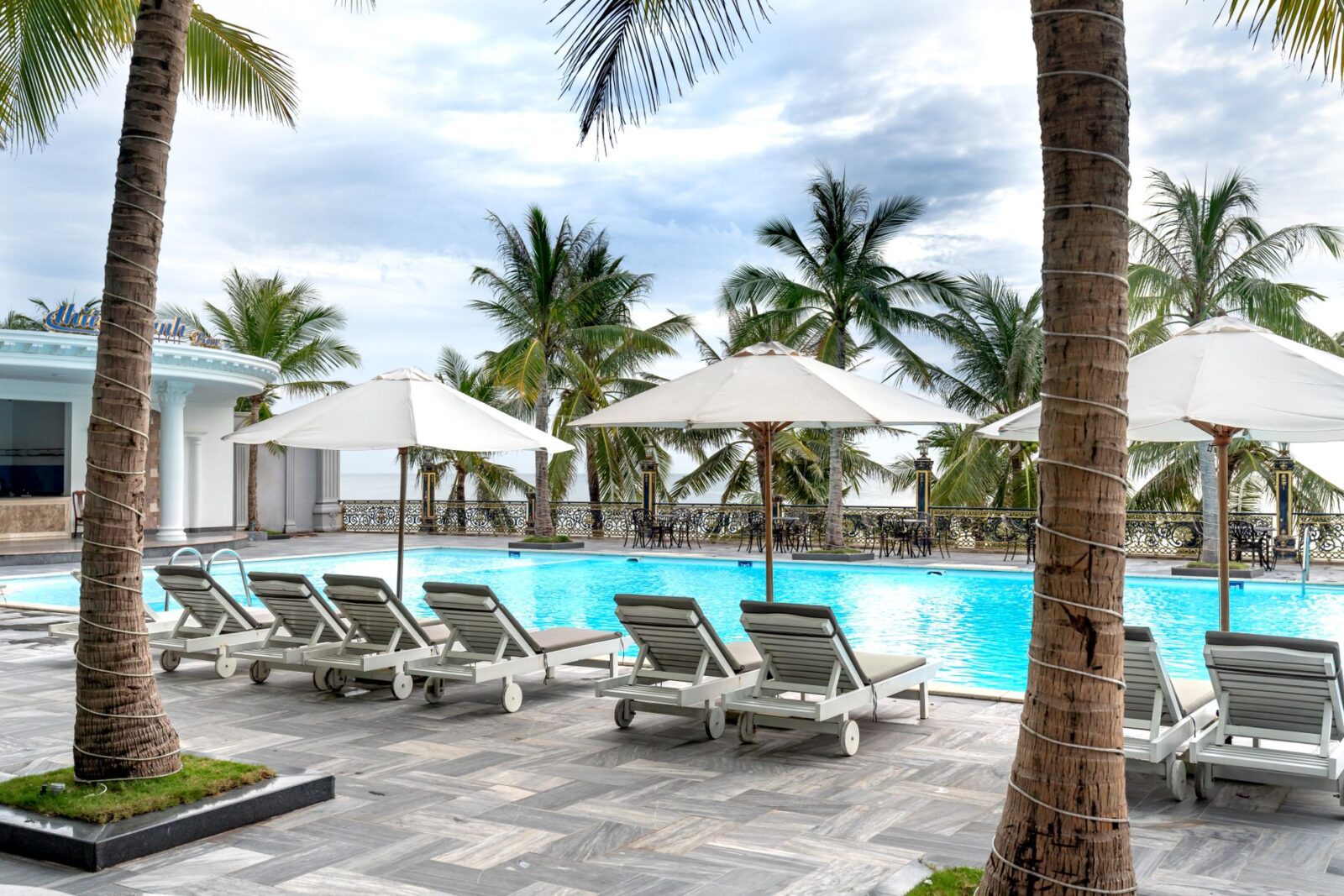
All Beaches Resorts Now Hold Advanced Certified Autism Center Status
Every Beaches property across the Caribbean has earned the Advanced Certified Autism Center designation from the International Board of Credentialing and Continuing Education Standards (IBCCES). This credential means that more than 2,000 team members have completed specialized training in autism awareness, sensory inclusion, and communication strategies. The certification covers all aspects of the guest experience, from check‑in to dining, activities, and beach access. Families traveling with autistic members can now expect a consistent baseline of support regardless of which Beaches location they choose.
How the Pre‑Visit Questionnaire Shapes a Personalized Stay
Before arrival, guests receive an optional pre‑visit questionnaire that gathers key details about the autistic traveler’s communication style, favorite activities, sensory triggers, and swimming ability. Responses are reviewed by resort staff who then tailor recommendations for room location, dining times, and activity schedules. This proactive planning helps reduce anxiety caused by unexpected changes in routine and allows families to focus on enjoyment rather than logistics.
Low‑Sensory Zones and Predictable Rhythms Create Calm Environments
Beaches resorts have designated quiet coves, low‑light lounges, and sensory‑friendly activity rooms where guests can retreat when the surroundings become overwhelming. The all‑inclusive model also contributes to predictability: meals are served at set times, menus are consistent, and daily activity programs follow a repeating schedule. These elements combine to create a sensory landscape that many autistic travelers find easier to navigate than a typical resort.

Staff Training Goes Beyond Basic Awareness
All employees, from front‑desk agents to water‑sports instructors, complete a mandatory autism awareness module that includes practical scenarios such as handling meltdowns, using visual schedules, and offering alternative communication tools. Refresher courses are conducted quarterly, and supervisors receive additional training on how to support team members who may need accommodations themselves. This comprehensive approach ensures that support is embedded in the resort’s culture rather than treated as an add‑on service.
Broader Trend: Destinations Worldwide Pursue Autism‑Friendly Credentials
The Beaches initiative reflects a growing movement among hospitality providers to obtain formal autism certification. In mid‑2026, Vida Creek Beach in Dubai became the first beachfront property in the United Arab Emirates to earn the Certified Autism Center™ designation from IBCCES. Similar certifications have been awarded to hotels in Singapore, resorts in Mexico, and cruise lines operating out of Miami. Industry analysts note that travelers with neurodiverse needs represent a fast‑growing segment, estimated to contribute over $15 billion annually to global tourism revenue.

Practical Implications for Travelers Planning a Trip
Families should consider allocating a slightly higher budget for autism‑friendly resorts, as the specialized training and infrastructure can result in modest price premiums. At Beaches Turks & Caicos, the average nightly rate for a family suite in high season is approximately $420 USD, compared with $380 USD at a comparable non‑certified property. However, the value added through reduced stress, fewer unexpected expenses for special services, and increased overall satisfaction often outweighs the cost difference. Travelers are encouraged to request the pre‑visit questionnaire during booking and to confirm any specific accommodations, such as dietary needs or equipment rentals, well in advance.
Cost Considerations and Potential Savings
While the nightly rate may be higher, families can offset some expenses by taking advantage of the all‑inclusive package, which includes meals, drinks, selected water sports, and nightly entertainment. For a family of four staying seven nights, the total cost at Beaches Turks & Caicos averages around $2,940 USD, whereas a similar stay at a non‑certified all‑inclusive resort might total $2,660 USD. The difference of $280 USD buys access to trained staff, sensory‑friendly spaces, and customized planning services. Additionally, some travel insurance providers now offer partial reimbursement for trips booked at certified autism centers when a documented need is presented.
What to Expect Next: Expansion and Industry Standards
Industry experts predict that more hotel chains will pursue autism certification as consumer demand rises and as destination marketing organizations highlight inclusive travel in their promotional campaigns. IBCCES has announced plans to introduce a tiered system that recognizes properties with advanced sensory design, such as sound‑absorbing materials and adjustable lighting, alongside the current training‑based credential. For travelers, this means a growing portfolio of options where accessibility is built into the product rather than offered as a special request.
Tips for Making the Most of an Autism‑Friendly Resort Stay
- Complete the pre‑visit questionnaire as early as possible and ask for a copy of the staff’s planned accommodations.
- Identify the nearest low‑sensory zone upon arrival and visit it briefly to familiarize the traveler with the space.
- Use the resort’s visual schedule, if provided, to outline daily activities and reduce uncertainty.
- Communicate any changes in routine directly with the guest relations team; they can often adjust activity times or provide alternative options.
- Take advantage of the all‑inclusive dining to maintain consistent meal times, which many autistic travelers find comforting.
Looking Ahead: The Future of Inclusive Travel
The certification of all Beaches Resorts as Advanced Certified Autism Centers marks a significant step toward universal design in hospitality. As more properties adopt similar standards, travelers with neurodiverse needs will encounter fewer barriers and greater confidence when planning vacations. For the industry, the shift represents both a social responsibility and a market opportunity, encouraging innovation in staff training, environmental design, and guest communication. Families seeking a seamless, enjoyable getaway can now look to a growing list of destinations where accessibility is not an exception but an expectation.
Stay informed with the latest travel news, visa updates, and destination guides. Follow HimalayanCrest.com for weekly travel intelligence delivered by our editorial team.