

Ixigo’s New Packaged Tour Experiment: Bharat Darshan Launch
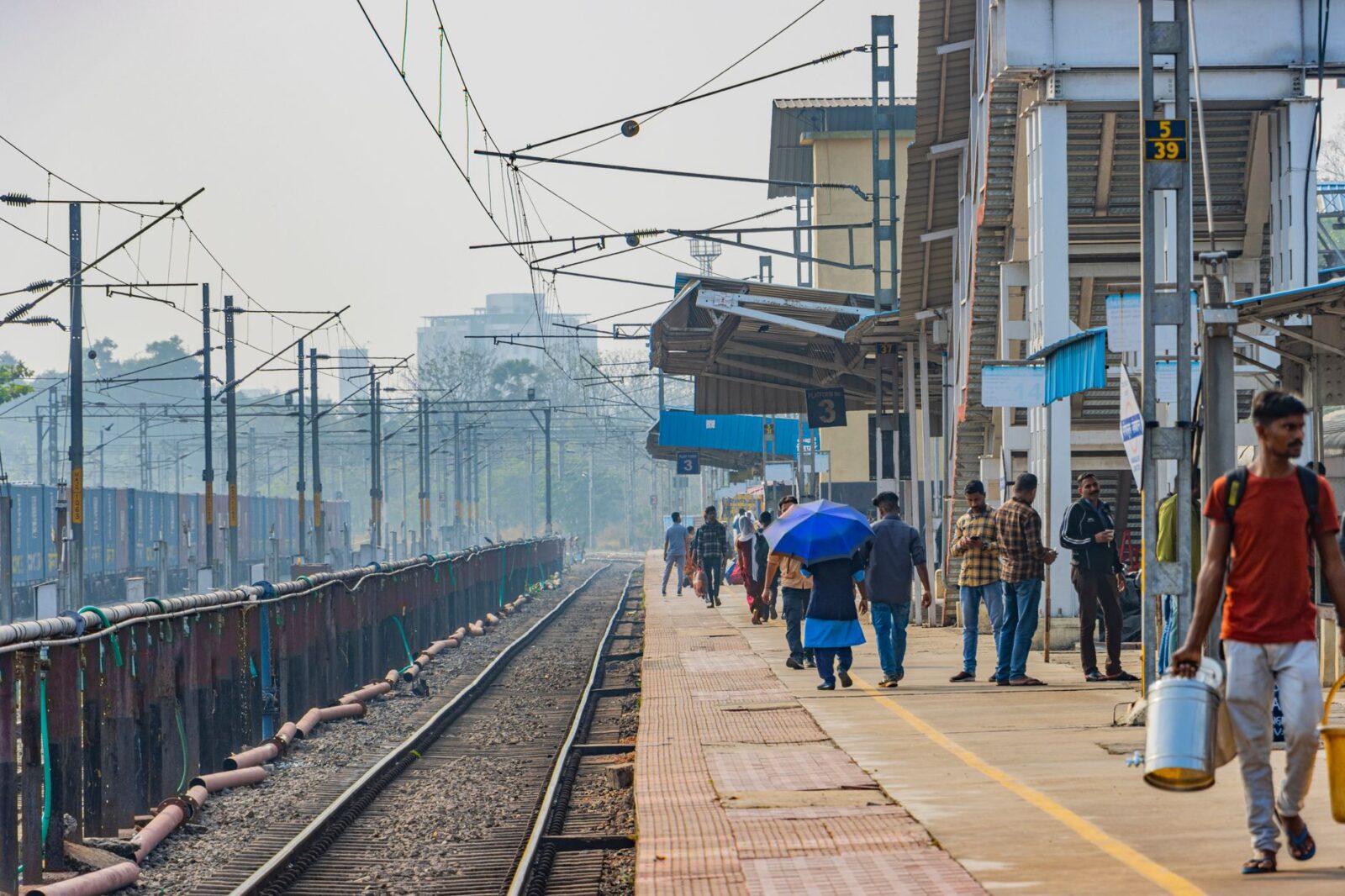
On Tuesday, August 25, 2026, Ixigo Trains unveiled its first packaged tour product called Bharat Darshan. The offering pulls together itineraries that are curated by IRCTC, the state‑owned railway tourism and catering arm, and presents them as single bookings inside the Ixigo app. Until now Ixigo has sold only discrete components such as train tickets, flights or hotel rooms. By bundling rail travel, accommodation and local transfers, the platform aims to simplify trip planning for users who prefer an all‑in‑one solution.
The Bharat Darshan catalogue focuses on spiritual and family trips, with destinations that include Haridwar, Rishikesh, Varanasi and other pilgrimage hubs. Prices for the packages start at $73 for a short weekend circuit and rise to $3,135 for longer, multi‑city journeys that incorporate premium hotels and guided sightseeing. Ixigo describes the move as a low‑risk test: it is not building its own tour operation but merely displaying IRCTC’s existing catalogue and measuring traveler response.
Industry observers note that the launch aligns with a broader shift among online travel agencies to diversify beyond commodity bookings. By offering packaged experiences, Ixigo hopes to increase average order value and deepen customer engagement. The company says it will use feedback from early adopters to decide whether to expand the catalogue into broader holiday themes such as wildlife, heritage or adventure travel.
How the IRCTC Partnership Works: Curated Spiritual and Family Itineraries
IRCTC supplies the packaged tours directly to Ixigo through a data feed that includes itinerary details, pricing and availability. When a traveler selects a Bharat Darshan option, the Ixigo app shows a day‑by‑day schedule that outlines train departures, hotel check‑in times and included transfers. The actual fulfillment—train operation, hotel stay and ground transport—remains under IRCTC’s control, while Ixigo handles the booking interface and payment processing.
Each package guarantees a confirmed train ticket, which removes a common pain point for rail travelers in India who often face waitlisted status. The itineraries also bundle meals in some cases, particularly for pilgrimage circuits where dining arrangements are pre‑arranged at trusted restaurants. This level of integration reduces the need for users to juggle multiple confirmations from separate vendors.
Ixigo emphasizes that the partnership is revenue‑share based, although the exact split has not been disclosed publicly. The arrangement allows IRCTC to tap into Ixigo’s large user base without investing in a separate consumer‑facing app, while Ixigo gains a new product category that could complement its core ticketing business. Early internal metrics suggest strong interest in routes linking the Ganges basin with Himalayan hill stations.
Uber’s Integration: Train Ticket Booking Inside the Ride‑Hailing App
Parallel to the tour launch, Uber announced a tie‑up with Ixigo that enables users to search, book and manage train tickets directly from the Uber application. The feature went live on August 19, 2026, and is powered by Ixigo’s train‑booking technology stack, which includes real‑time inventory access, PNR status checks and post‑booking modifications. Users can now complete a rail reservation without leaving the Uber ecosystem.
After booking a train, the Uber app automatically suggests ride options for the first‑mile leg from the user’s location to the departing station and the last‑mile leg from the arrival station to the final destination. This seamless linking aims to eliminate the friction of switching between separate apps for transport and ticketing. The service covers all major Indian Railways routes and supports both sleeper and seated classes.
Uber frames the move as an expansion of its mobility footprint beyond point‑to‑point rides. By embedding train ticketing, the company hopes to increase session length within its app and create additional touchpoints for cross‑selling other services such as food delivery or micromobility. Industry analysts view the partnership as a test case for how ride‑hailing platforms can evolve into comprehensive travel super‑apps.
Why This Matters: Solving the First‑and‑Last‑Mile Gap for Rail Travelers
One of the persistent challenges for rail travel in India is the difficulty of reaching stations efficiently, especially in cities where parking is scarce or public transit connections are weak. Uber’s integration directly addresses this by offering a reliable ride option that is timed to the train schedule. Travelers can book an Uber ride that arrives just before departure, reducing waiting time and the risk of missing a train.
For tourists unfamiliar with local transport norms, the bundled approach of Bharat Darshan adds another layer of convenience. Instead of researching separate hotel bookings, auto‑rickshaw fares or taxi services, users receive a pre‑validated itinerary that includes vetted accommodation and transfers. This is particularly valuable for older travelers or families with children who prefer a hassle‑free experience.
Together, the two initiatives create a closed loop: a traveler can discover a packaged tour on Ixigo, book the train component via Uber, and rely on Uber for ground movement at both ends of the journey. The synergy could boost conversion rates for both platforms, as each step in the journey is supported by a trusted digital interface.
Broader Trends: OTAs Diversifying into Packaged Experiences and Mobility Super‑Apps
The moves by Ixigo and Uber reflect two macro trends reshaping the global travel landscape. First, online travel agencies are increasingly looking beyond flight and hotel commoditization to capture higher‑margin experiences. Packaged tours, activity bundles and destination‑specific itineraries allow OTAs to differentiate themselves in a crowded market. Second, mobility platforms are evolving into travel‑planning hubs that integrate multiple modes of transport, a shift already seen in Southeast Asia with Grab and in Europe with certain rail‑focused apps.
In India, the rail sector carries over 23 million passengers daily, presenting a massive addressable market for digital innovation. Government initiatives to modernize IRCTC’s booking system and encourage private‑sector participation have opened doors for partnerships like the one with Ixigo. Analysts estimate that if even 5 % of rail passengers opt for bundled tours through OTAs, the incremental revenue could reach several hundred million dollars annually.
Regulators are watching closely. While the current arrangement relies on IRCTC’s existing tourism licenses, any expansion into new tour types or dynamic packaging may require additional clearances from the Ministry of Railways and state tourism departments. Both Ixigo and Uber have stated they are working with relevant authorities to ensure compliance.
Practical Impact for Travelers: Cost, Convenience, and Booking Tips
For the independent traveler, the Bharat Darshan packages offer a transparent price point that includes major cost components. A typical three‑night pilgrimage circuit from Delhi to Haridwar and Rishikesh, featuring AC train travel, three‑star hotel stay and daily breakfast, is listed at approximately $180. By contrast, booking the same elements separately often totals $210‑$230 when factoring in last‑minute hotel surcharges and variable auto‑rickshaw fares.
To make the most of the new Uber‑Ixigo integration, travelers should enable location services within the Uber app and allow notifications for PNR updates. After confirming a train ticket, the app will prompt users to add a ride to the station; selecting “Schedule ride” lets them set a pickup time that aligns with platform arrival. It is advisable to book the return leg at least a few hours before the train’s scheduled departure to avoid surge pricing during peak travel windows.
Budget‑conscious travelers can compare the Bharat Darshan fare against the sum of individual components using the Ixigo website’s price‑breakdown tool. Early‑bird discounts are occasionally offered on select packages, especially for travel during off‑peak months such as July or September. Keeping an eye on the app’s “Deals” banner can yield savings of 10‑15 % on the total package cost.
What Comes Next: Expansion Plans, Revenue Models, and Regulatory Hurdles
Ixigo has signaled that the Bharat Darshan launch is a pilot phase. Positive uptake could lead to the introduction of thematic packages beyond pilgrimage, such as wildlife safaris in Madhya Pradesh, heritage routes covering Rajasthan’s forts, or adventure itineraries in the Himalayas. The company says it will rely on traveler feedback, search trends and booking conversion rates to prioritize new themes.
Revenue sharing details remain confidential, but industry practice suggests a split in the range of 70 % to IRCTC and 30 % to the OTA for packaged tours, with the possibility of performance‑based bonuses tied to volume. For the Uber partnership, the likely model is a referral fee per completed train booking, similar to existing airline‑ticketing integrations in ride‑hailing apps.
On the regulatory front, any expansion of packaged tours that includes guided sightseeing or entry tickets to monuments may require additional licenses from the Archaeological Survey of India or state tourism boards. Uber’s train‑ticketing feature, while currently limited to information display and booking, could eventually evolve to include dynamic pricing or loyalty‑point integration, which would necessitate clearer guidelines from the Reserve Bank of India on payment aggregation.
FAQ: Quick Answers to Common Questions About the New Services
- What exactly is included in a Bharat Darshan package?
Each package contains confirmed train tickets (usually AC class), hotel accommodation for the specified nights, pre‑arranged transfers between station and hotel, and in many cases meals such as breakfast or dinner. Sightseeing activities and guide services are listed in the itinerary; entrance fees to monuments are typically not covered unless explicitly stated. - How do I book a train ticket through Uber, and will I receive a separate IRCTC confirmation?
Open the Uber app, tap the “Train” icon, enter your origin, destination and travel date, then select a train and class. After payment, you receive a PNR number and a booking confirmation within the Uber app; IRCTC also sends an email or SMS to the registered mobile number, mirroring the standard ticketing flow. - Are the Bharat Darshan prices competitive compared to booking each piece separately?
Based on sample searches conducted in August 2026, the bundled price is on average 10‑15 % lower than the sum of individual components when similar hotel standards and train classes are matched. The savings become more pronounced on longer itineraries where hotel rates fluctuate. - Can I modify or cancel a Bharat Darshan booking after purchase?
Modifications follow IRCTC’s standard rules for train tickets (subject to availability and fare differences) combined with the hotel’s cancellation policy, which varies by property. Ixigo’s customer‑support team can assist with changes, but refunds may be partial depending on timing. - Is the Uber‑Ixigo train‑ticketing service available nationwide?
Yes. The feature supports all Indian Railways routes that are accessible via Ixigo’s inventory, covering premium express trains, mail/express services and select suburban corridors. Users can book both sleeper and seated classes, and the app displays real‑time seat availability.
Stay informed with the latest travel news, visa updates, and destination guides. Follow HimalayanCrest.com for weekly travel intelligence delivered by our editorial team.