

Arrival: First Steps into Istanbul’s Pulse
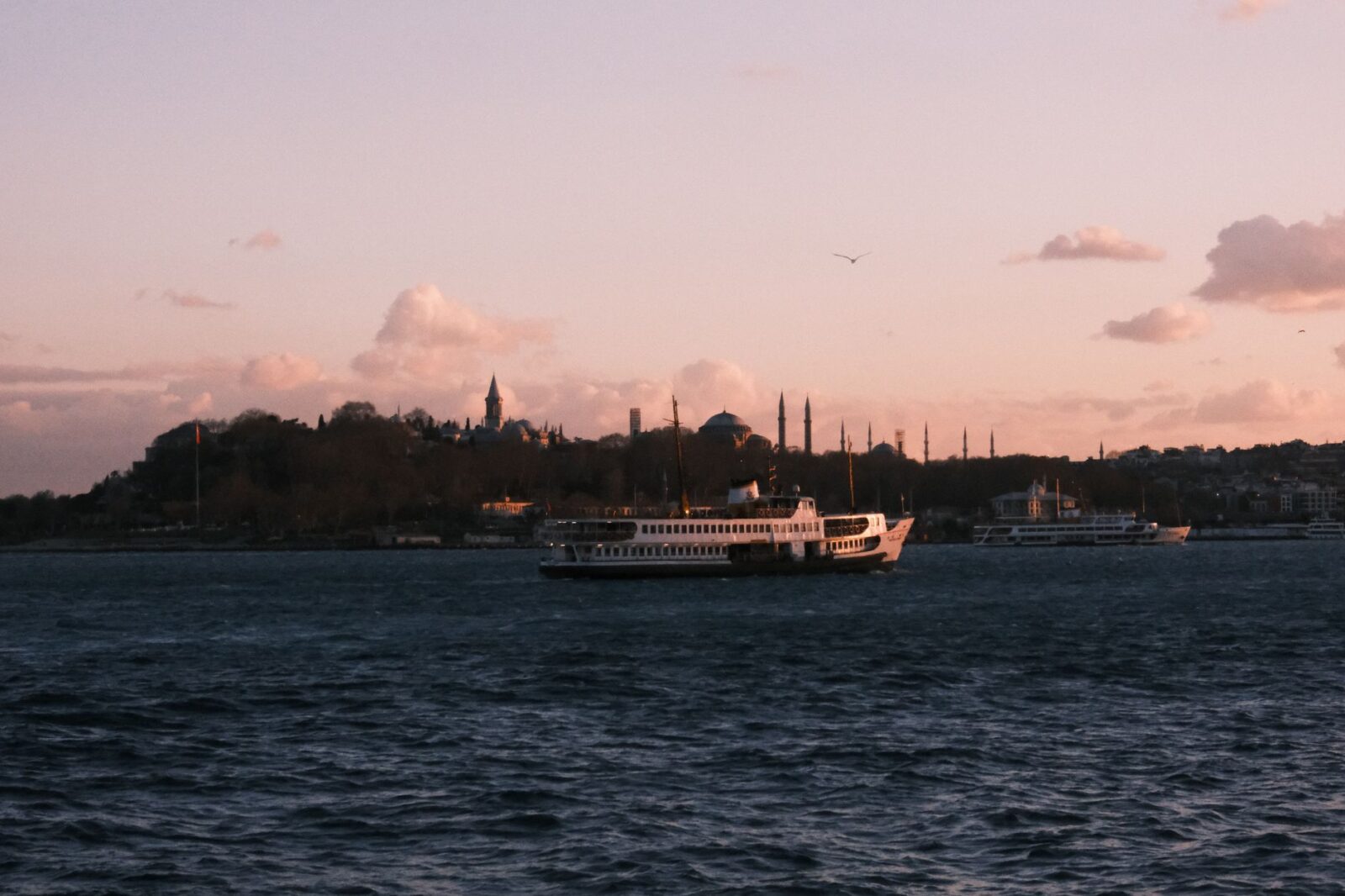
Stepping off the plane at Istanbul Airport, the warm Mediterranean air carries hints of roasted coffee, simmering spices, and a distant call to prayer that echoes over the city’s minarets. The modern terminal hums with travelers from every continent, yet a short taxi ride brings you into a world where ancient stone walls sit beside glass skyscrapers. As you cross the Galata Bridge, the Golden Horn glitters under the morning sun, and fishermen cast their lines while ferry horns blow in the distance. This first impression sets the tone for a weekend where every sense is engaged, from the scent of fresh simit sold by street vendors to the murmur of multilingual conversations in bustling cafés.
Your luggage is quickly stored at the hotel, and you set out on foot, feeling the cobblestones of Sultanahmet under your shoes. The city’s layout invites wandering: major sights are clustered within walking distance, and the efficient tram system connects neighborhoods in minutes. By late afternoon, the call to prayer from the Blue Mosque drifts over the rooftops, reminding you that Istanbul lives at the intersection of continents, cultures, and centuries.
Why Istanbul Shines in 2026
In 2026, Istanbul continues to rank among the world’s top ten most visited cities, welcoming over 14 million international arrivals according to the Turkish Ministry of Culture and Tourism. The city’s appeal lies in its ability to offer both deep history and vibrant contemporary life within a compact geographic area. Recent investments in public transport, including the expansion of the metro line to the Asian side, have reduced travel times and eased congestion for visitors.
Cultural events also draw crowds: the Istanbul Biennial, held every two years, returned in spring 2026 with installations across historic warehouses and modern galleries, while the annual Istanbul Music Festival filled historic venues with performances ranging from Ottoman classical to indie rock. These happenings, combined with a favorable exchange rate for many currencies, make now an ideal moment to explore the city’s layered identity.
Over 60% of first‑time visitors cite the food scene as their primary reason for returning, according to a 2025 visitor survey.
When to Go: Weather and Crowds Month by Month
Istanbul’s climate is a blend of Mediterranean and humid subtropical influences, giving the city four distinct seasons. Spring (April to June) offers mild temperatures averaging 15‑22°C (59‑72°F), blooming tulips in Emirgan Park, and relatively lower hotel rates before the peak summer rush. Autumn (September to November) mirrors spring’s comfort, with crisp air perfect for wandering the Bosphorus shores and fewer crowds after the summer exodus.
Summer (July to August) brings warm to hot days, often reaching 28‑32°C (82‑90°F), and higher humidity, especially inland. While the city’s many beaches along the Black Sea and Marmara coast provide relief, attractions such as Hagia Sophia and Topkapi Palace can see long queues. Winter (December to February) is chilly, with occasional snowfall and temperatures hovering around 3‑8°C (37‑46°F); however, the city’s indoor attractions, cozy tea houses, and festive New Year markets create a magical atmosphere for those who don’t mind bundling up.
For a weekend trip, aim for late April‑early May or mid‑September‑early October to enjoy pleasant weather, manageable crowds, and vibrant street life.
Where to Rest: Neighborhoods for Every Budget
Choosing where to stay shapes your experience of Istanbul. The historic Sultanahmet district places you steps from Hagia Sophia, the Blue Mosque, and the Basilica Cistern, ideal for first‑time visitors who want to immerse themselves in Ottoman‑Byzantine grandeur. Mid‑range hotels here average $90‑130 per night, while boutique guesthouses can be found for $70‑90, and luxury options such as the Four Seasons Sultanahmet start at $250.
If you prefer a lively, cosmopolitan vibe, Beyoglu—home to Istiklal Avenue, Galata Tower, and countless cafés—offers a range of accommodations. Budget hostels start at $30‑45 per night, mid‑range hotels average $80‑120, and stylish design hotels like the Pera Museum Suites begin at $180. Staying here gives easy access to nightlife, art galleries, and the tram line that connects to Sultanahmet in about 20 minutes.
For a more local experience, consider Kadiköy on the Asian side. This neighborhood buzzes with markets, street art, and waterfront promenades. Budget options include friendly guesthouses at $35‑50, mid‑range hotels at $80‑110, and upscale boutique stays near the Moda shoreline starting at $190. Ferries from Kadiköy to Eminönü run every 20 minutes, offering scenic cross‑continent commutes.
Day One: Sultanahmet, Hagia Sophia, and the Spice Bazaar
Morning: Begin with a traditional Turkish breakfast at a local café in Sultanahmet—think menemen (scrambled eggs with tomatoes and peppers), fresh feta, olives, honey, and warm bread, all served with endless glasses of çay. After fueling up, walk to the Hagia Sophia, where the massive dome and glittering mosaics reveal layers of Byzantine Christian and Ottoman Islamic history. Allocate at least 90 minutes to explore the interior and the surrounding courtyard.
Late Morning: A short stroll brings you to the Blue Mosque, famed for its six minarets and intricate İznik tile work. Remember to remove your shoes and dress modestly; scarves are provided at the entrance if needed. Spend about 45 minutes admiring the prayer hall and the serene courtyard before heading to the nearby Hippodrome, where ancient obelisks and the Serpent Column hint at chariot races of bygone eras.
Afternoon: Wander toward the Grand Bazaar, one of the world’s oldest covered markets with over 4,000 shops. Here you can hunt for hand‑woven kilims, copper tea sets, and aromatic spices. Bargaining is expected; start at about 60% of the asking price and meet somewhere in the middle. Allocate two hours to get lost in the labyrinthine alleys, then exit toward the Spice Bazaar (Mısır Çarşısı) for a sensory overload of saffron, sumac, dried fruits, and Turkish delight.
Evening: As the sun sets, make your way to a rooftop restaurant in Sultanahmet or Beyoglu for panoramic views of the illuminated skyline. Try a dish of hünkar beğendi (slow‑cooked lamb on a creamy eggplant purée) paired with a glass of şira (lightly fermented grape juice). The city’s lights begin to sparkle across the Bosphorus, creating a perfect backdrop for reflection on the day’s discoveries.
Day Two: Bosphorus Cruise, Beyoglu Arts, and Kadiköy Markets
Morning: Start with a light bite of simit and tea at a street cart near Eminönü, then head to the ferry dock for a public Bosphorus cruise. The inexpensive Şehir Hatları ferry costs roughly $2‑3 USD one‑way and offers unobstructed views of palaces, mansions, and fortresses lining the strait. Stay on deck to see the Dolmabahçe Palace, the Ortaköy Mosque, and the Rumeli Fortress as the boat glides between Europe and Asia.
Mid‑Morning: Disembark at Ortaköy, a charming neighborhood known for its bustling weekend market and the iconic Ortaköy Mosque right on the water. Sample a freshly baked kumpir (stuffed baked potato) topped with cheese, sausages, and pickles, then wander the artisan stalls selling jewelry, ceramics, and textiles.
Afternoon: Take the funicular or a short taxi ride up to Galata Tower for a 360‑degree view of the city. After descending, explore Beyoglu’s side streets, where indie boutiques, vintage shops, and art galleries line the alleys off Istiklal Avenue. Pause for a cup of Turkish coffee at a historic café like Mandabatmaz, where the thick, frothy brew is served with a glass of water and a piece of lokum.
Late Afternoon: Cross back to the Asian side via ferry from Karaköy to Kadiköy. Here, the Kadiköy Market (Çarşı) invites you to taste fresh fish, grilled kokoreç, and a variety of mezes. Don’t miss trying a glass of şalgam (fermented turnip juice) or a cup of freshly squeezed pomegranate juice from a street vendor. Spend time wandering the backstreets of Moda, where seaside cafés offer a tranquil escape with views of the Prince Islands.
Evening: Conclude your weekend with a seafood dinner in the upscale neighborhood of Tarabya, located on the northern Bosphorus shore. Restaurants here serve freshly caught sea bass, grilled octopus, and mezze platters featuring haydari (yogurt with herbs) and ezme (spicy tomato dip). Expect to pay around $25‑35 USD per person for a full meal with a glass of local white wine. The gentle lapping of waves and the twinkling lights of distant villas create a memorable final night.
Flavors of the City: Food, Drink, and Street Eats
Istanbul’s culinary landscape reflects its position as a crossroads of civilizations. Breakfast is a leisurely affair, often featuring a spread of cheeses, tomatoes, cucumbers, olives, honey, and clotted cream (kaymak) alongside warm bread. A must‑try street snack is the simit, a sesame‑encrusted bread ring that costs about $0.30‑0.50 and is best enjoyed fresh from a cart.
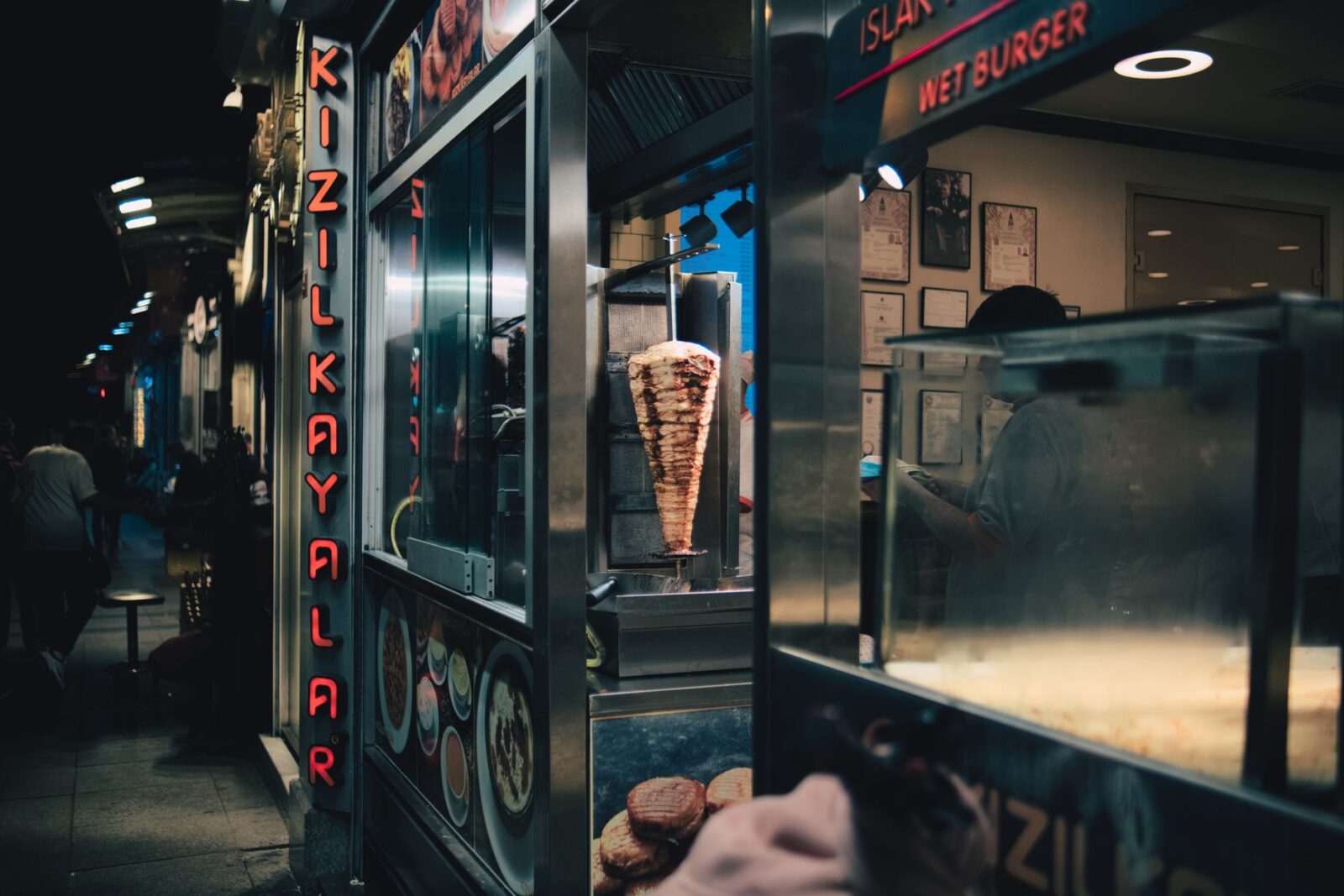
For lunch, dive into a dürüm wrap filled with spiced adana kebab or şiş tavuk (chicken shish), accompanied by grilled vegetables and a squeeze of lemon. A typical meal at a mid‑range lokanta (traditional restaurant) costs $8‑12 USD. If you prefer something vegetarian, try imam bayıldı (eggplant stuffed with onions, tomatoes, and garlic) or lentil soup (mercimek çorbasi), both hearty and flavorful.
Dinner offers opportunities to indulge in richer dishes. Testi kebabı, a meat and vegetable stew cooked in a sealed clay pot, is cracked open at the table for dramatic effect and usually runs $15‑20 USD. Seafood lovers should head to the fish restaurants along the Bosphorus, where a grilled sea bass or red mullet with a side of rakı (anise‑flavored spirit) creates a classic Turkish meze experience.
No visit is complete without sampling Turkish desserts. Baklava, layers of phyllo pastry filled with pistachios and sweetened with syrup, costs roughly $1‑2 per piece. Künefe, a warm cheese pastry soaked in syrup and topped with crushed pistachios, is best enjoyed fresh from a specialty shop in Kadiköy or Beyoglu. Pair any sweet treat with a cup of strong Turkish coffee or a glass of ayran (salty yogurt drink) to balance the richness.
Practical Tips: Getting Around, Visa, and Budget Breakdown
Istanbul’s public transport network is efficient and affordable. An Istanbulkart, a reloadable smart card, costs about $2 USD and can be used on metros, trams, buses, ferries, and the funicular. A single ride averages $0.40‑0.60 USD, making day trips across the city economical. Taxis are plentiful; ensure the meter is running, or opt for ride‑hailing apps like BiTaksi for fixed fares.
Visitors from many countries, including the United States, Canada, the United Kingdom, Schengen states, Australia, and Japan, can enter Turkey visa‑free for stays up to 90 days within a 180‑day period. Citizens of India, South Africa, and several other nations need to obtain an e‑visa online prior to arrival, which costs around $20‑30 USD and is processed within minutes. Always check the latest requirements on the official Republic of Turkey Ministry of Foreign Affairs website before traveling.
Sample Budget for a Mid‑Range Weekend (per person):
- Accommodation (2 nights, 3‑star hotel): $160‑260
- Meals (breakfast $4, lunch $10, dinner $20 ×2): $68
- Transport (Istanbulkart + occasional taxis): $15
- Entrance fees (Hagia Sophia $15, Blue Mosque free, Topkapi Palace $20, Basilica Cistern $10): $45
- Miscellaneous (snacks, tea, small souvenirs): $20
Total: roughly $308‑408 USD. Budget travelers can reduce costs by staying in hostels ($60‑80 for two nights), eating at street stalls, and using free walking tours, bringing the total under $180 USD. Luxury seekers might spend $500‑800 USD, opting for five‑star hotels, private Bosphorus yacht charters, and fine‑dining experiences.
Cultural Etiquette, Common Mistakes, and Respectful Travel
Turkish hospitality is legendary, and a few simple gestures go a long way. When entering someone’s home or a mosque, always remove your shoes; if you’re unsure, look for a shoe rack or follow the lead of locals. Dress modestly when visiting religious sites—women should cover their shoulders and knees, and men should avoid sleeveless tops. Scarves are often provided at mosque entrances, but carrying a lightweight shawl is courteous.
It is customary to greet shopkeepers and restaurant staff with a friendly “Merhaba” (hello) and to thank them with “Teşekkür ederim.” When offered tea or coffee, accepting is a sign of respect; refusing may be seen as impolite unless you have a genuine reason. Bargaining is expected in markets, but do so with a smile and keep the tone light; aggressive haggling can sour the interaction.
Common tourist mistakes include underestimating the time needed to navigate the Grand Bazaar’s alleys, leading to rushed purchases and missed opportunities to discover hidden workshops. Another pitfall is relying solely on taxis during rush hour, when traffic can bring travel to a standstill; using trams, metros, or ferries often saves both time and money. Finally, many visitors forget to stay hydrated while walking the hilly streets of Beyoglu and Kadiköy; carry a reusable water bottle and refill it at the numerous public fountains (çeşme) scattered throughout the city.
Frequently Asked Questions
Is Istanbul safe for solo travelers?
Yes, Istanbul is generally safe for solo travelers, including women. Violent crime against tourists is rare, and the city’s extensive police presence in tourist areas adds a layer of security. As with any large metropolis, stay aware of your surroundings, keep valuables out of sight, and avoid poorly lit alleys late at night. Using reputable transport options and staying in well‑reviewed accommodations further enhances safety.
Do I need to speak Turkish to get around?
No, you can navigate Istanbul comfortably with English, especially in hotels, restaurants, and major attractions where staff often speak basic English. Learning a few Turkish phrases—such as “Lütfen” (please), “Teşekkür ederim” (thank you), and “Ücret nedir?” (how much?)—will be appreciated and can smooth interactions in markets and local neighborhoods.
What is the best way to experience the Bosphorus?
For an authentic and budget‑friendly experience, take the public Şehir Hatları ferry from Eminönü to Üsküdar or Kadiköy; the ride costs less than $3 USD and offers unobstructed views of palaces, mansions, and fortresses. If you prefer a more private tour, numerous companies offer sunset cruises with live music and dinner, ranging from $40‑80 USD per person. Whichever you choose, aim to travel on a clear day to fully appreciate the strait’s beauty.
Are credit cards widely accepted?
Credit and debit cards (Visa, Mastercard, American Express) are accepted in most hotels, restaurants, and larger shops. Smaller establishments, street vendors, and market stalls often prefer cash, so keep a small amount of Turkish lira on hand for tips, snacks, and minor purchases. ATMs are ubiquitous and dispense lira at competitive exchange rates.
Stay informed with the latest travel news, visa updates, and destination guides. Follow HimalayanCrest.com for weekly travel intelligence delivered by our editorial team.