

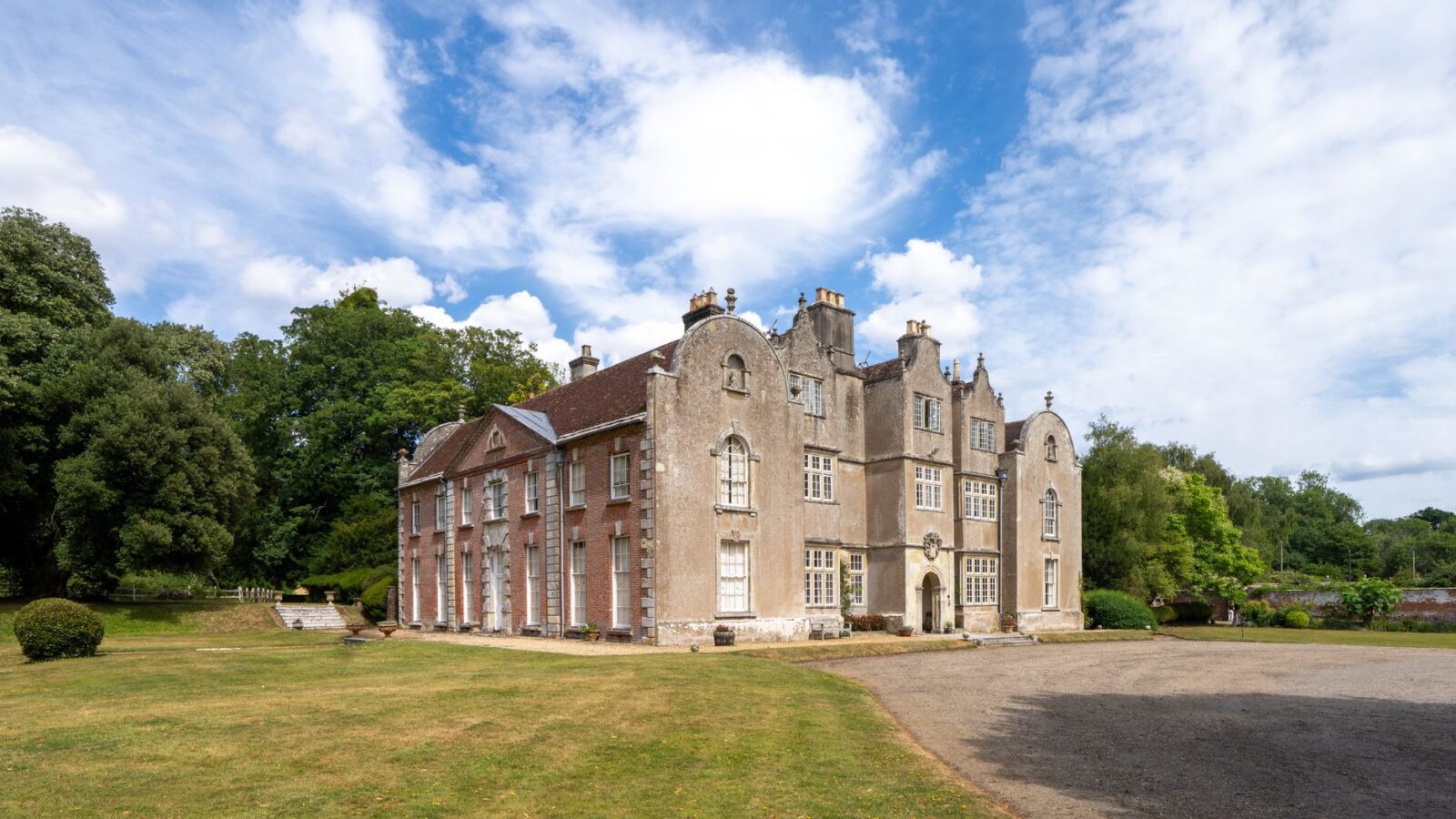
A Whimsical Invasion: Why Upstate New York Is Embracing British Country‑House Charm
The Hudson Valley and Catskills have long attracted city dwellers seeking rustic getaways, but a new aesthetic is now reshaping the region’s hospitality scene. Hoteliers and designers are layering chintz curtains, mismatched antiques, and deliberately imperfect finishes to evoke a romanticized British country‑house feel. This shift moves beyond the polished minimalism that dominated many urban hotels and offers guests a sense of stepping into a lived‑in estate. The appeal lies in its promise of comfort, character, and a touch of nostalgic escapism.
Travelers who have grown accustomed to the predictable luxury of the Hamptons are now looking for places that feel wilder and more deeply rooted in the landscape. The British country‑house fantasy provides exactly that: a curated blend of heirloom objects, floral patterns, and spaces that encourage lingering over tea or a book. By importing this sensibility, upstate New York properties aim to offer an alternative to the usual weekend‑only vibe, inviting guests to stay longer and engage more fully with the surroundings.
Industry observers note that the trend reflects a broader desire for travel experiences that feel personal and story‑rich, rather than purely transactional. As more properties adopt the look, the region is becoming a test case for how a distinctly British aesthetic can thrive in an American setting, creating a niche that speaks to affluent travelers seeking both refinement and a sense of discovery.
Defining the Look: Chintz, Antiques, and the Art of Imperfection
At the heart of the British country‑house style is a deliberate celebration of texture and history. Chintz—glazed cotton fabric printed with large‑scale floral motifs—appears on upholstery, curtains, and even bed linens, bringing a burst of color that feels both cheerful and slightly eccentric. Designers often pair these fabrics with aged wood furniture, brass fixtures, and collections of ceramics or books that have been gathered over generations.
Imperfection is not hidden; it is highlighted. A slightly crooked picture frame, a worn rug edge, or a chip in a porcelain vase are treated as signs of authenticity rather than flaws. This approach creates interiors that feel inhabited, inviting guests to relax without the pressure of maintaining a pristine environment. The result is a space that feels both curated and comfortably lived‑in.
Lighting also plays a subtle role. Table lamps with fabric shades, wall sconces with soft glows, and ample natural light from sash windows contribute to an atmosphere that is warm and inviting, especially during the longer evenings of autumn and winter. Together, these elements craft a sensory experience that distinguishes the British country‑house aesthetic from more contemporary or minimalist lodging options.
The Visionaries Behind the Movement: Designers and Hoteliers Leading the Charge
Several key figures are driving the adoption of this style in upstate New York. Interior designer Adam Greco, known for work on London’s The Ned and Oslo’s Sommerro, has long advocated for a whimsical British sensibility that mixes cultural references—from Sherlock Holmes to Mary Poppins—with high‑quality craftsmanship. His perspective emphasizes that true charm emerges when historic pieces are juxtaposed with contemporary art, creating layers of interest.
Hotelier Dorian Greenspan, founder of Maison Monna in Old Chatham, describes his goal as providing something “wilder” that feels genuinely rural rather than a transplanted urban concept. Greenspan’s property, set just forty minutes from New York City, combines restored farmhouse structures with interiors that lean heavily on chintz, antique finds, and a relaxed, welcoming vibe. He aims to attract travelers who have outgrown the predictable Hamptons scene and crave a deeper connection to the landscape.
Additionally, the team behind the Cotswolds’ Estelle Manor is reportedly scouting for a Hudson Valley or Catskills site that could host a similar luxury retreat. Their interest underscores how the British model is being viewed as a exportable template for high‑end, experience‑focused hospitality.
Soho Farmhouse Rhinebeck: What the Much‑Anticipated Outpost Promises
One of the most prominent signs of this trend is the planned arrival of Soho Farmhouse in Rhinebeck, slated to open in 2027. The original Soho Farmhouse in Oxfordshire has become synonymous with a refined take on country living, offering cottages, a spa, and farm‑to‑table dining amid rolling fields. The New York outpost aims to translate that formula to the Hudson Valley, preserving the brand’s emphasis on rustic elegance while adapting to local materials and landscapes.
Early renderings suggest a collection of timber‑clad buildings set amidst meadows, with interiors that will likely feature the signature chintz upholstery, reclaimed wood tables, and curated libraries of books and games. Guests can expect amenities such as a organic restaurant, a trattoria, a cinema, and a wellness center, all designed to encourage a slow‑paced, immersive stay.
For travelers, the opening adds a new option for those seeking a weekend escape that feels both luxurious and unpretentious. Pricing is expected to align with the brand’s premium positioning, with nightly rates likely starting in the high three‑hundreds USD, reflecting the inclusive nature of meals, activities, and access to the estate’s facilities.
Maison Monna: A Hudson Valley Retreat That Redefines Rural Luxury
Located in the hamlet of Old Chatham, Maison Monna offers a concrete example of how the British country‑house vision is already being realized. The property occupies a restored 19th‑century farmhouse surrounded by fields and woodland, providing guests with immediate access to hiking trails, river views, and seasonal farm stands. Its interiors showcase a thoughtful mix of English chintz, vintage lighting, and a collection of ceramics that evoke a sense of collected‑over‑time charm.
Guests at Maison Monna can enjoy farm‑fresh breakfasts, evening wine tastings featuring local vintners, and curated experiences such as guided walks through the property’s orchards or workshops on traditional crafts. The emphasis is on creating a stay that feels personal, with staff attuned to individual preferences and a layout that encourages both social interaction and quiet solitude.
Rates at Maison Monna typically range from $250 to $350 per night, depending on season and room type, offering a slightly more accessible entry point compared with some of the upcoming luxury developments. This pricing reflects the property’s commitment to delivering high‑touch service without the exclusivity often associated with ultra‑high‑end resorts.
Global Context: How This Trend Mirrors Shifts in Experiential Travel
The embrace of British country‑house whimsy in upstate New York does not occur in isolation. Across the globe, travelers are showing a growing preference for accommodations that tell a story, whether through heritage architecture, locally sourced design, or opportunities to engage with the surrounding culture. From the ryokan renovations in Kyoto that highlight tatami mats and tea ceremonies to the converted manor houses in Portugal that emphasize azulejo tiles and vineyard views, the demand for authenticity is rising.
In the United States, this mirrors the popularity of “slow travel” itineraries that prioritize depth over speed, encouraging visitors to linger in a single region rather than hop between multiple destinations. The British aesthetic, with its focus on comfort, history, and a touch of eccentricity, fits neatly into this mindset, offering a familiar yet distinctive alternative to the typical luxury hotel palette.
Furthermore, the trend aligns with a broader interest in Anglophilic culture, from the continued popularity of period dramas on streaming platforms to the resurgence of classic British literature in book clubs. By translating these cultural touchstones into tangible travel experiences, upstate New York properties are tapping into a ready‑made appetite for nostalgia‑infused escapism.
Traveler’s Guide: Planning Your Stay, Budget Tips, and What to Pack
For those considering a trip to sample this new wave of hospitality, timing and preparation can enhance the experience. The Hudson Valley and Catskills shine in late spring through early fall, when gardens are in bloom, outdoor activities are abundant, and the weather supports al fresco dining. Autumn brings spectacular foliage, making it a favorite season for photographers and hikers alike.
When it comes to packing, think layers and comfortable footwear. A lightweight waterproof jacket is useful for sudden showers, while sturdy walking shoes or boots will serve well on estate trails and nearby state parks. If you plan to indulge in the on‑site dining experiences, a smart‑casual outfit will suffice for most restaurants, though some venues may welcome more relaxed attire after a day of exploring.
Budget‑wise, travelers should anticipate a range of options. Properties like Maison Monna offer nightly rates in the mid‑two‑hundreds USD, while forthcoming luxury outposts such as Soho Farmhouse Rhinebeck are likely to command nightly figures starting around $380–$420, inclusive of meals and amenities. Booking well in advance—especially for weekend stays—can secure better rates and preferred room types. Many properties also offer discounted mid‑week stays, providing a quieter atmosphere and potential savings.
Finally, consider leveraging local expertise. Concierge teams at these establishments often arrange private tours of nearby historic sites, recommend hidden‑gem cafés, or organize seasonal activities such as apple picking in the fall or maple sugaring demonstrations in the spring. Engaging with these offerings can transform a simple overnight stay into a richer, more memorable journey into the whimsical British country‑house fantasy now flourishing just beyond the city’s reach.
Stay informed with the latest travel news, visa updates, and destination guides. Follow HimalayanCrest.com for weekly travel intelligence delivered by our editorial team.