

Why Farm Stays Are Redefining Luxury Travel
Travelers today seek experiences that connect them directly with the land and the food they eat. Farm stay hotels answer this desire by offering hands‑on activities such as berry picking, animal feeding and field‑to‑table meals. These properties blend rustic charm with modern comfort, creating a niche that appeals to families, couples and solo adventurers alike.
The rise of agritourism reflects broader shifts in travel preferences toward sustainability and authentic cultural exchange. Guests leave with a deeper understanding of seasonal cycles, regenerative farming practices and the effort behind everyday ingredients. This trend is evident across continents, from the rolling hills of Somerset to the volcanic slopes of Puerto Rico.
Industry data shows a steady increase in bookings for working‑farm accommodations, with many properties reporting occupancy growth of 15‑20 percent year over year. Travel experts note that the combination of luxury amenities and participatory agriculture drives repeat visits and word‑of‑mouth referrals. As a result, more hotels are investing in on‑site orchards, apiaries and vegetable gardens to meet demand.
The Newt in Somerset: Cider, Orchards and Georgian Grandeur
Located in the heart of England’s Somerset countryside, The Newt occupies a restored Georgian mansion and former farm buildings spread over 100 acres. Guests can wander through ancient tree avenues, explore organic orchards and join guided cider tastings in the underground cellar. The property also offers composting workshops that teach visitors how to turn kitchen waste into rich soil.
Accommodations range from luxurious rooms in the main house to charming stables‑converted suites with four‑poster beds. Each space features bespoke furnishings, marble‑lined bathrooms and views of the deer park or croquet lawn. A spa with an indoor‑to‑outdoor pool provides relaxation after a day of outdoor activities.
Dining at The Newt emphasizes hyper‑local sourcing, with menus that change daily based on what is harvested that morning. The Botanical Rooms restaurant serves a tasting menu that highlights heirloom vegetables, heritage pork and estate‑grown herbs. Seasonal events such as harvest suppers invite guests to share a communal table under string lights.
Blackberry Farm: Smoky Mountains Harvest Experiences
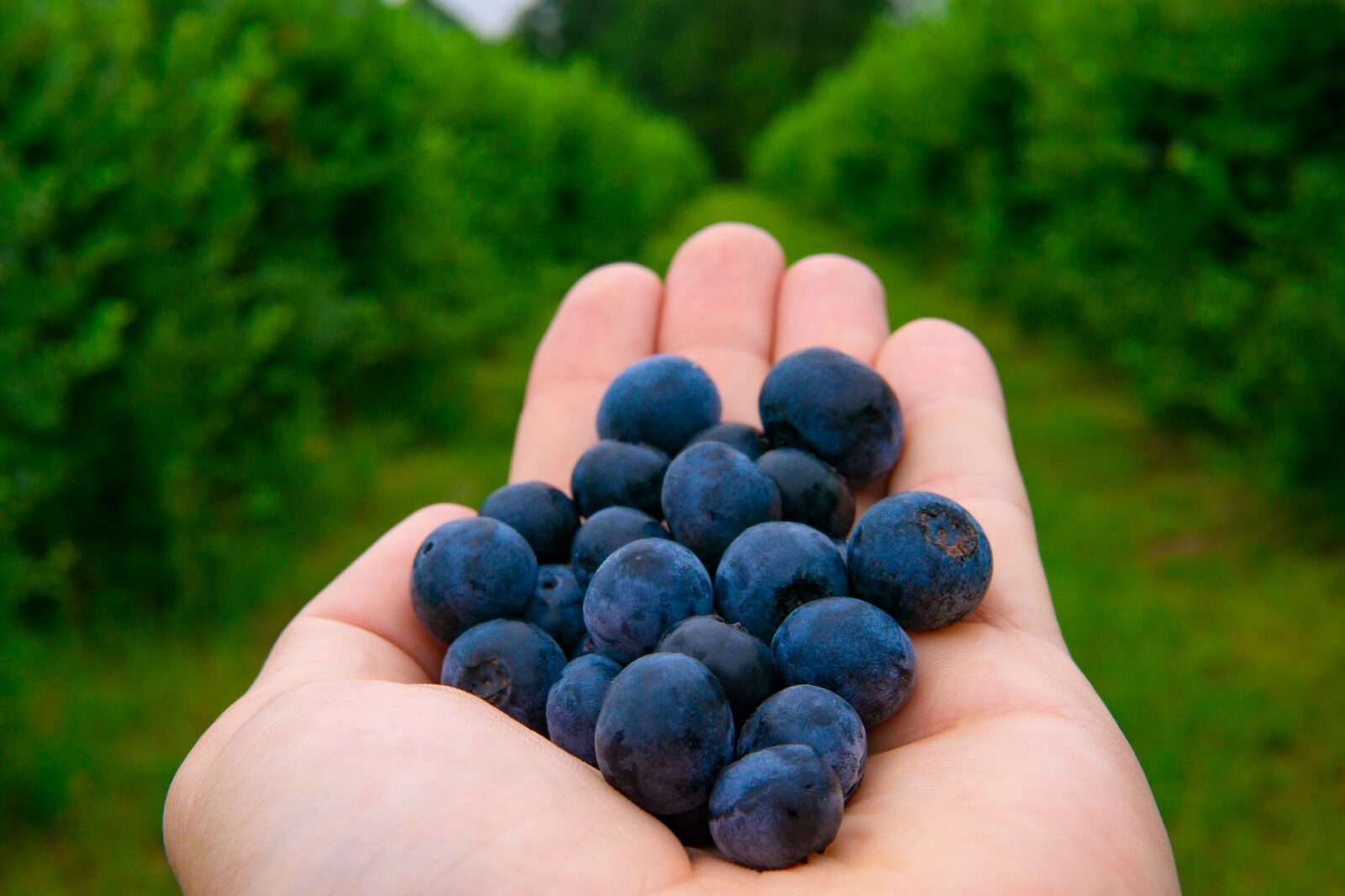
Set in the foothills of the Great Smoky Mountains in Tennessee, Blackberry Farm operates as a working farm and luxury retreat spanning 4,200 acres. The estate includes vegetable gardens, heritage apple orchards, honey apiaries and heritage livestock breeds. Guests can participate in guided berry picking tours, where they harvest strawberries, blueberries and blackberries straight from the field.
Beyond fruit harvesting, the farm offers immersive experiences such as beekeeping demonstrations, cheese making classes and heritage pork butchery workshops. These activities are led by resident farmers and artisans who share generational knowledge. The property’s extensive trail network invites horseback riding, fly fishing and hiking through hardwood forests.
Culinary offerings are central to the Blackberry Farm experience, with three on‑site restaurants that rotate menus according to the harvest. The flagship Hall of Fame dining room presents a multi‑course tasting menu featuring dry‑aged beef, farm‑fresh vegetables and house‑made charcuterie. Wine pairings are drawn from a cellar that emphasizes small‑producer bottles from the United States and abroad.
Babylonstoren: Cape Dutch Gardens and Fruit Picking in South Africa
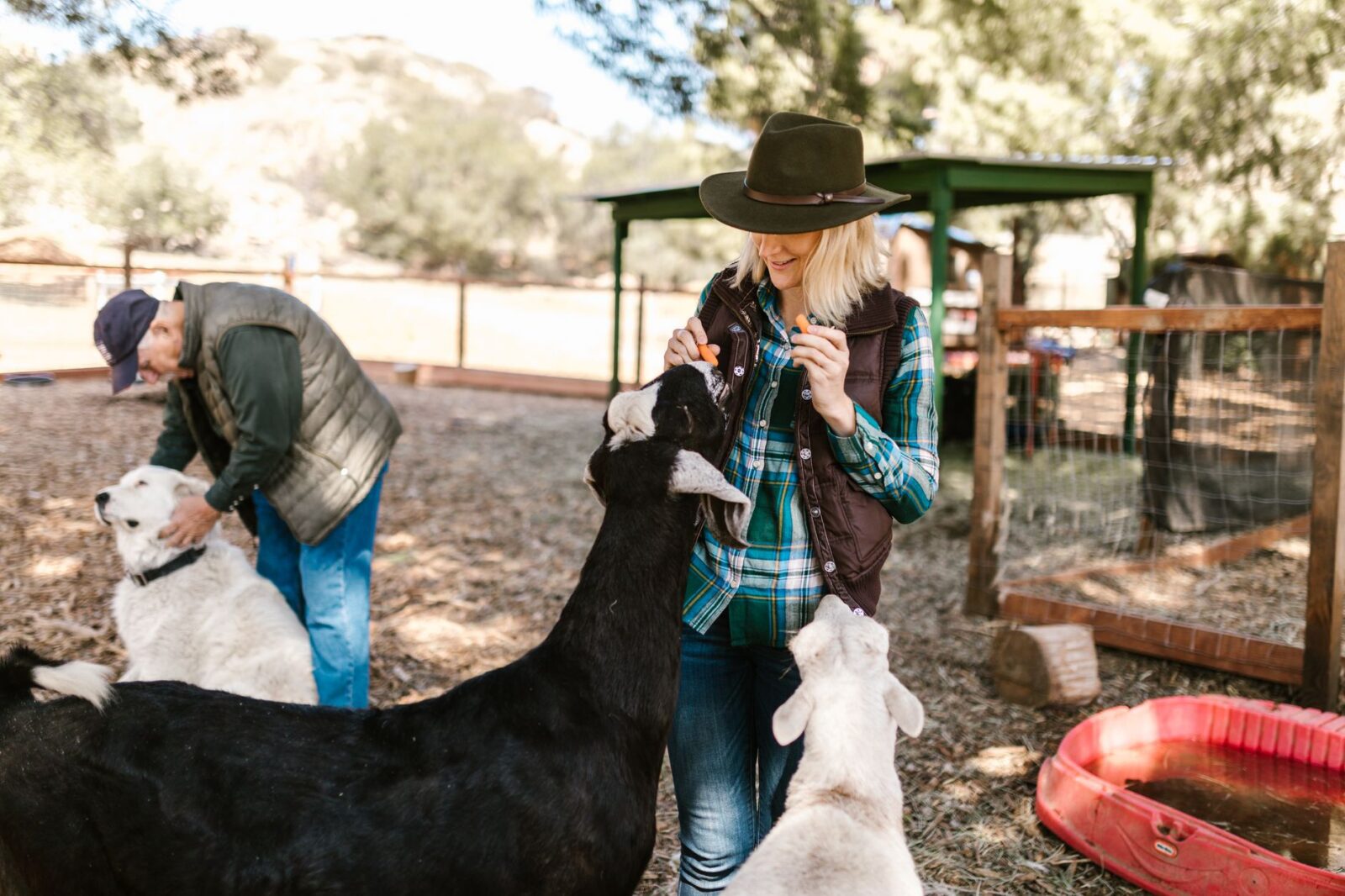
Babylonstoren sits in the fertile Stellenbosch region of South Africa’s Western Cape, surrounded by eight hectares of meticulously tended gardens. The farm grows a diverse array of fruits, vegetables, herbs and flowers, including figs, pomegranates, quince and heirloom tomatoes. Guests are invited to join morning harvest walks, where they can pick ripe produce directly from the vines and beds.
The property’s historic Cape Dutch manor house has been converted into luxurious suites that retain original wooden beams and whitewashed walls. Each room opens onto private terraces overlooking the garden maze or the distant Simonsberg Mountains. A world‑class spa offers treatments that incorporate botanical extracts grown on site, such as rooibos infusions and marula oil.
Dining at Babylonstoren celebrates the farm’s bounty through a series of rotating set menus served in the Greenhouse Restaurant. Dishes often feature freshly picked salads, slow‑cooked lamb with rosemary from the estate’s herb garden and desserts made with figs or grapes harvested that afternoon. Cooking classes teach guests how to preserve fruit through jams, chutneys and traditional South African brews.
El Pretexto: Puerto Rican Coffee Agroforestry and Chicken Coops
El Pretexto is a boutique farm stay nestled in the mountainous interior of Puerto Rico, where coffee agroforestry integrates shade trees, fruit crops and poultry. The property spans 30 acres of cultivated land, featuring rows of arabica coffee plants interplanted with banana, citrus and avocado trees. Guests can wander through the agroforestry lanes, learning how shade‑grown coffee benefits biodiversity and soil health.
Interactive experiences include daily chicken coop visits, where travelers help collect eggs, feed the birds and learn about heritage breeds such as the Rhode Island Red. The farm also offers guided tours of its coffee processing station, demonstrating wet‑milling, drying and roasting techniques. Visitors often participate in cupping sessions to taste the nuanced flavors of freshly roasted beans.
Accommodations consist of eco‑friendly cabanas built from reclaimed wood, each equipped with ceiling fans, mosquito netting and private outdoor showers. Meals are served family‑style in an open‑air dining area, highlighting ingredients harvested that morning such as ripe papayas, fresh herbs and eggs from the coop. Breakfast often includes locally sourced cheese, tropical fruit platters and freshly brewed coffee from the farm’s own roast.
Heckfield Place: English Regenerative Farming and Spa Retreats
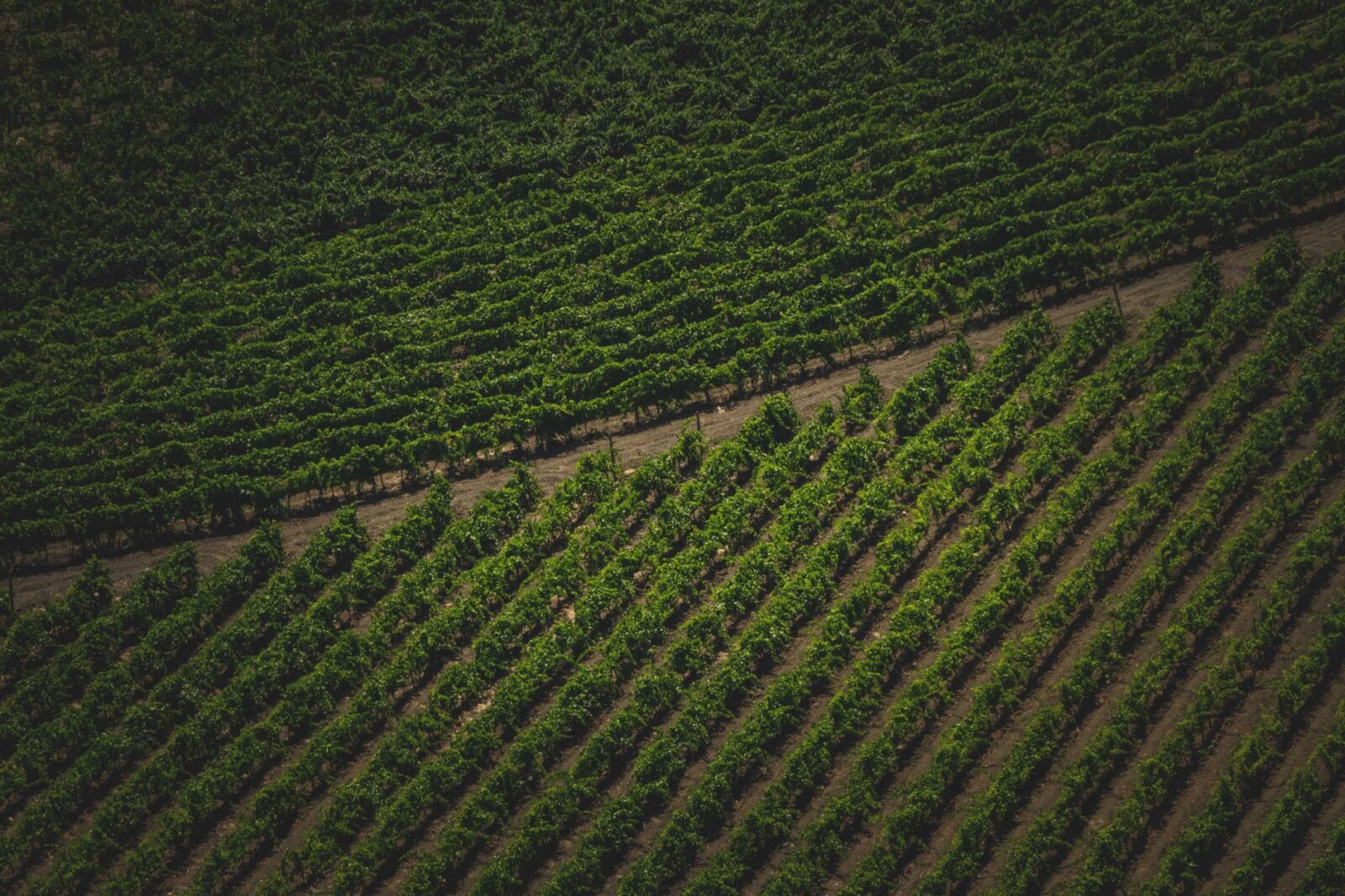
Heckfield Place occupies a 438‑acre estate in Hampshire, England, where regenerative agriculture practices are woven into the guest experience. The farm grows heritage grains, vegetables and raises livestock using holistic management principles that aim to improve soil carbon and biodiversity. Guests can join seasonal activities such as wheat harvesting, vegetable planting and sheep herding demonstrations.
The hotel’s rooms and suites are housed in a restored Georgian mansion and contemporary pavilions, offering a blend of historic architecture and modern design. Amenities include a subterranean spa with a hydrotherapy pool, a crystal‑infused steam room and treatment rooms that use products derived from the estate’s own botanicals. Yoga and meditation sessions are frequently held in the meadow or beneath ancient oak trees.
Culinary philosophy at Heckfield Place centers on the “farm to fork” concept, with menus that change daily based on what is harvested or raised on site. The two Michelin‑starred restaurant, Marle, presents tasting courses that might include estate‑reared lamb, foraged mushrooms and heirloom carrots. A more casual dining venue, The Ordinary, serves dishes such as pork terrine with runner‑bean pickle and locally smoked Norfolk fish, reflecting the estate’s seasonal rhythm.
Capella Kyoto: Japanese Tea Fields and Traditional Ryokan Fusion
Capella Kyoto blends the serenity of a traditional ryokan with the active engagement of a working tea farm located in the Uji region, renowned for its high‑grade matcha. The property surrounds its tea fields, where guests can participate in leaf plucking, steaming and rolling workshops led by certified tea masters. These hands‑on sessions reveal the meticulous steps that transform fresh shoots into the vibrant green powder used in ceremonial matcha.
Accommodations feature tatami‑mat rooms, sliding shoji doors and private open‑air baths that overlook the meticulously maintained garden. The design incorporates natural materials such as cypress wood, washi paper and stone, creating a tranquil atmosphere that echoes centuries‑old Japanese aesthetics. Guests can also enjoy private tea ceremonies in a dedicated tea house, where the host explains the significance of each utensil and gesture.
Dining at Capella Kyoto highlights the estate’s tea and seasonal produce, with kaiseki menus that might include tea‑infused broth, grilled ayu fish from the nearby river and desserts made with matcha‑flavored sweet red bean paste. The hotel’s breakfast spread often features rice porridge topped with pickled vegetables, grilled fish and nori sheets sourced from local fisheries. Seasonal events such as moon‑viewing evenings invite guests to savor thin‑sliced persimmons while listening to traditional koto music.
Planning Your Farm Stay: Costs, Seasons and Booking Tips
Farm stay rates vary widely depending on location, level of luxury and included experiences. In Europe, properties like The Newt in Somerset typically charge between £250 and £450 per night for a double room, inclusive of breakfast and access to farm activities. In the United States, Blackberry Farm’s nightly rates start around $650 USD during peak season, with all‑inclusive packages that cover meals, guided tours and spa access reaching $1,200 USD or more.
Travelers seeking more budget‑friendly options can consider mid‑range farm stays in regions such as Portugal’s Alentejo or South Africa’s Western Cape, where nightly prices often fall between $150 and $250 USD. Many of these properties offer discounts for longer stays, with weekly rates providing a 10‑15 percent savings compared to nightly bookings. It is advisable to check each hotel’s website for seasonal promotions, especially during shoulder seasons when crowds are thinner and prices lower.
Booking timing plays a crucial role in securing preferred dates and room types. Popular farm stays tend to fill up six to twelve months in advance, particularly for harvest‑focused periods such as late summer berry picking or autumn apple festivals. Flexible travelers may find last‑minute availability by monitoring cancellation lists or contacting the property directly via phone. Travel insurance that covers trip interruption is recommended, given the rural settings and potential weather‑related disruptions.
Finally, packing appropriately enhances the farm stay experience. Sturdy walking shoes or boots are essential for navigating fields, orchards and uneven terrain. Light layers, a hat and sunscreen protect against sun exposure during outdoor activities, while a reusable water bottle helps stay hydrated. Some farms provide gardening gloves and aprons, but bringing your own ensures comfort and hygiene during hands‑on workshops such as cheese making or tea rolling.
Stay informed with the latest travel news, visa updates, and destination guides. Follow HimalayanCrest.com for weekly travel intelligence delivered by our editorial team.