

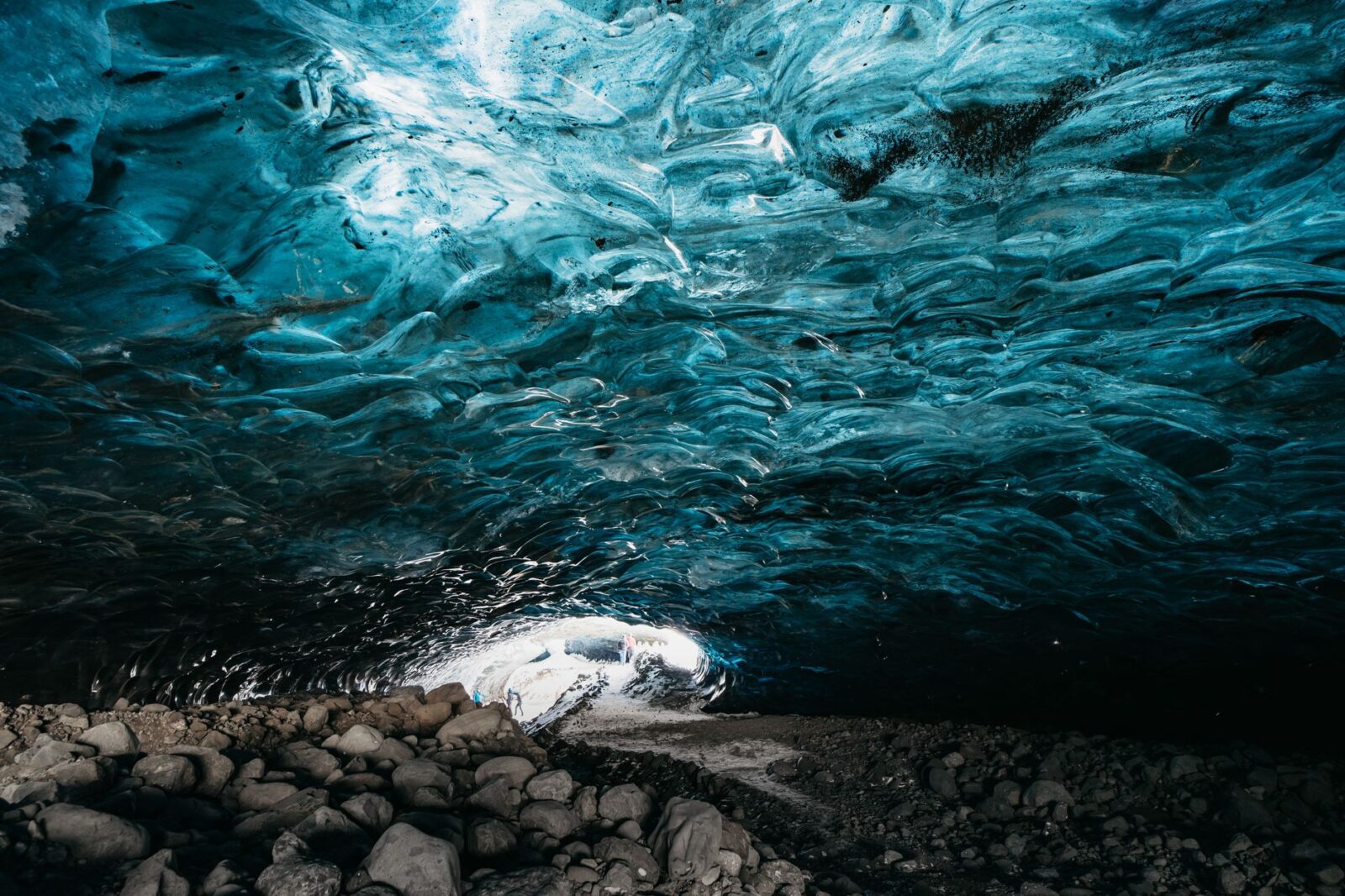
Inside the Ice: How a Glacier Became a Dance Floor
In August 2026, a temporary dance floor was carved into the heart of Langjökull, Iceland’s second‑largest glacier. The event, branded “Into the Glacier,” welcomed exactly one hundred guests who paid $600 each for an eleven‑hour excursion that included transport, gear, and access to the ice cave rave. Inside the glacier, walls of blue‑tinged ice were illuminated by programmable LED strips that pulsed to house and techno beats. Attendees wore winter coats paired with light‑up scarves, glitter‑filled sunglasses, and fur‑lined hoods, creating a surreal contrast between Arctic cold and club heat. The setup required specialized vehicles with reduced tire pressure to navigate the crevassed surface, a detail that added to the expedition’s logistical complexity.
Langjökull covers about 395 square miles and sits in the western highlands, accessible only via modified superjeeps or tracked trucks. The ice cave used for the party is a natural formation that guides widen each year as meltwater carves new passages. Organizers partnered with local glacier guides who monitor ice stability daily, ensuring the cavity remains safe for the limited number of participants. The exclusivity of the experience is reinforced by a strict cap on numbers, which helps preserve the fragile environment while maintaining a high price point.
Guests described the sensation of dancing inside a glacier as “healing” and “otherworldly,” noting the way the ice amplified low frequencies and created a natural reverb. The combination of physical exertion from walking on crampons and the sensory stimulus of lights and music produced a heightened state that many likened to a meditation retreat. This blend of adventure, luxury, and sensory novelty is what organizers market as the pinnacle of last‑chance tourism.
The Eclipse Connection: From Celestial Wonder to All-Night Party
The glacier rave was not an isolated incident but the centerpiece of the Iceland Eclipse festival, held on the Snæfellsnes Peninsula from August 12 to 15, 2026. The festival attracted roughly 3,333 total attendees, many of whom had traveled to witness a total solar eclipse two days prior. After the eclipse, participants shifted from sky‑watching to ground‑based experiences that included cacao ceremonies, whale‑communication lectures, and late‑night raves. The festival’s programming intentionally linked the awe of celestial events with the intimacy of subterranean spaces.
Organizers reported that the eclipse drove a surge in demand for exclusive add‑ons, with the glacier excursion selling out within minutes of release. Ticket bundles that combined eclipse viewing parties, glacier access, and accommodation in nearby rural lodges commanded premium prices, often exceeding $2,000 per person for the full package. The festival’s vibe was described as hippie‑infused, with discussions ranging from AI ethics to ketamine research flowing freely among the crowd.
This pattern reflects a broader trend where rare astronomical phenomena serve as catalysts for high‑end, experiential travel. Travelers increasingly seek to extend the emotional high of a singular event—like an eclipse, meteor shower, or aurora—through curated, immersive activities that are difficult to replicate elsewhere. The glacier rave exemplifies how organizers layer multiple scarcity drivers: a limited‑time natural event, a remote location, and a capped participant count.
Why Travelers Are Flocking to Disappearing Ice
Underlying the allure of glacier parties is a growing awareness that Iceland’s ice masses are shrinking at an accelerated rate. Satellite data from the Icelandic Meteorological Office shows Langjökull losing roughly 0.8 meters of thickness per year, a rate that has doubled since the early 2000s. The visual evidence of retreat—exposed moraines, forming lakes at glacier termini, and increased sediment runoff—has turned the ice itself into a “last chance” destination.
Psychologists term this phenomenon “last‑chance tourism,” where visitors prioritize seeing fragile ecosystems before they undergo irreversible change. In Iceland, the narrative is reinforced by media coverage of calving events and the emergence of new landforms as ice recedes. Travelers who participate in glacier raves often cite a desire to “feel” the ice before it vanishes, transforming a recreational outing into a quasi‑pilgrimage.
Demographic data from the festival indicates that attendees skew toward professionals aged 28‑45 from North America, Western Europe, and increasingly from urban centers in Asia and the Middle East. Many report high disposable income and a willingness to spend on experiences that combine adventure, luxury, and a sense of urgency. Social media amplification—particularly short‑form video clips of dancing inside blue ice—has further fueled interest, creating a feedback loop where visibility drives demand.
The Economics of Exclusivity: Costs and Access
Participating in the glacier rave requires a significant financial commitment. The base “Into the Glacier” package is priced at $600 per person, which covers round‑trip transport from the festival base camp, specialized glacier gear (crumpons, insulated suits, helmets), guide fees, and access to the ice cave. This fee does not include accommodation, meals, or festival tickets, which can add another $800‑$1,200 depending on lodging choices.
For travelers seeking the full eclipse‑plus‑glacier experience, total out‑of‑pocket costs often range between $1,800 and $2,500. This places the activity firmly in the luxury adventure segment, comparable to private yacht charters in the Mediterranean or guided Antarctic expeditions. The high price point serves multiple purposes: it limits environmental impact by keeping numbers low, it funds glacier monitoring and safety infrastructure, and it creates a perception of rarity that enhances desirability.
Payment methods typically involve online booking through the festival’s official portal, with refund policies tied to weather and ice safety assessments. Organizers advise booking at least three months in advance, as the limited capacity sells out quickly. Last‑minute cancellations due to sudden melt events are possible, though refunds are usually offered in the form of credit for future dates.
Environmental Footprint: Partying on a Melting Giant
While the glacier rave is marketed as a low‑impact, high‑value experience, hosting a party inside a shifting ice mass raises legitimate environmental concerns. The primary impact stems from vehicle traffic: superjeeps with low tire pressure emit particulates and can disturb fragile surface vegetation along the approach routes. Organizers mitigate this by using established tracks, limiting the number of trips per day, and offsetting carbon emissions through verified reforestation projects in Iceland.
Inside the glacier, the temporary installation of LED lighting, sound equipment, and wiring draws power from portable generators that run on low‑sulfur diesel. These generators are placed outside the ice cavity, with cables fed through insulated conduits to minimize heat transfer. Waste management protocols require participants to pack out all trash, and biodegradable soap is mandated for any washing stations.
Scientists from the University of Iceland’s Institute of Earth Sciences have begun monitoring the micro‑climate inside the party cave, measuring temperature fluctuations and aerosol deposition from glitter and synthetic fabrics. Early findings suggest that, for a limited number of events per year, the added heat load is negligible compared to natural melt rates. However, they caution that scaling up frequency or duration could accelerate localized weakening of the ice structure.
Travelers concerned about their ecological footprint can choose operators that publish detailed sustainability reports, participate in voluntary carbon‑offset programs, and adhere to the Leave No Trace principles even in extreme environments.

What This Means for Future Luxury Travel in Iceland
The success of the glacier rave signals a shift in how luxury travel operators conceptualize exclusivity in the age of climate change. Rather than relying solely on static amenities like five‑star hotels or private villas, providers are increasingly packaging ephemeral natural phenomena—eclipses, auroras, volcanic eruptions—with time‑bound, high‑touch adventures. This model leverages scarcity not just of space, but of temporal windows that will not repeat in the same form.
Industry analysts predict a rise in similar offerings across Iceland’s cryosphere, including potential raves inside lava tubes, midnight concerts on iceberg lagoons, and guided ski descents on retreating glaciers that conclude with alpine après‑ski parties. Each concept would need to balance guest experience with rigorous environmental monitoring, likely involving partnerships with local research institutions.
Regulatory bodies are beginning to take notice. The Icelandic Tourism Board has drafted guidelines for “high‑impact, low‑volume” events that require environmental impact assessments, real‑time glacier monitoring plans, and caps on participant numbers tied to annual melt measurements. Operators who comply may receive a sustainability badge that can be used in marketing, adding another layer of differentiation.
For travelers, this evolving landscape means that future luxury trips will demand greater flexibility and awareness of changing conditions. Booking far in advance remains advantageous, but travelers should also purchase travel insurance that covers itinerary changes due to sudden environmental shifts, such as unexpected glacier crevasse openings or flood events from meltwater.
Practical Tips for Those Considering a Glacier Rave
If you are contemplating a trip to experience a glacier rave, start by confirming the event dates well ahead of time. The Iceland Eclipse festival typically announces its lineup six months prior, with glacier excursion tickets released shortly after. Setting a calendar reminder for the ticket release window can improve your chances of securing a spot.
Invest in appropriate base layers: merino wool or synthetic thermal tops and bottoms, a mid‑layer fleece, and a waterproof, breathable outer shell. Even though you will be active, the ambient temperature inside the ice cave can hover around ‑5°C to ‑10°C, and wind chill on the approach can be severe. Insulated, waterproof boots compatible with crampons are essential; many operators provide rental gear, but bringing your own ensures fit and comfort.
Prepare for the physical demands of walking on uneven ice for several hours. Basic cardiovascular fitness and ankle stability help prevent fatigue and reduce the risk of slips. Some guests find it useful to do a few short hikes with a loaded backpack in the weeks prior to the trip to simulate the experience of carrying gear.
Finally, respect the environment. Follow all guide instructions regarding where to walk, avoid touching the ice with bare hands (which can accelerate melting), and pack out every item you bring in, including biodegradable wipes. Treat the glacier not just as a venue but as a living system that deserves stewardship, ensuring that future travelers can also witness its beauty.
FAQ: Your Questions About Iceland’s Glacier Parties
How do I book a spot at a glacier rave, and how far in advance should I plan?
Bookings are handled through the festival’s official website or authorized partners. Tickets for the glacier excursion are usually released three to four months before the event date and sell out within hours due to the strict limit of one hundred participants. It is advisable to create an account on the portal early, enable notifications for ticket releases, and have payment details ready. Travelers should also book accommodation and flights at least two months ahead, as nearby lodging fills quickly during the festival window.
What is the total cost if I want to attend both the eclipse viewing and the glacier rave?
The base glacier excursion costs $600 per person. Adding a standard festival ticket (which includes access to lectures, ceremonies, and nightly parties) averages around $250. Accommodation in mid‑range guesthouses or eco‑lodges near the Snæfellsnes Peninsula ranges from $150 to $250 per night, and most visitors stay three to four nights. Meals, gear rental (if not included), and local transport can add another $200‑$300. Consequently, a comprehensive package typically falls between $1,800 and $2,500 per person.
Are there any age or health restrictions for participating in the glacier rave?
Most operators require participants to be at least 18 years old due to the physical demands and the environment’s inherent risks. There is no upper age limit, but guests should possess a reasonable level of mobility, balance, and cardiovascular health. Individuals with severe respiratory conditions, uncontrolled hypertension, or recent surgeries should consult a physician before booking. Guides conduct a brief safety briefing and may turn away anyone deemed unable to handle the terrain or the cold.
What measures are in place to protect the glacier during these events?
Environmental safeguards include limiting the number of daily trips to the ice cave, using established vehicle tracks to avoid creating new ruts, and employing low‑emission generators for power. Guides monitor ice thickness and stability each morning, adjusting or canceling excursions if safety thresholds are not met. All waste must be packed out, and participants are required to use biodegradable soap for any washing. Additionally, a portion of each ticket price funds ongoing glacier research and carbon‑offset initiatives managed by local environmental NGOs.
If the glacier conditions change unexpectedly, what happens to my booking?
Organizers build flexibility into their contracts. If guides determine that the ice cave is unsafe due to sudden melt, fracturing, or adverse weather, the excursion is postponed or canceled. In such cases, travelers are typically offered a full refund or the option to apply their payment toward a future date, subject to availability. Travel insurance that covers “tour operator cancellation” is recommended to mitigate any non‑refundable expenses like flights or pre‑booked accommodation.
Stay informed with the latest travel news, visa updates, and destination guides. Follow HimalayanCrest.com for weekly travel intelligence delivered by our editorial team.