


Corumbá Launches Public Consultation to Shape Pantanal Tourism Future
On 4 September 2026, the municipal government of Corumbá announced a public tourism consultation scheduled for 10 September 2026. The session invites local tourism authorities, businesses, researchers, workers and residents to discuss the city’s tourism strengths, weaknesses, identity and future priorities. This consultation is the first step in creating a municipal Destination Management and marketing plan for the Pantanal gateway. No final strategy, budget or infrastructure programme exists yet, but the process will guide promotion, conservation, investment and year‑round tourism.
The Pantanal, the world’s largest tropical wetland, spans Brazil, Bolivia and Paraguay and draws visitors for wildlife safaris, birdwatching and cultural festivals. Corumbá sits on the Bolivian border in Mato Grosso do Sul and serves as a primary entry point for travelers exploring the northern Pantanal. By gathering community views now, officials hope to align tourism development with environmental protection and local livelihoods.
Our research shows that destination management plans that incorporate stakeholder input tend to produce more sustainable outcomes. Seasoned travelers report that well‑managed gateways reduce overcrowding, improve guide quality and extend visitor stays. The upcoming consultation therefore matters not only for Corumbá residents but also for anyone planning a Pantanal adventure in the coming years.
What the Destination Management Plan Entails
The plan being drafted will cover promotion, positioning, visitor management and marketing strategies for Corumbá as a tourism destination. Officials say it will examine current tourism products, identify gaps and set priorities for future investment. The process may eventually influence how the city promotes its natural attractions, cultural events and adventure offerings.
Although no completed strategy exists yet, the consultation will produce a draft framework that could later be turned into a formal policy. This framework will address issues such as seasonality, infrastructure needs, guide training and environmental safeguards. Travelers can expect that any resulting policies will aim to spread tourism benefits throughout the year rather than concentrating them in the high‑season months.
Key topics likely to emerge include improving accessibility to remote lodges, expanding interpretive signage along wildlife trails and supporting community‑based tourism initiatives. The plan may also consider ways to mitigate the impact of seasonal flooding on transport routes and accommodation.
Afrotourism Highlight: Kaô de Xangô Circuit Gains National Recognition
Parallel to the destination management work, Corumbá’s Afrotourism offering has earned national acclaim. The Circuito Kaô de Xangô, a tour that introduces visitors to the Banho de São João ritual rooted in Afro‑Brazilian heritage, was selected as a finalist for the 2026 Braztoa Sustainability Award. The experience is part of the Bela Oyá Pantanal route and takes place during the traditional São João festivities on 22 and 23 June.
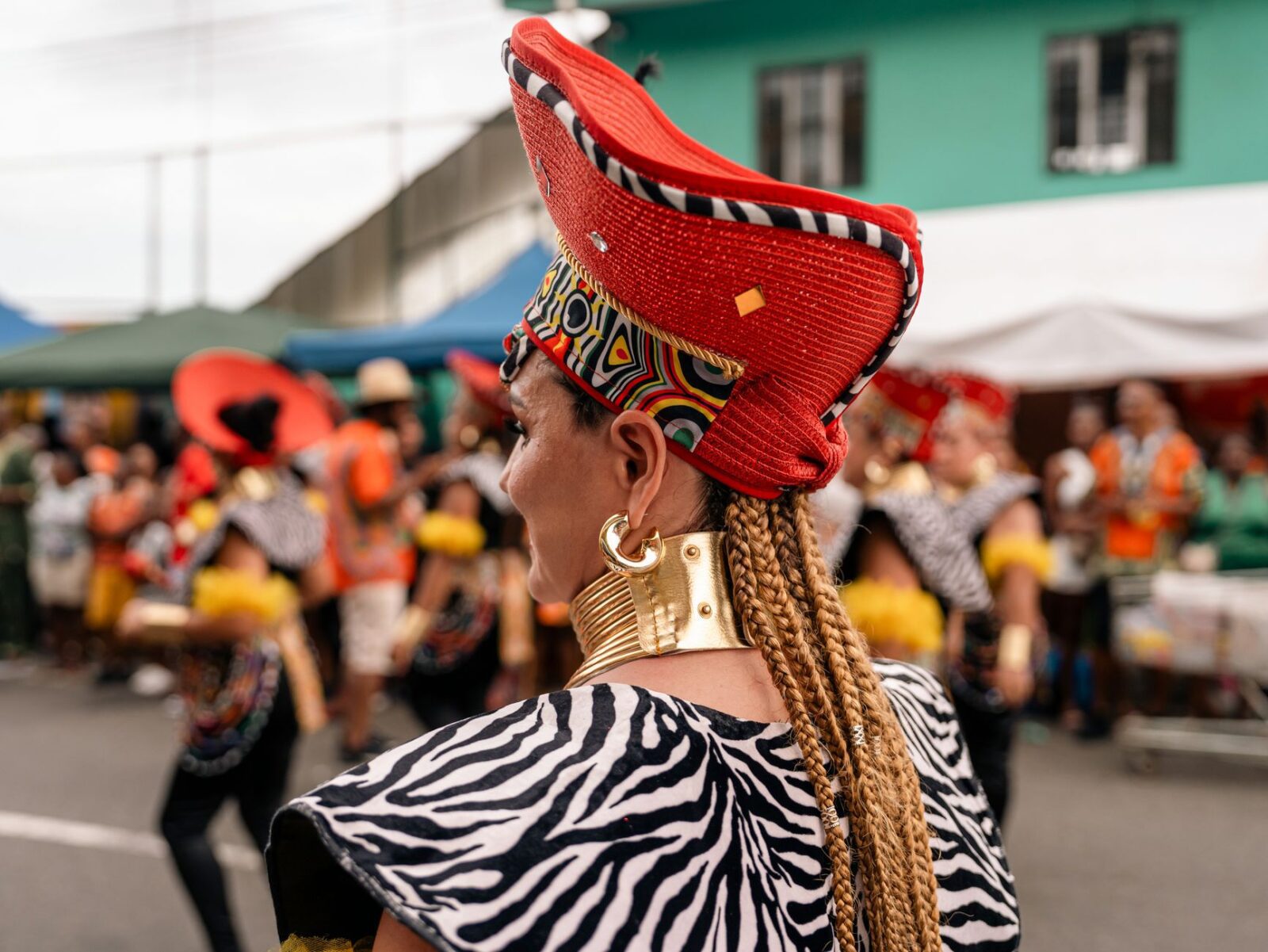
The circuit blends storytelling, music, dance and culinary traditions that trace back to the African diaspora in the Pantanal region. Participants learn about the historical significance of the Banho de São João, a cleansing bath that honors both Catholic and Candomblé beliefs. Local guides, many of whom are descendants of the original communities, lead the tours and share oral histories that are rarely found in mainstream guidebooks.
Recognition at the national level signals growing interest in culturally immersive travel experiences. For travelers, this means an opportunity to engage with a living heritage that complements the Pantanal’s natural wonders. The finalist status may also attract additional funding and promotional support for the circuit in the near future.
Urban Rehabilitation Funding Boosts Infrastructure Prospects
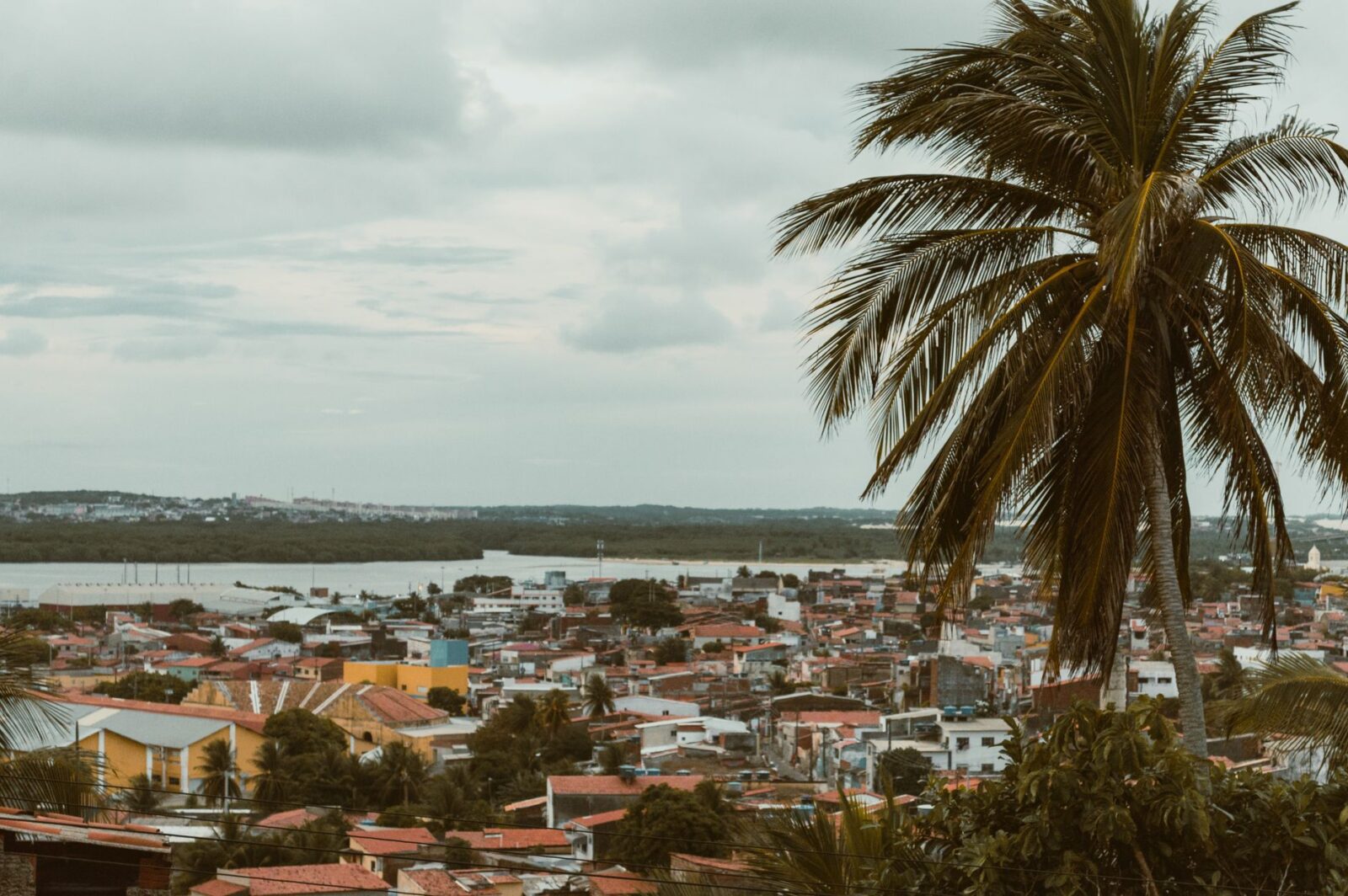
In early September 2026, the federal government approved two major funding packages for Corumbá’s urban rehabilitation. The first allocation of R$ 62.5 million (approximately USD 12.5 million) will finance improvements to public roads, historic site recovery and community spaces. The second package, worth R$ 66 million (about USD 13.2 million), comes from a federal urban development program administered through Caixa Econômica Federal.
These funds aim to upgrade the city’s basic infrastructure, which directly affects the visitor experience. Better roads reduce travel time to lodge access points, while revitalized historic centers can become attractive cultural stops for tourists. Improved sanitation and public lighting also enhance safety and comfort for both residents and guests.
Our research indicates that destinations that invest in urban renewal often see a rise in visitor satisfaction scores and longer average stays. For travelers planning a trip to Corumbá, the upcoming works may mean smoother transfers from the airport or bus terminal to hotels and tour operators.
Lago Corumbá IV Emerges as New Tourist Pole
Beyond the city limits, Lago Corumbá IV, a reservoir that spans seven municipalities in Goiás (five of them in the Federal District surroundings), is gaining traction as a tourism destination. Recent reports describe the lake as a growing pole for ecotourism, water sports and regional development. Its scenic shoreline and proximity to major highways make it an accessible alternative for visitors seeking lake‑based activities.
The lake’s rise complements Corumbá’s river‑focused offerings by providing another water‑based attraction within a reasonable drive. Travelers can combine a Pantanal wildlife excursion with a few days of relaxation on the lake’s shores, enjoying fishing, kayaking or simply watching the sunset over the water.
This diversification of attractions helps spread tourism pressure across a wider geographic area, reducing the risk of overuse in any single spot. For the Pantanal region, having multiple draws encourages longer itineraries and higher overall spending per visitor.
What This Means for Travelers: Practical Implications and Costs
At present, the consultation and planning stages do not alter entry requirements, visa rules or transport connections to Corumbá. Travelers will still need a valid passport and, depending on nationality, a tourist visa or visa‑waiver approval to enter Brazil. The nearest international airport remains Campo Grande (CGR), with domestic flights connecting to Corumbá’s airport (CMG).
However, the upcoming destination management plan could influence several practical aspects of a future trip:
- Accommodation pricing: If the plan successfully extends the tourism season, travelers may find more competitive rates during the shoulder months of April‑May and September‑October.
- Guide quality: Investment in training and certification could lead to more knowledgeable local guides, enhancing wildlife spotting and cultural interpretation.
- Infrastructure reliability: Improved roads and utilities may reduce travel delays, especially during the rainy season when flooding can affect rural routes.
- Cultural experiences: Growth of Afrotourism circuits like Kaô de Xangô may add new tour options that combine nature with heritage.
Budget‑conscious travelers should note that the current average cost for a three‑day Pantanal lodge package from Corumbá ranges from USD 250 to USD 400 per person, inclusive of meals, guided tours and transfers. Luxury lodges can exceed USD 600 per night. Anticipated infrastructure upgrades may not dramatically shift these figures in the short term, but they could improve value for money by reducing travel time and increasing activity options.
Looking Ahead: Timeline and Expectations for the Pantanal Gateway
The municipal government has not announced a firm date for completing the Destination Management and marketing plan. After the 10 September consultation, officials will compile feedback, draft a proposal and seek approval from the city council. This process could take several months, with a tentative completion window sometime in early 2027.
Once adopted, the plan will likely be implemented in phases, beginning with quick‑win actions such as signage upgrades and guide training workshops. Larger infrastructure projects, dependent on the urban rehabilitation funds, may start in late 2027 or 2028, contingent on bidding and environmental licensing.
For travelers, the best approach is to monitor official announcements from the Corumbá tourism secretariat and the Brazilian Ministry of Tourism. Subscribing to regional travel newsletters or following reputable Pantanal tour operators on social media can provide timely updates on new services, route changes or special events.
Seasoned travelers recommend flexibility when planning a Pantanal trip during this transitional period. Booking refundable accommodations and keeping an eye on local festival calendars — such as the São João celebrations in June — can help visitors make the most of emerging opportunities while avoiding potential construction disruptions.
FAQ: Your Questions About Visiting Corumbá and the Pantanal Answered
Do I need a visa to visit Corumbá as a foreign tourist?
Visa requirements depend on your passport. Citizens of many South American, European and Asian countries can enter Brazil visa‑free for stays up to 90 days. Travelers from the United States, Canada and Australia typically need an electronic visa (e‑visa) obtained online before departure. Always check the latest entry rules on the official Brazilian government portal (https://www.gov.br) close to your travel date.
What is the best time of year to visit the Pantanal for wildlife viewing?
The dry season, roughly from May to September, offers the best wildlife sightings as animals congregate around remaining water sources. The wet season (October to April) brings lush landscapes and abundant birdlife, but some remote lodges may be harder to reach due to flooding.
How can I experience the Afrotourism Circuito Kaô de Xangô?
The circuit operates primarily during the São João festivities in June, but some operators offer adapted versions year‑upon request. Bookings are best made through locally owned tour agencies in Corumbá that specialize in cultural tours. Prices generally range from USD 50 to USD 80 per person for a half‑day experience, including transport, guide and a traditional meal.
Are there any health precautions I should take before traveling to the Pantanal?
Travelers should consult a healthcare professional about vaccinations for yellow fever, hepatitis A and typhoid, depending on their itinerary. Malaria risk is low in the southern Pantanal but present in northern zones; prophylactic medication may be advised. Using insect repellent, wearing long sleeves and sleeping under mosquito nets are standard precautions.
Will the ongoing urban rehabilitation projects affect my travel plans?
Most works are focused on improving roads, utilities and public spaces within the city center. While occasional lane closures or detours may occur, major transport corridors to the airport and bus terminal are expected to remain open. Checking with your accommodation or tour operator a few days before arrival can provide the most current information on any temporary disruptions.
Stay informed with the latest travel news, visa updates, and destination guides. Follow HimalayanCrest.com for weekly travel intelligence delivered by our editorial team.