

Why the Mediterranean Is Ideal for First‑Time Cruisers
The Mediterranean offers a mix of ancient history, vibrant cultures, and stunning coastlines that are easy to explore from a cruise ship. First‑time cruisers benefit from relatively short sailing times between ports, which means less time at sea and more time ashore. The region’s well‑developed port infrastructure makes embarkation and disembarkation smooth, even for larger vessels. Many cruise lines offer English‑speaking staff and clear signage, reducing language barriers for international travelers. Overall, the Mediterranean provides a comfortable introduction to cruising while delivering rich, varied experiences.
Top 5 Mediterranean Itineraries for 2026‑2027
1. Western Mediterranean Loop – Barcelona, Marseille, Genoa, Rome (Civitavecchia), Naples, Palermo, and back to Barcelona. This 7‑night route highlights iconic cities, world‑class cuisine, and easy access to historic sites like the Colosseum and Pompeii. Shore excursions often include guided walking tours, wine tastings in Tuscany, and a visit to the Amalfi Coast.
2. Eastern Mediterranean Explorer – Athens, Mykonos, Kusadasi (Ephesus), Rhodes, Istanbul, and Santorini. Over 10 nights you’ll see ancient ruins, vibrant bazaars, and breathtaking caldera views. Recommended excursions: a private guide to the Acropolis, a jeep safari in Rhodes, and a Bosphorus cruise in Istanbul.
3. Adriatic & Greek Isles – Venice, Dubrovnik, Kotor, Corfu, Zakynthos, and Athens. This itinerary blends Dalmatian charm with Greek island beauty. Highlights include a gondola ride in Venice, a walk along Dubrovnik’s city walls, and a sunset dinner in Oia, Santorini.
4. Madeira & Canary Islands Discovery – Lisbon, Madeira (Funchal), Tenerife, Gran Canaria, Casablanca, and return to Lisbon. A 12‑night voyage that offers subtropical scenery, volcanic landscapes, and a taste of North African culture. Excursion ideas: levada walks in Madeira, Teide National Park tour, and a guided tour of Casablanca’s Hassan II Mosque.
5. Winter Sun Escape – Malta, Sicily, Tunisia, and Spain’s Costa del Sol. Perfect for travelers seeking milder weather from November to February. Highlights: exploring Valletta’s baroque architecture, touring the Valley of the Temples in Agrigento, and a flamenco show in Seville.
Cruise Line Comparison: Big Ships vs. Small Luxury Vessels
Large mainstream lines such as MSC, Costa, and Royal Caribbean operate ships carrying 3,000‑5,000 passengers. They provide abundant entertainment options, multiple dining venues, and extensive kids’ clubs, making them attractive for families. However, the sheer size can lead to crowded public areas, longer lines for embarkation, and a less personal atmosphere.
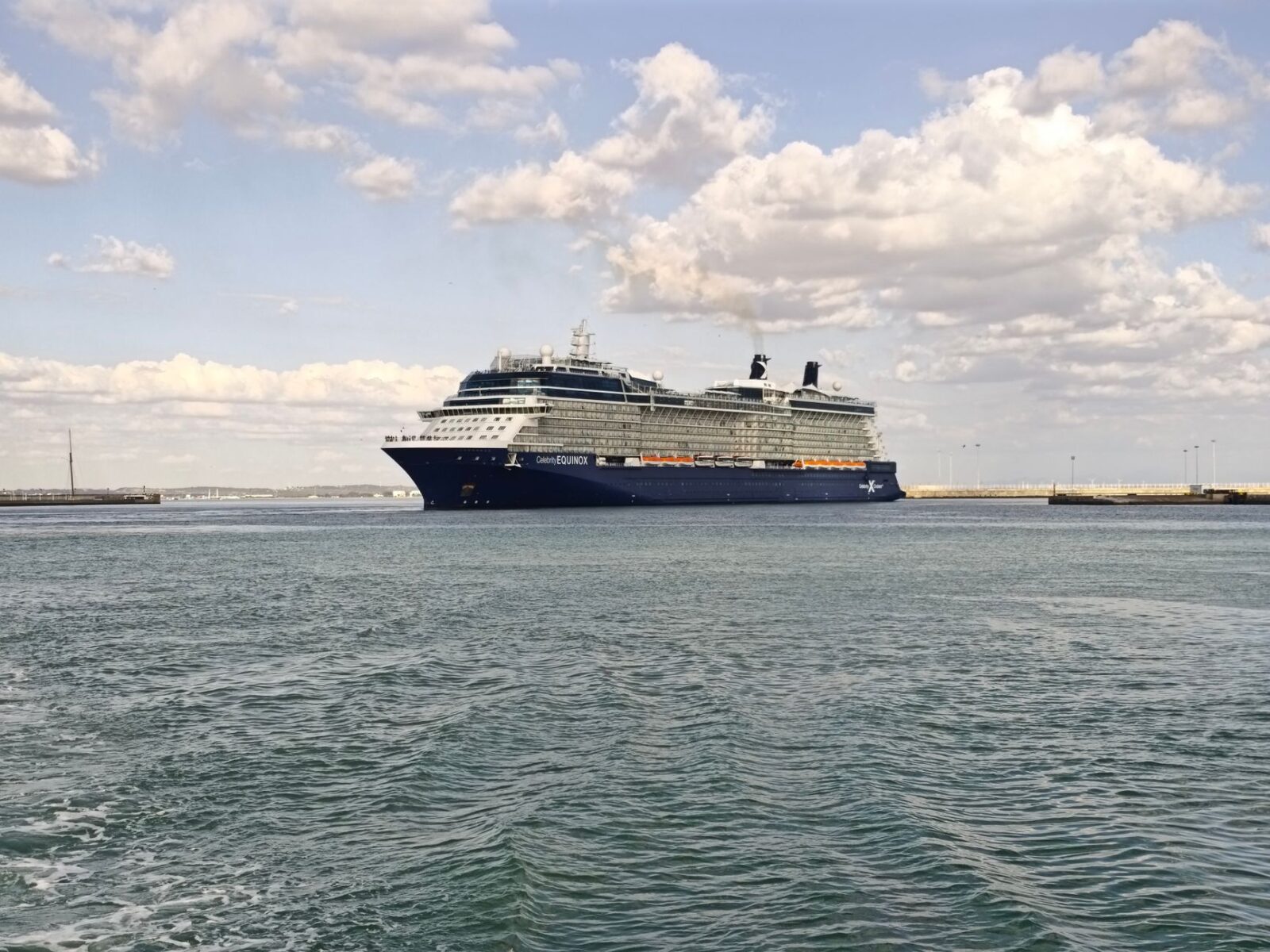
Mid‑size premium lines like Celebrity Cruises and Holland America Line host 2,000‑3,000 guests. They strike a balance between variety and intimacy, offering specialty restaurants, enriched enrichment programs, and more spacious decks. Celebrity Xcel, for example, introduced overnight stays in Madeira in 2026, allowing guests to experience the island like a local.
Small luxury vessels from Silversea, Seabourn, and Viking Ocean Cruises accommodate fewer than 600 passengers. These ships often feature all‑inclusive fares that cover gratuities, wines, spirits, and select shore excursions. The trade‑off is a higher base fare and fewer onboard entertainment options, but guests enjoy personalized service, access to smaller ports, and a quieter environment.

Cabin Choices and Realistic Price Ranges (USD)
Inside cabins are the most economical choice, typically ranging from $600 to $900 per person for a 7‑night Mediterranean cruise on a mainstream line. They offer no window but provide comfortable bedding and ample storage. On luxury lines, inside cabins start around $1,300 per person due to the all‑inclusive nature of the fare.
Outside (oceanview) cabins add a porthole or window and usually cost $800‑$1,200 per person on mainstream ships. On premium lines, expect $1,500‑$2,200, while small luxury ships may charge $2,500‑$3,500 for similar accommodations.
Balcony cabins are popular for their private outdoor space. Mainstream balcony fares fall between $1,000 and $1,500 per person for a week‑long itinerary. Premium lines ask $2,000‑$2,800, and luxury vessels often start at $3,200 and can exceed $5,000 for suite‑style balconies with butler service.
Suites vary widely. Junior suites on large ships begin at $1,800 per person, while flagship suites on luxury lines can reach $8,000‑$12,000 for the same voyage, reflecting expansive living areas, priority boarding, and exclusive lounge access.
Onboard Experience: Food, Entertainment, and What’s Included
Mainstream cruise lines typically include breakfast, lunch, and dinner in the main dining room and buffet, as well as casual snacks like pizza, ice cream, and fruit. Specialty restaurants (steakhouse, sushi, Italian) usually carry a cover charge of $25‑$45 per person. Beverages such as soda, premium coffee, and alcohol are extra unless you purchase a drink package.
Entertainment on big ships features Broadway‑style shows, comedy clubs, casinos, and multiple pools. Activities like rock‑climbing walls, surf simulators, and kids’ aqua parks are generally free, while spa treatments, fitness classes, and shore‑excursion bookings incur additional fees.
On premium and luxury vessels, the fare often covers a wider array of inclusions: specialty dining, unlimited wines and spirits with meals, gratuities, and sometimes Wi‑Fi. Entertainment tends to be more enrichment‑focused—destination lectures, classical concerts, and cultural performances—though live music and dancing venues remain available.
Regardless of ship size, most lines offer a daily newsletter outlining activities, dining options, and port information. It’s wise to review this each evening to plan the next day and avoid missing complimentary offerings.
Full Budget Breakdown: Gratuities, Drinks, Excursions, Wi‑Fi
Gratuities (also called service charges) are automatically added to your onboard account. On mainstream lines, expect $14‑$18 per person per day; premium lines may charge $16‑$20, while luxury lines often include gratuities in the fare. For a 7‑night cruise, budget $100‑$140 per person for tips if not prepaid.
Drink packages vary widely. A soda package costs about $8‑$10 per day. A non‑alcoholic specialty beverage package (mocktails, premium coffee) runs $12‑$15 per day. An unlimited alcohol package averages $55‑$65 per day on mainstream ships, though prices can climb to $80 on luxury lines. Many travelers find that purchasing a package only makes sense if they plan to consume several drinks daily.
Shore excursions sold through the cruise line range from $40 for a simple city walk to $200+ for private guided tours or adventure activities like scuba diving. Independent operators often offer similar experiences at 20‑30% lower cost, but you must ensure you return to the ship on time. Allocate $150‑$300 per port for excursions if you plan a mix of guided and self‑guided activities.
Wi‑Fi pricing has dropped in recent years. Most lines offer a social‑media package (limited to WhatsApp, Facebook, Instagram) for $5‑$7 per day. Full‑access packages for streaming and video calls cost $12‑$20 per day. Some luxury lines include basic Wi‑Fi gratis, while premium lines may offer a limited free allowance with paid upgrades.
Additional expenses to consider: specialty restaurant fees ($25‑$45 per visit), spa treatments ($100‑$200 per session), laundry ($2‑$5 per item), and onboard shopping or casino play. A realistic total budget for a 7‑night Mediterranean cruise, excluding flights, ranges from $1,200 to $2,500 per person on a mainstream line, and from $2,800 to $6,000 per person on a small luxury vessel when you add drinks, excursions, and gratuities.
When to Book, Finding Deals, and Loyalty Program Tips
Industry experts recommend booking Mediterranean cruises 6‑9 months before departure to secure the best cabin selection and early‑bird discounts. For summer sailings (June‑August), look for promotions launching in January‑February. Winter departures (November‑February) often see price drops in September‑October as lines fill remaining cabins.
Monitor cruise line websites, reputable travel agencies, and deal aggregators like CruiseCritic or Vacations To Go. Signing up for email alerts can flash‑sale notifications, such as “kids sail free” or reduced deposit offers. Traveling during shoulder seasons (April‑May, September‑October) typically yields lower fares and milder weather while still offering plenty of sunshine.
Loyalty programs reward repeat cruisers with points that can be redeemed for onboard credit, cabin upgrades, or priority embarkation. MSC Voyagers Club, Celebrity Captain’s Club, and Silversea’s Venetian Society all offer tiered benefits. Even as a first‑time cruiser, enrolling early lets you start accruing points for future voyages, and some lines provide a welcome bonus simply for creating an account.
Consider using a travel rewards credit card that offers bonus points on travel purchases; many cards let you transfer points to cruise line partners or redeem them as statement credits to offset your fare. Always read the fine print regarding blackout dates and cancellation policies before committing.
FAQ: What First‑Time Cruisers Actually Ask
Do I need a visa for Mediterranean ports? Most U.S., Canadian, EU, Australian, and Japanese citizens can visit Schengen countries (Italy, France, Spain, Greece) for up to 90 days without a visa. For non‑Schengen stops like Turkey or Morocco, check the specific entry requirements; many nationalities can obtain an e‑visa or visa on arrival.
Is seasickness a big problem on Mediterranean cruises? The Mediterranean is generally calmer than open‑ocean routes, but rougher conditions can occur, especially in winter or when crossing the Strait of Gibraltar. Choosing a mid‑ship cabin on a lower deck reduces motion sensitivity. Over‑the‑counter remedies like meclizine or acupressure bands work well for most travelers.
Can I bring my own alcohol or snacks onboard? Cruise lines typically prohibit passengers from bringing liquor or beer aboard; any alcohol purchased in port will be held by security until the end of the voyage. Sealed, non‑perishable snacks are usually allowed, but fresh fruits or homemade meals may be restricted for agricultural reasons.
What is the dress code for evenings? Most lines have “casual elegant” nights where collared shirts, dresses, or nice separates are expected. Formal nights are rare on Mediterranean itineraries; if present, a dark suit or cocktail dress suffices. Swimwear is limited to pool areas, and shoes are required in dining venues.
How do I stay connected with family back home? Besides purchasing an onboard Wi‑Fi package, you can use free Wi‑Fi in many ports (cafés, hotels, public squares). Some travelers opt for an international SIM card or a global eSIM plan that offers data coverage across multiple countries at a lower daily rate than ship‑provided internet.
Stay informed with the latest travel news, visa updates, and destination guides. Follow HimalayanCrest.com for weekly travel intelligence delivered by our editorial team.