

Filming Alaska in the South Island: How the Illusion Was Made
The survival thriller Heart of the Beast premiered in New Zealand on September 24, 2026 and opened in the United States the following day. Director David Ayer chose the South Island as a stand‑in for the Alaskan wilderness after scouting locations that could replicate the rugged, glacier‑carved terrain needed for the story of Sergeant Major James Belmont and his dog Odin. Principal photography ran for 45 days between March and May 2025, a period that coincided with the region’s autumn colours and crisp light.
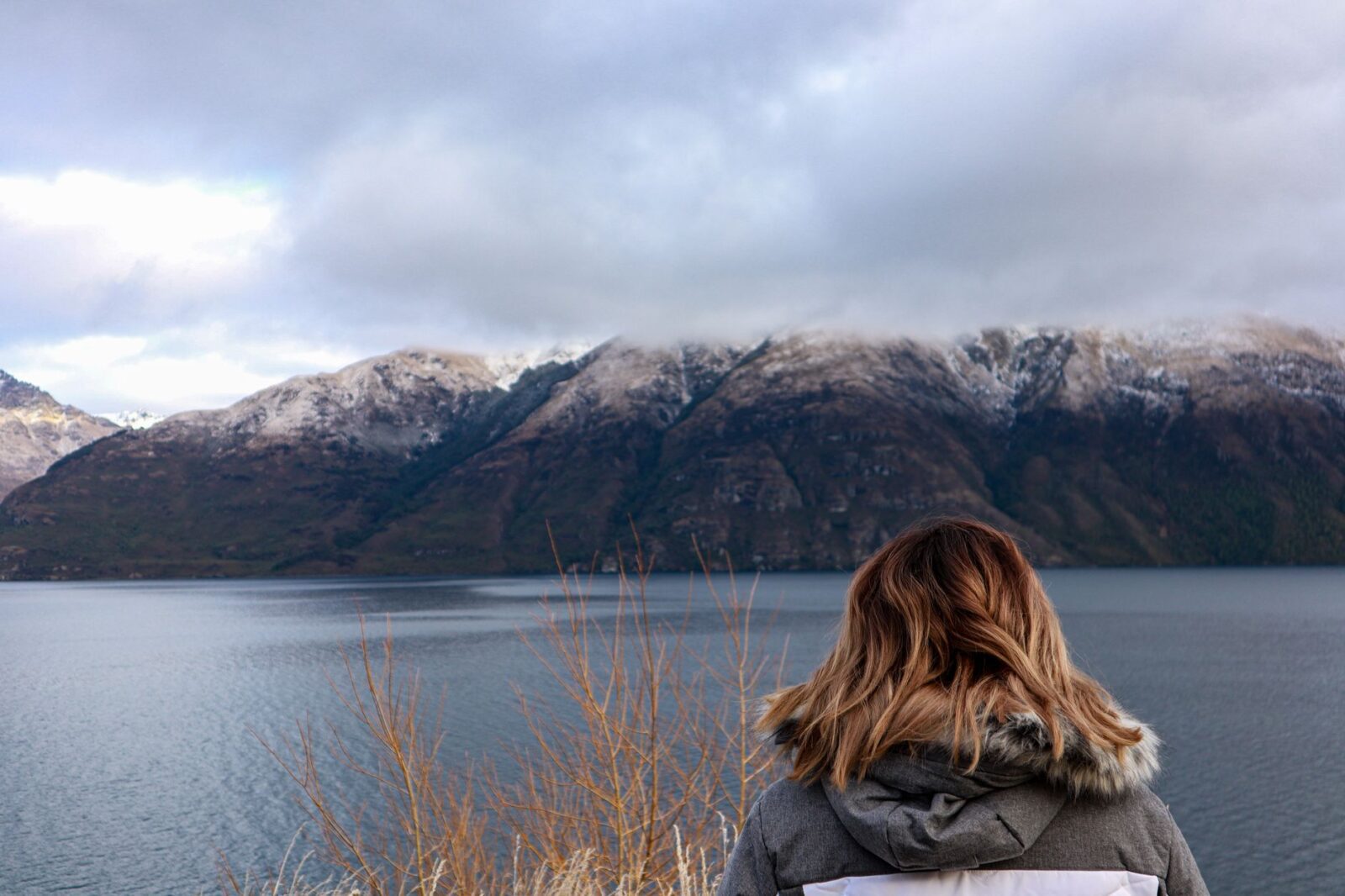
Production designer Greg Berry emphasized that the landscape itself became a narrative tool, shifting from expansive vistas to tight, claustrophobic valleys to mirror the protagonists’ emotional journey. The crew moved between Queenstown, Lake Wakatipu, Glenorchy, Mt Aspiring National Park and the fjords of Milford Sound, using natural light and weather to create the sense of an unforgiving Arctic frontier. As Berry noted, “We wanted there to be moments of lightness and darkness,” a goal achieved by chasing the rapidly changing South Island weather.
“For all intents and purposes, it’s Alaska,” director David Ayer told GQ.
Why the South Island Works as an Alaska Stand‑In
Geographically, the Southern Alps offer towering peaks, deep glacial valleys and extensive temperate rainforests that visually echo the Alaska Range and the coastal Chugach Mountains. The region’s high rainfall and frequent cloud cover produce the muted, overcast lighting that dominates many Alaskan scenes, while the sudden bursts of sunshine mimic the fleeting clarity of a sub‑arctic summer.
Climatologically, March to May in the South Island corresponds to early autumn, bringing cool temperatures, occasional snow at elevation and the dramatic low‑angle light that filmmakers sought. These conditions allowed the production to capture both the stark, barren ridges and the lush, moss‑dominated forests that appear in the movie without traveling to the far north.
Beyond the visual match, the South Island’s infrastructure supported a tight shooting schedule. Queenstown’s international airport, well‑established accommodation base and experienced local crew reduced logistical hurdles, enabling the 45‑day shoot to stay on schedule despite the remote locations.
What Travelers Can Experience: From Queenstown to Milford Sound
Visitors who wish to walk in the footsteps of James and Odin can start in Queenstown, the adventure hub that sits on the shore of Lake Wakatipu. From there, a short drive leads to Glenorchy, where the river valleys and beech forests featured in the film’s opening flight sequence are easily accessible via guided walks or jet‑boat tours.
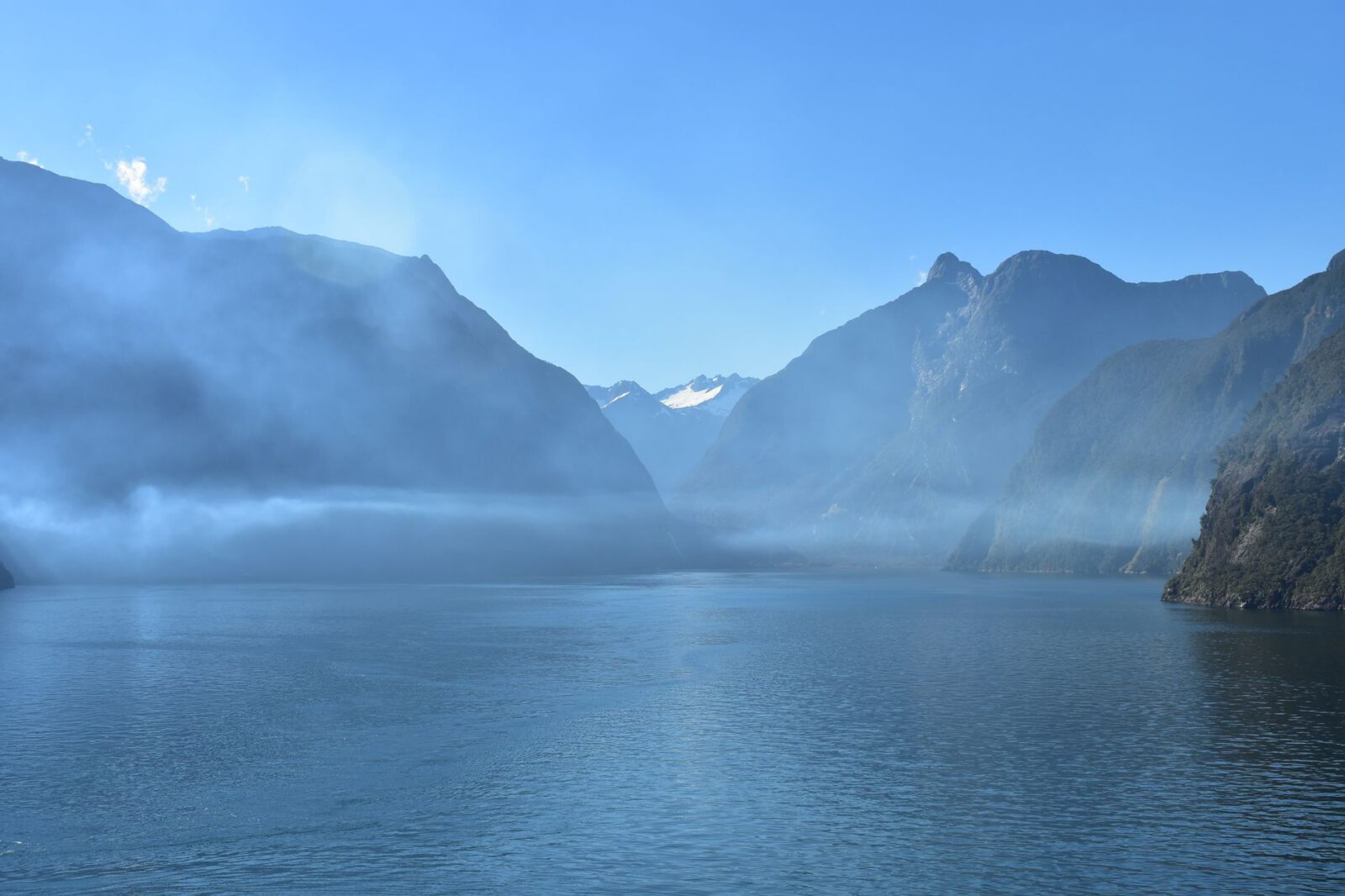
Continuing north, Mt Aspiring National Park offers alpine trails that mirror the high‑altitude trekking scenes, with routes such as the Rob Roy Glacier Track providing close views of hanging glaciers and waterfalls. For the ultimate fjord experience, a day cruise or kayak excursion into Milford Sound delivers the towering cliffs and mist‑filled waters that stand in for Alaska’s coastal wilderness.
Seasoned travelers report that combining these locations into a five‑to‑seven‑day itinerary yields a varied landscape tour that captures the film’s visual rhythm—from expansive lake views to narrow, shadowed gorges—without the need for long‑haul flights to the Arctic.
Cost Comparison: South Island Adventures vs. Alaska Expeditions
Many travelers find that overall expenses for lodging, meals and guided activities in the South Island tend to be lower than comparable offerings in Alaska. A mid‑range lodge or boutique hotel in Queenstown averages roughly USD $180 per night, while similar properties in Anchorage often start near USD $250. Meals in New Zealand’s tourist towns also run slightly cheaper, with a typical dinner for two costing USD $40‑$55 versus USD $55‑$70 in Alaskan ports.
Guided excursions such as glacier walks, fjord cruises and scenic flights are competitively priced; a half‑day glacier hike in Mt Aspiring National Park is typically quoted at USD $130 per person, whereas a comparable trek on the Matanuska Glacier in Alaska can exceed USD $180. These differences become more pronounced for longer stays, making the South Island an attractive alternative for budget‑conscious adventurers seeking dramatic scenery.
It is worth noting that peak season (December‑February) in New Zealand can push prices upward, so traveling during the shoulder months of March‑May or September‑November often yields the best value while still providing the light and weather conditions seen in the film.
Timing Your Trip: Best Seasons to Mirror the Film’s Look
The production team shot Heart of the Beast during March‑May, capturing the South Island’s autumn palette of gold‑tinged beech leaves and clear, crisp light. Travelers aiming to reproduce the film’s visual tone should consider visiting in late March through early May, when temperatures range from 5°C to 15°C (41°F‑59°F) at lower elevations and snow may still dust the higher peaks.
Alternatively, the spring window of September‑November offers similar low‑angle sunlight and blooming alpine flora, though snow cover is less reliable at altitude. For those who prefer the deep winter look seen in some of the film’s darker scenes, June‑August brings regular snowfall to the Alps and the chance to experience true sub‑zero conditions, albeit with shorter daylight hours.
Regardless of season, the region’s changeable weather means packing layers, waterproof outerwear and sturdy boots is essential. Local tour operators frequently adjust itineraries based on daily conditions, ensuring safety while still delivering the dramatic vistas that made the film’s locations so compelling.
Beyond the Screen: Other Film‑Induced Travel Trends in New Zealand
New Zealand has a longstanding reputation as a cinematic destination, with the Lord of the Rings and Harry Potter franchises driving sustained interest in places like Matamata and Wanaka. The success of Heart of the Beast adds a new chapter to this trend, highlighting the South Island’s ability to stand in for far‑flung locales such as Alaska, Iceland or the Canadian Rockies.
Industry observers note that film‑linked tourism often yields a measurable uptick in visitor inquiries and bookings within six to twelve months of a major release. While specific numbers for this title are not yet available, regional tourism agencies have reported increased search traffic for terms like “Queenstown Alaska lookalike” and “Milford Sound filming locations” since the trailer debuted at CinemaCon in April 2026.
This phenomenon underscores the broader power of location‑based marketing: a well‑chosen backdrop can transform a niche destination into a must‑see itinerary item for travelers seeking both cinematic familiarity and authentic adventure.
Practical Tips for Booking Your South Island Adventure
Flights: Direct connections to Queenstown are available from Sydney, Melbourne, Brisbane and Singapore, with typical fares ranging from USD $550‑$850 round‑trip depending on season and advance booking. From North America, a common routing involves a stop in Auckland or Sydney, pushing total travel time to 20‑24 hours.
Accommodation: For a balanced experience, consider splitting your stay between a lakeside lodge in Queenstown (nights 1‑2), a boutique retreat in Glenorchy (nights 3‑4) and a mountain‑view inn near Te Anau for access to Milford Sound (nights 5‑6). This distribution minimizes back‑tracking while offering varied perspectives.
Transport: Renting a car provides the greatest flexibility for reaching trailheads and remote scenic stops; daily rates for a compact SUV start at about USD $60. Alternatively, organized day tours from Queenstown cover Glenorchy, Mt Aspiring and Milford Sound with knowledgeable guides and included equipment.
Gear: Pack layered clothing, a waterproof jacket, gloves and a warm hat even in summer, as alpine weather can shift rapidly. Sturdy hiking boots with good grip are essential for glacier walks and forest trails.
Booking: Secure accommodation and popular activities at least eight weeks ahead during peak months (December‑February) and four to six weeks ahead for shoulder seasons. Many operators offer refundable deposits, providing flexibility should weather plans change.
Looking Ahead: What the Film Means for Future Travel to the Region
The release of Heart of the Beast arrives at a time when travelers are increasingly seeking destinations that deliver both visual grandeur and accessible logistics. The South Island’s proven ability to double for Alaska positions it as a viable alternative for those deterred by the higher costs, longer flights or more extreme climate of the far north.
Looking forward, regional tourism boards are likely to leverage the film’s exposure through targeted marketing campaigns that highlight specific scenes and their real‑world counterparts. Expect to see more travel guides, blog features and social‑media itineraries that map the movie’s locations onto practical trekking routes, cruise options and photography hotspots.
For the adventurous traveler, the film offers an invitation to explore a landscape that is both cinematically familiar and genuinely wild. By following the trail of James and Odin, visitors can experience the raw beauty of the South Island while contributing to a growing appreciation of New Zealand’s role as a global stage for storytelling on screen.
Stay informed with the latest travel news, visa updates, and destination guides. Follow HimalayanCrest.com for weekly travel intelligence delivered by our editorial team.