

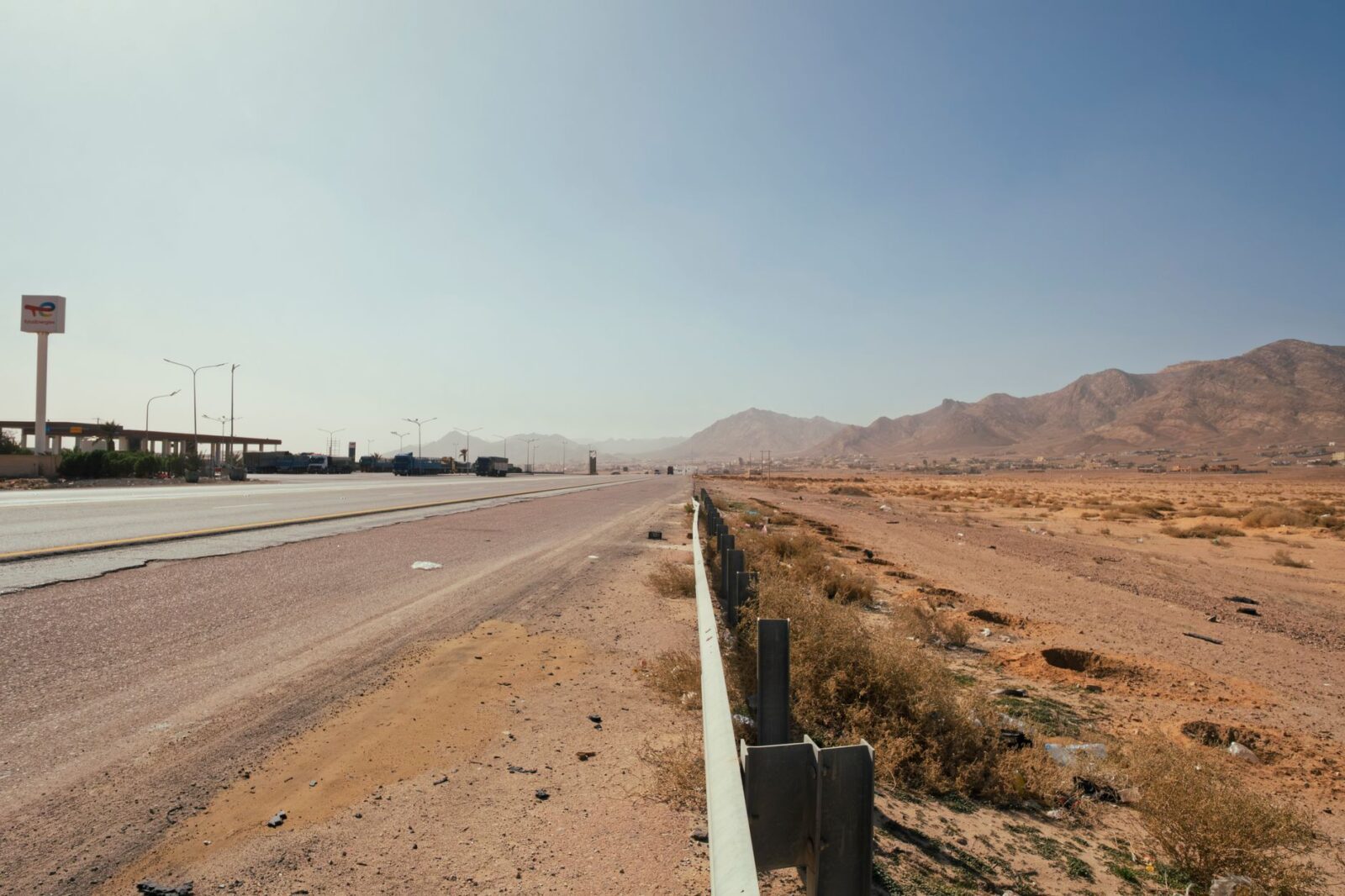
Accident Disrupts Key Dubai‑Abu Dhabi Corridor
On Sunday morning a collision occurred on Sheikh Mohammed bin Zayed Road (E311) just before the Ras Al Khor exit in the direction of Abu Dhabi. Dubai Police issued an immediate traffic alert, urging motorists to exercise caution and expect slower movement along the affected stretch. The incident quickly created a bottleneck that spilled over into connecting roads, affecting both local commuters and long‑distance travelers. By mid‑morning the congestion had become one of the most talked‑about disruptions on the UAE’s busiest highway.
Eyewitness reports described a multi‑vehicle impact that brought lanes to a standstill for several minutes before emergency crews cleared the wreckage. Although the road was reopened after the vehicles were removed, residual queues persisted as drivers gradually merged back into traffic. The timing of the crash coincided with the start of the weekend travel period, when many residents and tourists begin journeys between the two emirates. This amplified the impact on anyone needing to reach airports, hotels or business centres.
Why Sheikh Mohammed bin Zayed Road Is Vital for Travelers
Sheikh Mohammed bin Zayed Road serves as the primary artery linking Dubai with Abu Dhabi and the northern emirates. It carries a high volume of traffic that includes hotel shuttles, airport buses, tour coaches and private vehicles heading to major attractions such as the Burj Khalifa, Dubai Mall and Yas Island. For international visitors the road is often the first segment of their journey after landing at either Dubai International or Al Maktoum Airport.
The highway also connects key logistics zones, industrial parks and residential communities, making it a critical conduit for both leisure and business travel. Travel operators frequently schedule transfers based on the assumption of a steady flow along E311, with typical travel times ranging from 30 to 45 minutes under normal conditions. Any disruption on this route therefore has a ripple effect across the entire tourism supply chain.
Immediate Effects on Airport Transfers and Hotel Movements
Following the collision, several hotels reported that scheduled airport pickups were delayed by upwards of half an hour, prompting guests to adjust their check‑in times. Shuttle services that normally run every 15 minutes extended their intervals as drivers waited for traffic to ease. Passengers with early morning flights were advised to leave their accommodations earlier than usual to avoid missing boarding calls.
Tour operators running day trips to Abu Dhabi’s cultural sites, such as the Louvre Abu Dhabi or Sheikh Zayed Grand Mosque, had to reshuffle itineraries. Some groups were redirected to indoor attractions in Dubai while waiting for the highway to clear, while others opted for alternative experiences like desert safaris that originate closer to the city. The flexibility of these adjustments helped mitigate frustration, but the added time still translated into higher operational costs.
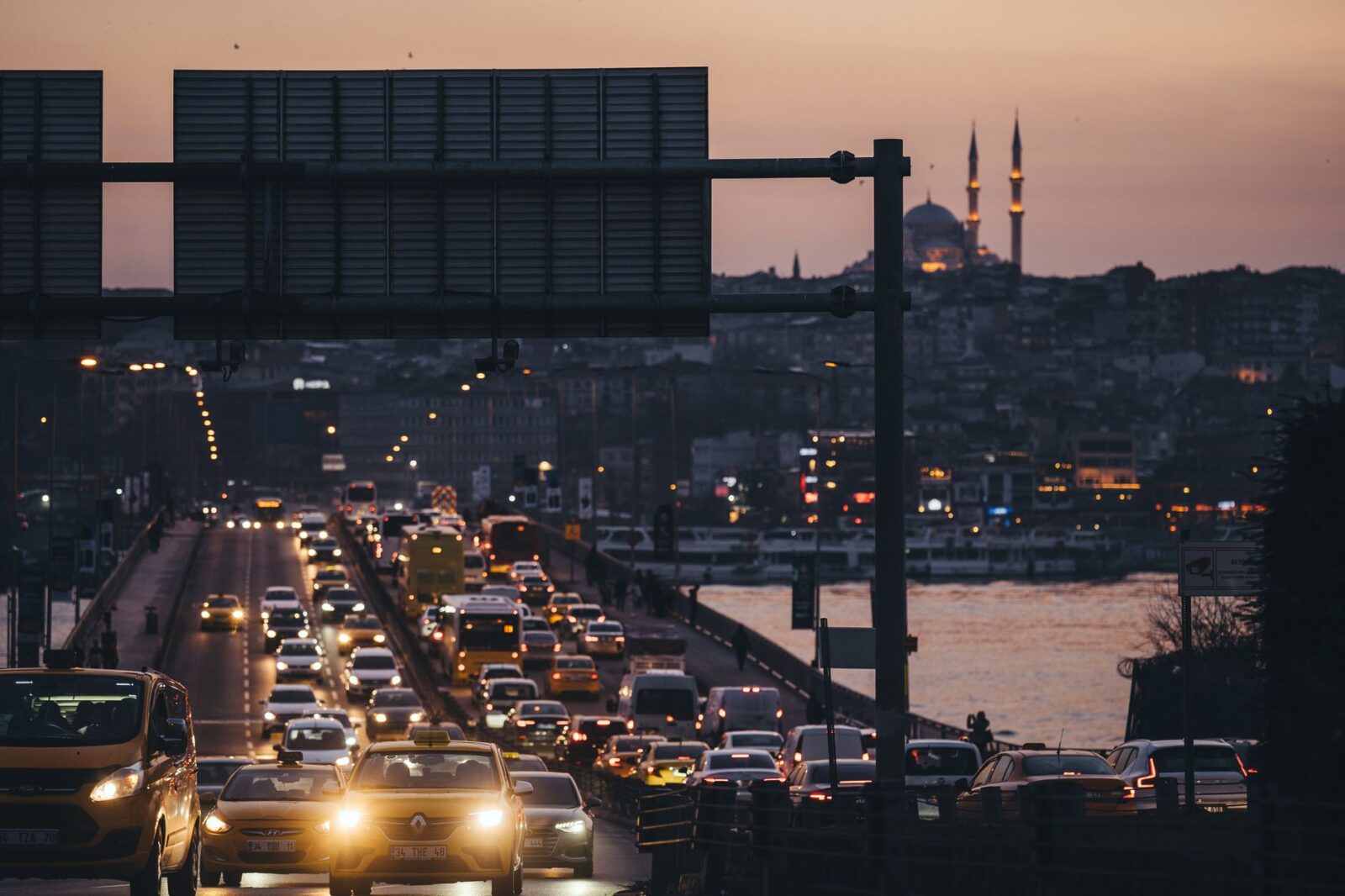
How Tour Operators and Hotels Are Adjusting
In response to the incident, many travel companies have begun integrating real‑time traffic monitoring into their daily planning routines. Dispatch teams now check live feeds from Dubai’s Roads and Transport Authority before confirming pickup times, allowing them to propose alternative meeting points when congestion spikes. This proactive approach reduces the likelihood of guests being left waiting at hotel lobbies.
Hotels situated near major transport hubs, such as those in Downtown Dubai or near the Dubai International Airport, have updated their front‑desk scripts to inform guests about potential delays and suggest earlier departure windows. Some properties have even partnered with local ride‑hail services to offer guaranteed‑time transfers at a premium rate, giving travelers a reliable option when public road conditions deteriorate.
Alternative Routes and Real‑Time Tools to Use
Travelers seeking to bypass the affected section of Sheikh Mohammed bin Zayed Road can consider using Emirates Road (E611) which runs parallel to the south and connects Dubai with Abu Dhabi via a slightly longer but often less congested path. Another option is to travel via Sheikh Zayed Road (E11) through the central districts, then merge onto Al Ain Road (E22) for the eastern leg of the journey.
Digital tools such as the Dubai Police traffic app, Google Maps live layer and the Waze community provide minute‑by‑minute updates on speed, accidents and roadworks. Enabling push notifications for major highways ensures that drivers receive alerts before entering a jam‑prone zone. For those preferring public transport, the Dubai Metro Red Line remains unaffected and offers a swift connection between key stations such as Union, Burj Khalifa and Abu Dhabi‑bound bus terminals at Ibn Battuta Mall.

Cost Implications and Budget Adjustments
Unexpected delays can lead to additional expenses that travelers should factor into their budgets. Metered taxi fares increase with time spent in traffic, and a typical 30‑minute delay may add roughly 15 to 20 USD to the fare depending on the rate. Private hire vehicles that charge by the hour may see similar increments, while fixed‑price airport shuttle services usually absorb the cost but may impose surcharge notices during peak disruption periods.
Tour operators sometimes pass on extra fuel and driver waiting time to clients, resulting in modest price adjustments for day trips or multi‑day packages. Savvy travelers can mitigate these costs by booking refundable tickets, choosing flexible travel windows or opting for experiences that start and end within the same emirate, thereby reducing reliance on the intercity highway. Keeping a small contingency of 10 to 15 percent of the daily transport budget is a prudent practice during periods of heightened traffic uncertainty.
Authorities’ Response and Outlook for Future Delays
Dubai Police emphasized that the collision was investigated promptly and that the road was returned to normal operation once the wreckage was cleared and safety checks completed. Authorities reminded drivers to maintain a safe following distance, avoid distractions and adhere to posted speed limits, especially in areas where merging traffic is common. No further restrictions were placed on Sheikh Mohammed bin Zayed Road after the incident.
Looking ahead, the Roads and Transport Authority continues to invest in intelligent traffic management systems, including adaptive signal controls and incident detection cameras along major corridors. These technologies aim to identify congestion sooner and deploy response teams more quickly, thereby reducing the duration of disruptions. Travelers are encouraged to stay informed through official channels and to build flexibility into their itineraries, particularly when scheduling airport transfers or time‑sensitive events.
Frequently Asked Questions
How long did the delay last after the crash?
The initial impact caused a standstill that lasted roughly 15 to 20 minutes while emergency services attended to the scene. After the vehicles were removed, residual queues persisted for another 30 to 45 minutes during the peak morning period, resulting in total travel‑time extensions of up to an hour for some motorists.
Which airports are most affected by disruptions on this road?
Both Dubai International Airport (DXB) and Al Maktoum International Airport (DWC) rely on Sheikh Mohammed bin Zayed Road for ground access from the southern and western parts of Dubai. Delays on the highway therefore affect taxi, bus and private‑vehicle transfers to and from these airports, potentially impacting flight check‑in and arrival times.
Are there any public‑transport alternatives that avoid the highway entirely?
Yes. The Dubai Metro Red Line runs from Rashidiya through central districts to Jabal Ali and offers connections to numerous bus routes that serve airport terminals. Additionally, the inter‑emirate bus service operated by the Roads and Transport Authority provides direct links between Dubai and Abu Dhabi via internal roads that do not use E311.
What should I do if my hotel shuttle is delayed because of traffic?
Contact the hotel’s front desk as soon as you become aware of a delay; most properties will reschedule the pickup or recommend a nearby taxi stand. Keeping the hotel’s contact number handy and allowing an extra 30 minutes for airport transfers can reduce stress when unexpected congestion arises.
Will incidents like this become more common on UAE highways?
While the UAE boasts one of the world’s best road safety records, the high volume of traffic on key corridors means that occasional accidents are inevitable. Ongoing investments in surveillance, rapid‑response teams and driver‑awareness campaigns aim to keep the frequency and severity of such events low. Staying alert and using real‑time traffic apps remain the best personal strategies for minimizing inconvenience.
Stay informed with the latest travel news, visa updates, and destination guides. Follow HimalayanCrest.com for weekly travel intelligence delivered by our editorial team.