


Canada Tops the List for Solo Travelers Who Need a Confidence Boost
For solo travelers who feel nervous striking up conversations with strangers, Canada offers a uniquely welcoming environment. According to the 2026 US News rankings, Canada consistently tops lists for polite and helpful locals, making it ideal for shy adventurers building confidence through casual interactions. Travelers report that Canadians often initiate conversations in cafes, on public transit, or in national parks—not out of obligation, but genuine curiosity about where you’re from and what brings you to their country.
This cultural tendency toward friendliness isn’t accidental. Canada’s official multiculturalism policy, enacted in 1971, encourages respect for diverse backgrounds while fostering a shared national identity rooted in inclusivity. In cities like Vancouver and Toronto, over half the population was born outside Canada, creating daily opportunities for cross-cultural exchanges that feel natural rather than performative. The result? A society where helping a lost tourist or offering directions isn’t seen as extraordinary—it’s just what neighbors do.
Practical takeaway: If you’re traveling alone for the first time, start in Canada. Join a free walking tour in Montreal’s Old Port or chat with locals at a Tim Hortons in Banff—you’ll likely leave with a new friend and renewed confidence in your ability to connect across cultures.
Thailand’s Smile Isn’t Just for Show—It’s a Cultural Survival Skill
Thailand earns its nickname ‘Land of Smiles’ not through tourism marketing alone, but through centuries of social adaptation. In a country where avoiding direct confrontation is deeply valued, a smile serves multiple purposes: it can greet a stranger, soften a refusal, or ease tension after a misunderstanding. Travelers consistently rank Thai locals among the friendliest in Asia, noting how vendors remember regulars’ names and tuk-tuk drivers offer unsolicited tips about hidden temples.
This emphasis on harmony, known as ‘kreng jai’ (consideration for others’ feelings), shapes daily interactions from Bangkok street markets to Chiang Mai mountain villages. Unlike cultures where blunt honesty is prized, Thais often prioritize maintaining peaceful exchanges—even if it means saying ‘yes’ when they mean ‘maybe.’ For visitors, this creates an environment where mistakes are met with patience rather than judgment, encouraging travelers to relax and engage more openly.
Practical takeaway: When in Thailand, mirror the local pace. A slow, calm demeanor invites warmer responses than rushing or showing frustration. Try learning just three Thai phrases—’sawasdee ka/krap’ (hello), ‘khop khun ka/krap’ (thank you), and ‘mai pen rai’ (no worries)—and watch how quickly doors open.
New Zealanders Treat Strangers Like Future Friends—Because They Often Are
In New Zealand, the concept of ‘stranger danger’ barely exists. Kiwis operate on an unspoken assumption that everyone they meet could become a friend, colleague, or even family member someday—especially in a country of just 5 million people where six degrees of separation often collapses into two. This mindset shows up in everyday gestures: offering to help change a flat tire, inviting hikers to share tea at a remote hut, or striking up conversations in grocery store lines.
The roots of this openness trace back to Māori values of ‘whanaungatanga’—relationships built through shared experiences and mutual obligation. While Pākehā (European New Zealanders) brought their own traditions of community support, the blending of cultures over generations created a society where hospitality isn’t reserved for guests—it’s extended to anyone passing through. Even in urban centers like Auckland, you’ll find neighborhood libraries hosting ‘kōrero’ (talk) evenings where newcomers are welcomed to share stories over kai (food).
Practical takeaway: Embrace the Kiwi habit of ‘stopping to chat.’ If someone asks where you’re headed, answer honestly—they might know a better route, a hidden waterfall, or someone who needs exactly your skill set for a day’s work.
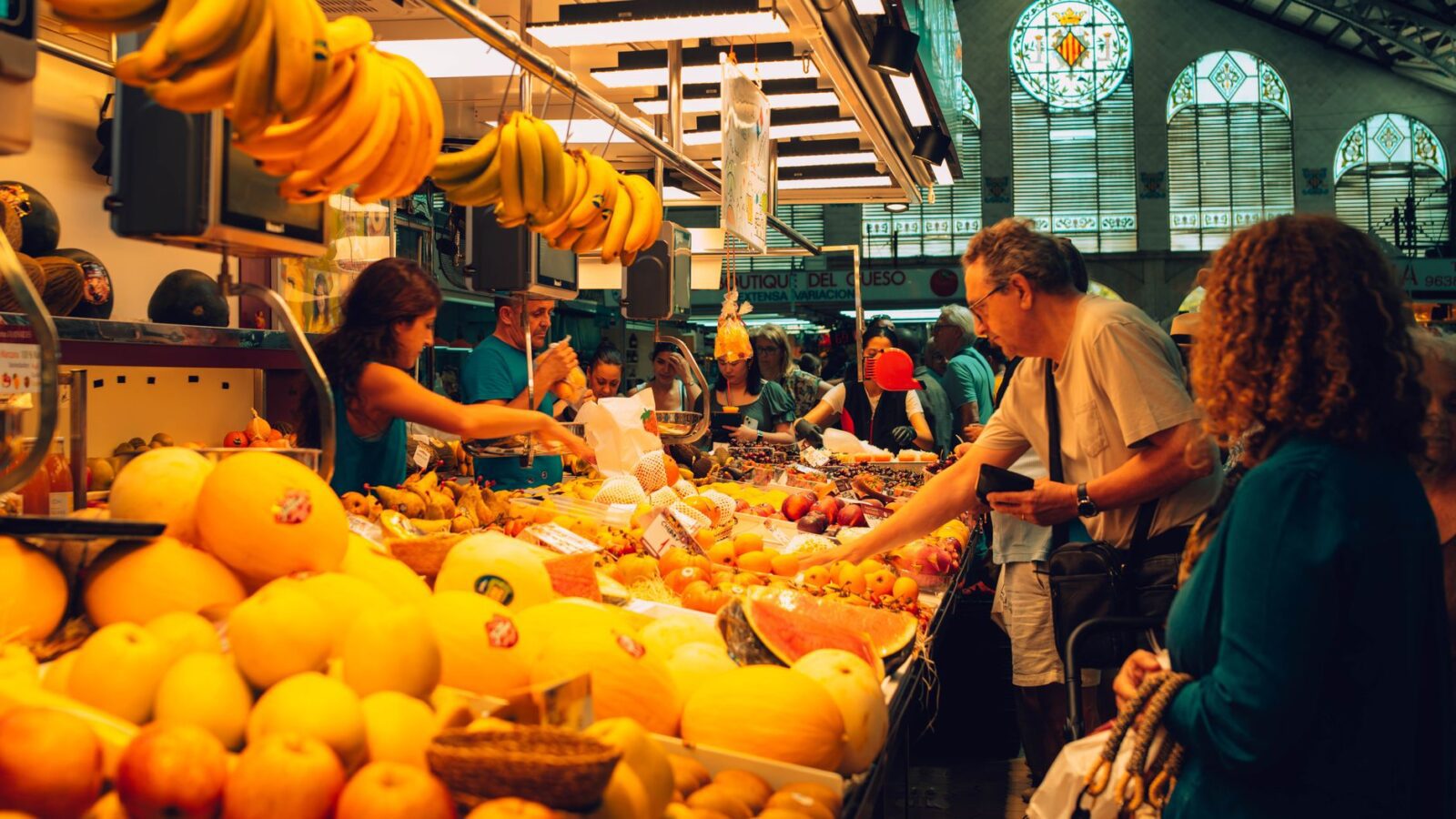
Colombia’s Transformation from ‘Dangerous’ to ‘Delightfully Welcoming’
Just two decades ago, Colombia struggled with a reputation for violence that scared away most tourists. Today, it ranks among South America’s friendliest nations—a shift driven not just by improved security, but by a deliberate cultural renaissance. Locals in cities like Medellín and Cartagena now greet visitors with open arms, proud to showcase their country’s rebirth through salsa dancing in plazas, coffee farm tours in the Andes, and street art that tells stories of resilience.
This change stems from grassroots efforts where Colombians chose to reclaim their narrative. After years of conflict, communities invested in tourism as a path to peace—training former combatants as guides, turning coca farms into organic coffee cooperatives, and hosting festivals that celebrate regional diversity. Travelers consistently remark on how Colombians go beyond politeness: they’ll insist you try their grandmother’s arepa recipe, help you practice Spanish, or invite you to a family birthday party after just meeting you.
Practical takeaway: Visit during Barranquilla’s Carnival (February/March) or Medellín’s Flower Festival (August) to experience Colombian warmth at its most exuberant. Even in quieter moments, accept that ‘refresco’ (drink) offer—it’s rarely just about the beverage.
Portugal’s Quiet Kindness Sticks With You Long After You Leave
While louder cultures grab attention with exuberant greetings, Portugal wins hearts through subtle, consistent thoughtfulness. Travelers note how Portuguese locals often help without being asked—adjusting your map on a bench, warning you about pickpocket hotspots with a discreet touch on the arm, or slipping an extra pastel de nata into your bag ‘for the road.’ This understated warmth creates a sense of being genuinely cared for, not just tolerated as a tourist dollar.
This demeanor reflects Portugal’s history as a nation of explorers and emigrants. For centuries, Portuguese sailors left home not knowing if they’d return, while families waited with hope and practical support. That legacy of separation and reunion fostered a culture where small acts of kindness—saving a seat, sharing directions, remembering a name—carry deep meaning. In rural Alentejo villages, you’ll still find elders leaving baskets of fruit or bread outside their gates for anyone passing by.
Practical takeaway: Slow down in Portugal. Sit at a café for an hour instead of rushing through sights. Order a ‘bica’ (espresso) and simply observe—you’ll likely be invited into a conversation about family, football, or the best hidden beach only locals know.

Japan’s Politeness Comes With a Side of Unexpected Generosity
Japan is famous for its precise etiquette—bowing depths, gift-wrapping rituals, silence on trains—but what surprises many travelers is how this formality often masks profound generosity. Lost tourists report being escorted blocks out of someone’s way to find a station, convenience store staff heating up meals for stranded travelers during typhoons, and ryokan owners refusing payment when they learn you’re extending your stay to see cherry blossoms.
This blend of reserve and readiness to help stems from ‘omotenashi’—wholehearted hospitality that anticipates needs before they’re voiced. Unlike cultures where friendliness means loud enthusiasm, Japanese omotenashi shows up in meticulous preparation: a perfectly folded towel in your hotel room, a seasonal flower arranged just so in the lobby, or a shopkeeper wrapping your purchase with care as if it were a gift. The key insight? In Japan, true hospitality isn’t about making you feel seen—it’s about making you feel effortlessly at ease.
Practical takeaway: Accept help graciously but don’t over-apologize. A simple ‘arigatō gozaimasu’ (thank you) suffices. If offered something, say ‘hai’ (yes) rather than hesitating—it honors the giver’s intention.
Iceland’s Tiny Population Breeds Massive Community Spirit
With just 370,000 people—fewer than many mid-sized cities—Iceland functions like an extended family where everyone knows someone who knows you. This intimacy creates extraordinary traveler experiences: strangers offering rides during volcanic eruptions, locals inviting hikers to shower at their homes after glacier treks, and entire towns turning out to help dig out cars buried in winter snow.
The roots of this mutual reliance lie in Iceland’s geography. For over a thousand years, survival depended on cooperation—whether hauling fishing boats ashore, sharing limited resources during long winters, or responding to volcanic eruptions that could wipe out a village’s livelihood overnight. That interdependence evolved into a cultural norm where helping isn’t optional; it’s how you maintain your place in the community. Even in Reykjavík, you’ll find ‘hjálpleysi’ (willingness to help) embedded in daily life—from car-sharing apps to neighborhood snow-shoveling brigades.
Practical takeaway: Embrace the Icelandic habit of ‘checking in.’ If you see someone struggling with a map or heavy pack, offer assistance without waiting to be asked. You’ll likely get a warm ‘takk’ (thanks) and maybe an invitation to join them for hot chocolate at a nearby geothermal pool.
Uruguay’s Quiet Consistency Beats Loud Hospitality Any Day
While neighbors like Brazil and Argentina draw attention with passionate, expressive cultures, Uruguay wins through steady, dependable warmth. Travelers describe Uruguayans as the kind of people who remember your name after one meeting, save you a seat at the mate circle without being asked, and follow up weeks later to ask how your journey went. There’s no performative flair—just reliable kindness that builds trust over time.
This steadiness reflects Uruguay’s social foundations: Latin America’s oldest welfare state, strong labor traditions, and a cultural aversion to extremes. In Montevideo, you won’t find street performers demanding tips or vendors shouting prices—instead, you’ll encounter quiet dignity in interactions, whether at a historic café or a neighborhood ‘feria’ (street market). The result? An environment where travelers feel safe to be themselves, knowing help will come without strings attached.
Practical takeaway: Visit a ‘barrio’ (neighborhood) market on a Saturday morning. Sit with locals sharing mate (the national herbal drink) from a shared gourd—it’s common for strangers to be invited into the circle, especially if you show interest in learning how to prepare it properly.
Taiwan’s Convenience Stores Are Hubs of Unexpected Human Connection
In Taiwan, the humble 7-Eleven transcends its role as a convenience store to become a neighborhood hub where travelers experience some of the island’s most genuine human interactions. Staff regularly go beyond basic service—helping foreigners fill out government forms, offering umbrellas during sudden downpours, or staying open late to assist travelers who missed the last train. These aren’t corporate-mandated duties; they’re personal choices rooted in local culture.
This phenomenon ties to Taiwan’s emphasis on ‘guanxi’ (relationship networks) and collective well-being. In a dense, urban society where personal space is limited, small acts of consideration smooth daily friction and build community trust. Travelers are often stunned when a store clerk calls a taxi for them at 2 a.m., refuses payment for a snack because ‘you looked tired,’ or draws a detailed map on a receipt to guide them to a night market. The convenience store, in Taiwan, functions as an informal community center where kindness is the default setting.
Practical takeaway: Use Taiwan’s convenience stores as your cultural embassy. Ask staff for recommendations—they’ll often know the best night market stalls, hidden temples, or local festivals not in guidebooks. And always accept that offer of hot soy milk or a warm snack—it’s rarely just about the food.
Costa Rica’s ‘Pura Vida’ Philosophy Turns Every Interaction Into a Moment of Joy
Costa Ricans don’t just say ‘pura vida’ (pure life)—they live it in ways that instantly disarm travelers. Whether you’re asking for directions in San José, negotiating a taxi fare in Puerto Viejo, or sharing a table at a soda (local diner), you’ll likely be met with laughter, patience, and an genuine interest in your well-being. This isn’t tourist-facing performance; it’s how Costa Ricans interact with each other daily.
The phrase ‘pura vida’ emerged in the 1950s from a Mexican film but took on deep meaning in Costa Rica as a response to life’s challenges—earthquakes, economic shifts, biodiversity pressures. Rather than responding with cynicism, Costa Ricans chose to emphasize gratitude for simple joys: a sunny day, a shared meal, a conversation with a stranger. This mindset creates a feedback loop where kindness begets kindness—helping a traveler isn’t seen as a chore, but as an opportunity to spread a little more ‘pura vida’ into the world.
Practical takeaway: When someone says ‘pura vida’ to you, smile and say it back—but mean it. Slow down your itinerary. Leave space for unplanned moments: a chat with a coffee farmer, a detour to watch monkeys cross the road, or an invitation to join a family’s evening ‘merienda’ (snack). Those are the memories that last.
Finland’s Reserved Exterior Hides a Warmth That Builds Slowly and Deeply
Finland often surprises travelers who expect Nordic bluntness to mean coldness. While Finns may not greet strangers with hugs or effusive small talk, their friendliness reveals itself in profound reliability and quiet solidarity. Lost hikers report being offered shelter in summer cottages, train conductors holding departures for delayed passengers, and strangers in saunas sharing advice about jobs, housing, or surviving the long winter—all without expectation of friendship beyond the moment.
This deep-rooted dependability comes from ‘sisu’—the Finnish concept of grit, perseverance, and taking responsibility for your community. In a country with harsh winters and vast distances between towns, survival has always depended on knowing you can count on others, even if they’re not emotionally expressive. Travelers learn that Finnish kindness isn’t in the words spoken, but in the actions taken: clearing snow from your car window, leaving extra firewood in a rented cabin, or quietly covering your bill at a café when they notice you’re counting change.
Practical takeaway: Don’t mistake Finnish silence for disinterest. If you need help, ask directly and politely—you’ll get a thoughtful, practical response. And if invited to a sauna (a near-universal social ritual), accept—it’s where some of the most meaningful conversations happen, precisely because words aren’t required.
Morocco’s Hospitality Is a Sacred Duty Woven Into Daily Life
In Morocco, welcoming guests isn’t just polite—it’s a moral obligation rooted in Islamic tradition and Amazigh (Berber) customs. Travelers consistently describe being invited into homes for mint tea after just meeting someone in a medina, offered directions that include personal escorts through maze-like alleys, or greeted with ‘ahlan wa sahlan’ (you are family) in ways that feel immediate and genuine. This hospitality extends beyond cities—nomadic families in the Sahara will share their last water and food with travelers passing through.
The practice stems from centuries of desert survival, where offering shelter could mean the difference between life and death for a stranger. Over time, this necessity evolved into a cultural cornerstone: feeding a guest is seen as honoring God, and turning someone away brings shame not just on the individual, but on their entire tribe or family line. Even in modern Casablanca or Marrakech, you’ll find this ethos alive—in the insistence that you eat more, the refusal to let you pay for tea, or the insistence on walking you to your next destination.
Practical takeaway: Accept tea invitations graciously—it’s rarely just about the drink. When offered food, eat with your right hand only (left is considered unclean in traditional settings), and always compliment the host specifically—’this bread is fresh’ or ‘the spices are perfect’—as vague praise can seem insincere.
Stay informed with the latest travel news, visa updates, and destination guides. Follow HimalayanCrest.com for weekly travel intelligence delivered by our editorial team.