

The Rise of Visual AI in Drone Defense Operations
In August 2026, a UK-based artificial intelligence company called Vizgard demonstrated how machine learning is transforming the way governments monitor and protect airspace. Originally founded by a former Royal Navy submariner, Vizgard has grown from a five-person startup to a 20-employee firm through funding from the UK Defence Innovation (UKDI) Security Open Call. Their flagship system, FortifAI, uses real-time visual AI to detect, track, and identify both friendly and hostile drones without requiring constant human oversight. This technology integrates directly with existing defence and security camera networks across land, air, and maritime environments, creating a layered awareness that reduces operator fatigue while improving response times. The system has already been tested in live operations with UK police forces and Ukrainian military units, proving its effectiveness in complex, high-threat scenarios.
What makes Vizgard’s approach significant is its focus on automating the most cognitively demanding aspects of drone operations — not just detection, but continuous tracking and threat classification. By offloading these tasks to AI, security teams can focus on decision-making rather than screen-watching, a critical advantage when managing multiple simultaneous incursions. The UK Ministry of Defence and Defence Science and Technology Laboratory (Dstl) provided technical expertise during development, ensuring the system meets rigorous military standards. This collaboration between government innovation programs and agile SMEs reflects a broader shift in how nations are approaching airspace security in an era of proliferating unmanned systems.
NATO Recognition and International Validation
Vizgard’s technology gained further credibility in mid-2026 when it was selected for NATO’s Defence Innovation Accelerator for the North Atlantic (DIANA) 2026 cohort. This prestigious program identifies dual-use technologies with strong potential for both military and civilian applications. Following rigorous testing, Vizgard advanced to the final stage of the international Drone Capability Coalition ISR (Intelligence, Surveillance, Reconnaissance) competition, a multinational effort to evaluate counter-drone solutions under realistic conditions. The evaluation included joint trials with UK and Ukrainian MOD personnel, simulating scenarios ranging from urban surveillance to border monitoring.
Selection for DIANA and strong performance in the ISR competition signal that Vizgard’s AI is not only effective in controlled environments but also adaptable to the unpredictable demands of real-world operations. For travelers, this matters because the same technologies used to secure military airspace are increasingly being adapted for civilian airports, major event venues, and critical infrastructure protection. As drone usage grows for delivery, inspection, and recreation, the ability to distinguish between benign and malicious flights becomes essential to maintaining safe and open skies — a prerequisite for confident international travel.
How This Affects Commercial Air Travel and Airport Security
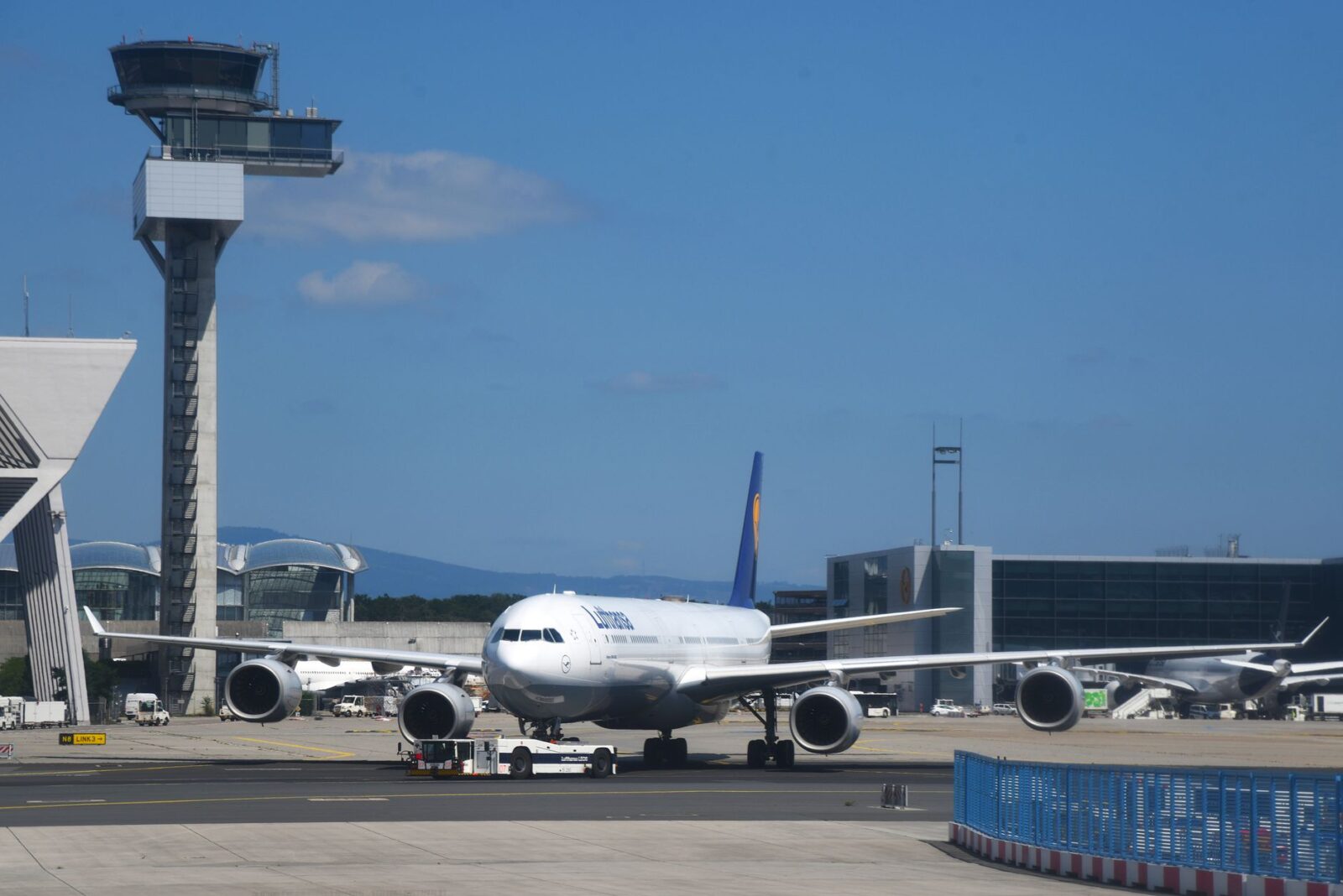
While Vizgard’s current deployments focus on defence and policing, the underlying AI technology has direct implications for commercial aviation safety. Airports worldwide are grappling with rising numbers of unauthorized drone sightings near runways and flight paths — incidents that can lead to costly delays, runway closures, and even near-misses with aircraft. In 2025 alone, the UK Civil Aviation Authority recorded over 120 drone-related incidents at major airports, a 30% increase from the previous year. Similar trends are reported in the EU, UAE, and Singapore, where authorities are investing in counter-unmanned aircraft systems (C-UAS) to protect approach and departure corridors.
Systems like FortifAI could soon be integrated into airport security networks to provide continuous, automated monitoring of low-altitude airspace. Unlike radar-based systems, which struggle to detect small, slow-moving drones, visual AI excels in urban and cluttered environments where traditional sensors face limitations. By correlating visual data with flight telemetry and behavioural patterns, such systems can reduce false alarms while improving threat detection accuracy. For frequent flyers, this means fewer disruptions due to drone incursions and greater confidence in the safety of takeoff and landing phases — especially at airports located near dense urban centres.
Global Counter-Drone Strategies: A Comparative Look
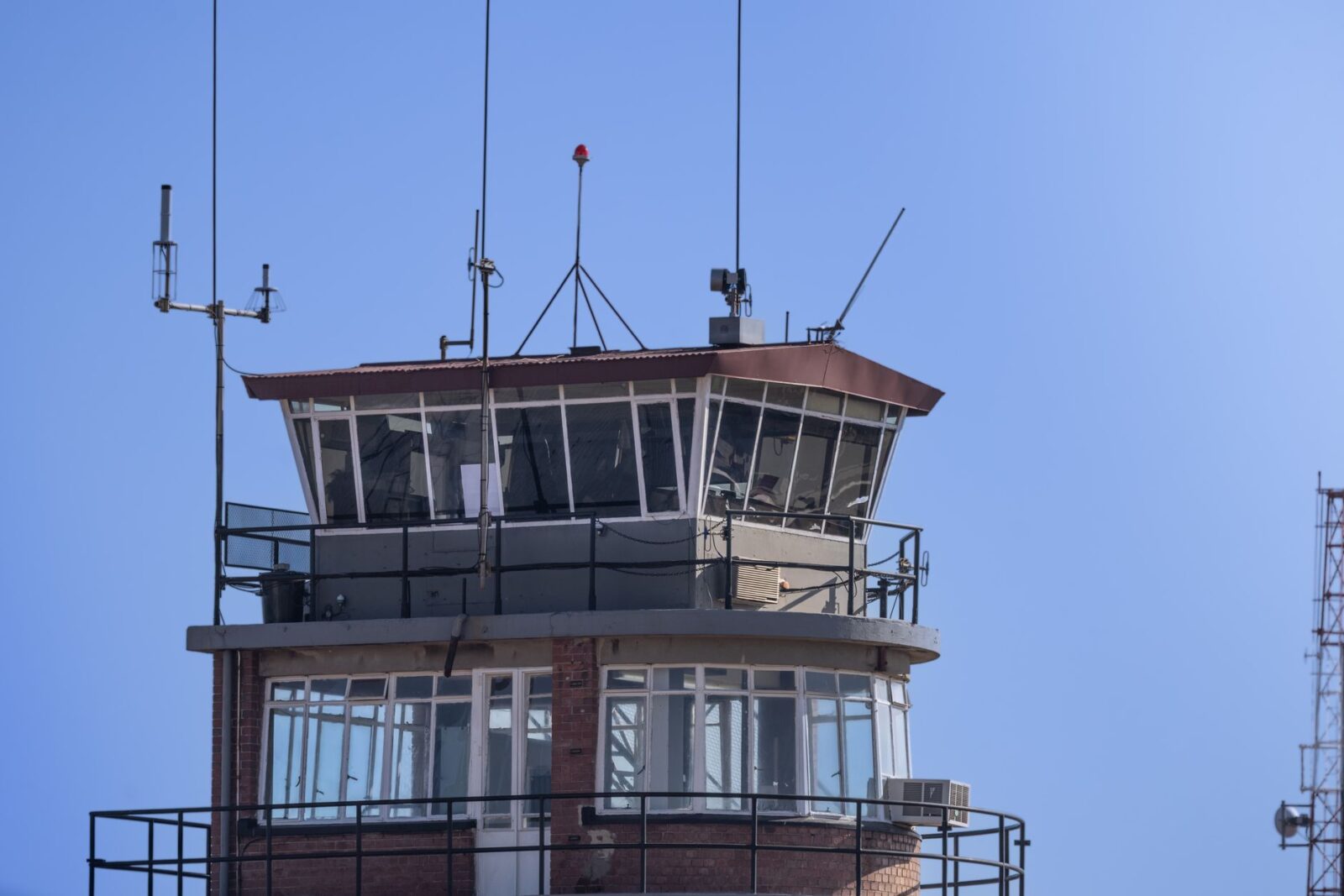
The UK’s approach to airspace security through AI-driven visualization differs from strategies employed in other regions. In the United States, the Federal Aviation Administration (FAA) is pursuing a broader ‘airspace reboot’ initiative that emphasizes AI integration into air traffic management systems, as demonstrated by Alaska Airlines’ participation in early flight corridor optimization trials. Meanwhile, companies like Airwise Solutions have launched platforms such as Nexus, which fuse radar, radio frequency, and visual feeds into a single operational picture for public safety and counter-UAS teams — a conceptually similar goal to Vizgard’s FortifAI, though with different sensor fusion priorities.
In the Middle East, nations like the UAE and Saudi Arabia have invested heavily in layered C-UAS defences around critical infrastructure, often combining radar, electro-optical sensors, and electronic jamming. Singapore’s Civil Aviation Authority has tested AI-powered drone detection systems at Changi Airport, focusing on seamless integration with existing air traffic control workflows. What distinguishes Vizgard’s model is its emphasis on reducing operator cognitive load through automation of tracking and classification — a feature particularly valuable for police and security teams managing multiple simultaneous incidents with limited personnel.
Implications for Travelers, Expats, and Digital Nomads
For individuals planning international travel, relocation, or long-term stays abroad, advancements in airspace security have tangible benefits. Safer low-altitude airspace enables broader use of drones for infrastructure inspection, disaster response, and even medical delivery in remote areas — services that indirectly support expat communities and digital nomads operating outside major urban centres. More directly, as counter-drone technologies mature, countries may feel more confident in relaxing restrictions on recreational and commercial drone use, opening up new opportunities for aerial photography, surveying, and adventure tourism.
Investors in aviation technology, urban air mobility, or smart city infrastructure should monitor how governments balance security with accessibility. Overly restrictive counter-drone measures could hinder innovation in urban air travel, while insufficient protections risk public safety and erode trust in emerging aerial systems. Countries that successfully integrate AI-driven monitoring — like those testing Vizgard’s technology — may become attractive hubs for drone-related investment and talent. Travelers seeking residency or citizenship in innovation-forward nations might consider how a country’s approach to airspace safety reflects its broader commitment to technological resilience and public security.
What Travelers Should Do Now: Practical Steps
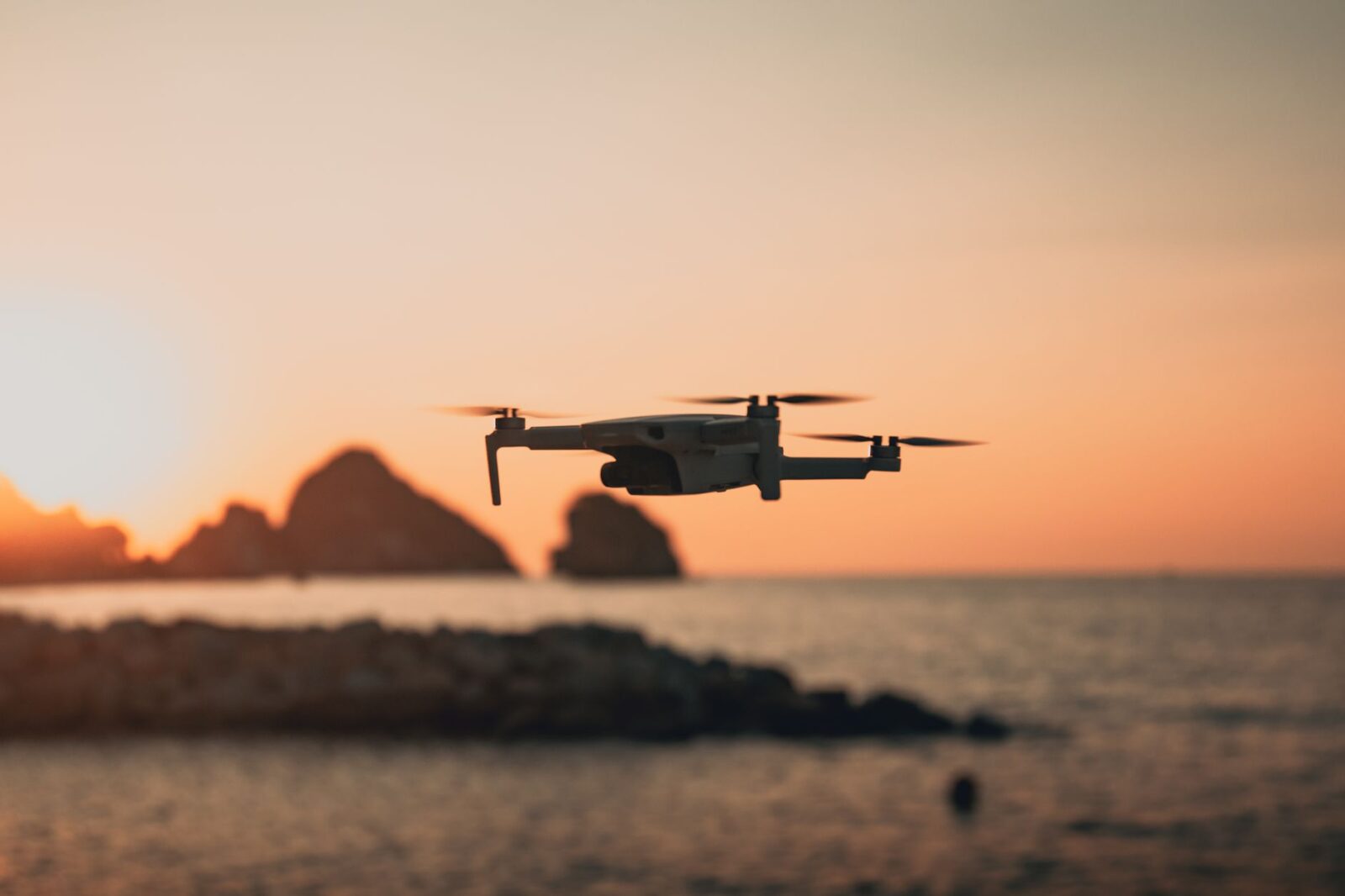
If you are planning international travel in the near future, there are several proactive steps you can take to stay informed and prepared. First, check the drone regulations of your destination country through official civil aviation authorities — such as the UK Civil Aviation Authority (CAA), the U.S. FAA, or the European Union Aviation Safety Agency (EASA). Many nations now require registration for drones over a certain weight and prohibit flight near airports, crowds, or sensitive sites. Second, if you plan to operate a drone abroad for work or recreation, apply for any necessary permits well in advance; processing times can vary significantly by jurisdiction.
Third, remain aware of temporary flight restrictions (TFRs) or notams (Notices to Airmen) that may affect drone operations during major events, emergencies, or military exercises. These are typically published through national aviation websites or apps like AirMap or Kittyhawk. Finally, if you encounter an unsafe drone situation while traveling — such as a drone flying dangerously close to an aircraft or over a crowded area — report it to local authorities or aviation security. Your vigilance contributes to the collective safety of shared airspace, especially as AI systems learn from real-world incident data to improve future detection and response.
The Future of AI in Airspace Management
Looking ahead, the integration of artificial intelligence into airspace safety is poised to accelerate. Initiatives like the VISORS project, which enables distributed simulation between unmanned traffic management (UTM) and air traffic management (ATM) systems, are testing how AI can facilitate seamless coordination between drones and manned aircraft in shared airspace. Such efforts aim to create dynamic, responsive airspace frameworks that adapt to traffic density, weather, and operational needs in real time — a vision that could one day enable high-volume urban air travel without compromising safety.
For global travelers, this future promises fewer disruptions, more reliable emergency response capabilities, and greater confidence in the skies above airports, cities, and travel corridors. As nations continue to invest in AI-driven monitoring and automation — building on foundations laid by companies like Vizgard — the dream of a smart, secure, and accessible airspace moves closer to reality. Staying informed about these developments isn’t just for technologists or policymakers; it’s essential knowledge for anyone who values safe, smooth, and stress-free journeys across borders.
Stay informed with the latest travel news, visa updates, and destination guides. Follow HimalayanCrest.com for weekly travel intelligence delivered by our editorial team.