

The Carry‑On Challenge: Why Two Weeks Feels Impossible
Imagine standing at the check‑in counter, watching the agent place a bright red tag on your oversized suitcase while you fumble with a bulging backpack that threatens to burst at the seams. The fee for excess weight flashes on the screen: $75, and your heart sinks. This scene plays out for countless travelers who assume a two‑week adventure requires a checked bag, yet the reality is far more flexible.
Many travelers overpack because they prepare for every possible weather scenario, social event, or activity, forgetting that clothing can be mixed, matched, and refreshed. The result is a heavy suitcase that adds fatigue, extra costs, and the risk of lost luggage. By shifting the mindset from “just in case” to “just enough,” you free yourself from these burdens.
This guide shows you exactly how to fit two weeks of clothing, toiletries, and gear into a single carry‑on that meets most airline size limits (typically 22 x 14 x 9 inches). You will learn a step‑by‑step system, specific product recommendations with real prices, and practical hacks that save both space and money.
Build a Color‑Coded Capsule Wardrobe Around Two Core Tones
The single biggest space‑saver for a two‑week trip is limiting your palette to two or three complementary colors. Choose neutrals that work together, such as navy, gray, and white, or olive, black, and cream. When every top, bottom, and layer shares these hues, you can create dozens of outfits without packing duplicates.
Start by selecting five tops: two short‑sleeve shirts, two long‑sleeve shirts or lightweight sweaters, and one versatile dress or polo. All should be in your chosen colors. For bottoms, pack three items: one pair of tailored trousers, one pair of chinos or travel pants, and one pair of dark jeans or a skirt. These three pieces can be mixed with each top to yield at least 15 distinct looks.
Add two layers that work with everything: a lightweight waterproof jacket and a cardigan or fleece. Finally, include accessories that double as outfit changers—a scarf, a belt, and a pair of versatile shoes. With this capsule, you actually need only 10‑12 clothing pieces instead of 20‑30, cutting your packing volume by roughly 40 %.
Rolling, Folding, and Compression: Proven Space‑Saving Techniques
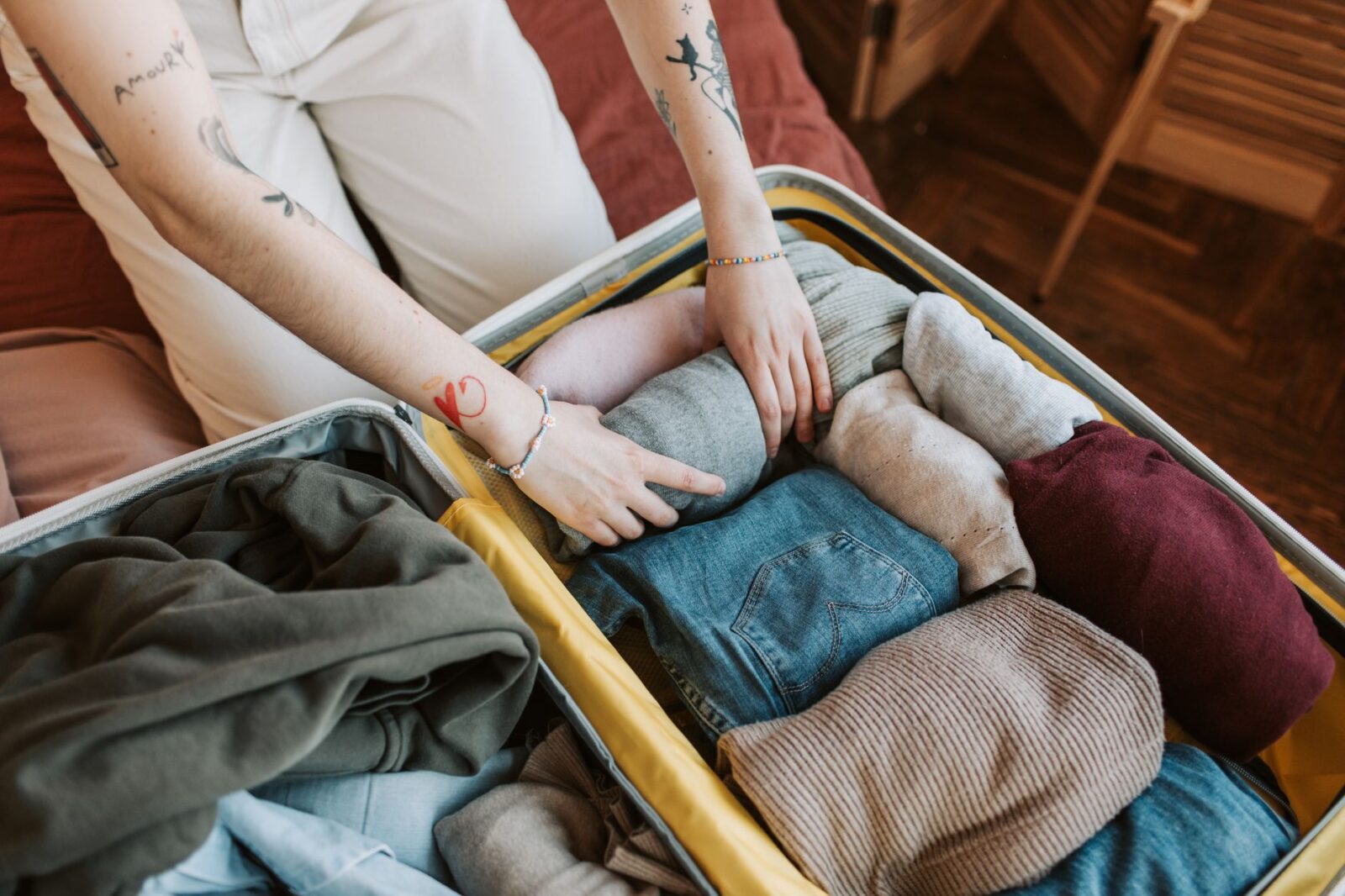
Lay each garment flat, smooth out wrinkles, then roll it tightly from one end to the other. Rolling reduces creases and allows you to see every item at a glance, which prevents over‑packing. A rolled t‑shirt occupies about 60 % of the volume of a folded one, according to packing‑cube manufacturers.
Place rolled items vertically inside packing cubes, standing them like files in a drawer. This method uses the full height of the cube and keeps clothes from shifting during transit. For bulky items such as sweaters or jackets, use the traditional fold but place them at the bottom of the cube where they provide a stable base.
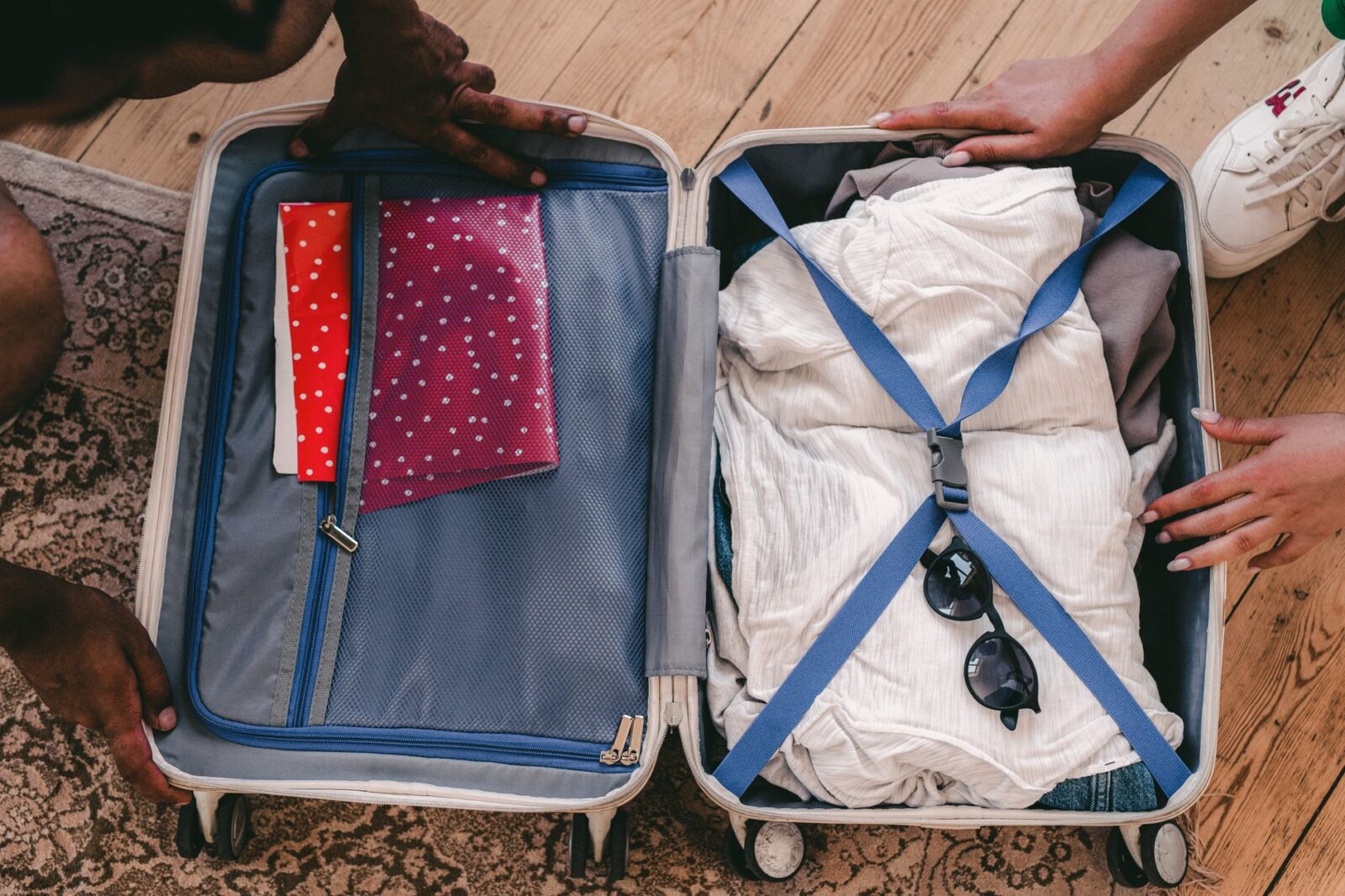
Invest in a set of four medium‑sized compression packing cubes. A quality set costs around $15–$20 USD and features a zipper that compresses the contents by up to 30 %. Use one cube for tops, one for bottoms, one for undergarments and socks, and the fourth for accessories or laundry. The compression feature alone can free up roughly 2 liters of space in a standard 22‑inch carry‑on.
Toiletries & Liquids: TSA Rules, Smart Containers, and Money‑Saving Hacks
At U.S. TSA checkpoints, liquids, gels, aerosols, creams, and pastes must be in containers of 3.4 oz (100 ml) or less and fit into a single quart‑size zip‑top bag. The same rule applies in the EU, Canada, Australia, and many other jurisdictions, though some countries impose stricter limits on aerosols.
Purchase a set of reusable silicone travel bottles. A four‑piece set (two 2‑oz bottles for shampoo and conditioner, one 1‑oz for lotion, and one 0.5‑oz for toothpaste) costs about $8 USD and lasts for years. Label each bottle with a waterproof marker to avoid mix‑ups.
Replace bulky tubes with solid alternatives: a bar of shampoo, a conditioner bar, and a toothpaste tablet. These items are not subject to the liquid rule, weigh less, and eliminate the risk of leaks. A shampoo bar typically costs $5–$7 and lasts 40–50 washes, saving roughly $3‑$4 per trip compared to buying travel‑size bottles.
Keep a small, fold‑out quart‑size bag in your personal item for quick access at security. This avoids the scramble of digging through your carry‑on and reduces the chance of forgetting a prohibited item.
Gear & Tech: Shoes, Electronics, and Personal Items That Fit
Shoes are the bulkiest items in any luggage. Limit yourself to two pairs: one comfortable walking shoe and one more dressy option that can double as a casual sneaker. Choose lightweight, packable models such as a pair of Nike Flex Experience runners ($50) and a pair of Allan Edmonds‑style loafers ($80) that can be worn with trousers or jeans.
Place shoes in shoe bags or at the bottom of your suitcase, heel to toe, filling the interior with socks or rolled underwear to use dead space. This technique can save up to 1 liter of volume per pair.
For electronics, bring only what you truly need: a smartphone, a compact charger, a universal travel adapter ($12), and a Kindle or paperback for reading. A 10 000 mAh power bank costs about $20 and provides two full charges for most phones, eliminating the need to hunt for outlets.
Use a cable organizer (a small zip pouch costing $4) to keep chargers, earbuds, and cables untangled. Wrap each cable using the over‑under method to prevent kinks and extend lifespan.
Personal items such as a passport, wallet, and medications should reside in a hidden zip pocket of your carry‑on or a travel belt worn under clothing. This keeps them secure and accessible without taking up packing space.
Laundry On the Go: Washing, Drying, and Reusing Clothes
Even a two‑week trip benefits from a mid‑journey refresh. Pack a lightweight, travel‑size laundry bag (a simple mesh sack costs $3) to store dirty clothes separately from clean ones. This prevents odors from spreading and makes it easy to locate items that need washing.
Many hostels, hotels, and even some Airbnb properties offer guest laundry machines for $2–$4 per load. If you are staying somewhere without facilities, use a portable washboard or a sink‑plug washing kit (about $10) and a quick‑dry travel towel. A single load of shirts, underwear, and socks can be cleaned in 15 minutes and hung to dry overnight.
Choose fabrics that dry quickly and resist wrinkles: merino wool, polyester blends, and nylon. A merino wool t‑shirt ($25) can be worn three times before needing a wash, while a cotton shirt may need cleaning after one wear. By selecting quick‑dry pieces, you reduce the number of garments you need to pack by roughly 25 %.
Bring a small packet of travel laundry detergent (single‑use packets cost $0.30 each) or a bar of wash‑and‑go soap ($4). This eliminates the need to hunt for detergent abroad and keeps your laundry routine consistent.
Airline‑Specific Checks, Common Mistakes, and Final Checklist
Before you zip your bag, verify the exact carry‑on dimensions for each leg of your journey. While many U.S. carriers allow 22 x 14 x 9 inches, budget airlines in Europe (such as Ryanair and EasyJet) often restrict bags to 20 x 15 x 10 inches and may charge $30–$50 at the gate for non‑compliant luggage.
A frequent mistake is overfilling the personal item. Remember that the personal item (purse, laptop bag, or small backpack) must fit under the seat in front of you. A laptop sleeve ($15) and a slim document holder ($8) keep this bag organized without exceeding size limits.
Another common error is forgetting prohibited items such as spare lithium batteries larger than 100 Wh or large liquids in the personal item. Keep a printed copy of the TSA prohibited items list (or save it on your phone) and review it the night before departure.
Use this final checklist before heading to the airport:
- Carry‑on dimensions measured with a tape rule (length + width + height ≤ 45 inches for most carriers)
- Quart‑size liquid bag sealed and accessible
- Two pairs of shoes packed, socks stuffed inside
- Laundry bag with dirty clothes separated
- Travel adapter, power bank, and cable organizer in side pocket
- Passport, wallet, medications in hidden zip pocket
- Compression cubes zipped and compressed
- Personal item under‑seat friendly (no bulky items)
Following this list reduces the chance of gate surprises, saves you from unexpected fees, and ensures you arrive at your destination with everything you need.
FAQ
Q: Can I really fit two weeks of clothing in a carry‑on if I need formal attire for a wedding or business meeting?
A: Yes. Choose one versatile dark suit or a blazer and matching trousers that can be worn with different shirts. Pack two dress shirts, one tie, and a pair of dress shoes. The blazer doubles as a casual jacket when paired with jeans, giving you both formal and casual options without extra bulk.
Q: What if my airline enforces a strict 7 kg (15 lb) weight limit for carry‑on?
A: Focus on lightweight fabrics. A merino wool shirt weighs about 150 g, while a cotton equivalent is roughly 250 g. By swapping five cotton tops for merino, you save ~0.5 kg. Choose a lightweight jacket (nylon shell ~300 g) instead of a heavy denim jacket (~600 g). These swaps can keep you under the limit without sacrificing comfort.
Q: Are compression packing cubes worth the extra cost?
A: A four‑piece set costs $15–$20 and typically saves 2–3 liters of volume, which is enough for an extra outfit or a pair of shoes. Over multiple trips, the cubes pay for themselves by reducing the temptation to check a bag and avoid $25–$50 fees per flight.
Q: How do I handle dirty clothes on a long layover without access to laundry?
A: Use the travel laundry bag to isolate odors. If you have a few hours, rinse items in a sink with travel detergent, wring them out, and lay them flat on a dry towel to air‑dry. Even a partial wash refreshes fabrics and extends wear time.
Q: Should I bring a travel iron or steamer?
A: Most wrinkles release naturally when clothes are rolled and unpacked. A travel steamer ($12) is useful for delicate fabrics but adds weight. For most trips, skipping the iron saves ~200 g and eliminates the need for a power outlet.
Stay informed with the latest travel news, visa updates, and destination guides. Follow HimalayanCrest.com for weekly travel intelligence delivered by our editorial team.