

Why Ireland Stays a Top Safe Destination in 2026
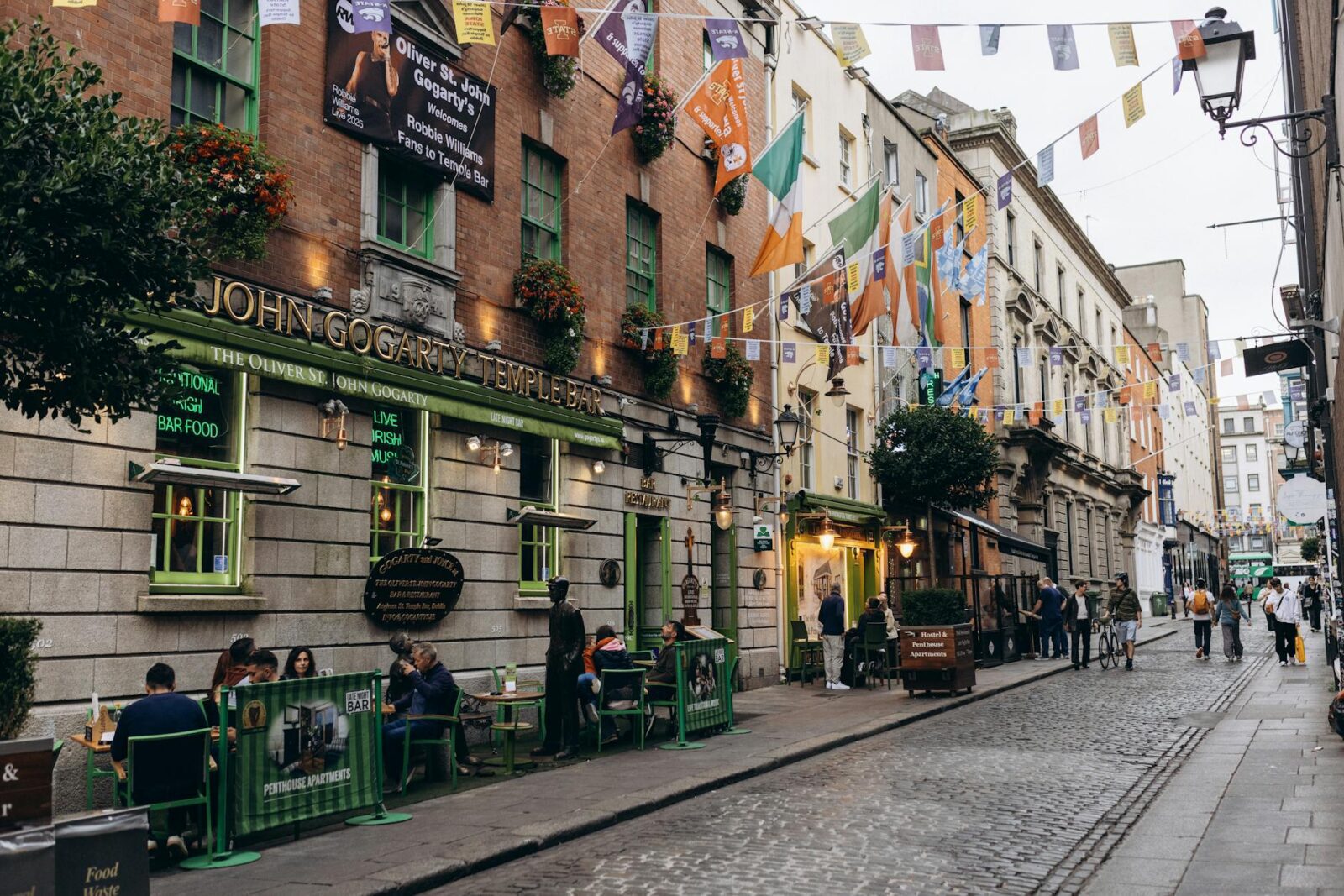
Picture yourself strolling Dublin’s lively Temple Bar, pint in hand, without a worry beyond the next rain shower. The U.S. State Department just reaffirmed Ireland’s **Level 1: Exercise Normal Precautions** status on March 20, 2026, signaling it’s as safe as ever for travelers worldwide. This lowest advisory level means Ireland poses no elevated risks compared to everyday international travel, putting it alongside spots like Canada and Australia. Our research at HimalayanCrest.com confirms this steady rating has held for decades, drawing millions who seek its emerald landscapes and warm pubs. For visa seekers, expats, and investors eyeing residency, this green light simplifies planning amid global uncertainties.
Petty crime remains the main watch-out, like purse snatching in tourist hubs such as Galway or Cork, but these are crimes of opportunity affecting locals and visitors alike. Large-scale demonstrations over local politics can pop up suddenly, potentially snarling Dublin’s traffic or Luas trams, yet they rarely turn violent. Seasoned travelers report blending in by ditching flashy jewelry and using hotel safes for passports. This advisory update arrives against a backdrop of worldwide cautions, especially in the Middle East, making Ireland’s stability shine brighter for families from India, Nigeria, or the Philippines dreaming of a secure European base.
With a population of 5.5 million and a GDP per capita hitting $112,895, Ireland’s economy hums with tech giants in Dublin’s Silicon Docks, fueling investor interest. Retirees love the mild climate—think 10-15°C summers in Kerry—while digital nomads thrive on fast Wi-Fi in cozy cafés. No major changes hit this advisory; it’s a routine refresh emphasizing vigilance, not alarm. Check the official U.S. site at travel.state.gov for real-time updates, and Ireland’s immigration portal at irishimmigration.ie for visa specifics.
Unpacking the March 2026 Advisory Refresh
The State Department’s update on March 20, 2026, keeps Ireland firmly at Level 1, the baseline for safe travel where risks mirror any trip abroad. No new threats emerged; it’s standard protocol to review advisories regularly, factoring in crime stats, health data, and political vibes. Petty theft tops the list in bustling areas like Trinity College or Cliffs of Moher viewpoints, but violent crime stays low—safer than many Asian or South American cities. Demonstrations, often tied to housing or climate issues, might block O’Connell Street but wrap up peacefully. Travelers from the UAE or South Korea, used to strict security, find Ireland’s laid-back enforcement refreshing.
This isn’t a downgrade or upgrade—it’s continuity. Unlike neighbors like the UK at Level 2 for terrorism risks, Ireland avoids heightened warnings. Our team cross-checked with OSAC reports, confirming low terrorism threats and solid U.S. consular support in Dublin and Belfast. For expats, this stability boosts confidence in long-term stays via Ireland’s Critical Skills Employment Permit, ideal for IT pros earning over €64,000 annually. Investors note the Immigrant Investor Programme requires €1 million minimum, now more appealing with this safety nod. Always verify via dfa.ie, Ireland’s foreign affairs site.
Global audiences appreciate the contrast: While a worldwide caution urges extra care in the Middle East, Ireland offers predictable safety. Nigerians planning family holidays or Filipinos scouting study visas can pack light on worries. Health-wise, CDC flags routine vaccines like MMR, but no exotic shots needed—pack rain gear instead for those Atlantic showers. This advisory empowers proactive planning, from booking Ryanair flights to securing B&B stays in the Wild Atlantic Way.
Who This Affects: From Tourists to Residency Hunters
Every nationality feels this positively—U.S., Indian, Brazilian, or Saudi travelers all get the same green light. Tourists face no extra hurdles; standard Schengen-like rules apply for short stays under 90 days in 180 for visa-free nationals. Digital nomads from Indonesia or Malaysia can extend via short-stay visas, working remotely in Cork’s vibrant startup scene. Retirees over 66 qualify for Stamp 0 permission if self-funded, loving low-crime villages like Adare.
Investors and citizenship seekers benefit most. The Immigrant Investor Programme, paused briefly post-COVID, now welcomes €400,000 enterprise investments, leading to residency after five years and potential citizenship. High-net-worth individuals from the Middle East pour in, citing safety as key. Expats in tech snag Critical Skills visas without job offers if qualified, transitioning to Stamp 4 after two years. Families from Africa or Asia find Ireland’s English-speaking ease and EU access unbeatable. No nationality-specific bans; it’s universal reassurance.
Compare to Portugal’s Golden Visa, which demands €500,000 but offers faster paths amid Level 1 status too. Ireland edges out for English fluency and tech jobs. Students from Nepal or Pakistan thrive on low-cost flights from Dubai hubs. This advisory indirectly boosts applications by signaling low-risk living.
Step-by-Step Action Plan for Travelers Right Now
First, enroll in STEP at step.state.gov for embassy alerts—free and vital during demos. Second, review your passport: Valid six months beyond stay, with two blank pages. Third, buy comprehensive travel insurance covering €30,000 medical evacuations; providers like World Nomads tailor for nomads. Fourth, check visa needs at irishimmigration.ie/visa-required—Indians need C-type tourist visas (€60), processed in 8 weeks.
Fifth, download offline maps like Maps.me for rural drives; Ireland’s left-side roads challenge even pros. Sixth, secure belongings with money belts in Dublin’s Grafton Street. For long-termers, apply for D-visas online via AVATS portal, gathering bank statements showing €50 daily funds. Seventh, monitor CDC at cdc.gov/travel/ireland for health tips. Act today: Flights from Lagos or Manila dip in shoulder seasons, saving 20-30%.
- Enroll in STEP immediately.
- Verify visa at official sites.
- Pack anti-theft gear.
- Insure fully before booking.
Petty Crime Hotspots and Smart Avoidance Tips
Dublin’s fair draws pickpockets like moths to lights—keep wallets front-pocketed. Galway’s Latin Quarter buzzes with buskers, but snatchers eye distracted phone users. Cork’s English Market tempts with cheeses, yet bags left unattended vanish. Rural spots like Ring of Kerry feel serene, but car break-ins hit parked campers. Stats show 80% of incidents target tourists via opportunity, not targeting.
Locals advise blending: Ditch logos, use Revolut cards over cash. Women from conservative regions like Pakistan note solo walks safe post-10 PM in cities. Families picnic freely in Phoenix Park, Europe’s largest enclosed. Drive cautiously—narrow roads claim newbie confidence, not lives. Rent automatics for $50/day from Shannon Airport.
Pro tip: Join free walking tours for insider dodges, or apps like bSafe for location shares. This vigilance keeps Level 1 real.

Visa Pathways for Expats, Nomads, and Investors
Digital nomads snag 90-day visas, extending via work permits if freelancing fits rules—no dedicated nomad visa yet, unlike Estonia. Retirees self-fund with €50,000 annual proof for permission to reside. Investors commit €1 million to funds or €400,000 businesses, gaining family residency. Citizenship after five years’ reckonable residence, naturalization €950 fee.
Compare Malta’s €30,000 annual residency—cheaper but hotter summers. Ireland’s EU passport power (top 5 globally) lures Filipinos. Techies from India grab 24-month permits, Stamp 1G allowing spouses work. Processing: 6-12 weeks, biometrics in embassies like New Delhi. Official link: irishimmigration.ie.
Ireland vs. Global Peers: Safety and Immigration Edge
Level 1 peers like New Zealand demand health bonds ($270 NZD), while Ireland skips. France (Level 2) battles strikes; Ireland’s demos milder. Portugal matches Level 1 with Golden Visas but slower queues. UAE expats prefer Ireland’s no-heat tax regime—12.5% corporate rate. South America’s Argentina (Level 1) offers cheap living but inflation woes; Ireland’s stability wins.
For Africans, Ireland’s English and jobs beat Latvia’s cold. Asia’s Japan (Level 1) restricts visas tighter. Ireland shines for balanced life costs: Dublin rents €2,000/month one-bed, groceries $400 monthly. Future: Post-Brexit, non-UK EU access grows appeal.
Future Outlook: Ireland’s Enduring Traveler Magnet
By late 2026, expect steady Level 1 barring shocks. Tech boom sustains investor inflows; green energy visas loom. Climate stays mild, tourism hits 10 million visitors. Nomads eye co-living in Sligo. Retirees bank on healthcare reciprocity with Australia, Philippines.
Geopolitics stable—EU anchor. Watch housing crunch, but rural gems abound. This advisory cements Ireland’s rep.
Frequently Asked Questions
Is Ireland safe for solo female travelers? Yes, Level 1 confirms low risks; stick to well-lit areas, use taxis at night. Reports show fewer incidents than London or Paris.
Do I need a visa for Ireland from India? Yes, apply for short-stay C visa at VFS Global; €60 fee, 8-week process. Check irishimmigration.ie.
What’s the investor visa minimum? €400,000 for enterprises; leads to residency. Details at official immigration site.
How’s driving in Ireland for beginners? Challenging left-side roads; rent automatics, avoid night rural drives. Insurance mandatory.
Any COVID rules in 2026? None per CDC; standard health checks. Vaccines recommended.
Share your Ireland plans in comments—what’s your must-see spot? Tag friends eyeing safe escapes!
Stay informed with the latest travel news, visa updates, and destination guides. Follow HimalayanCrest.com for weekly travel intelligence delivered by our editorial team.