

Hours-Long Lines Spark Bold TSA Overhaul
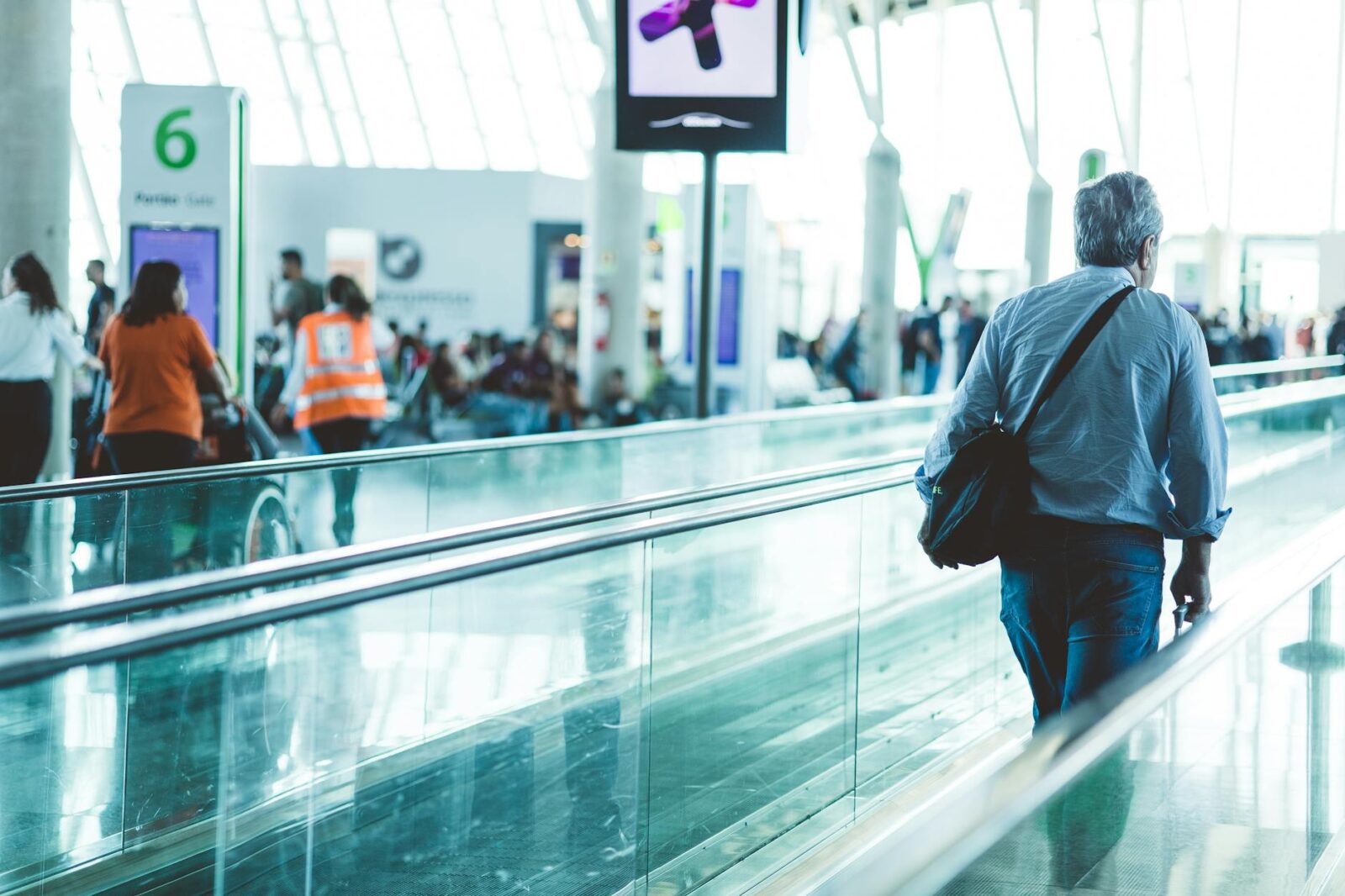
Imagine arriving at a bustling U.S. airport like Atlanta or Los Angeles, only to face a three-hour wait at security because federal screeners called out unpaid during a government shutdown. This nightmare became reality for millions of travelers in recent months, as TSA officers missed two paychecks each across two shutdowns, leading to 10% or more daily absences and chaos at checkpoints nationwide. Now, the Trump administration’s 2027 budget proposal drops a bombshell: privatize TSA screening operations to slash costs and end such disruptions, starting with a $52 million budget cut and mandating small airports join the existing Screening Partnership Program.
Seasoned travelers from Manila to Mumbai know airport delays can derail entire trips, turning a quick connection into a missed flight and costly rebookings. Our research at HimalayanCrest.com reveals this push isn’t just American politics—it’s a signal for global flyers eyeing U.S. hubs. Private screeners, already in use at 20 airports, have shown cost savings over federal operations, per the White House, promising faster lines for everyone from Nigerian business travelers to Filipino families heading home.
This move builds on years of Republican efforts to shrink TSA’s federal role, accelerated by shutdown fallout where an executive order paid workers and ICE agents filled gaps. Travelers worldwide felt the pinch, with reports of hours-long queues at major gateways like Chicago O’Hare and Dallas-Fort Worth. As airports in Europe like London’s Heathrow experiment with private models, U.S. privatization could reshape transatlantic and transpacific routes.
Shutdown Chaos: The Trigger for Change
Government shutdowns hit TSA hard, with the latest partial closure of the Department of Homeland Security causing widespread staffing shortages. Officers, unpaid for two cycles in each of two shutdowns, simply stayed home, spiking absenteeism to over 10% daily and creating gridlock at security lines across U.S. airports. Passengers from Asia, Europe, and beyond reported waits stretching two to three hours, missing flights and stranding families at hubs like Miami International.
The administration responded swiftly with an executive order ensuring back pay and deploying ICE agents to bolster checkpoints, but the damage was done—reputations tarnished and travelers furious. This wasn’t isolated; similar issues plagued smaller regional airports too, where thin staffing amplified the crisis. Our analysis shows these events exposed TSA’s vulnerability to federal budget battles, prompting the privatization pivot announced in the Friday budget release.
From a traveler’s lens, this chaos echoes global pains: think Delhi’s long immigration queues or Johannesburg’s peak-hour bottlenecks. But U.S. airports handle over 2.9 million passengers daily pre-shutdown, making fixes urgent. The proposal targets this by shifting to private contractors paid by TSA, a model proven at select sites to cut costs without skimping on safety.
Screening Partnership Program: Proven Path Forward
At the heart of the plan is TSA’s Screening Partnership Program (SPP), where private firms handle screening under federal oversight—currently operational at 20 airports, including major ones like San Francisco International and Miami. These sites demonstrate clear cost savings versus federal staffing, as airports report efficiencies in hiring and operations. The budget mandates small airports enroll, using the $52 million cut to fund the transition without expanding TSA’s footprint.
For international visitors, this means potentially smoother security at U.S. entry points. Private operators, motivated by performance metrics, could reduce those infamous lines that plague holiday rushes. Travelers from the Philippines or UAE, often routed through LAX or JFK, stand to benefit most, as privatization aims to mirror efficient models in places like Canada’s Toronto Pearson, where private elements speed flows.
Critics worry about consistency, but proponents highlight data: SPP airports maintain federal standards while saving taxpayer dollars. This isn’t full abolition—yet. It’s a phased start, with the White House calling it reform for a “troubled agency” plagued by inefficiencies. Global nomads take note: if rolled out, expect ripple effects on connecting flights worldwide.
Global Echoes: How U.S. Security Shifts Affect World Travel
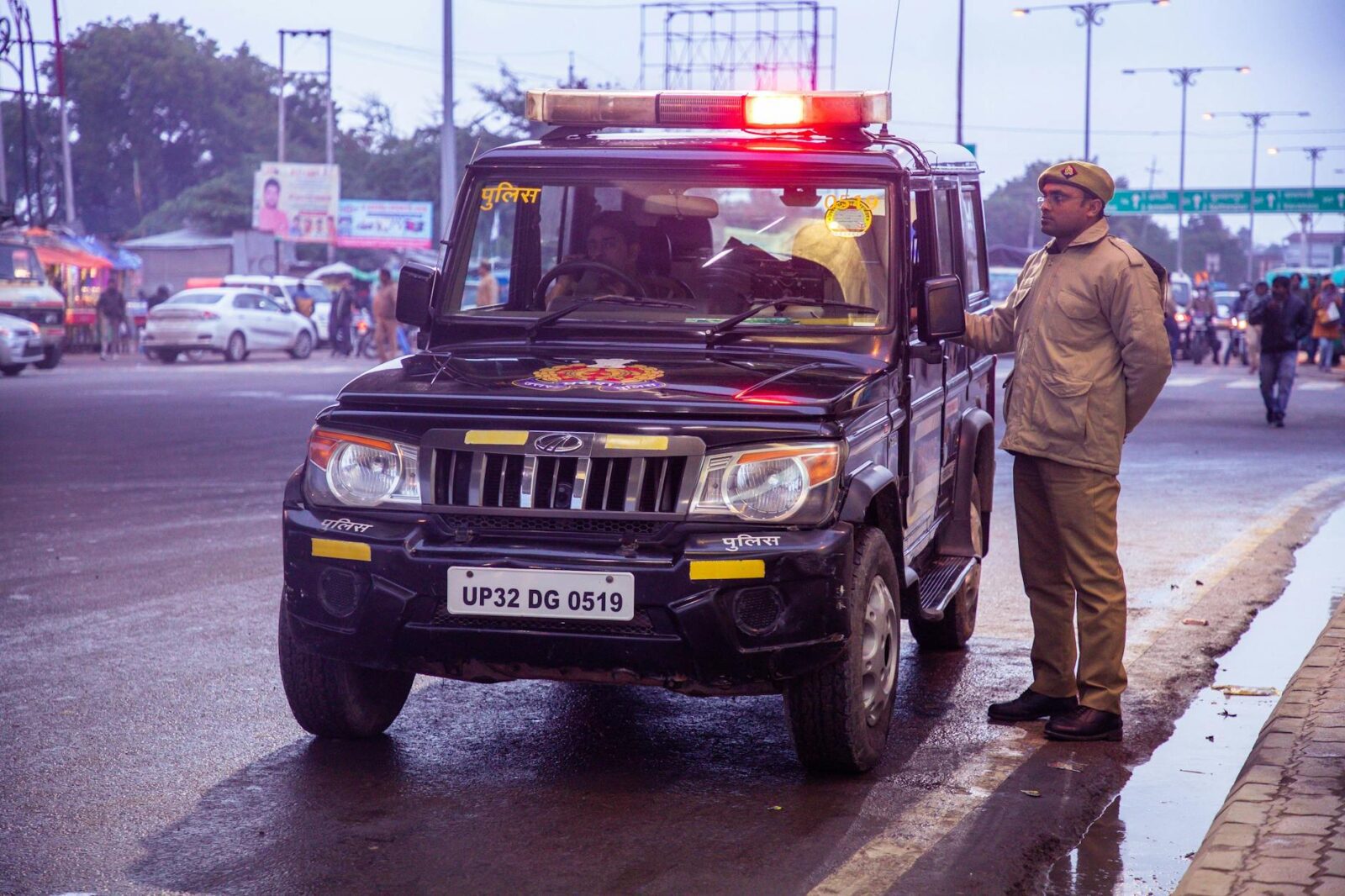
U.S. airports aren’t islands; they gateway 45% of global air traffic for many routes from Asia and Europe. Privatizing TSA could inspire similar moves elsewhere, like the UAE’s efficient private-heavy model at Dubai International, where waits rarely exceed 15 minutes. In contrast, federal TSA’s shutdown woes highlight risks of government-run security in budget crunches, a lesson for India’s expanding hubs or Indonesia’s Bali Ngurah Rai.
Our experts track trends showing privatization rising: London’s major airports use private screeners with success, cutting costs by up to 20% in some studies. If Trump’s plan succeeds, it pressures competitors—think Singapore’s Changi, already a benchmark—to innovate further. Travelers from Nigeria to Nepal, planning U.S. layovers, could see faster transits, boosting one-stop itineraries.
Yet, broader trends warn of pitfalls: pre-9/11 U.S. private security fragmented responses, leading to TSA’s creation. Today’s geopolitical tensions, from Middle East routes to Pacific trade, demand unified standards. Privatization might streamline but risks uneven enforcement across 400+ U.S. airports, impacting global alliances like Star Alliance hubs.
What Travelers Face: Practical Trip Adjustments Now
With uncertainty looming, book flights with flexible policies—Airlines like Emirates or Qatar offer free changes for U.S.-bound routes amid disruptions. Arrive three hours early for international flights at major hubs like New York JFK, where lines historically peak during changes. Download TSA’s app for real-time wait times, a tool saving hours for savvy globetrotters from Bangkok to Buenos Aires.
Opt for TSA PreCheck or Global Entry, costing $78-$100 (about ₹6,500 or ₦160,000), slashing waits to minutes—essential for frequent flyers from the Philippines or South Africa. Avoid peak shutdown-risk periods like December holidays; shift to January for smoother sails. Families report packing light reduces stress, as private screening might enforce stricter liquid rules uniformly.
Monitor official sites: tsa.gov for U.S., or your home embassy for alerts. International carriers like ANA or Lufthansa provide lounge access during delays, turning waits into perks. This proposal matters now—budget airlines may hike fees if privatization lags, so lock in fares early.
Budget Cuts and Wallet Impact: Costs Travelers Should Watch
The $52 million TSA slash funds SPP expansion, but travelers might see indirect hits: private firms could pass efficiencies as lower ancillary fees, or raise them if oversight adds costs. PreCheck renewals stay $70 every five years, but expect pushes for private equivalents at $50-80 annually in USD (roughly AED 180-300). Shutdowns cost airlines millions in delays, often passed to passengers via surcharges.
Globally, compare: Europe’s private screening keeps fees low (€10-20), suggesting U.S. savings potential. But if Republican bills like the “Abolish TSA Act” advance, full privatization in three years could spike insurance premiums on tickets by 5-10%, per industry estimates. Budget travelers from India or Pakistan, flying economy, pad $50-100 per leg for buffers.
Positive flip: faster lines mean fewer missed connections, saving $200+ rebooking fees. Track via dhs.gov; savvy planners from Morocco to Mexico allocate 10% extra for U.S. legs amid flux.
Expert Outlook: Privatization’s Rocky Road Ahead
Short-term, small airports shift to SPP by 2027, testing waters at 100+ sites with proven savings. Full privatization faces hurdles: Senate needs 60 votes, unlikely with Democrats opposing, echoing Project 2025’s deunionization push that’s already in court. Secretary Kristi Noem’s moves to end bargaining for 50,000 agents fuel resistance, potentially delaying rollout to 2028.
Optimists predict 30% efficiency gains, like Canada’s model; skeptics fear pre-9/11 lapses. FAA oversight via a new Aviation Security Office could standardize. For world travelers, expect pilots at 50 airports by 2029, reshaping U.S. as a privatization leader alongside Australia.
Our forecast: partial success by mid-2027, with lines cut 20-30% at pioneers. Watch Congress; global routes stabilize as Asia-Pacific carriers adapt.
Frequently Asked Questions
Will TSA privatization make U.S. airport lines shorter? Likely yes at SPP airports, where private screeners show cost savings and faster operations. Early data from 20 sites indicates reduced waits, but full effects depend on rollout speed—expect improvements at small airports first by 2027.
Does this affect international travelers? Absolutely, as U.S. hubs process most transoceanic flights. Faster security aids connections from Dubai or Manila, but monitor tsa.gov for changes; Global Entry remains key for non-U.S. citizens.
What if the government shuts down again? Privatization aims to insulate screeners from federal pay issues, as contractors get paid directly. Past shutdowns saw 10% absences; this targets that vulnerability.
How much will it cost passengers? Minimal direct fees now, but watch for PreCheck hikes or ticket surcharges. Savings could lower airline costs long-term, per budget docs.
Is TSA being fully abolished? No—the budget starts privatization steps, not elimination. Bills like Abolish TSA Act propose three-year phase-out with FAA oversight, but passage is uncertain.
Privatization promises leaner U.S. skies, but execution is key. Share your airport horror stories or predictions in comments—have you faced shutdown lines? Tag friends planning U.S. trips and subscribe for updates on global travel shifts.
Stay informed with the latest travel news, visa updates, and destination guides. Follow HimalayanCrest.com for weekly travel intelligence delivered by our editorial team.