

The Miraculous Flame That Unites
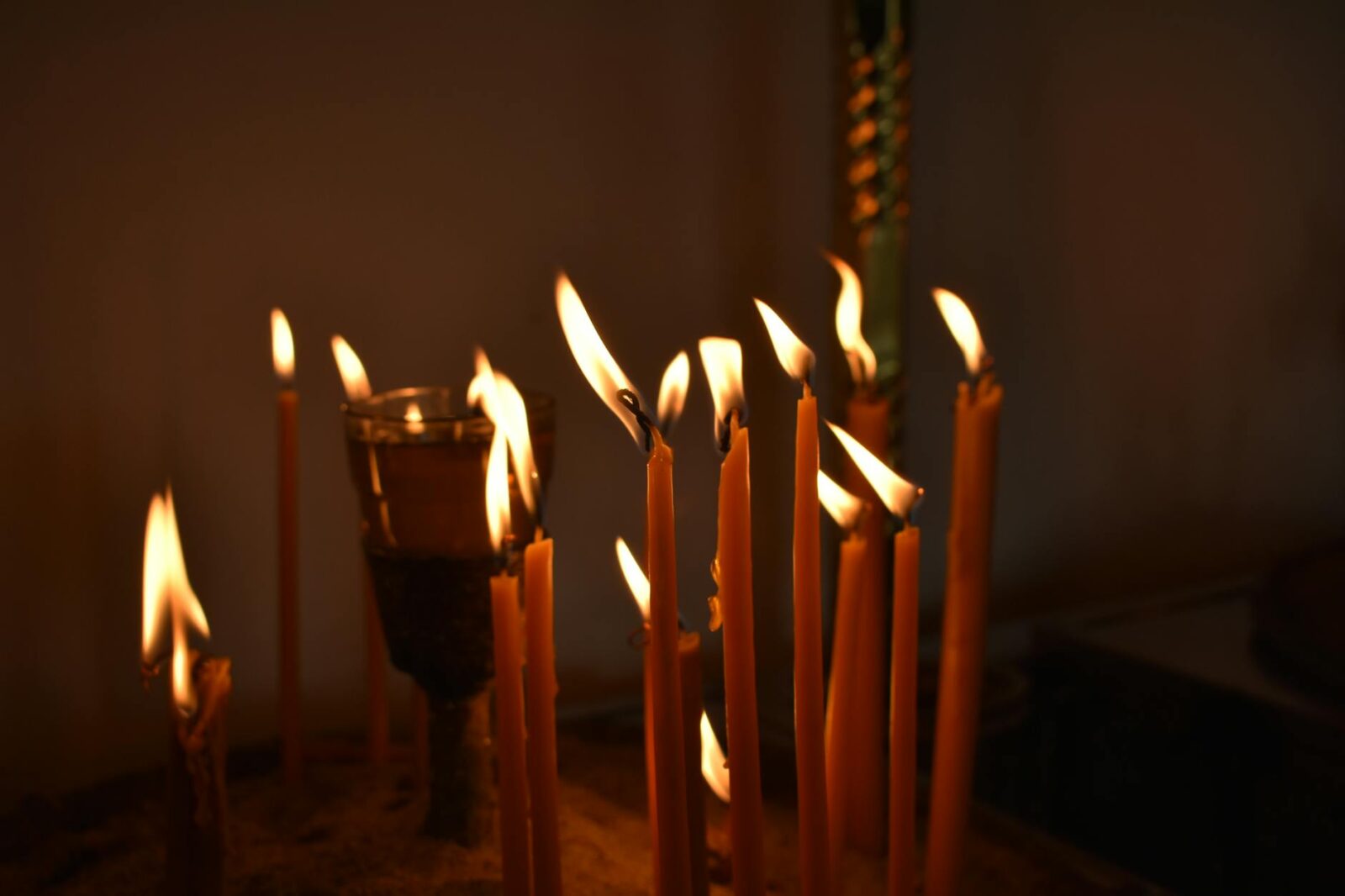
In the heart of Jerusalem, where ancient stones whisper tales of history, a miraculous event unfolds each year that transcends borders and beliefs. On Orthodox Easter Saturday, the Church of the Holy Sepulchre becomes the epicenter of a divine spectacle — the lighting of the Holy Fire. This sacred ceremony, steeped in tradition and revered by millions, serves as a powerful symbol of hope and unity, especially poignant amidst the region’s ongoing conflicts.
Inside the Holy Sepulchre: A Timeless Tradition
The Holy Fire ceremony, held at the Church of the Holy Sepulchre, marks the pinnacle of Orthodox Easter celebrations. Each year, thousands of pilgrims from around the world gather to witness the moment when the Patriarch of Jerusalem enters the tomb of Christ and emerges with a flame believed to have been miraculously ignited. This flame is then shared among the congregation, spreading a light that symbolizes the resurrection of Jesus and the enduring hope it brings.
Global Reverberations Amidst Regional Tensions
In a world where borders often define and divide, the Holy Fire transcends these limitations, uniting Christians from diverse backgrounds — Syrian, Armenian, Russian, and Greek Orthodox, to name a few. As the flame travels from Jerusalem to Greece, Cyprus, and beyond, it carries a message of peace and unity. This year’s ceremony, held under heightened security due to regional tensions, underscores the resilience of faith in the face of adversity.
Practical Travel Considerations for Pilgrims
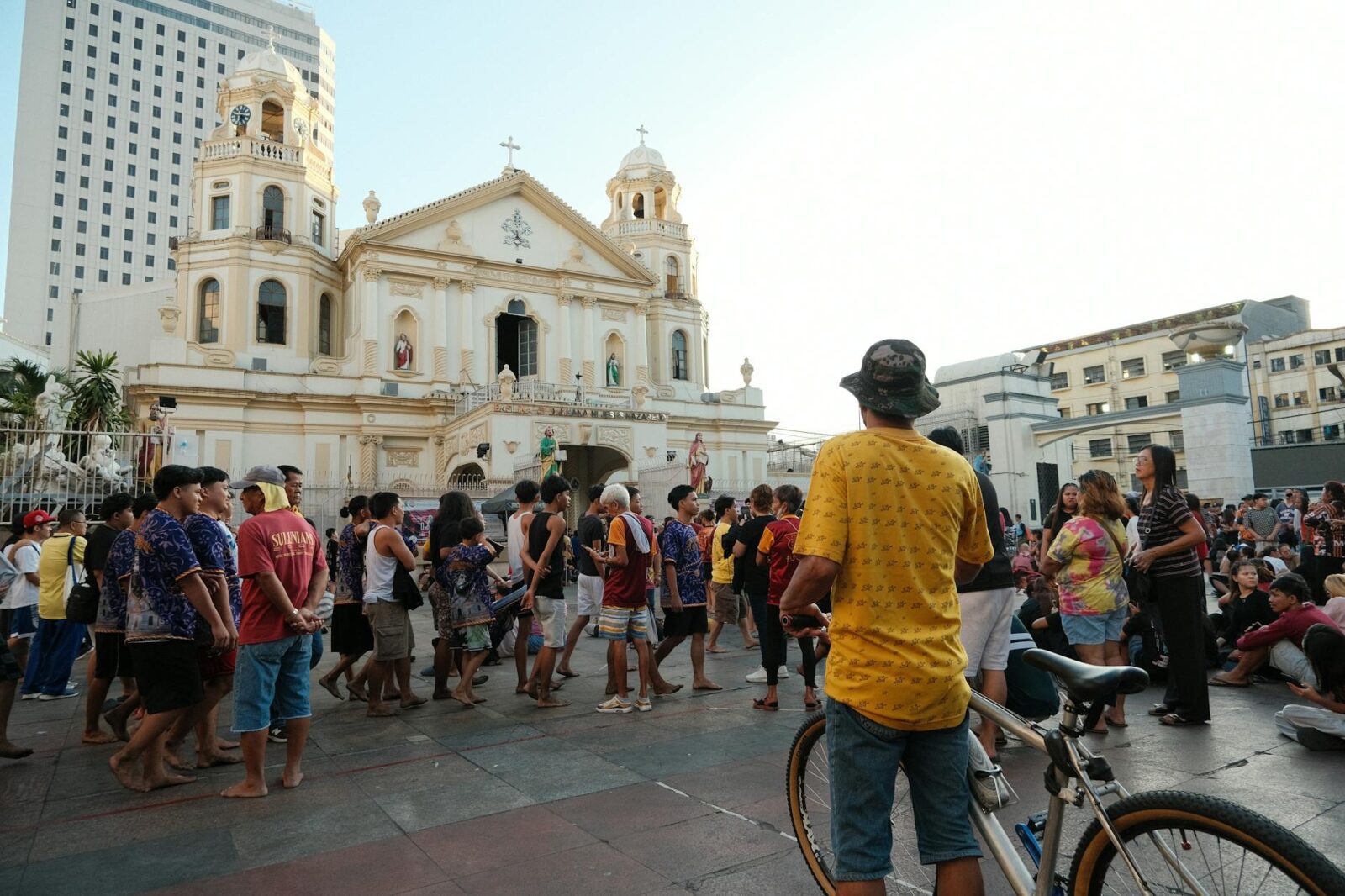
For those planning to witness this miraculous event, several practical considerations are paramount. Security measures are stringent, with increased police presence to ensure the safety of attendees. Travelers should plan for potential delays and allow extra time for security checks. Additionally, accommodation costs in Jerusalem can vary widely, with prices ranging from $100 to $300 per night depending on proximity to the Old City.
Looking Ahead: The Future of the Holy Fire
As geopolitical tensions continue to shape the region, the future of the Holy Fire ceremony may evolve. Experts suggest that the event’s significance will only grow, serving as a beacon of hope and a call for unity. While the path forward remains uncertain, the enduring nature of this tradition offers a reminder of the power of faith to bridge divides.
Budgeting for a Spiritual Journey
Travelers planning a pilgrimage to Jerusalem should be prepared for varying costs. Aside from accommodation, other expenses include meals, with a typical meal costing between $10 and $25. Transportation within the city is relatively affordable, with options like the Jerusalem Light Rail offering convenient access to major sites for about $2 per trip. Budget-conscious travelers should consider exploring local markets for affordable souvenirs and meals.
Frequently Asked Questions
What is the Holy Fire ceremony?
The Holy Fire ceremony is an annual event held on Orthodox Easter Saturday at the Church of the Holy Sepulchre in Jerusalem. It involves the miraculous lighting of a flame that symbolizes Jesus’ resurrection and is revered by Orthodox Christians worldwide.
Who can attend the Holy Fire ceremony?
The ceremony is open to all, but due to its popularity, space within the church is limited. Pilgrims are advised to arrive early and be prepared for security checks.
How does the Holy Fire travel to other countries?
After the ceremony, the Holy Fire is transported via special flights to various Orthodox Christian countries, including Greece and Cyprus, where it is received with great reverence and used to light candles in churches across the region.
What should travelers expect in terms of safety?
Given the current regional tensions, travelers should expect heightened security measures around the Old City and major religious sites. It’s advisable to stay informed of local news and follow any travel advisories issued by your government.
How can I experience the Holy Fire ceremony if I can’t travel?
Many churches around the world hold services that include the Holy Fire brought from Jerusalem. Additionally, the ceremony is often broadcast live, allowing those unable to travel to participate virtually.
Stay informed with the latest travel news, visa updates, and destination guides. Follow HimalayanCrest.com for weekly travel intelligence delivered by our editorial team.