

The Allure of Bali for Digital Nomads
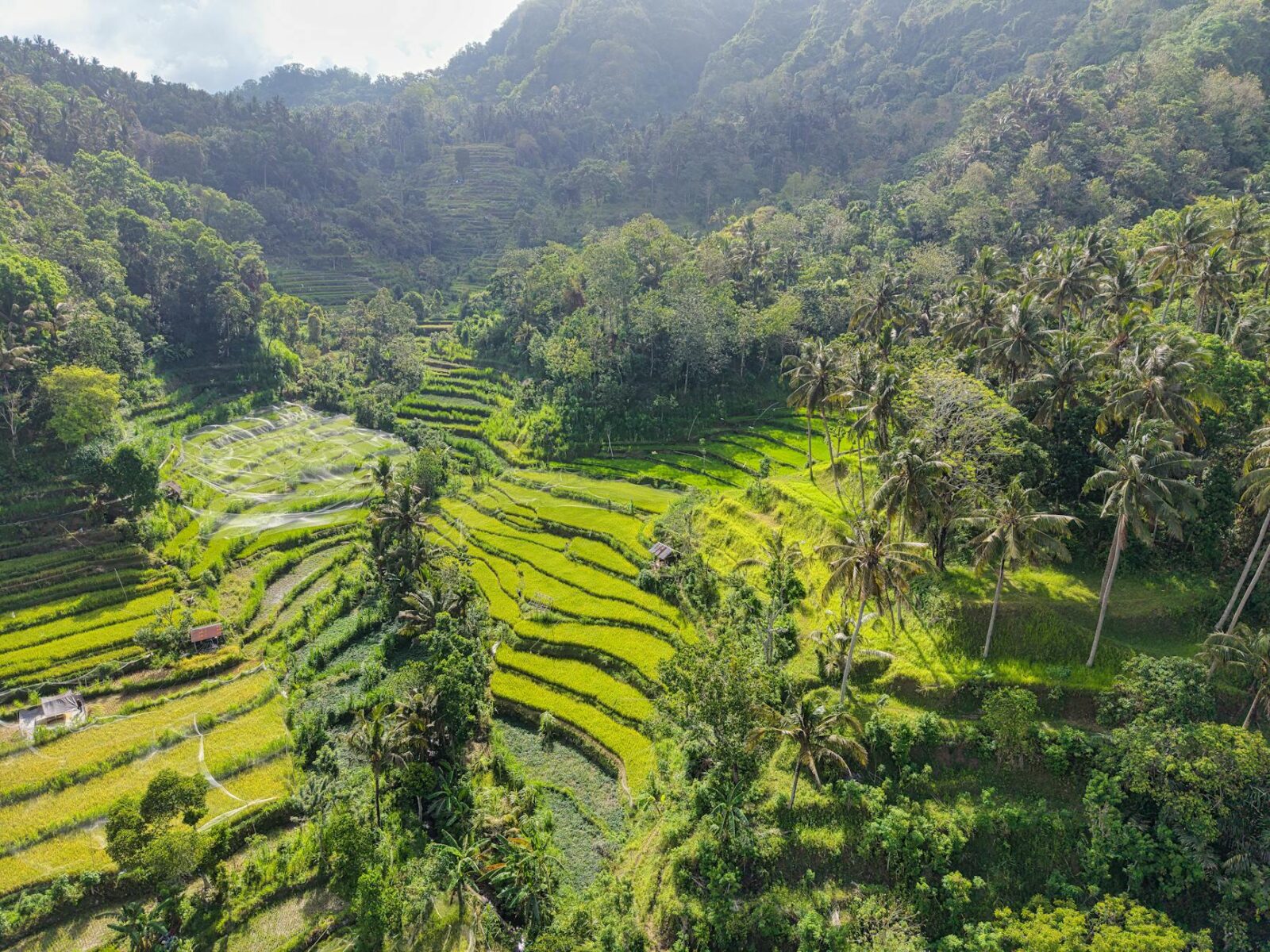
Imagine waking up to the sound of waves crashing against a pristine beach, your workspace a cozy café with a backdrop of lush rice paddies. This is not a distant dream but a reality for many digital nomads choosing Bali as their new home. As of 2026, the Indonesian government has introduced the Remote Worker Visa (E33G), a game-changer for those wishing to blend work with the island’s breathtaking scenery.
The E33G Remote Worker Visa Explained
The E33G Remote Worker Visa, often referred to as the Bali Digital Nomad Visa, is designed for foreign professionals who work for companies outside Indonesia. This visa allows them to legally reside in Bali while continuing their remote work, offering a harmonious blend of work and leisure. The visa is valid for up to five years, providing long-term stability for those looking to immerse themselves in the island’s vibrant culture.
Cost and Application Process
The application fee for the E33G visa is approximately 21,000,000 IDR, which is roughly 1,400 USD. Prospective applicants need to demonstrate a steady income, ensuring they can support themselves during their stay. The process requires proof of employment, a valid passport, and a health insurance policy that covers the duration of their stay in Indonesia. The application can be submitted online, simplifying the process for nomads globally.

Living in Bali: Internet, Housing, and Lifestyle
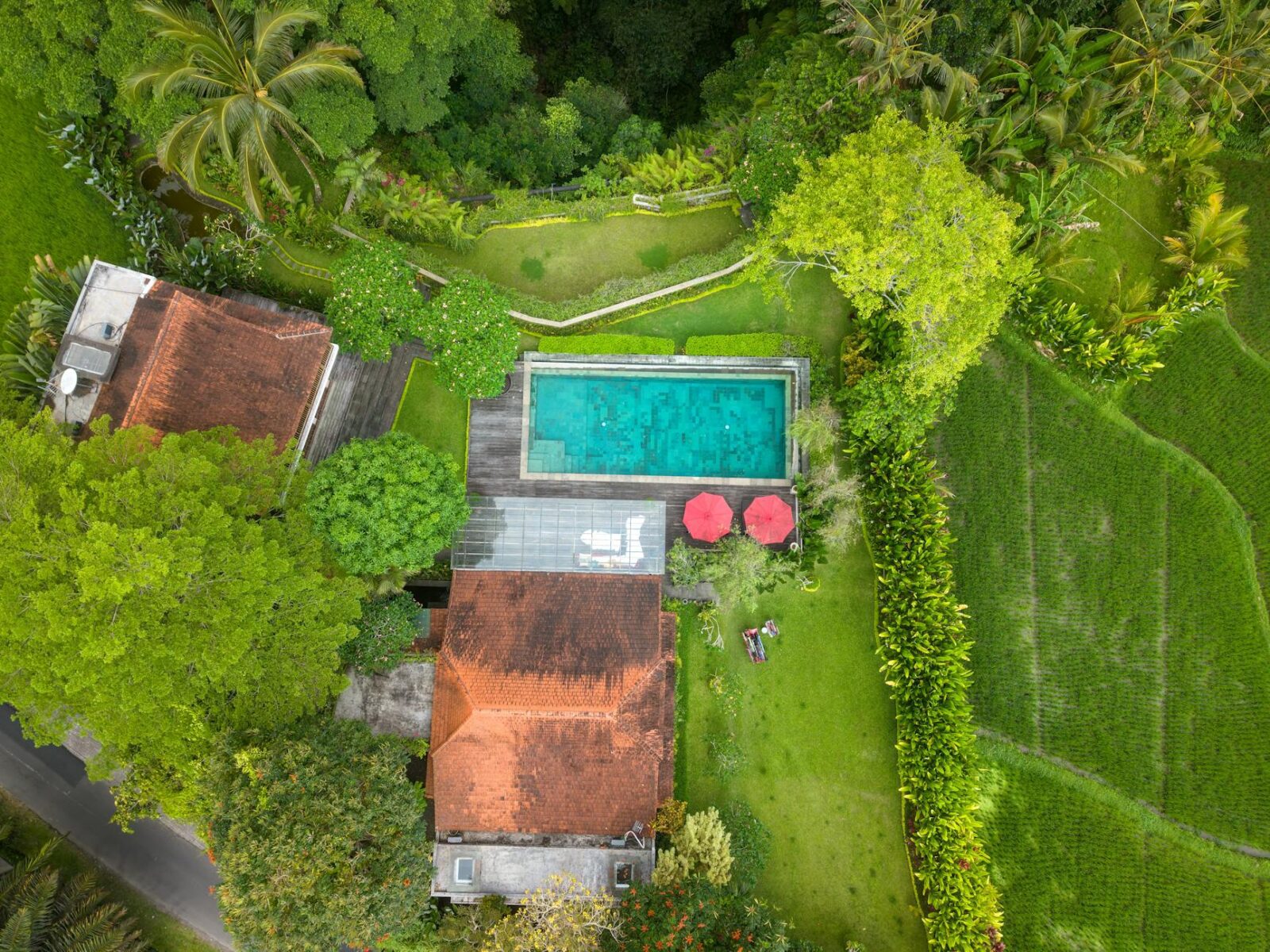
Bali has embraced the digital nomad lifestyle with open arms, offering robust 4G connectivity and fiber optic internet, crucial for professionals who depend on a reliable connection. The cost of living in Bali is relatively low, with monthly expenses ranging from 800 to 1,500 USD, depending on one’s lifestyle choices. From affordable villas in Ubud to chic apartments in Seminyak, Bali offers a variety of housing options to suit different preferences.
Planning Your Move: When to Go and What to Bring
The best time to move to Bali is during the dry season, which spans from May to September, offering sunny days ideal for exploring the island. It’s advisable to pack light, breathable clothing, given Bali’s tropical climate. Essential items include a power bank, international adapters, and a reliable laptop for work. Don’t forget to bring some personal items that remind you of home, as they can be comforting during your initial adjustment period.
Insider Tips for a Smooth Transition
Seasoned travelers recommend joining local digital nomad groups on social media to connect with the community even before arriving. This network can provide invaluable advice on the best places to live, work, and socialize. Additionally, consider enrolling in a basic Indonesian language course to enhance your interaction with locals and enrich your cultural experience.
Alternative Destinations: If You Love Bali, Try These
If Bali’s allure captivates you, you might also enjoy other tropical paradises like Thailand’s Koh Samui or Vietnam’s Da Nang, both offering vibrant expat communities and a laid-back lifestyle. For those seeking a more urban environment, cities like Kuala Lumpur and Singapore provide a dynamic blend of work opportunities and cultural experiences.
Your Step-by-Step Guide to Applying
- Ensure your passport is valid for at least six months beyond your planned stay.
- Gather proof of employment and a steady income.
- Secure a health insurance policy covering your stay in Indonesia.
- Complete the online application and pay the visa fee.
- Prepare for an interview, if required, at your nearest Indonesian consulate.
FAQs About Bali’s Digital Nomad Visa
What is the validity period of the E33G visa?
The E33G Remote Worker Visa is valid for up to five years, allowing for long-term residency in Bali.
Do I need to pay taxes in Indonesia with this visa?
The E33G visa does not require holders to pay local income taxes on foreign earnings, making it financially attractive for remote workers.
Can I bring my family with me?
Yes, visa holders can bring their family members, provided they meet the necessary requirements and apply for dependent visas.
Is it easy to find accommodation in Bali?
Yes, Bali offers a wide range of accommodation options, from budget-friendly hostels to luxury villas. It’s advisable to book temporary accommodation for the first few weeks and explore long-term options upon arrival.
Are there any language barriers?
While Bahasa Indonesia is the official language, English is widely spoken, especially in tourist areas and among the digital nomad community.
Conclusion: Your Bali Adventure Awaits
Bali’s Digital Nomad Visa presents a unique opportunity for professionals to work remotely while enjoying the island’s unparalleled beauty. With its affordable living, welcoming community, and rich cultural experiences, Bali is more than just a destination—it’s a way of life. Share your experiences and insights in the comments, and start planning your Bali adventure today!
Stay informed with the latest travel news, visa updates, and destination guides. Follow HimalayanCrest.com for weekly travel intelligence delivered by our editorial team.