

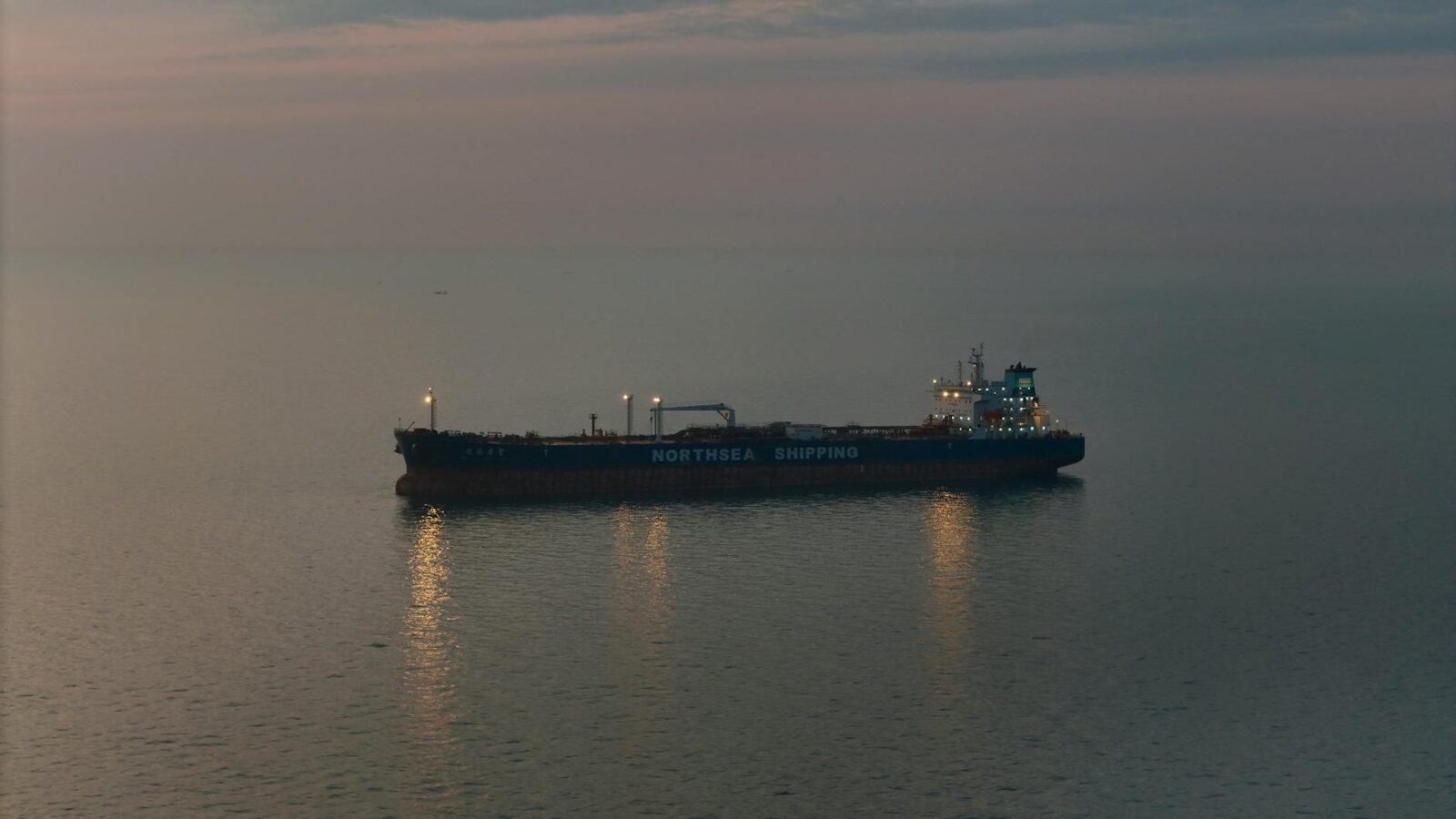
The Strait of Hormuz: A Global Artery
Imagine a vital artery in the body of global trade, where a blockage could cause significant economic tremors across the world. This is the Strait of Hormuz, a critical passage that links the Persian Gulf with the Gulf of Oman and the Arabian Sea. Approximately 20% of the world’s petroleum passes through this narrow waterway, making it a linchpin for international energy security.
Current Developments: A Call for Global Responsibility
On April 17, 2026, world leaders convened in Paris to address the urgent need to reopen the Strait of Hormuz. British Prime Minister Keir Starmer, alongside French President Emmanuel Macron, co-hosted a virtual summit with representatives from about 40 nations. The focus was on restoring the free passage of vessels and reinforcing the fragile ceasefire in the region, a move seen as essential to stabilizing global economic conditions.
Who Is Affected?
The reopening of the Strait of Hormuz is not just a regional concern but a global one. Countries reliant on oil imports, such as India, China, and Japan, stand to be most affected by any disruptions. Additionally, businesses and industries worldwide that depend on stable oil prices are closely monitoring the situation. The initiative also impacts international investors, particularly those involved in energy sectors, digital nomads, and retirees who are sensitive to fluctuations in living costs.

Guidance for Affected Travelers and Businesses
For those affected by the closure, staying informed through reliable sources is crucial. Check updates on official government websites, such as gov.uk for UK residents or travel.state.gov for US citizens. Businesses should assess their supply chains and consider diversifying their energy sources to mitigate risks.
International Comparisons: How Others Handle Similar Challenges
Different nations have varied approaches to handling such geopolitical challenges. For instance, during past disruptions, Japan has focused on diversifying its energy imports, while European countries have often turned to diplomatic channels to ensure stability. The current initiative led by the UK and France mirrors similar efforts in the past, emphasizing international cooperation over unilateral actions.
Impact on Investors and Global Economy
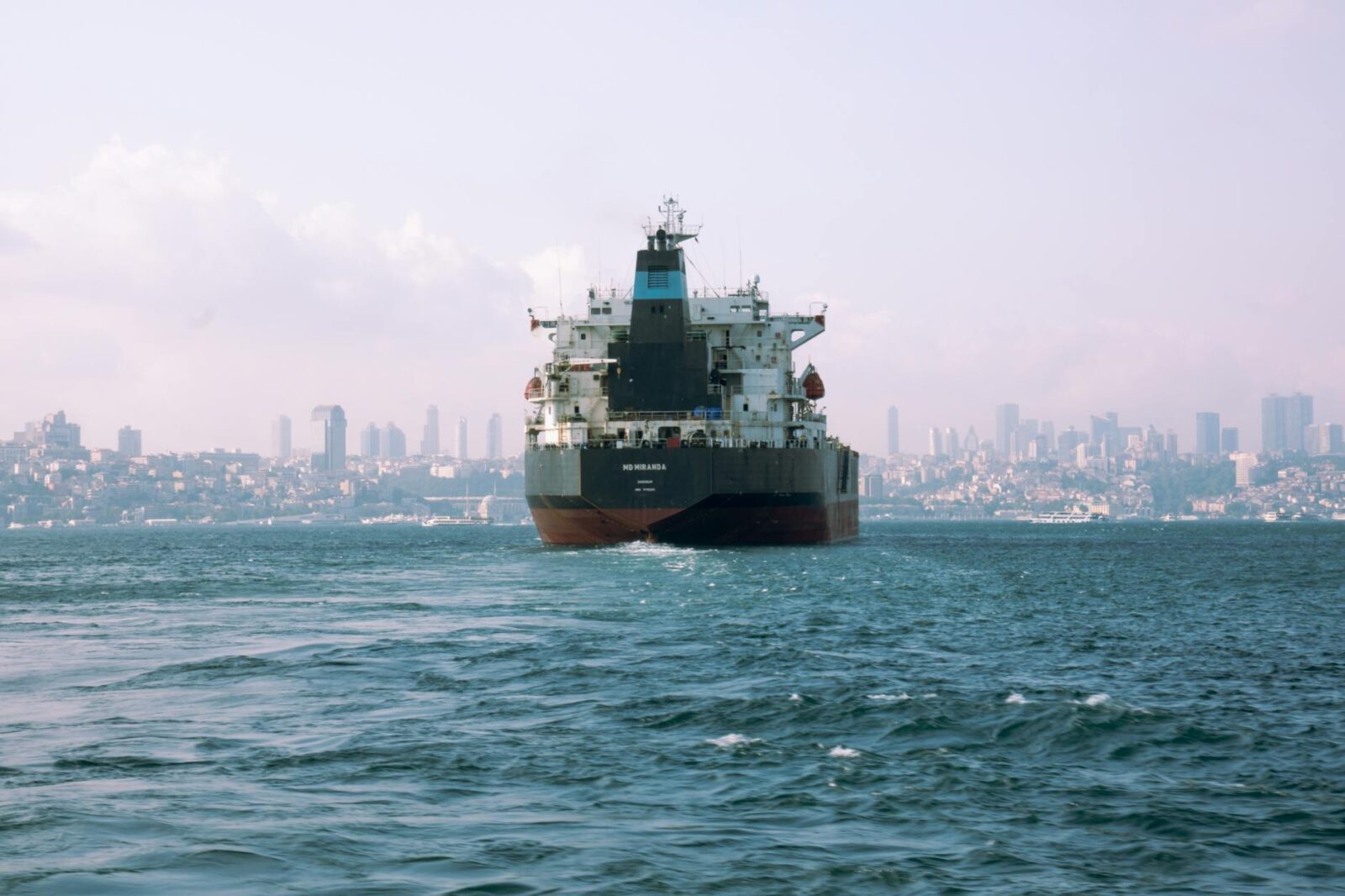
For investors, the reopening of the Strait of Hormuz is a critical development. Energy markets are particularly sensitive to changes in shipping routes, and a stable Strait could mean more predictable pricing. Digital nomads and retirees, who often choose locations based on cost of living and economic stability, should also watch these developments closely.
Future Outlook: A Path to Long-term Stability
While the immediate goal is to reopen the Strait and ensure safe passage for ships, the long-term objective is to establish a framework for enduring peace and stability in the region. This includes continued diplomatic efforts and possibly creating an international task force dedicated to monitoring and securing the Strait.
FAQs
Why is the Strait of Hormuz so important?
The Strait of Hormuz is vital because it is a major conduit for global oil shipments, with about 20% of the world’s petroleum passing through it.
What actions are being taken to reopen the Strait?
World leaders are focusing on diplomatic efforts to maintain a ceasefire and ensure the free passage of ships through the Strait.
How does this affect global oil prices?
Any disruption in the Strait can lead to increased oil prices globally due to restricted supply routes.
What can businesses do to prepare for such disruptions?
Businesses should diversify their supply chains and consider alternative energy sources to mitigate potential risks.
Are there any travel restrictions due to the situation?
Currently, there are no direct travel restrictions, but travelers should stay informed through official channels for any updates.
Conclusion: Join the Conversation
The reopening of the Strait of Hormuz is a complex issue with global implications. We encourage our readers to share their thoughts and insights on this development, fostering a broader understanding of how such geopolitical events impact us all.
Stay informed with the latest travel news, visa updates, and destination guides. Follow HimalayanCrest.com for weekly travel intelligence delivered by our editorial team.