

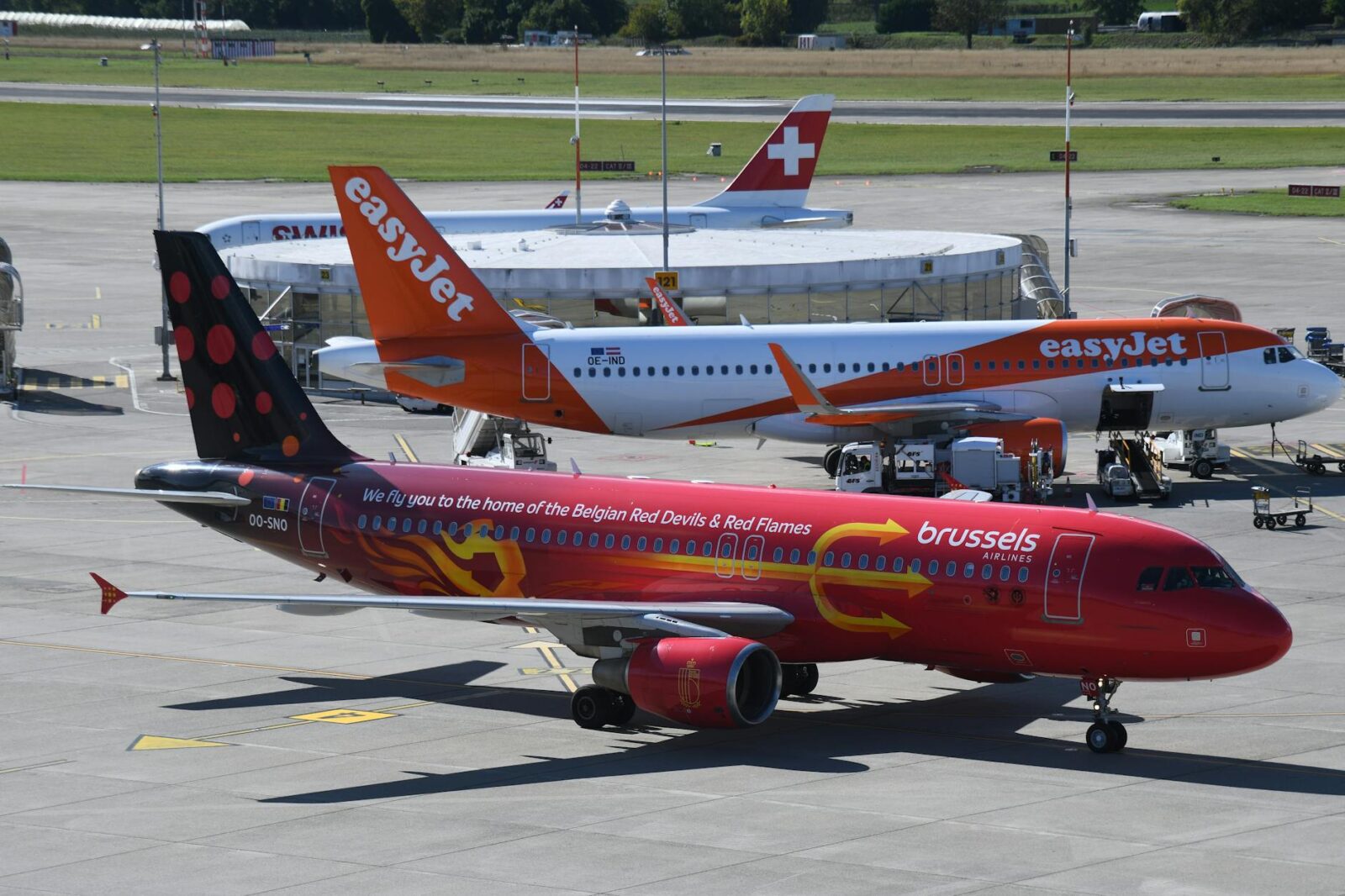
A Turbulent Proposal: United’s Bold Move
In a bold move that could have reshaped the aviation landscape, United Airlines recently proposed a merger with American Airlines. This news, which surfaced on April 17, 2026, has sent ripples through the travel industry. The merger would have created the world’s largest airline, a colossal entity dominating the skies. However, American Airlines has decisively rejected this proposal, citing concerns over competition and antitrust regulations. This rejection not only halts what could have been a historic merger but also raises questions about the future dynamics of the airline industry.
Understanding the Stakes: Why This Matters
Why does this matter to the average traveler? A merger of this magnitude between two of the largest airlines in the United States could have significant implications for air travel. It would likely lead to reduced competition, potentially increasing ticket prices and reducing service options. Furthermore, it could have ramifications on the quality of service, as less competition often correlates with less incentive for airlines to innovate and improve. American Airlines’ rejection of the merger is thus seen as a protective measure for both the market and consumers.
The Current Landscape: Context in Global Travel
The airline industry is no stranger to mergers and acquisitions, a trend that has been on the rise globally. For instance, in 2013, the merger between American Airlines and US Airways created the then-largest airline. More recently, JetBlue’s bid to acquire Spirit Airlines in 2025, though ultimately unsuccessful, highlighted the ongoing consolidation trend. The current geopolitical climate, with its fluctuating fuel prices and varying levels of government regulation, also plays a crucial role in shaping such corporate strategies. Airlines are continuously seeking ways to bolster their market positions and expand their global reach.

Practical Implications for Travelers
For travelers planning their journeys, the immediate impact of American Airlines’ decision is stability in the available choices for air travel. This rejection ensures that United and American remain separate entities, preserving competition in the market. As a result, travelers can expect to see continued competitive pricing and a variety of service offerings. However, it is advisable for travelers to stay informed about any potential changes in airline alliances or partnerships that could affect flight options or benefits such as loyalty program points.
Looking Ahead: What to Expect Next
As the dust settles from this high-profile rejection, the question on everyone’s mind is: what next? Industry experts suggest that while this particular merger has been shelved, the desire for consolidation within the airline industry is far from over. Airlines may look towards smaller partnerships or strategic alliances as alternative pathways to achieve growth and efficiency. Additionally, regulatory bodies will continue to play a pivotal role, as any future mergers or acquisitions will be closely scrutinized to ensure compliance with antitrust laws.
Financial Implications: Budgeting for Air Travel
For travelers budgeting for air travel, the rejection of the merger maintains the status quo in terms of pricing strategies. While no immediate fare hikes are anticipated as a result of this decision, travelers should remain vigilant of other factors that could influence costs, such as fuel price fluctuations and seasonal demand. To optimize travel budgets, consider booking flights well in advance and exploring various carriers to find the best deals. Utilizing travel rewards and loyalty programs can also provide cost-saving benefits.
FAQ: Common Questions Answered
Will ticket prices increase due to the merger rejection?
No immediate price hikes are expected as a direct result of the merger rejection. However, travelers should monitor broader market trends.
How does this affect frequent flyer programs?
Frequent flyer programs remain unchanged for now, as American and United continue to operate separately. Travelers should keep an eye on any future partnerships that might affect program benefits.
What does this mean for international travel options?
International travel options remain diverse, with both airlines maintaining their current routes. The rejection does not alter their existing international operations.
Are there any alternative mergers or alliances in the works?
While no specific alternatives have been announced, the industry trend suggests that airlines will continue exploring partnerships and alliances to enhance their market positions.
How can travelers stay informed about future airline industry changes?
Travelers can stay updated by following industry news through reputable travel publications, subscribing to airline newsletters, and setting up alerts for any major announcements.
Conclusion: A Flight Path Forward
The rejection of the United-American merger proposal underscores the complex dynamics of the airline industry. While this particular bid has been grounded, it is a reminder of the ever-evolving nature of air travel and the importance of competition for consumer benefit. As travelers, staying informed and adaptable is key to navigating these changes. We invite readers to share their thoughts and experiences in the comments below, fostering a community of informed and engaged travelers.
Stay informed with the latest travel news, visa updates, and destination guides. Follow HimalayanCrest.com for weekly travel intelligence delivered by our editorial team.