

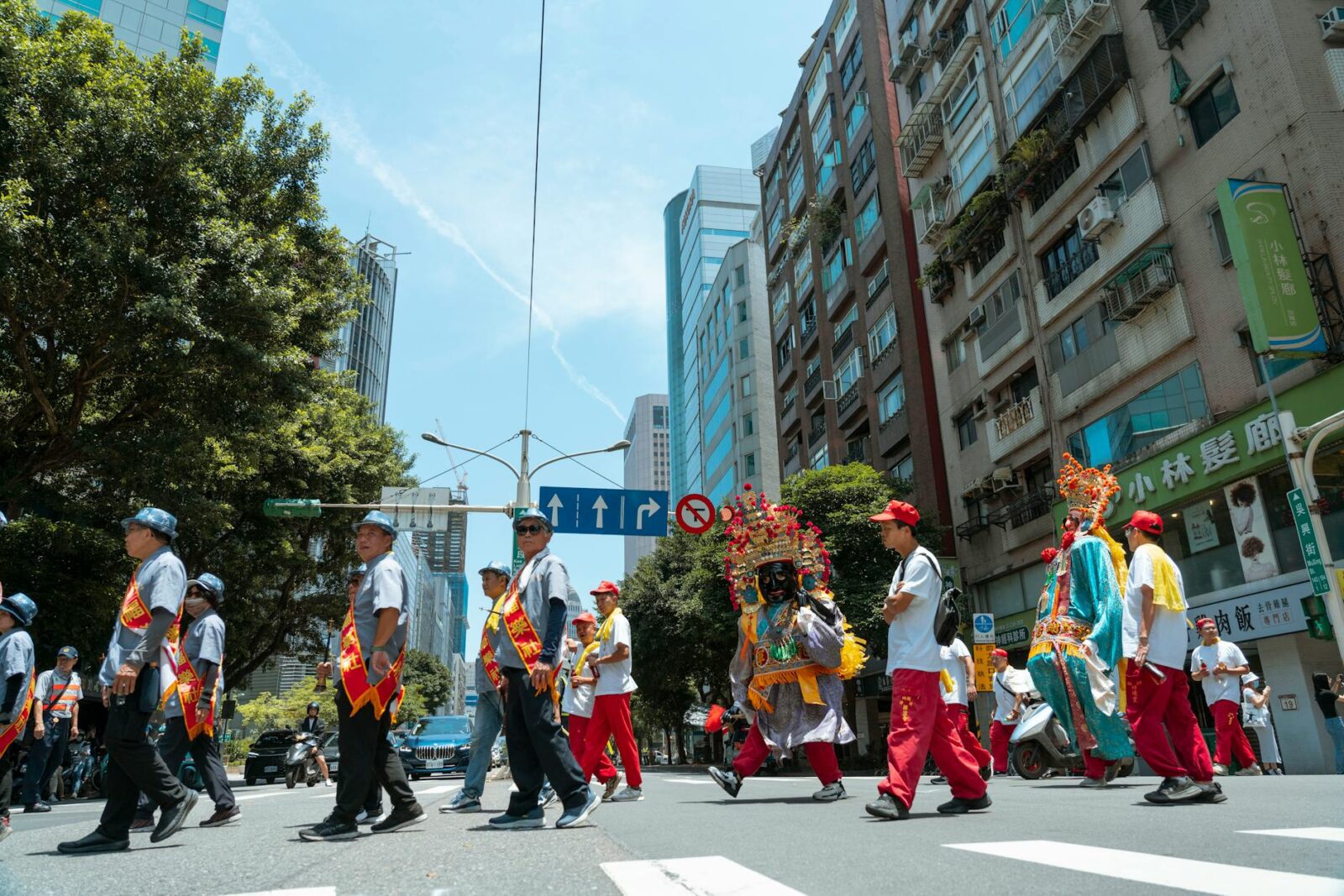
India’s Unforgettable Charm: Why Now?
India, a land of vibrant cultures and breathtaking landscapes, is more enticing than ever in 2026. With its rich history, diverse traditions, and modern innovations, it offers something for every traveler. Whether you’re drawn to the majestic Himalayas or the bustling streets of Mumbai, India promises an experience that is both timeless and contemporary. The country’s appeal is further enhanced by its evolving infrastructure, making travel more accessible and comfortable. As the world opens up post-pandemic, India stands out as a destination where one can experience ancient traditions and cutting-edge developments side by side.
The Enigmatic North: Himalayas and Beyond
For those seeking tranquility and adventure, the northern regions of India are unparalleled. Ladakh, known for its monasteries and surreal landscapes, offers a spiritual retreat amidst its rugged terrain. The best time to visit is between June and September when the weather is most pleasant. For winter sports enthusiasts, Gulmarg in Jammu and Kashmir transforms into a snowy paradise from December to February. Visitors can indulge in skiing and snowboarding, with a day pass costing around $40 USD. Meanwhile, the lush valleys of Himachal Pradesh, such as Manali and Shimla, provide a cooler escape during the summer months.
Cultural Riches of Rajasthan
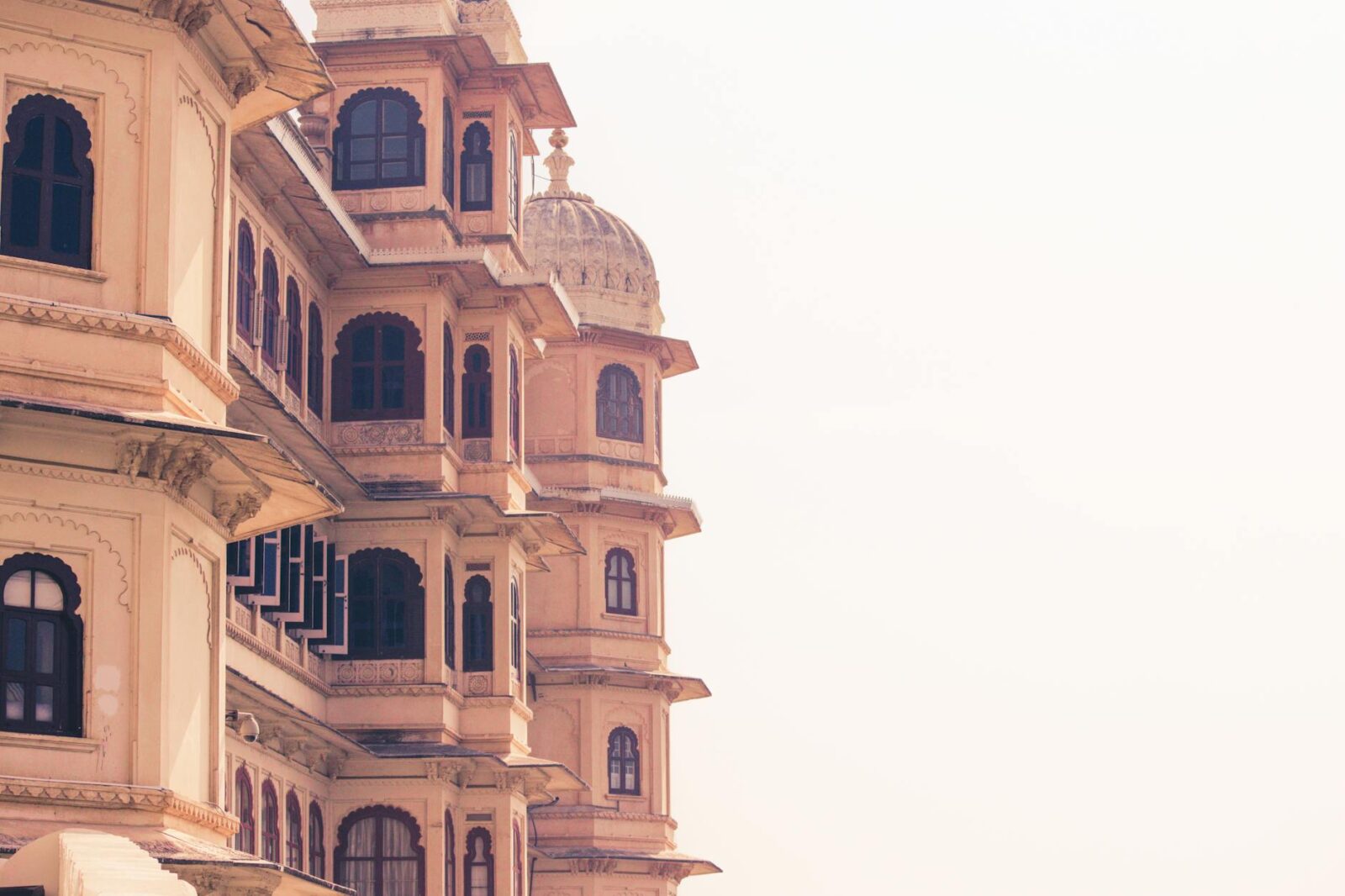
Rajasthan, the land of kings, captivates with its royal palaces and vibrant festivals. Jaipur, the Pink City, is a must-visit for its stunning architecture, including the iconic Hawa Mahal and the Amer Fort. Entry fees range from $5 to $10 USD. Udaipur, often referred to as the Venice of the East, charms visitors with its serene lakes and romantic palaces. The City Palace, a blend of Rajasthani and Mughal architecture, is a highlight. Don’t miss the Desert Festival in Jaisalmer, held every February, where the golden sands come alive with music, dance, and camel races.
Southern Splendor: Tamil Nadu and Kerala
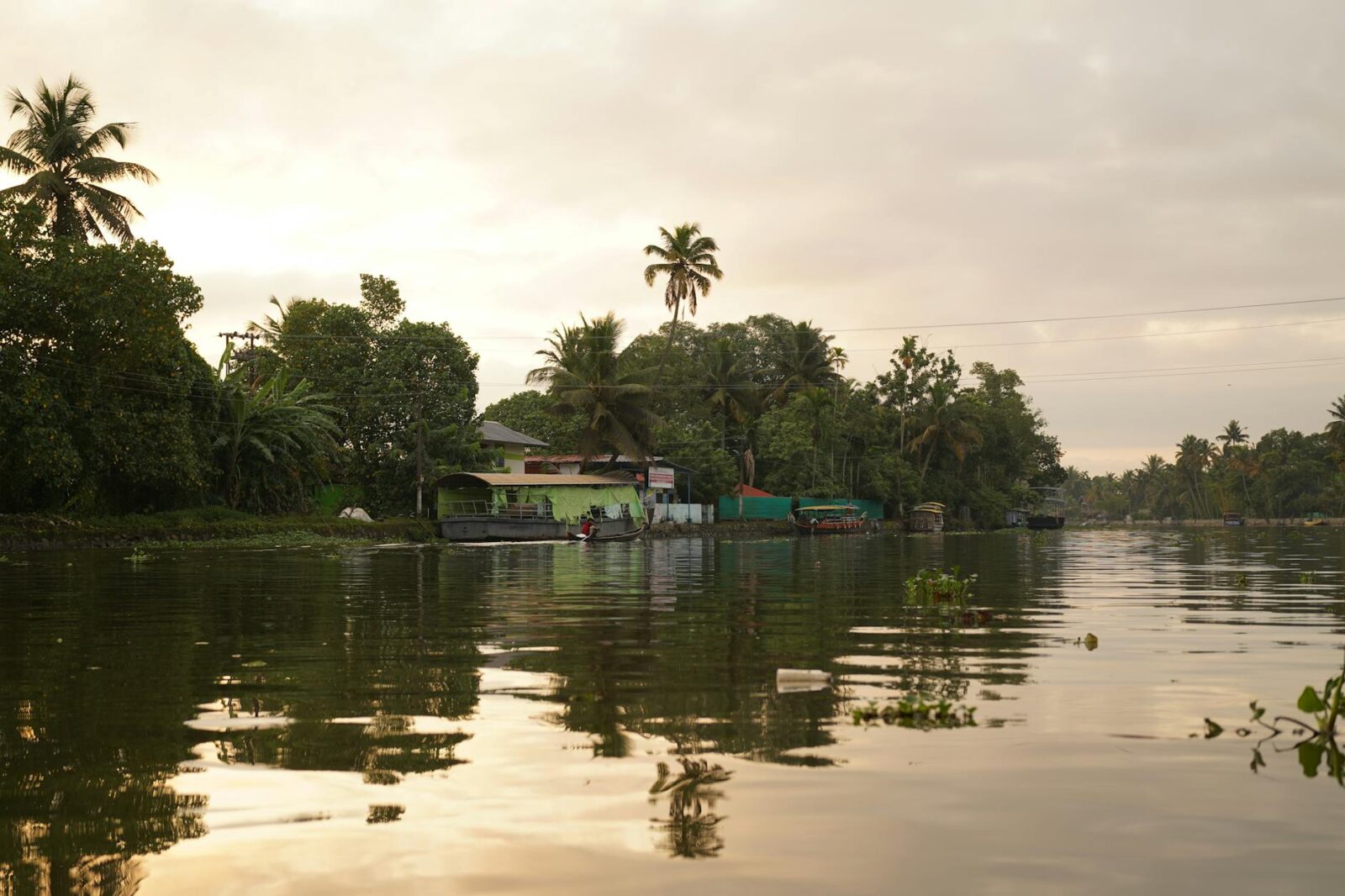
The southern states of Tamil Nadu and Kerala offer a different flavor of India. Chennai, the capital of Tamil Nadu, is a hub of Dravidian culture and history. The Kapaleeshwarar Temple, with its intricate carvings, is a masterpiece of architecture. For beach lovers, Marina Beach provides a perfect spot to relax. In Kerala, the backwaters of Alleppey offer a tranquil experience. Renting a houseboat for a day costs around $100 USD, providing an intimate glimpse into the serene life along the water.
Eastern Explorations: Kolkata and Beyond
Kolkata, the cultural capital of India, is a city of contrasts. From the historic Howrah Bridge to the bustling Mullick Ghat Flower Market, it offers a sensory overload. Book lovers should not miss College Street, where countless shops brim with literary treasures. The city is also a gateway to the scenic beauty of the Sunderbans, home to the majestic Bengal tiger. For a taste of tranquility, the tea gardens of Darjeeling, accessible via a scenic train ride, offer breathtaking views of the Himalayas.
Western Wonders: Mumbai and Goa
Mumbai, the city that never sleeps, is a melting pot of cultures and dreams. From the iconic Gateway of India to the bustling streets of Colaba, the city pulsates with energy. A visit to the Elephanta Caves, a UNESCO World Heritage Site, is a must for history buffs. For a more relaxed pace, head to Goa, famous for its beaches and vibrant nightlife. The state hosts the Sunburn Festival every December, drawing music lovers from around the world. Beach shacks offer delicious seafood at reasonable prices, with meals costing as little as $10 USD.
Planning Your Indian Adventure: Practical Tips
When planning a trip to India, timing is crucial. The best months to visit vary by region, with the north being ideal in summer and the south in winter. Budget travelers can find affordable accommodations, with hostels starting at $15 USD per night. For those seeking luxury, India’s palaces and resorts offer opulent experiences. Keep in mind that a tourist visa is required for most nationalities, which can be applied for online through the official Indian government website. Currency exchange rates fluctuate, so it’s wise to keep an eye on the current rates, with $1 USD equating to approximately 75 INR.
FAQs: Your Questions Answered
What is the best time to visit India?
The best time to visit India depends on the region. Generally, the cooler months from October to March are ideal for most parts of the country.
Do I need a visa to travel to India?
Yes, a tourist visa is required for most travelers to India. You can apply online through the Indian government’s official e-visa portal.
What should I pack for my trip to India?
Pack light, breathable clothing, especially for the hotter months. A good pair of walking shoes, a hat, and sunscreen are also essential. In religious sites, modest attire is required.
How can I stay safe while traveling in India?
Stay informed about local customs and traditions, keep your belongings secure, and use reputable transportation options. It’s also advisable to drink bottled water to avoid any health issues.
What is the currency used in India?
The Indian Rupee (INR) is the official currency. It’s advisable to have some local currency on hand, especially for small purchases and tipping.
Stay informed with the latest travel news, visa updates, and destination guides. Follow HimalayanCrest.com for weekly travel intelligence delivered by our editorial team.