

Alaska vs Caribbean: Two Worlds Apart
Choosing between an Alaska cruise and a Caribbean cruise is less about picking a ship and more about deciding what kind of vacation you crave. Alaska offers towering glaciers, abundant wildlife, and rugged wilderness that feels like stepping into a nature documentary. The Caribbean, by contrast, delivers warm turquoise waters, vibrant island cultures, and endless opportunities for beach relaxation or snorkeling over coral reefs. Both regions attract millions of cruisers each year, but the experiences they provide are fundamentally different. Understanding those differences helps you match the itinerary to your interests, budget, and travel style.
Why Alaska Cruises Shine Right Now
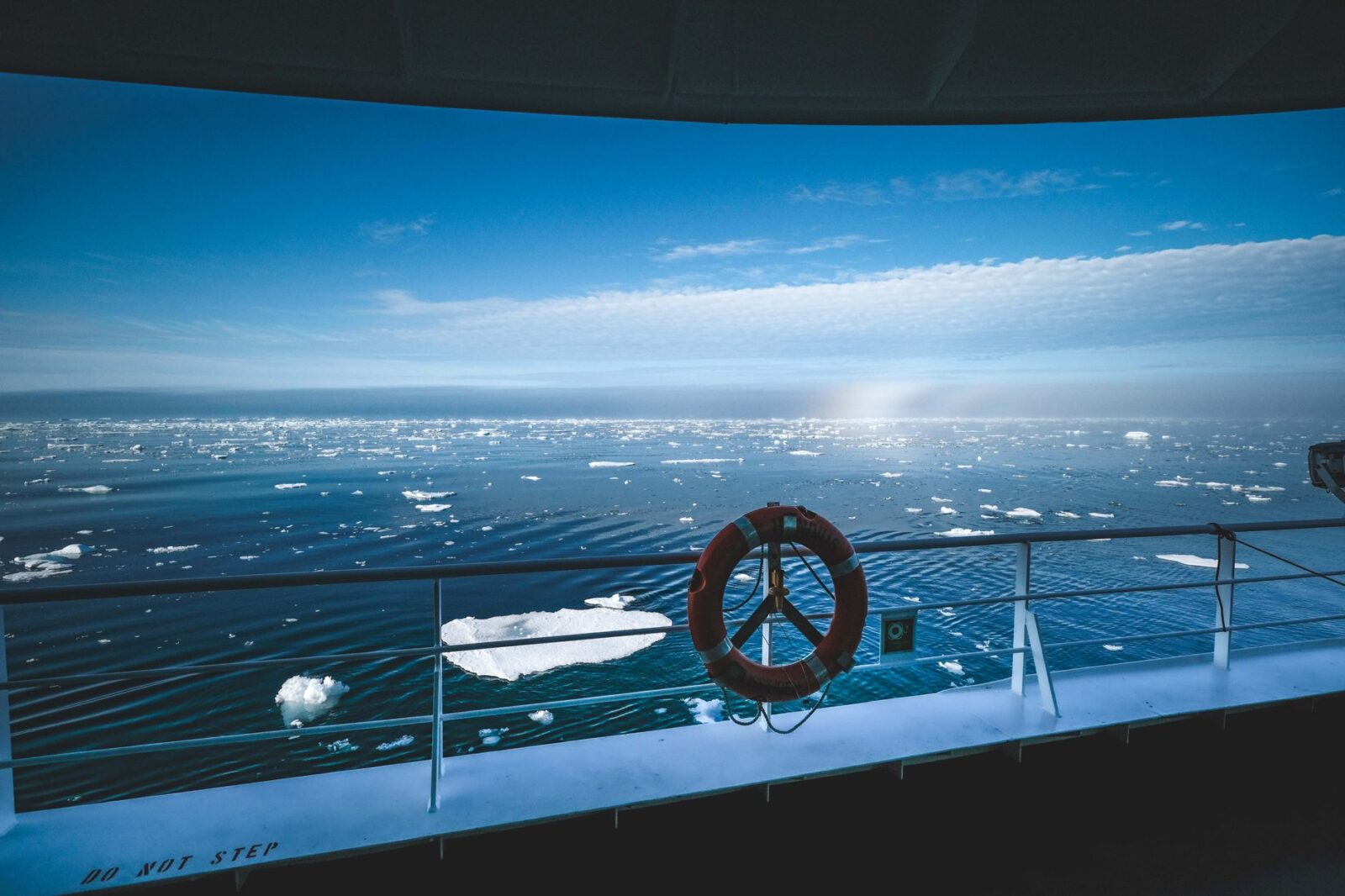
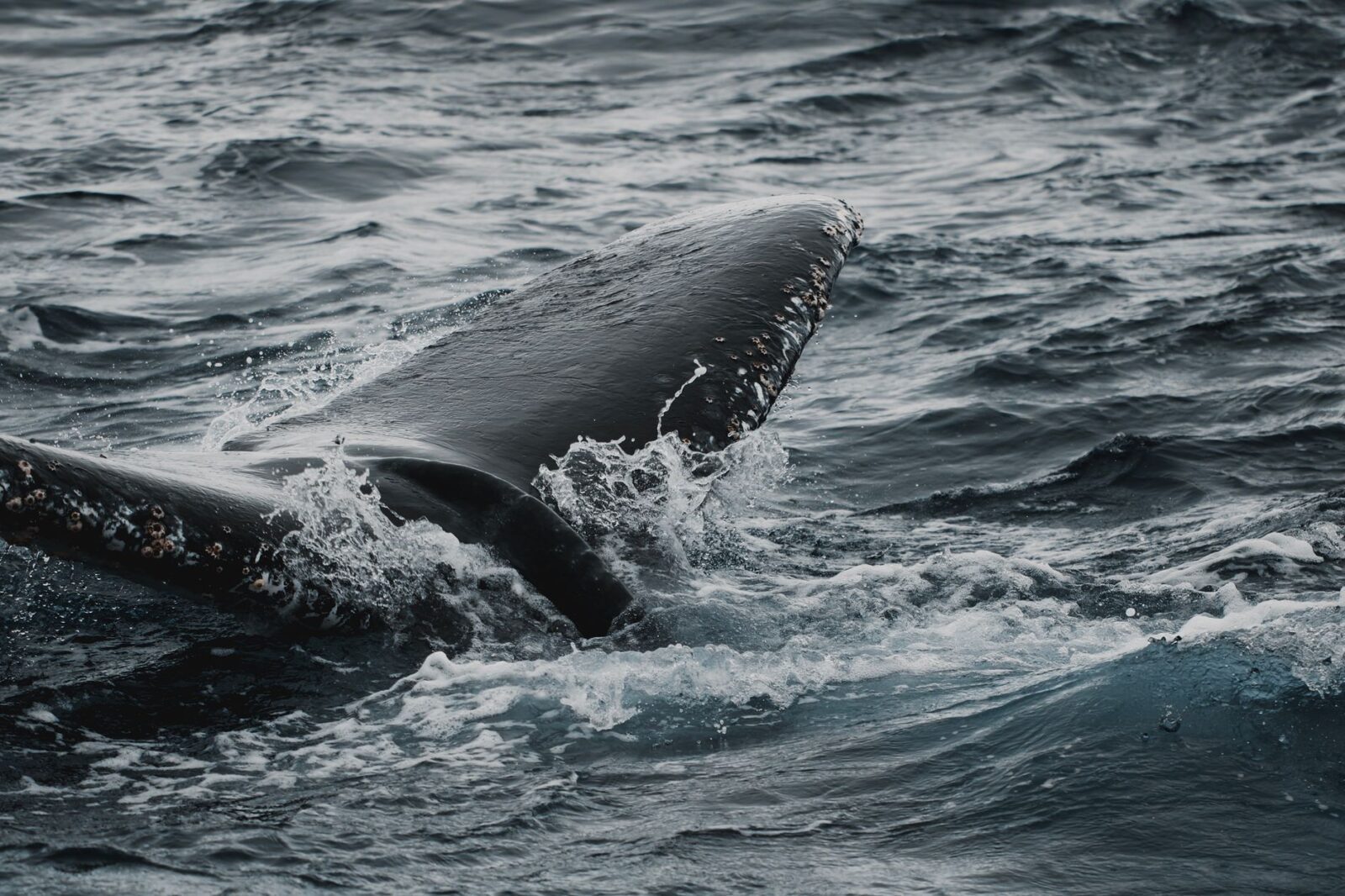
Alaska cruises have gained popularity as travelers seek authentic, nature‑focused adventures after years of pandemic‑era beach trips. The season runs from early May through late September, with July and August offering the longest daylight hours and the best wildlife sightings. According to industry observers, scenic cruising days—where the ship glides past tidewater glaciers such as Hubbard Glacier or through Glacier Bay National Park—are now a core selling point, often outweighing the number of shore excursions. This shift means you spend more time on deck watching whales breach or bears forage, rather than rushing from one port activity to another.
Another factor driving interest is the availability of land‑and‑sea packages. Lines like Princess and Celebrity offer Cruisetours that combine a sea voyage with a multi‑day inland stay, letting you explore Denali National Park or the Yukon Territory. These combos appeal to travelers who want a deeper dive beyond the coastline. However, Alaska cruises tend to be pricier than Caribbean sailings, largely because the operating window is shorter and the ships must navigate more challenging waters.
Why Caribbean Cruises Remain a Favorite
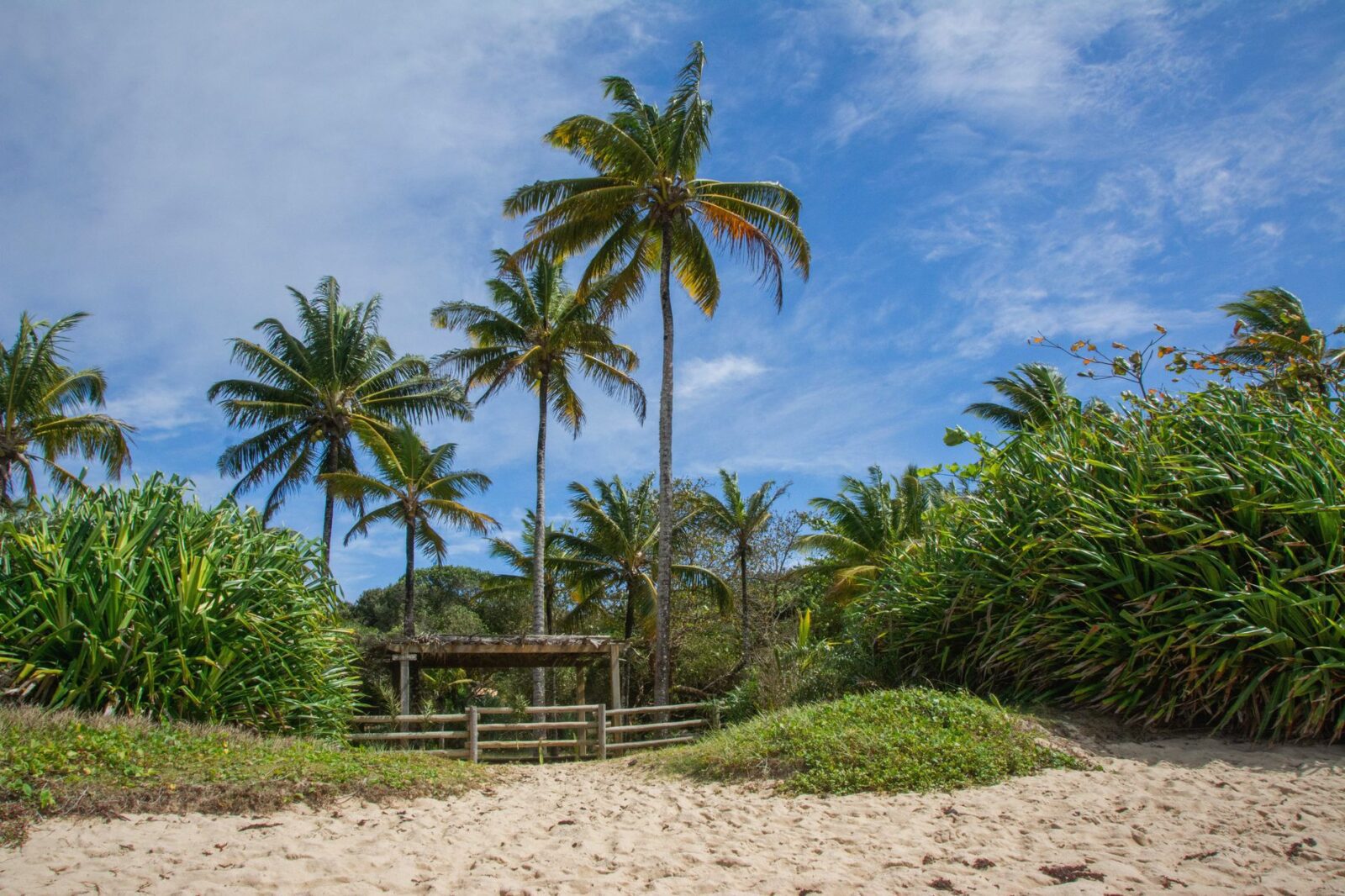
The Caribbean remains the world’s most‑booked cruise region thanks to its year‑round warm weather, diverse island itineraries, and generally lower price points. You can find short three‑night getaways from Florida ports as well as longer 10‑ to 14‑night voyages that explore the Eastern, Western, or Southern Caribbean. The region’s appeal lies in its variety: one day you might be exploring the historic forts of San Juan, the next you’re zip‑lining through the rainforest of St. Lucia, and the following day you’re lounging on a pristine beach in Aruba.
Price sensitivity is a major draw. Because the Caribbean cruise market is highly competitive, lines often discount interior and oceanview cabins, especially during the wave season (January–March). Older ships sailing from secondary homeports like Los Angeles, Tampa, or Galveston can offer particularly attractive rates, sometimes dropping below $500 per person for a short itinerary. This affordability makes the Caribbean an ideal choice for first‑time cruisers, families, or anyone looking for a sun‑filled vacation without a premium price tag.
Key Ports of Call and Must‑Do Shore Excursions
Alaska itineraries typically include a mix of gateway towns and scenic cruising highlights. Common ports are Juneau (the state capital), Skagway (gateway to the White Pass & Yukon Route railway), Ketchikan (known for its totem poles and salmon runs), and sometimes Sitka or Haines. Glacier Bay National Park and Hubbard Glacier are frequent scenic cruising stops where the ship spends several hours drifting past towering ice walls. Popular excursions include whale‑watching tours ($150‑$250 per person), dog‑sledding on a glacier ($200‑$300), and guided hikes through temperate rainforests ($100‑$150).
Caribbean itineraries vary by region. Eastern Caribbean cruises often call at St. Thomas, St. Maarten, and Puerto Rico, offering duty‑free shopping, historic forts, and beautiful beaches. Western Caribbean routes include Cozumel (Mexico), Grand Cayman, and Jamaica, with highlights such as snorkeling at Stingray City, exploring Mayan ruins at Tulum, or river tubing in Jamaica. Southern Caribbean itineraries visit Aruba, Bonaire, Curaçao, and Barbados, known for pristine beaches, world‑class diving, and vibrant carnival culture. Typical excursion costs range from $50 for a beach day to $120 for a guided snorkel or scuba dive, with premium experiences like private catamaran charters running $200‑$350 per person.
Cruise Line Showdown: Princess, Royal Caribbean, Celebrity and More
When it comes to Alaska, Princess Cruises is widely regarded as the benchmark. The line operates a fleet of mid‑size ships purpose‑built for the region, offering features like panoramic viewing lounges, expert naturalist talks, and the exclusive “North to Alaska” enrichment program. Princess also provides the most extensive selection of land‑and‑sea Cruisetours, partnering with reputable lodges in Denali and the Yukon. Royal Caribbean does sail to Alaska, but its offerings are more limited: fewer departures, generally smaller ships, and no equivalent inland tour package, which can make the experience feel less immersive for travelers seeking a deep wilderness encounter.
In the Caribbean, the competition is fiercer and the options more varied. Royal Caribbean’s Oasis‑class ships dominate the market with massive water slides, surf simulators, and a bustling boardwalk atmosphere—ideal for families and active travelers. Celebrity Cruises positions itself as a premium alternative, emphasizing modern design, upscale dining, and a more relaxed ambiance; its Edge‑class ships are particularly popular for western Caribbean itineraries. Carnival Cruise Line remains the volume leader, offering the lowest base fares and a fun‑focused vibe, though travelers should watch for add‑on costs that can quickly increase the final price.
Across both regions, newer ships tend to command higher prices but also deliver better fuel efficiency, stabilizers for smoother sailing, and updated amenities. If budget is a primary concern, consider sailing on an older vessel from a secondary homeport; just be prepared for fewer onboard attractions and potentially higher motion in rough seas.
Cabin Choices and Realistic Price Ranges (USD)
Cabin selection dramatically influences both cost and comfort. On an Alaska cruise, an interior cabin typically starts around $1,200‑$1,500 per person for a 7‑day sailing in May or September, rising to $1,800‑$2,200 for the same cabin in peak July. A balcony cabin adds roughly $600‑$900, putting the range at $1,800‑$3,000 per person. Suite categories, which often include separate living areas and enhanced amenities, can exceed $4,000 per person for the high season.
Caribbean pricing is generally more forgiving. An interior cabin on a 7‑day Eastern Caribbean cruise can be found for $600‑$900 in the wave season, with peak winter rates (December‑April) climbing to $900‑$1,300. A balcony cabin usually adds $300‑$500, resulting in a range of $900‑$1,800 per person. Suites on Caribbean sailings start around $2,000 and can reach $4,500 for premium categories on newer ships. Keep in mind that these figures are base fares; taxes, port fees, and onboard expenses are added on top.
Onboard Experience: What’s Included and What Costs Extra
Main dining rooms, buffet venues, and most poolside grills are included in the cruise fare across both regions. You can expect breakfast, lunch, and dinner in the main dining room at no extra charge, with flexible dining times on most lines. Specialty restaurants—such as steakhouses, sushi bars, or Italian trattorias—typically carry a cover charge of $25‑$45 per person. Alcohol, soft drinks, and specialty coffees are almost always extra unless you purchase a drink package.
Entertainment varies by line but generally includes Broadway‑style shows, comedy acts, live music, and movie screenings at no additional cost. Royal Caribbean’s FlowRider surf simulators, zip lines, and ice‑skating rinks are included, while activities like spa treatments, golf lessons, or private cabanas on the pool deck incur fees. Wi‑Fi access is not complimentary on most ships; expect to pay $15‑$25 per device per day, or opt for a bundled package that lowers the daily rate.
On Alaska sailings, enrichment programs such as naturalist lectures, photography workshops, and native cultural demonstrations are usually included and add significant value. Caribbean cruises often feature themed parties, dance classes, and casino gaming—again, the core entertainment is free, but betting, spa services, and boutique shopping are extra.
Full Budget Breakdown: Gratuities, Drinks, Excursions, Wi‑Fi and More
To avoid surprises, it helps to build a realistic daily budget. Gratuities (automatic tips for dining and housekeeping staff) are typically $14‑$18 per person per day, added automatically to your onboard account. For a 7‑day cruise, that amounts to $98‑$126 per person. Drink packages range from $55‑$70 per day for unlimited alcoholic beverages; a non‑alcoholic soda package is about $15‑$20 per day. If you prefer to pay per drink, expect $6‑$10 for a beer, $8‑$12 for a glass of wine, and $10‑$15 for a cocktail.
Excursion costs are highly variable. In Alaska, a whale‑watching tour averages $180, a glacier hike $220, and a dog‑sledding experience $260. In the Caribbean, a half‑day snorkel trip is $80‑$120, a beach break $50‑$90, and a cultural tour $70‑$110. Many travelers allocate $150‑$250 per port day for excursions, depending on activity level.
Wi‑Fi, as noted, runs $15‑$25 per day per device; a 7‑day package can bring the effective rate down to $12‑$18 daily. Other potential expenses include specialty dining ($30‑$50 per person per meal), spa treatments ($100‑$200 per hour), and onboard shopping. Adding these together, a moderate Alaska cruise budget might look like $2,200‑$2,800 per person, while a comparable Caribbean cruise could be $1,300‑$1,800 per person.
When to Book, Where to Find Deals and Loyalty Tips
The best time to secure a discount is during the “wave season” from January through March, when cruise lines roll out early‑booking incentives, reduced deposits, and onboard credits. For Alaska, aim to book 6‑9 months ahead for the May‑September window; last‑minute deals do appear in April but selection is limited. Caribbean cruises often see price drops in late summer and early fall (September‑November) as families return to school and hurricane risk rises, though travelers should monitor weather forecasts.
To uncover savings, check the cruise line’s official website first, then compare prices on reputable online travel agencies such as Expedia, CruiseCritic, or Vacations To Go. Signing up for price‑alert newsletters can notify you of flash sales. Additionally, consider repositioning cruises—ships moving between regions (e.g., from the Caribbean to Alaska in spring)—which frequently offer deeply discounted fares because they are not round‑trip itineraries.
Loyalty programs reward repeat cruisers with perks like priority embarkation, complimentary specialty dining, and cabin upgrades. Royal Caribbean’s Crown & Anchor Society, Celebrity’s Captain’s Club, and Princess Captain’s Circle all offer tiered benefits based on the number of cruise points earned. Even if you’re new to cruising, enrolling is free and can start accruing benefits on your very first voyage.
Frequently Asked Questions
Which cruise is better for families with young children?
The Caribbean generally edges out Alaska for families with toddlers or elementary‑age kids. Shorter flight times to Florida ports, abundant kid‑focused water parks, and numerous beach excursions make logistics simpler and more affordable. Alaska cruises can still work for families, especially those with older children interested in wildlife and glaciers, but the longer travel time to Seattle or Vancouver and the cooler climate may be less appealing to very young travelers.
Do I need a passport for either type of cruise?
For a Caribbean cruise that begins and ends at a U.S. port (such as Miami, Fort Lauderdale, or Port Canaveral), U.S. citizens can travel with a government‑issued photo ID and proof of citizenship (like a birth certificate) thanks to the closed‑loop rule. However, carrying a passport is strongly recommended in case of emergencies or unexpected itinerary changes. Alaska cruises that depart from or return to a Canadian port (Vancouver or Victoria) require a passport for all passengers, regardless of nationality, because you will be entering Canada.
Are gratuities really mandatory, and can I prepay them?
Most major cruise lines automatically add gratuities to your onboard account, but they are adjustable at the guest services desk if you feel the service warranted a different amount. Prepaying gratuities is possible and often simplifies budgeting; you can pay them when you book or through the line’s website before sailing. The standard rates ($14‑$18 per person per day) are distributed among dining staff, housekeeping, and other behind‑the‑scenes crew.
What is the best cabin location for minimizing seasickness?
Mid‑ship cabins on lower decks tend to experience the least motion because they are closest to the ship’s center of gravity. Forward or aft cabins, especially on higher decks, can feel more pitch and roll. If you are prone to seasickness, choose a mid‑ship interior or oceanview cabin on a lower deck and consider bringing over‑the‑counter medication or acupressure bands.
Can I bring my own alcohol onboard?
Policies vary by line, but most mainstream cruise companies prohibit passengers from bringing bottled alcohol or hard liquor onto the ship for consumption in cabins or public areas. Some allow a limited amount of wine or champagne (usually one bottle per adult) for consumption in your stateroom, but any alcohol found in luggage may be confiscated and returned at the end of the voyage. Always check the specific line’s policy before packing.
Stay informed with the latest travel news, visa updates, and destination guides. Follow HimalayanCrest.com for weekly travel intelligence delivered by our editorial team.