

The Deal That Shook Boutique Hospitality
In the summer of 2025 Marriott International closed a $355 million acquisition of CitizenM, the Dutch‑born hotel chain known for its compact rooms, tech‑first lobbies and the absence of traditional front desks. The move raised eyebrows across the industry: could a giant loyalty program absorb a brand that deliberately rejected the standard hotel playbook? Twelve months later the answer is beginning to emerge, and the effects are already visible in lobbies from Amsterdam to New York.
Industry analysts note that the transaction was structured as a brand sale with the operating company, Another Star, retaining ownership of the physical properties and continuing to run them as a franchisee. This arrangement lets Marriott leverage CitizenM’s design appeal while the original team maintains day‑to‑day control. The hybrid model is uncommon but not unprecedented in hospitality, and it is now being watched as a test case for future brand‑sales.
For travelers, the most immediate change is the ability to earn and redeem Marriott Bonvoy points at CitizenM properties. Gold elite status is now granted automatically to members of the paid mycitizenM+ program, creating a new pathway to benefits that previously required numerous stays. The shift has begun to reshape who walks through the doors and how they experience the stay.
One Year In: Occupancy Shifts and Bonvoy Influx
According to internal data cited by the brand’s leadership, Marriott Bonvoy members now generate roughly fifty percent of the average nightly occupancy across the CitizenM portfolio. This figure is described as incremental, meaning it adds to the existing base of independent and leisure travelers rather than replacing them. The influx has helped smooth seasonal dips, particularly in European city‑center locations where business travel can be volatile.
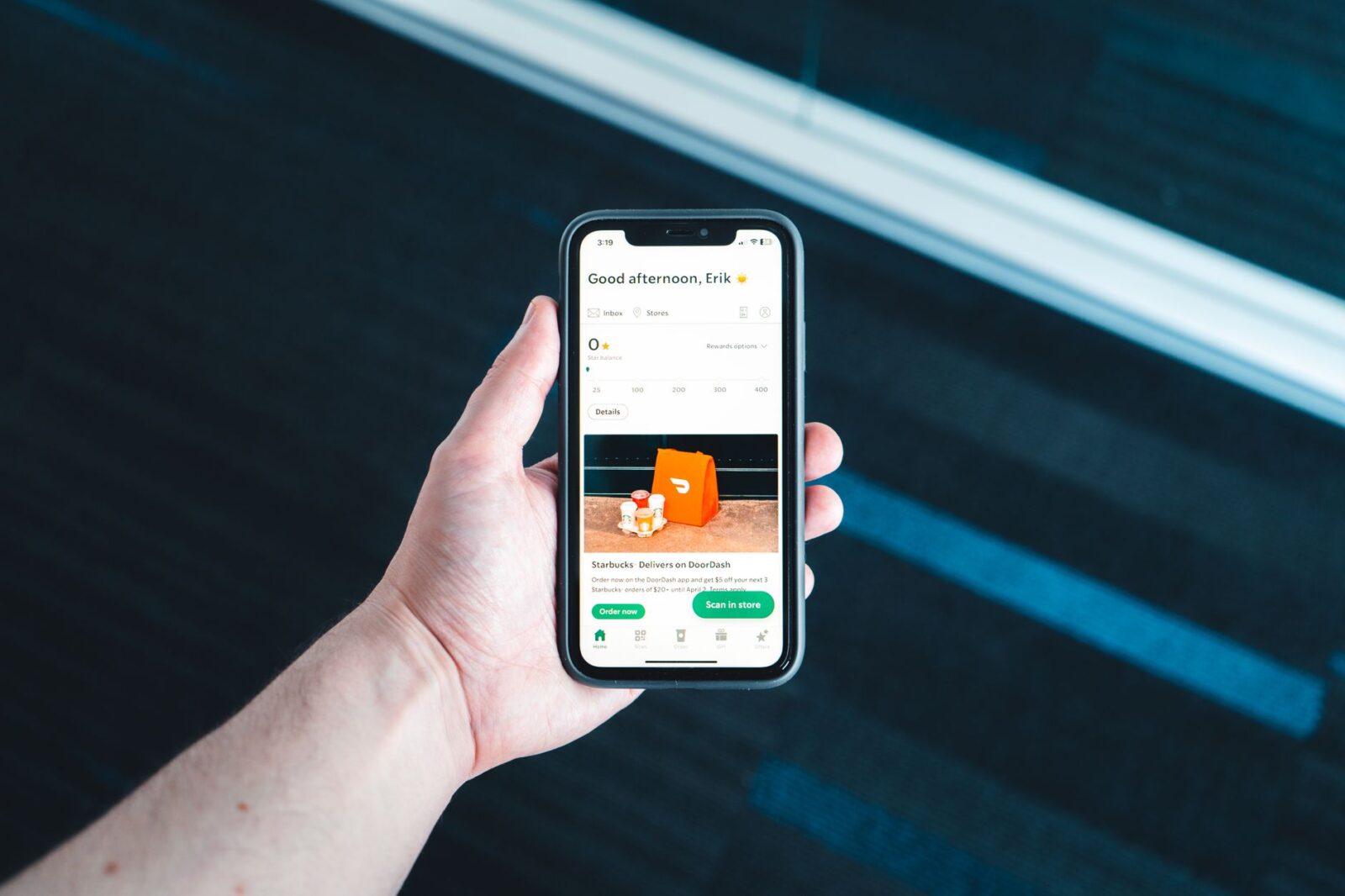
The shift in guest mix is noticeable in the lobby atmosphere. Where once the majority of visitors were design‑savvy independents or short‑stay business travelers, today a larger share are recognizable by their Bonvoy app screens and the pursuit of elite night credits. Front‑desk‑free check‑in kiosks now see a steady stream of members scanning QR codes to unlock rooms, a process that remains swift but carries a different rhythm.
Hotel operators report that the Bonvoy‑driven segment tends to book further in advance and shows a higher propensity to add on paid amenities such as the 24‑hour canteen, coworking spaces and paid movie rentals. This behavior aligns with Marriott’s broader strategy of increasing ancillary revenue through its loyalty ecosystem.
How the Franchise Model Works: Another Star’s Role
Another Star, the entity that sold the CitizenM brand to Marriott, continues to own the hotel assets and operates them under a franchise agreement. The company supplies the brand standards, design oversight and operational expertise, while Marriott provides access to its reservation channels, loyalty program and global sales force. In return, Another Star pays a royalty fee that is typically a percentage of room revenue.
This structure allows the original founders to preserve the entrepreneurial spirit that shaped CitizenM’s early years. Lennert de Jong, the CEO of Another Star, has likened the arrangement to two airlines flying the same aircraft model but offering distinct cabin experiences. The metaphor captures how the underlying product — efficient, modular rooms — stays consistent while the passenger mix evolves.
From a traveler’s perspective, the franchise split is largely invisible. The same mobile check‑in, the same lobby lounges and the same curated art installations remain in place. What changes behind the scenes is the flow of reservation data and the ability to market directly to Marriott’s 180‑million‑strong Bonvoy base.

Guest Experience: What Bonvoy Members Find Different
Early feedback from Bonvoy members staying at CitizenM properties highlights a blend of familiarity and novelty. Guests appreciate the ability to earn points on stays that previously offered no loyalty currency, and many report receiving automatic late‑check‑out as a Gold benefit, even when they did not request it explicitly. One frequent traveler noted receiving a late‑check‑out confirmation after a brief follow‑up, illustrating that the service standards are still settling into the new loyalty framework.
The rooms themselves retain the brand’s signature compact footprint, typically ranging from 14 to 18 square meters, with king‑size beds, rain‑showers and adjustable mood lighting. Travelers accustomed to larger U.S.‑style rooms may find the space cozy, but the efficient layout and high‑speed Wi‑Fi continue to draw praise from digital nomads and short‑stay visitors.
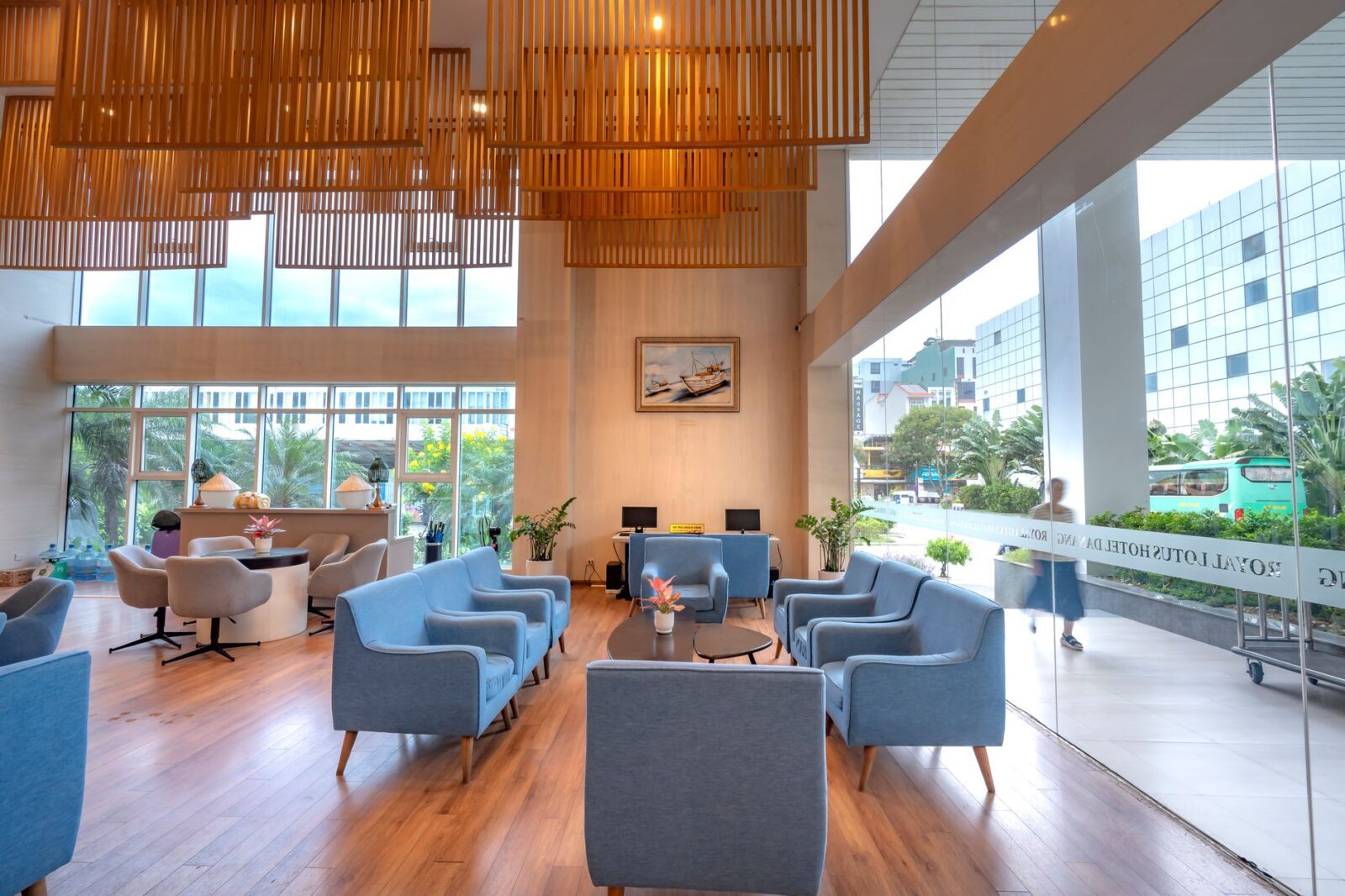
Common areas, meanwhile, have seen subtle shifts. The lobby bars and canteens now feature promotional material for Marriott experiences and co‑branded offers, while the art‑curated walls still showcase rotating exhibitions from local creators. The overall ambience remains deliberately urban and social, a design choice that appeals to both independent travelers and loyalty‑program enthusiasts.
Technology and Data: Marriott’s Ads and Loyalty Leverage
Marriott has begun to monetize the rich behavioral data generated by Bonvoy members through its Marriott Media unit. Targeted advertising campaigns now use anonymized stay patterns, demographic insights and preference signals to serve relevant offers to loyalty accounts. This development means that a guest who books a CitizenM room for a weekend city break might later see sponsored suggestions for nearby dining, museum passes or partner airline upgrades.
For the traveler, the practical impact is a more personalized — though also more tracked — experience within the Marriott ecosystem. Opt‑out options exist in the app settings, but the default flow encourages engagement with personalized offers. Industry observers note that this data‑driven approach mirrors tactics used by online travel agencies and could increase the lifetime value of each Bonvoy member.
The integration also extends to the reservation flow. When searching for a CitizenM property on Marriott.com or the Bonvoy app, the property appears alongside other Marriott brands, with clear labeling of points‑earning rates and elite‑night eligibility. This visibility has contributed to the reported fifty percent occupancy share from loyalty members.
Expansion Plans: New Hotels in Georgetown and Beyond
Despite the integration work, CitizenM’s pipeline remains active. The brand announced plans to open a third property in Washington, D.C.’s historic Georgetown district, slated for welcome guests in late 2026. The location will occupy a renovated warehouse near the waterfront, preserving the industrial aesthetic that CitizenM often embraced by‑centers.
Beyond the U.S. travelers have come to associate with the brand while adding a new river‑view lobby lounge.
Additional signs of growth are emerging in the Middle East and Africa, where market research indicates strong interest from both developers and travelers seeking a boutique alternative to conventional chain hotels. Marriott’s global development team has cited these regions as priority zones for future CitizenM signings, leveraging the brand’s compact footprint to fit into dense urban centers where land costs are high.
For travelers, the expanding footprint means more opportunities to stay at a CitizenM property while earning Bonvoy points, whether they are transiting through Schiphol, exploring Lagos or attending a conference in Riyadh. The consistency of the product — small rooms, tech‑first service, vibrant social spaces — remains a key selling point across continents.
Cost Implications for Travelers: Points, Rates, and Budget Tips
From a pure points perspective, a standard CitizenM room typically costs between 8,000 and 12,000 Bonvoy points per night, depending on city, season and demand. This places the brand in the mid‑tier of Marriott’s award chart, comparable to a Courtyard or Four Points property. Cash rates, meanwhile, generally range from $120 to $180 per night in major European capitals and $150 to $220 in U.S. gateway cities, reflecting the premium for design and location.
Travelers seeking to maximize value can consider the following tactics:
- Book stays during shoulder seasons (late spring or early fall) when point prices dip by roughly 20‑30%.
- Leverage the mycitizenM+ membership, which costs $99 annually and grants instant Gold elite status, free breakfast at select locations and a welcome drink.
- Combine a CitizenM stay with a Marriott‑branded property in the same itinerary to stack elite‑night credits toward higher tier status.
- Monitor Marriott Promotions pages for bonus point offers that occasionally double or triple earnings on CitizenM stays.
Budget‑conscious visitors should also note that the brand’s food and beverage offerings are priced à la carte; a typical breakfast sandwich and coffee costs around $12, while a hot meal from the 24‑hour canteen averages $18. Planning to eat elsewhere can keep daily expenses lower, especially in cities where dining options abound just steps from the hotel.
What Lies Ahead: Sustainability of the IP‑Roadmap Split
The central question that lingered at the time of acquisition remains: can Marriott scale CitizenM beyond the original backer’s vision while preserving the brand’s distinct identity? Early indicators suggest the franchise model is functioning as intended. Another Star reports steady performance metrics, and Marriott cites the brand as a successful example of integrating a boutique asset into a loyalty‑driven portfolio.
Looking forward, industry watchers will monitor two key levers. First, the pace of new openings — particularly in high‑growth markets such as Southeast Asia and Latin America — will test whether the design‑centric concept can be replicated without diluting its core appeal. Second, the effectiveness of Marriott’s data‑driven marketing will determine whether the Bonvoy influx continues to grow organically or begins to rely heavily on incentivized stays.
For the traveler, the outlook is promising. More locations mean greater flexibility to earn and redeem points in cities where traditional Marriott hotels may be scarce or prohibitively expensive. At the same time, the brand’s commitment to compact, efficient rooms and lively public spaces offers a refreshing alternative to the uniformity often associated with large hotel chains.
Stay informed with the latest travel news, visa updates, and destination guides. Follow HimalayanCrest.com for weekly travel intelligence delivered by our editorial team.