

The Allure of the Mediterranean for New Cruisers
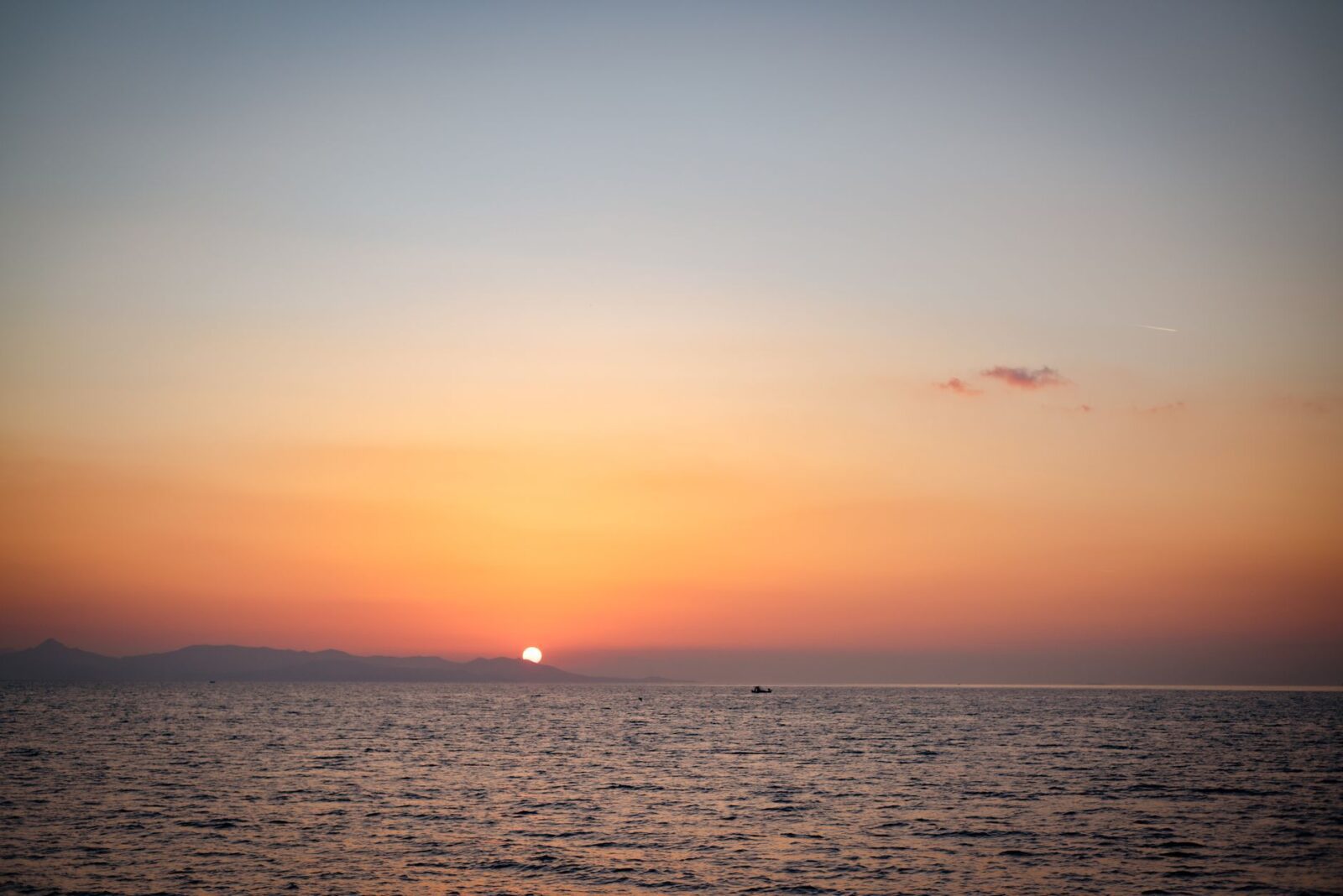
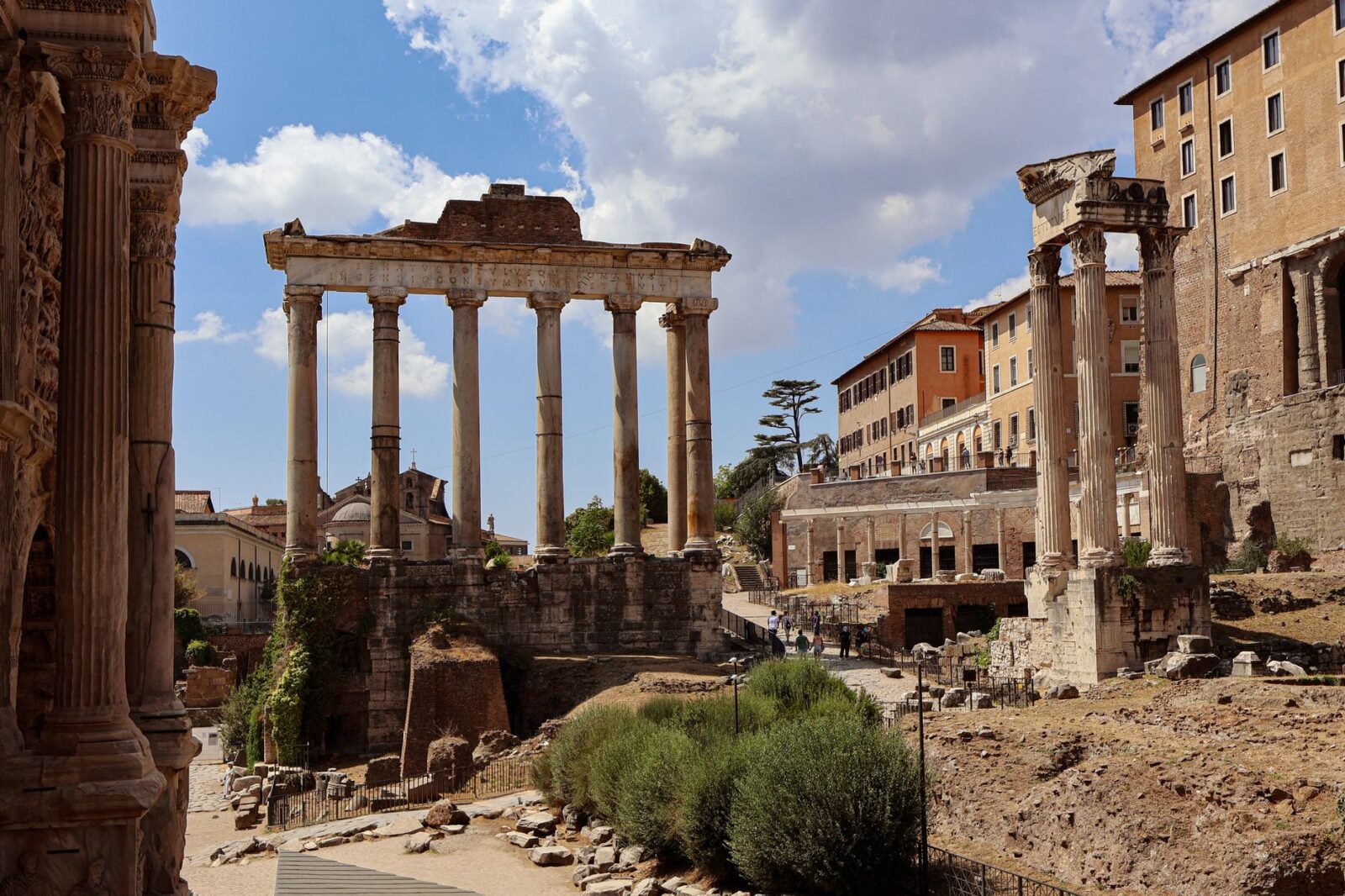
Imagine waking up to the gentle sound of waves lapping against the hull of your ship, with the sun casting a golden glow over the ancient ruins of Rome or the whitewashed buildings of Santorini. The Mediterranean offers an enticing blend of history, culture, and natural beauty, making it an ideal choice for first-time cruisers. With a single cruise, you can explore multiple countries, unpack just once, and enjoy world-class dining and entertainment onboard.
Iconic Ports and Hidden Gems
One of the major draws of a Mediterranean cruise is the variety of ports you can visit. Popular itineraries include stops in Barcelona, where you can marvel at Gaudí’s architectural masterpieces, and Naples, the gateway to the ruins of Pompeii and the stunning Amalfi Coast. For those looking to venture off the beaten path, some cruises now include lesser-known gems like Kotor in Montenegro, where the medieval old town is a UNESCO World Heritage Site, and the beautiful island of Corsica, known for its rugged landscapes and rich history.
Cruise Line Comparisons: Finding Your Perfect Fit
Choosing the right cruise line can make all the difference in your experience. For luxury seekers, Regent Seven Seas offers an all-inclusive experience with exquisite dining and spacious suites. On the other hand, Marella Cruises provides a more relaxed, budget-friendly option with all-inclusive packages that appeal to families and first-time cruisers. Norwegian Cruise Line (NCL) is known for its flexible cruising style, allowing you to dine whenever you please and providing a stress-free way to explore the Mediterranean.
Cabin Types and Pricing
The choice of cabin can significantly affect your cruise experience and budget. Inside cabins are the most affordable, starting at around $1,000 USD per person for a 7-night cruise. Oceanview cabins offer a window for natural light and typically cost around $1,200 USD. If a private balcony is a must, expect to pay approximately $1,500 USD. Suites, which provide more space and luxurious amenities, can range from $2,000 to over $5,000 USD.
Onboard Dining and Entertainment
Most cruise lines offer a range of dining options included in the fare, from buffet-style meals to formal dining rooms. Specialty restaurants, however, often come with an additional charge, ranging from $15 to $50 USD per person. Entertainment onboard is varied, with Broadway-style shows, live music, and even cooking classes. While most activities are included, some, like spa treatments and certain fitness classes, incur extra fees.

Budgeting for Your Mediterranean Adventure
In addition to your cruise fare, consider other costs such as gratuities, which are typically around $14 USD per person per day. Drink packages can save you money if you plan to indulge, with prices averaging $60 USD per day. Shore excursions vary widely in cost, from $50 for a guided city tour to $200 for a full-day adventure. Wi-Fi is often extra, with packages starting at $10 USD per day.
Best Time to Cruise and Booking Tips
The Mediterranean cruise season runs from April to October. The shoulder months of May and September offer a balance of pleasant weather and fewer crowds. Booking 6-12 months in advance can secure the best deals and cabin selections. Keep an eye out for promotions from cruise lines, such as early booking discounts and onboard credits. Joining a cruise line’s loyalty program can also yield benefits like priority boarding and cabin upgrades.
FAQs for First-Time Cruisers
What should I pack for a Mediterranean cruise?
Pack light, breathable clothing for hot days, and a few formal outfits for evening events. Don’t forget sunscreen, comfortable walking shoes, and a hat for sun protection.
Is travel insurance necessary?
Yes, travel insurance is highly recommended to cover unexpected events such as medical emergencies or trip cancellations.
Will I need a visa for the ports of call?
Visa requirements depend on your nationality and the countries you will visit. Check with the respective embassies or a trusted travel advisor.
How do I handle currency in different countries?
Most European countries use the Euro, but some, like Croatia, have their own currency. Credit cards are widely accepted, but it’s good to have some local currency for small purchases.
How can I avoid seasickness?
Choose a mid-ship cabin on a lower deck to minimize motion. Consider bringing motion sickness remedies like wristbands or medication.
Stay informed with the latest travel news, visa updates, and destination guides. Follow HimalayanCrest.com for weekly travel intelligence delivered by our editorial team.