

Why Maldives Visa on Arrival Is Making Headlines in 2026
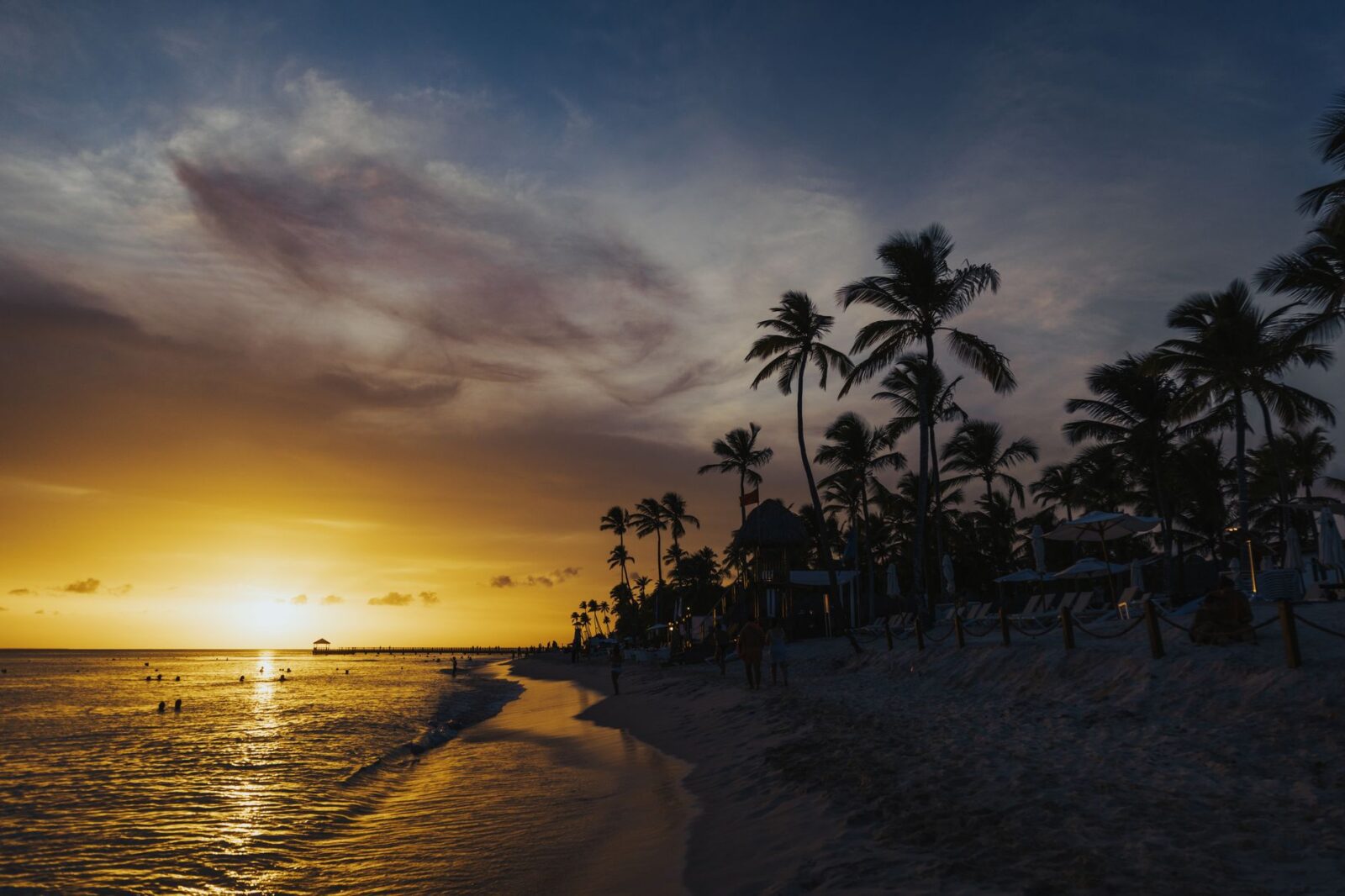
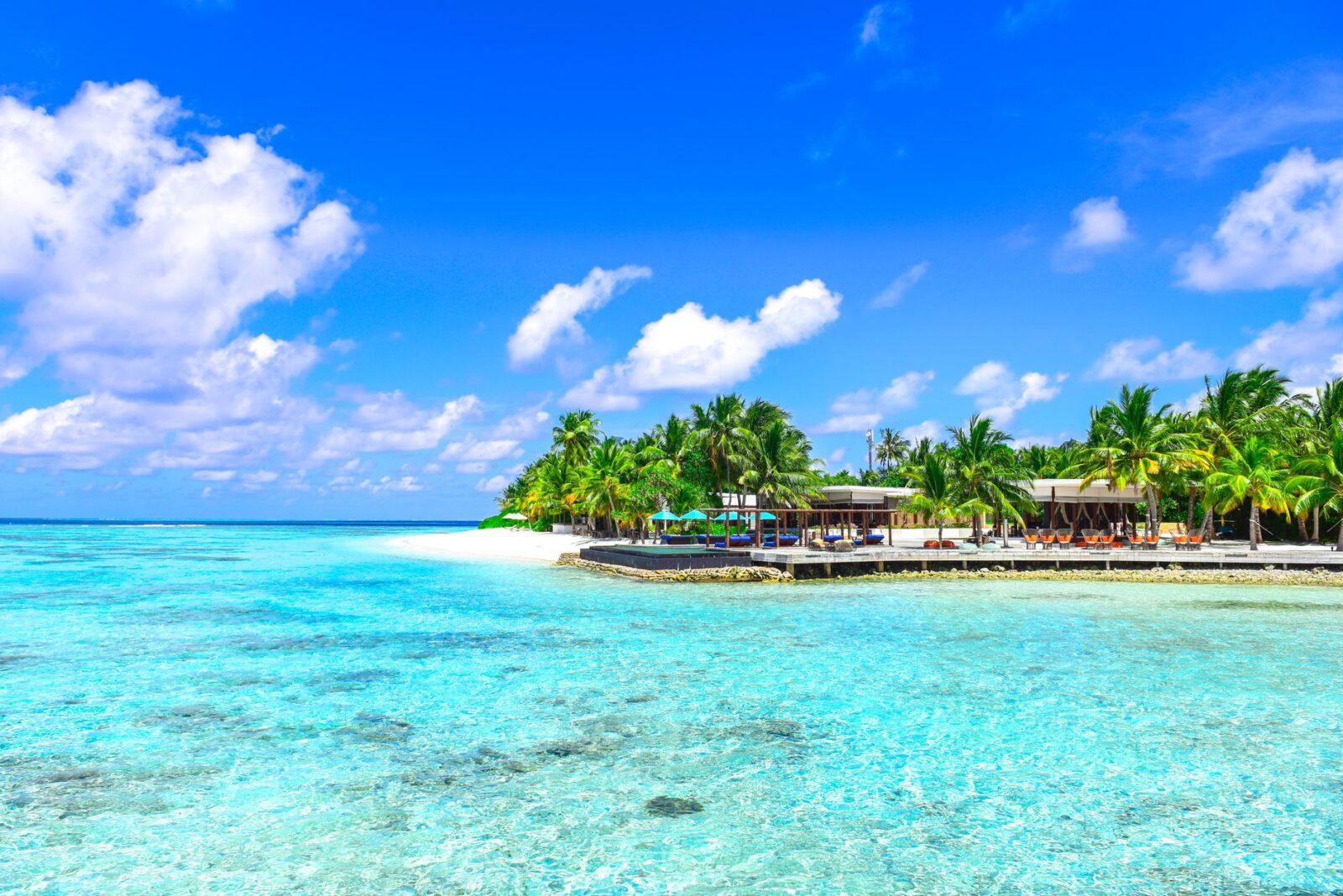
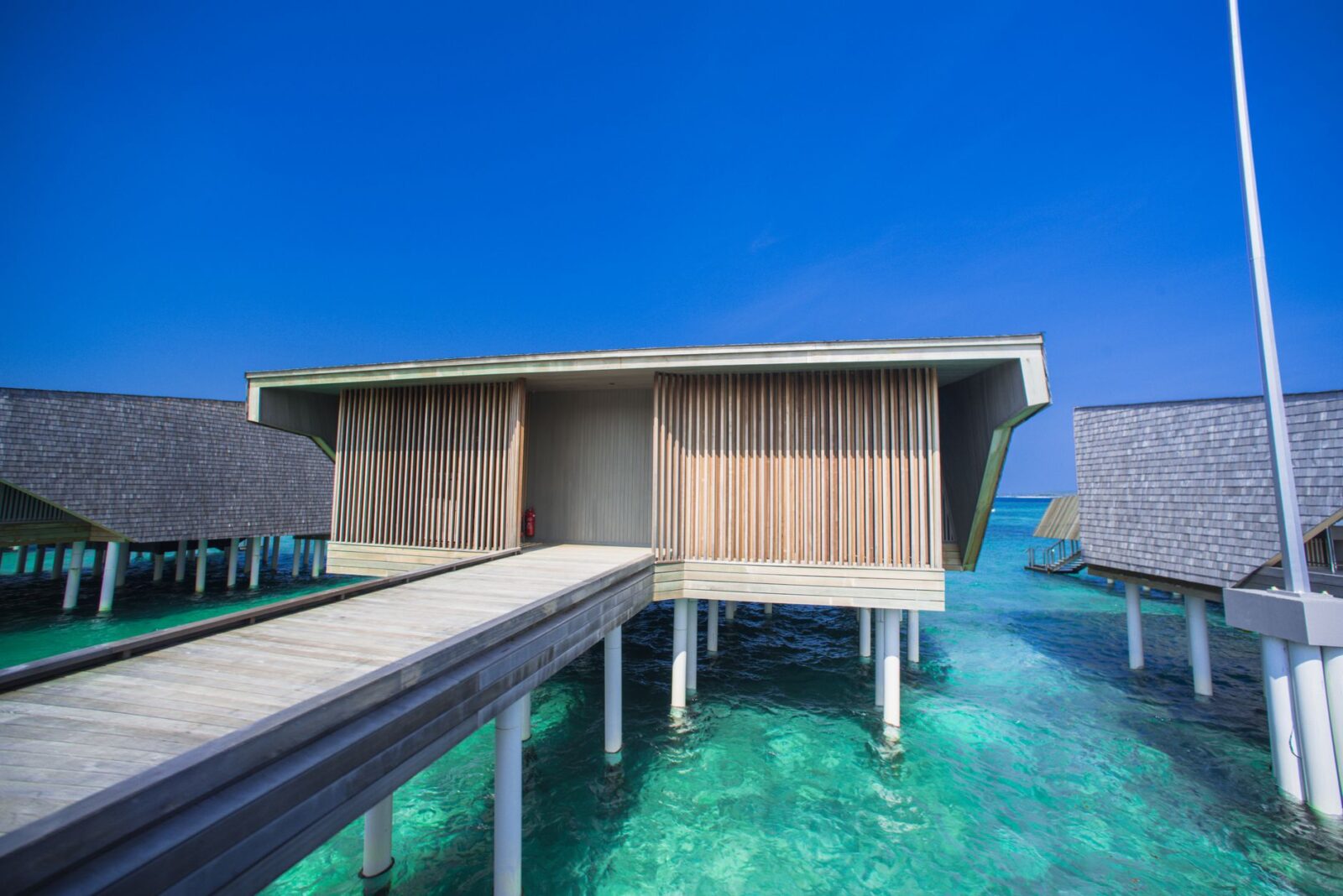
Imagine stepping off a plane onto a white‑sand beach, turquoise water lapping at your toes, and knowing that the only paperwork you needed was a passport and a few clicks online. That is the reality for travelers to the Maldives in 2026, where the visa on arrival policy remains one of the most welcoming in the world. Recent spikes in Google searches show that tourists from India, the Philippines, Russia, and beyond are double‑checking the latest entry rules before booking their dream island getaway. The policy’s simplicity, combined with the Maldives’ reputation for luxury overwater villas and vibrant coral reefs, keeps it trending across travel forums and social media. Understanding the exact requirements now can save you from last‑minute stress at Malé International Airport and ensure a smooth start to your vacation.
Understanding the Maldives Visa on Arrival Basics
The Maldives grants a tourist visa on arrival to every foreign national, regardless of country of origin, as long as basic entry conditions are met. This visa is issued free of charge at the immigration desk and allows an initial stay of up to 30 days. Unlike many destinations that require pre‑approval or electronic travel authorizations, the Maldives process is handled entirely upon arrival, making it ideal for spontaneous trips or last‑minute deals. The visa is stamped directly into your passport, and you receive a small entry slip that you must keep until departure. It is important to note that the visa on arrival is strictly for tourism purposes; any form of work, study, or long‑term residency requires a different permit obtained through the Maldives Immigration website.
Entry Requirements: What You Must Show at the Border
To qualify for the visa on arrival, you must present four key items at the immigration counter. First, your passport must be valid for at least one month beyond your intended date of departure from the Maldives. Second, you need a confirmed return or onward ticket showing you will leave the country within the allowed stay period. Third, you must provide proof of accommodation for your entire visit, whether that is a hotel booking confirmation, a resort voucher, or a letter from a host if staying on a local island. Fourth, you must demonstrate sufficient financial means to support your stay, which the authorities currently set at a minimum of USD 100 plus USD 50 for each day of your planned visit. For a two‑week trip, that equates to at least USD 800 in accessible funds, which can be shown via cash, traveler’s checks, or a recent bank statement.
In addition to these documents, all foreigners are required to complete the Traveller Declaration (known as IMUGA) through the official Maldives Immigration portal. The form must be submitted no earlier than 96 hours before your flight and no later than the time of arrival. The declaration collects basic personal details, travel itinerary, and health information, and generates a QR code that you present to immigration officers. Failure to submit the IMUGA form can result in denial of entry, even if you have all other paperwork in order. Keep a digital copy on your phone and a printed version as a backup.
Costs, Fees, and How Long You Can Stay
The tourist visa on arrival itself is free; there is no visa fee charged by Maldives Immigration. However, travelers should budget for other mandatory costs that often get overlooked. The most common is the Green Tax, a USD 6 per person per night levy that applies to all tourists staying in registered tourist facilities, including resorts, hotels, and guesthouses on local islands. This tax is usually added to your bill at checkout, but some properties collect it upfront. For a seven‑night stay in a mid‑range resort, expect to pay around USD 42 in Green Tax alone.
If you wish to extend your stay beyond the initial 30 days, you can apply for an extension at the Maldives Immigration office in Malé. The extension fee is USD 25 for the first 15‑day extension and USD 25 for each additional 15‑day block, up to a maximum of 90 days total. Extensions are granted based on valid reasons such as medical treatment, unexpected travel delays, or special circumstances, and you must provide supporting documentation. Overstaying without an approved extension can lead to fines, detention, and a ban on future entry, so it is crucial to respect the timeline.
When to Go: Seasonal Tips for the Best Experience
The Maldives enjoys a tropical monsoon climate with two distinct seasons that greatly affect both weather and prices. The dry season, locally known as the northeast monsoon, runs from November to April and offers sunshine, low humidity, and calm seas—ideal for snorkeling, diving, and beach lounging. This period coincides with the peak tourist influx, especially around Christmas, New Year, and European school holidays, so resort rates can climb to USD 400‑600 per night for luxury villas. Booking three to six months in advance is advisable if you plan to travel during these months.
The wet season, or southwest monsoon, lasts from May to October and brings higher chances of brief, intense afternoon showers and stronger winds. While rainfall can be frequent, it rarely lasts all day, and the underwater visibility remains excellent for divers seeking manta rays and whale sharks, which are more abundant during this time. Hotel prices drop significantly, with many resorts offering discounts of 30‑50 % and guesthouses on local islands charging as low as USD 50‑80 per night. If you are flexible with your schedule and want to avoid crowds, late September or early October can provide a sweet spot of decent weather and lower costs.
Insider Advice: From Local Islands to Resort Transfers
One of the best ways to stretch your budget while still experiencing Maldivian culture is to stay on a local island such as Maafushi, Thulusdhoo, or Hulhumalé. These islands have guesthouses and boutique hotels that welcome tourists, and they allow you to eat at local cafés where a plate of mas huni (shredded tuna with coconut) costs under USD 3. Because local islands are not subject to the same resort‑only restrictions, you can also visit public beaches and interact with residents, gaining a more authentic perspective of Maldivian life.
When it comes to getting from Malé International Airport to your final destination, you have three main transfer options, each with its own cost and experience. Speedboats are the most common for resorts within a 30‑minute ride and typically charge USD 30‑50 per person each way. Seaplanes offer scenic aerial views of the atolls and are required for many far‑flung luxury resorts; prices range from USD 250‑350 per person each way, but the experience is often worth the splurge for a honeymoon or special occasion. For budget travelers, public ferries operate on a limited schedule to certain local islands and cost less than USD 5, though they require more planning and can involve longer travel times.
Another insider tip concerns reef‑safe sunscreen. The Maldives has banned sunscreens containing oxybenzone and octinoxate to protect its coral reefs, and many resorts now provide complimentary reef‑friendly lotion. Bringing your own biodegradable sunscreen not only avoids potential fines but also helps preserve the vibrant marine life that makes snorkeling here world‑class.
Alternatives and Comparisons: If You Love Maldives…
If the idea of overwater bungalows and crystal‑clear lagoons appeals to you, consider the Seychelles as a comparable Indian Ocean destination. Seychelles offers visa‑free entry for up to 90 days for most nationalities, similar proof‑of‑funds requirements, and a mix of granite islands and coral atolls. Prices for mid‑range resorts are slightly lower than the Maldives, averaging USD 180‑250 per night, and the archipelago is renowned for rare bird species such as the Seychelles black parrot.
Another alternative is Mauritius, which also provides a visa on arrival for many travelers and boasts a multicultural heritage reflected in its cuisine, from dholl puri to seafood curries. Mauritius tends to be more affordable for families, with many all‑inclusive options starting at USD 150 per night, and its interior features lush forests and waterfalls that complement the beach experience. For travelers seeking a blend of relaxation and adventure, both Seychelles and Mauritius provide strong competition to the Maldives while maintaining similarly straightforward entry processes.
Step‑by‑Step Planning Checklist
- Check passport validity: ensure at least one month beyond your return date.
- Book confirmed accommodation and keep the confirmation email or voucher handy.
- Purchase a refundable return or onward ticket; have a copy ready for immigration.
- Calculate required funds: USD 100 + (USD 50 × number of nights). Prepare cash, traveler’s checks, or a recent bank statement.
- Complete the IMUGA Traveller Declaration online 96‑24 hours before departure; save the QR code.
- Pack reef‑safe sunscreen, a hat, lightweight clothing, and any prescription medication.
- Review your travel insurance policy to confirm coverage for medical evacuation and trip cancellation.
- If staying on a local island, research local customs (e.g., dress modestly when away from tourist zones).
- Arrange airport transfer in advance (speedboat, seaplane, or ferry) and confirm pickup details.
- Upon arrival, present passport, ticket, accommodation proof, funds evidence, and IMUGA QR code to immigration.
- Keep your entry slip safe; you will need it for departure.
Frequently Asked Questions
Do I need to apply for a visa before traveling to the Maldives?
No. The Maldives offers a visa on arrival to all nationalities, provided you meet the entry conditions outlined above. There is no pre‑arrival visa application or electronic travel authorization required for tourism purposes.
How long can I stay with the visa on arrival?
The initial visa on arrival grants a stay of up to 30 days. You can apply for an extension of up to an additional 60 days (in 15‑day increments) through Maldives Immigration, bringing the maximum possible stay to 90 days if approved.
Is there a fee for the visa on arrival?
The tourist visa on arrival itself is free of charge. However, you will encounter other mandatory costs such as the Green Tax (USD 6 per night) and potential extension fees if you wish to stay longer than 30 days.
What happens if I cannot show proof of sufficient funds?
Immigration officers may deny entry if you cannot demonstrate the required financial means. It is advisable to carry a combination of cash and a recent bank statement or credit card limit proof to avoid any issues.
Can I work or study while on a tourist visa on arrival?
No. The visa on arrival is strictly for tourism. Any form of employment, academic enrollment, or long‑term residency requires a separate visa or permit obtained through the Maldives Immigration Department before you begin such activities.
Conclusion
The Maldives visa on arrival remains one of the most traveler‑friendly policies in the world, offering spontaneous adventurers and meticulous planners alike a hassle‑free path to paradise. By understanding the exact documentation, budgeting for the Green Tax and potential transfers, and timing your visit to match your preferences for weather or crowds, you can set the stage for an unforgettable island experience. Whether you choose the secluded luxury of a private resort, the vibrant culture of a local island, or the thrill of diving with manta rays during the southwest monsoon, the Maldives welcomes you with open arms and a simple stamp in your passport. Have you recently navigated the Maldives entry process, or do you have tips for fellow travelers? Share your stories and questions in the comments below, and help others discover why this destination continues to capture imaginations across the globe.
Stay informed with the latest travel news, visa updates, and destination guides. Follow HimalayanCrest.com for weekly travel intelligence delivered by our editorial team.