

Recent Shifts in Global Visa Policies
In a world where international travel is often seen as a rite of passage, the imposition of visa bans can come as a jarring halt. Recent developments in 2026 have seen a number of countries imposing new restrictions on tourist visas, reshaping travel plans and affecting millions of would-be travelers. As global political climates shift, understanding these changes becomes crucial for anyone planning to travel abroad.
The United States: New Travel Bans in Effect
In a significant move, the United States government has updated its list of countries subject to travel bans. As of May 2026, citizens from certain nations face restrictions when applying for visas. This includes countries with partial restrictions, where common visa types for tourism, study, and cultural exchange are blocked. The enforcement of these bans started back in June 2025, with another wave taking effect on January 1, 2026. While previously issued visas remain valid, travelers should anticipate rigorous screenings at entry points. More information can be found on the official U.S. travel site.
UAE’s Updated Visa Ban List
The United Arab Emirates (UAE) has also revised its visa policies in 2026, affecting nationals from various countries. The specific reasons for these bans often include political and security concerns. The UAE has a system in place where travelers can check their status online, ensuring they remain informed. It’s essential for those planning to visit the UAE to verify their eligibility through official resources.
European Visa Policies: A Balancing Act
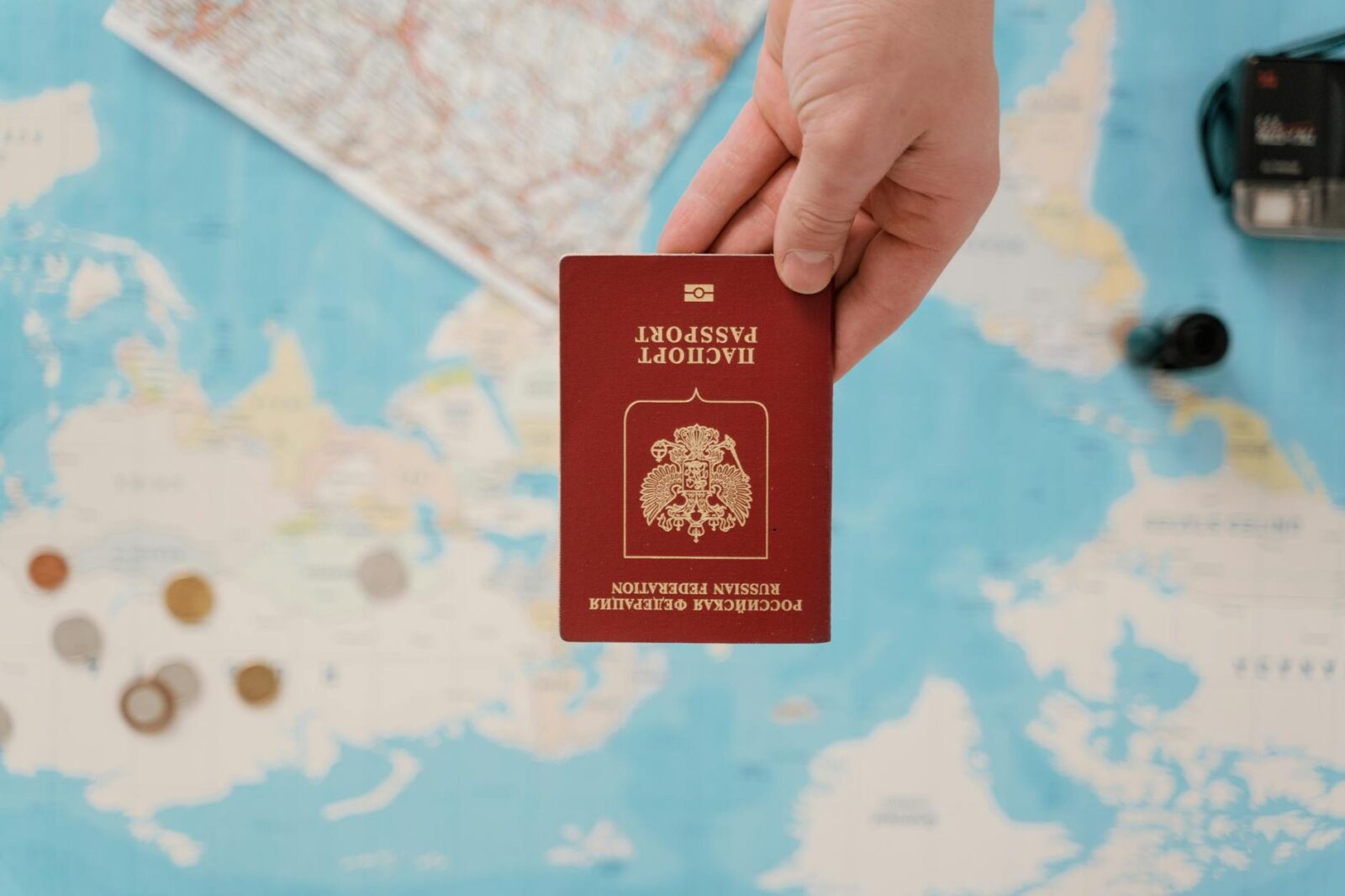
In Europe, discussions around visa bans have been prominent, particularly concerning travelers from Russia. The debate centers around security issues and political considerations. While some argue that these restrictions hinder personal freedoms, others see them as necessary security measures. The EU’s approach highlights the complexities of balancing open borders with national security.
Practical Steps for Affected Travelers
If you find yourself affected by these visa bans, there are several steps you can take. Firstly, confirm the current status of your visa through official government websites. Secondly, consider alternative travel destinations that are not subject to these restrictions. Lastly, keep abreast of any exemptions that might apply to your situation, such as dual citizenship or travel for national interest purposes.
Impact on Global Travelers and Digital Nomads
These visa restrictions have broader implications for various groups. Digital nomads, who rely on the freedom to travel for work, may need to adjust their plans significantly. Similarly, retirees seeking residency or citizenship in affected countries might face delays or increased scrutiny. Understanding these dynamics is crucial for planning long-term stays or investments abroad.
Comparing Global Visa Policies
While the U.S. and UAE have made headlines, other countries also maintain strict visa policies. For instance, Georgian citizens currently enjoy visa-free or visa-on-arrival access to 120 countries, as per the Henley Passport Index. This highlights the varied landscape of global visa policies, where some passports offer more freedom than others.
The Future of Travel in a Restricted World
As we look to the future, the landscape of international travel is likely to continue evolving. Political shifts, security concerns, and global events will play significant roles in shaping visa policies. Travelers must stay informed and flexible, adapting to new regulations as they arise.
FAQ Section
Which countries are currently banned from U.S. visas?
The United States has imposed travel bans on several countries as of 2026. For a detailed and updated list, travelers should refer to the official U.S. travel site.
How can I check if I’m affected by a UAE visa ban?
Travelers can check their visa status through the UAE’s online portal, available at UAE Visa Online. This tool provides up-to-date information on current bans and restrictions.
Are there exemptions to these visa bans?
Yes, certain exemptions exist, such as for dual nationals using a passport from a non-banned country, or for those traveling under circumstances deemed in national interest.
What should digital nomads consider in light of these bans?
Digital nomads should explore alternative destinations with favorable visa policies and ensure their work permits and residency documents are in order.
How do these bans affect investors looking for residency options?
Investors may face increased scrutiny and longer processing times for residency or citizenship applications. Staying informed about policy changes is essential.
In conclusion, the shifting landscape of visa policies in 2026 underscores the importance of staying informed and adaptable. Whether you’re a traveler, investor, or digital nomad, understanding these changes can help you navigate the complexities of international travel. Share your experiences and thoughts in the comments below, and let’s discuss how these changes are impacting travelers worldwide.
Stay informed with the latest travel news, visa updates, and destination guides. Follow HimalayanCrest.com for weekly travel intelligence delivered by our editorial team.