

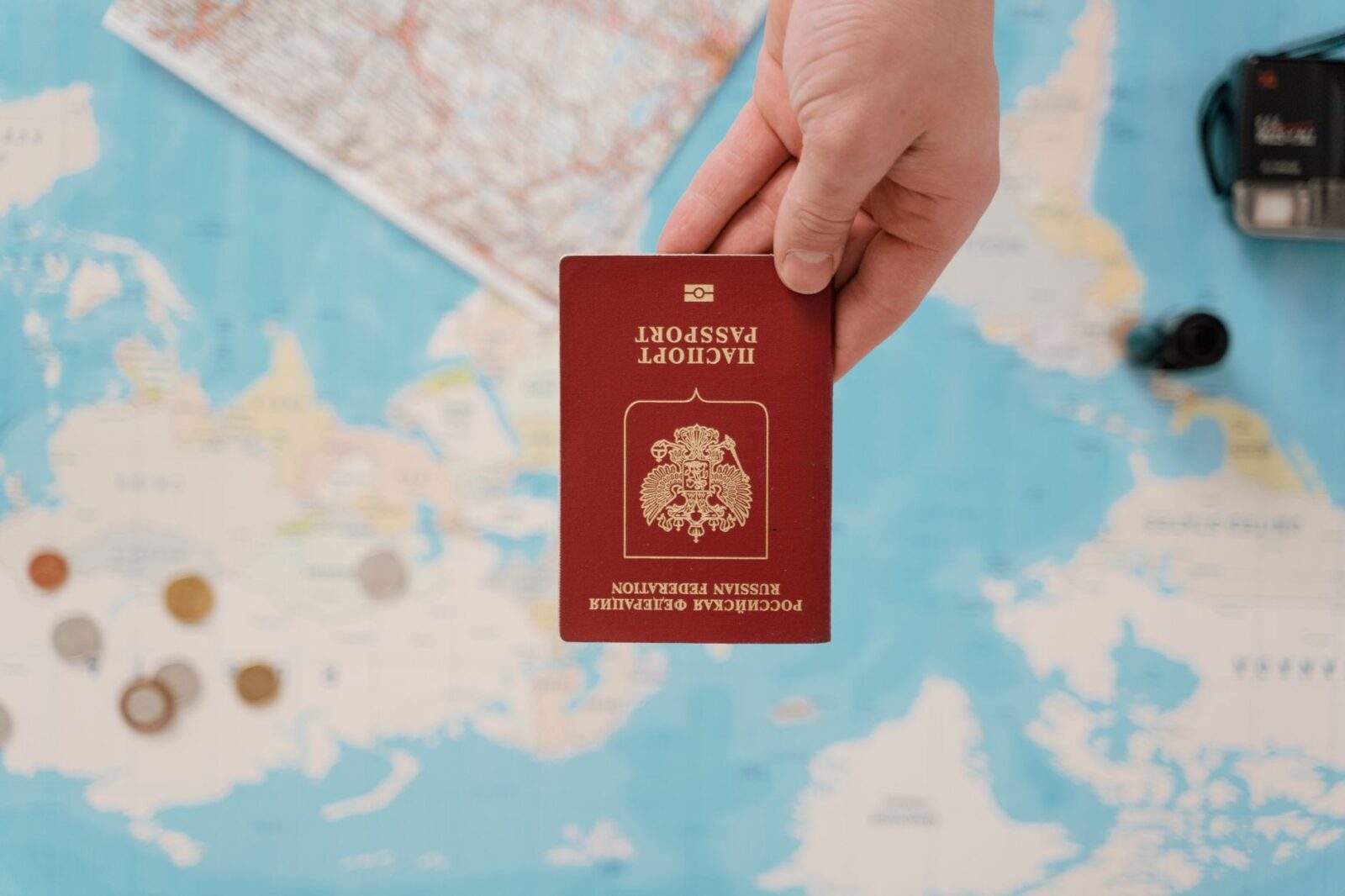
A Year of Sweeping Visa Policy Shifts
As 2026 unfolds, the global travel landscape is undergoing significant changes, with several countries revising their visa policies. The United States, in particular, has implemented a wide-ranging immigrant visa freeze affecting 75 countries, impacting an estimated 2-3 million applicants. This bold move, alongside other regional changes, has left travelers, expats, and potential investors scrambling to understand the new rules and adapt to them.
U.S. Visa Freeze and Its Implications
The United States’ decision to freeze immigrant visas for 75 countries has sent shockwaves across the globe. This policy affects a broad spectrum of applicants, from family-based to employment-based visa seekers. According to reports, this freeze is expected to disrupt nearly 2-3 million applications, with significant economic impacts on both the U.S. and the affected countries.
The U.S. Citizenship and Immigration Services (USCIS) has also paused the adjudication of immigration applications from 39 countries, affecting around half of the 12 million pending cases. This extensive policy action is one of the largest in U.S. immigration history and has created uncertainty for applicants who have been waiting for years for their cases to progress.
Canada’s Temporary Entry Suspension
In a move to curb the spread of Ebola, Canada has temporarily suspended entry for residents of three affected countries. This decision, announced in late May 2026, reflects the country’s commitment to safeguarding public health while balancing international relations. Travelers from these countries are advised to stay informed about the duration of this suspension and any updates via official Canadian government websites.
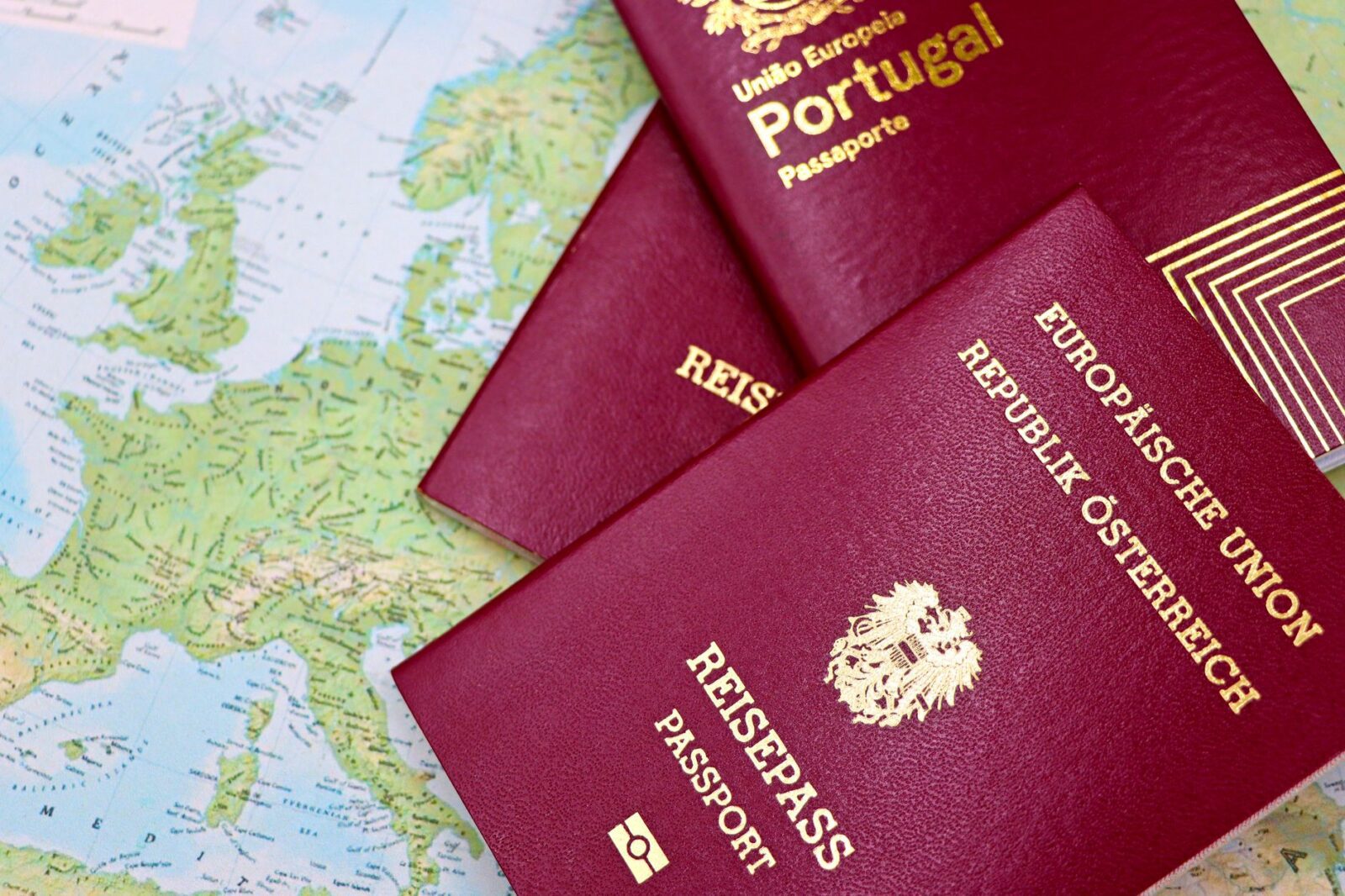
Changes in Southeast Asia
Southeast Asia is also seeing shifts in its visa policies. Thailand, for instance, has reduced its visa-free stay period to 30 days. This change is part of a broader regional effort to manage overtourism and its environmental impacts. Meanwhile, the U.S. has imposed travel bans on Laos, highlighting the intricate interplay between tourism policies and international diplomacy.
Guidance for Affected Travelers
For those impacted by these policy changes, immediate action is crucial. Travelers should:
- Consult the official government websites of their destination countries for the latest updates. For U.S. immigration policies, visit travel.state.gov.
- Seek legal advice if their immigration status is in limbo due to the freezes or bans.
- Consider alternative destinations if their travel plans are disrupted, with countries like Mexico and Brazil offering more lenient entry requirements for certain nationalities.
Comparing Global Responses
While the U.S. and Canada have taken restrictive measures, other countries are adopting different approaches. For example, the European Union continues to streamline its visa process to attract skilled workers and bolster its workforce. Similarly, Australia has introduced new pathways for digital nomads, recognizing the growing trend of remote work.
Impact on Global Mobility
These changes have far-reaching implications for global mobility. Investors and retirees considering residency options must now navigate more complex landscapes. Citizenship-seekers in affected countries may find their paths to a new nationality blocked or delayed. Digital nomads, in particular, are advised to stay flexible and explore nations with favorable remote work policies.
Future Outlook and Adjustments
As governments continue to balance public health, economic stability, and international relations, visa policies are likely to remain dynamic. Travelers, expats, and investors must stay informed and adaptable, leveraging resources like legal experts and official channels to navigate the evolving landscape.
Frequently Asked Questions
1. Which countries are affected by the U.S. visa freeze?
The U.S. visa freeze affects 75 countries, but specific names are often listed on official government websites. It’s crucial to verify through travel.state.gov.
2. How long will Canada’s entry suspension last?
The duration is currently indefinite, subject to change based on public health assessments. Check Canada’s official site for updates.
3. What are the alternatives for affected U.S. visa applicants?
Consider applying for visas in countries with more lenient policies, such as Mexico or Brazil, or seek legal advice for alternative U.S. immigration options.
4. Are there any exceptions to these bans?
Exceptions may exist for humanitarian reasons or diplomatic purposes, but specifics vary. Consulting legal experts or embassy officials is recommended.
5. What steps should digital nomads take in light of these changes?
Explore countries with favorable remote work policies, such as Portugal or Thailand, and remain adaptable to changing visa requirements.
The evolving nature of global visa policies requires travelers to remain vigilant and proactive. By staying informed and flexible, individuals can navigate these changes effectively, ensuring their travel and residency plans remain on track.
Stay informed with the latest travel news, visa updates, and destination guides. Follow HimalayanCrest.com for weekly travel intelligence delivered by our editorial team.