

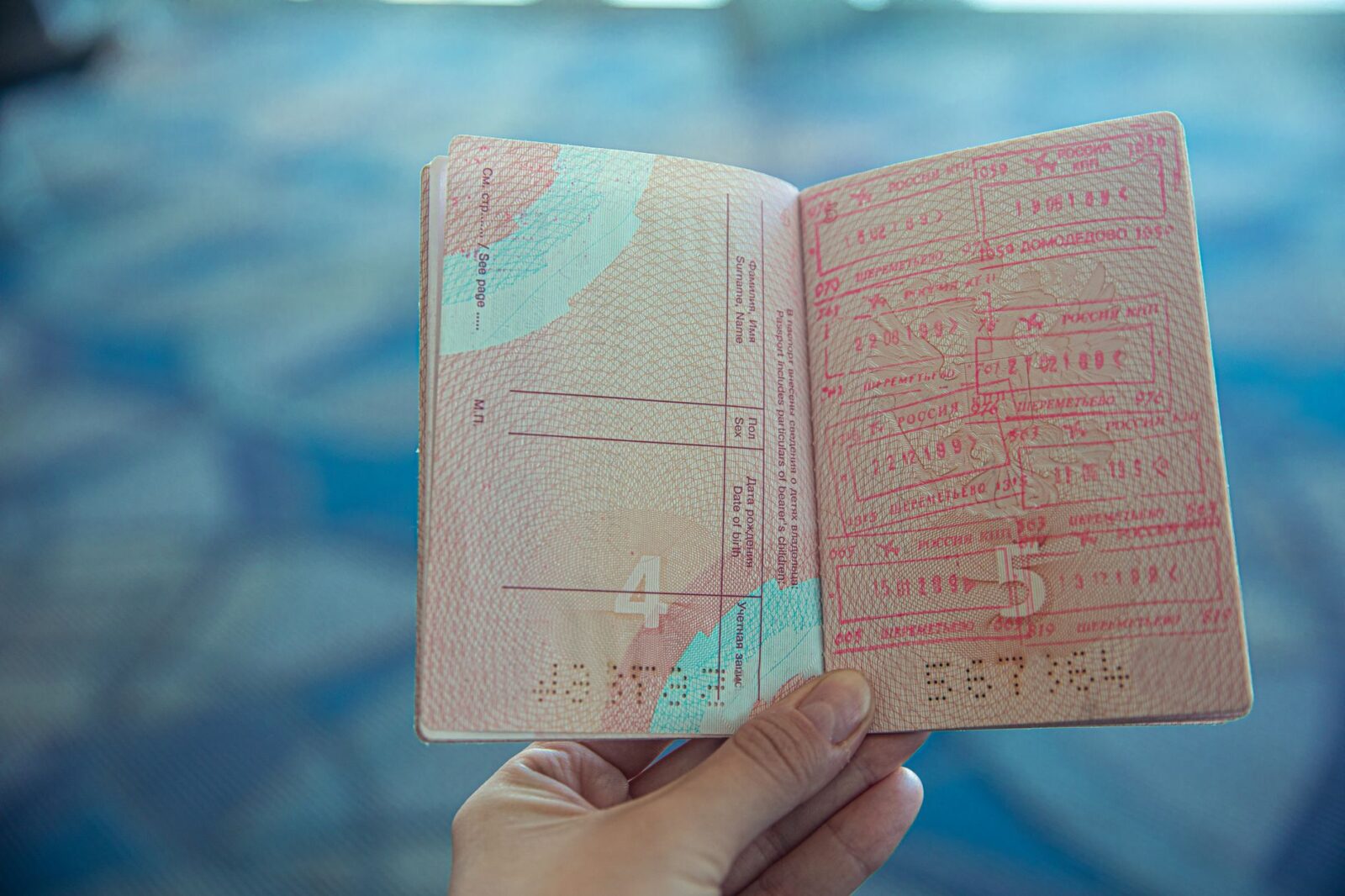
Understanding the Schengen Visa: A Gateway to Europe
The Schengen Area, an expansive zone in Europe where 27 countries have abolished internal borders, stands as a symbol of unity and seamless travel. Yet, for travelers outside of this area, obtaining a Schengen visa is a critical step to unlocking its wonders. This visa permits a short stay of up to 90 days in any 180-day period, allowing you to experience the rich tapestry of cultures, cuisines, and histories that Europe offers. Whether you’re a digital nomad seeking inspiration in Parisian cafes or a retiree wanting to savor the vineyards of Tuscany, the Schengen visa opens the door to a multitude of adventures.
What’s New in 2026: Key Changes in the Schengen Visa Process
As of 2026, the Schengen visa application process has undergone significant updates. The application fee has increased to €90 (approximately $100), a move that aligns with inflationary adjustments across the member states. Moreover, the processing timeline now officially takes 15 calendar days, though applicants are advised to apply well in advance of their travel date. Additionally, new documentation requirements have been introduced, including proof of biometric data collection, which is aimed at enhancing security and streamlining cross-border travel.
Who Needs a Schengen Visa?
The Schengen visa is mandatory for citizens of countries not part of the Schengen Agreement. This includes numerous African, Asian, and Middle Eastern nations. Notably, travelers from regions such as India, Nigeria, and the Philippines must apply for this visa to visit Europe. The visa is essential for tourists, business travelers, and even those attending short-term educational courses. It also affects investors and retirees looking to explore potential residency in Europe. With the recent changes, it’s crucial for applicants to stay informed to ensure a smooth application process.
Step-by-Step Guide to Applying for a Schengen Visa
Embarking on your journey to the Schengen Area requires careful preparation. Here’s a step-by-step guide to navigate the process efficiently:
- Determine Your Entry Point: Decide on the country where you will enter first or spend the most time, as this is where you should submit your application.
- Gather Required Documents: Prepare essential documents such as a valid passport, recent photographs, travel itinerary, accommodation proof, financial means, and travel insurance covering up to €30,000.
- Schedule an Appointment: Contact the consulate or visa application center of your chosen country to book an appointment.
- Complete the Application Form: Fill out the Schengen visa application form accurately, available online on official government websites like Migration and Home Affairs.
- Attend the Visa Interview: Arrive on time for your interview, bringing all necessary documents and paying the application fee.
- Await Processing: Once submitted, your application will be processed within 15 days. Monitor your application status online.
Comparative Insights: How Other Countries Handle Visa Applications
Globally, visa application processes vary significantly. For instance, the United States offers the Electronic System for Travel Authorization (ESTA) for short visits, which is a streamlined online process. Meanwhile, Australia’s eVisitor visa is similar to the Schengen visa but is entirely electronic, reflecting a trend toward digital solutions. The Schengen Area’s approach, particularly with its biometric requirements, emphasizes security, setting a precedent for future visa protocols worldwide.

Implications for Investors, Digital Nomads, and Retirees
The updated Schengen visa process holds particular implications for investors, digital nomads, and retirees. Investors looking to capitalize on Europe’s diverse markets must navigate these visa requirements to explore opportunities in person. Digital nomads, often requiring flexibility, may find the 90-day limit a constraint, necessitating strategic planning to maximize their stay. Retirees, on the other hand, may view the Schengen visa as a gateway to exploring potential retirement destinations across Europe.
Official Resources and Verification
For the most accurate and updated information, applicants are encouraged to refer to official resources. The European Commission’s website on Schengen visas offers comprehensive guidance, while individual country consulates provide specific details relevant to their jurisdictions. Always verify information through these official channels to avoid misinformation and ensure a successful application.
Conclusion: Your Ticket to European Adventure Awaits
The Schengen visa is more than just a travel document; it’s your ticket to the heart of Europe. While the process may seem intricate, with careful preparation and adherence to guidelines, your dream European journey is within reach. As you embark on this exciting venture, remember that the world is vast, and the opportunities are endless. Share your experiences, ask questions, and let your European story begin.
Frequently Asked Questions
What is the Schengen visa processing time in 2026?
The official processing time for a Schengen visa in 2026 is 15 calendar days. However, it is advisable to apply at least a month in advance to account for any unforeseen delays.
How much does a Schengen visa cost in 2026?
The application fee for a Schengen visa has been updated to €90 (approximately $100) in 2026. This fee is non-refundable, regardless of the application outcome.
Which countries require a Schengen visa?
Citizens from non-Schengen countries, including many from Africa, Asia, and the Middle East, need a Schengen visa to visit Europe. Countries like India, Nigeria, and the Philippines are among those affected.
Can I travel to multiple countries with a Schengen visa?
Yes, a Schengen visa allows you to travel freely within the Schengen Area, which includes 27 European countries, during your 90-day visit period.
What should I do if my Schengen visa application is rejected?
If your application is rejected, you can appeal the decision or reapply with additional documentation addressing the reasons for rejection. Consult the specific embassy or consulate for guidance.
Stay informed with the latest travel news, visa updates, and destination guides. Follow HimalayanCrest.com for weekly travel intelligence delivered by our editorial team.