

Seven Brazilian Villages Chase UN Tourism Honor
In August 2026, seven rural communities from Brazil entered the global race for the Best Tourism Villages 2026 award, an initiative led by UN Tourism to highlight places where tourism protects culture and creates livelihoods. The nominations were announced amid a steady rise in international arrivals to Brazil, which recorded 9.28 million visitors in 2025, a 32 percent increase from the previous year. This surge underscores growing interest in destinations beyond the usual beaches and cities.
The Brazilian contenders span five states and represent a mosaic of immigrant heritage, agricultural traditions, and natural beauty. If selected, they will join two already‑honored Brazilian villages and become part of a network that now includes 319 rural destinations worldwide. The winners will be revealed in December 2026 during a ceremony in Buenos Aires, Argentina.
The Nominees: Where Culture Meets Landscape
Araçá, located in the municipality of Porto Belo in Santa Catarina, is a coastal community known for its fishing traditions and preservation of Azorean customs. Visitors can explore historic boats, sample fresh seafood stews, and participate in annual festivals that celebrate maritime rites.
Conceição de Ibitipoca, a district of Lima Duarte in Minas Gerais, lies within the dramatic Ibitipoca State Park. Its stone houses and winding trails attract hikers who seek waterfalls, caves, and vistas of the Serra da Mantiqueira. Local guides share knowledge of medicinal plants and traditional cheese making.
Delfinópolis, also in Minas Gerais, sits beside the Furnas Reservoir and is celebrated for its water‑based recreation and coffee farming. The town’s annual coffee festival draws producers from across the region, offering tastings, barista workshops, and tours of shade‑grown plantations.
Holambra, in São Paulo, is famous for its Dutch‑inspired flower fields and the annual Expoflora, the largest ornamental plant exhibition in Latin America. The town’s architecture, windmills, and tulip festivals reflect the legacy of Dutch immigrants who arrived in the 1940s.
São José do Barreiro, another São Paulo municipality, rests in the Paraíba Valley and is noted for its preserved colonial farms and cattle ranching. Visitors can tour historic fazendas, try traditional cheese and sweets, and attend rodeo‑style events that showcase rural horsemanship.
Lençóis, the gateway to the Chapada Diamantina National Park in Bahia, offers access to towering tabletop mountains, crystal‑clear rivers, and vibrant cultural expressions rooted in Afro‑Bahian traditions. The town’s historic centre features pastel‑coloured houses, capoeira circles, and local crafts such as hammock weaving.
Vila Flores, in Rio Grande do Sul, is nestled in the mountainous region of the Serra Gaúcha and is known for its Italian‑influenced cuisine, vineyards, and colonial‑style architecture. The community hosts seasonal grape harvest festivals where visitors can stomp grapes, taste young wines, and enjoy folk music performed on accordions and violins.
What the Best Tourism Villages Award Really Means
The Best Tourism Villages programme, launched by UN Tourism in 2021, seeks to recognise rural settlements that use tourism as a tool for cultural preservation, environmental stewardship, and economic diversification. To be eligible, a village must have a population of 15,000 or fewer and demonstrate active involvement in agriculture, fishing, livestock, or forestry.
Winning the award does not bring direct financial grants, but it provides international visibility, access to a global network of peers, and technical support from UN Tourism for sustainable tourism planning. As of 2026, the programme has received more than 1,000 applications from 100 countries, and the associated network brings together 319 villages that share best practices through annual forums and online exchanges.
Brazil’s Existing Winners: Lessons from Testo Alto and Antônio Prado
Testo Alto, located in the municipality of Pomerode in Santa Catarina, was recognised in an earlier edition of the award. The village preserves half‑timbered buildings that trace back to German settlers of the nineteenth century. Its Half‑Timbered Route stretches 16 kilometres and includes roughly 50 structures, ranging from homes to workshops, all maintained with traditional techniques.
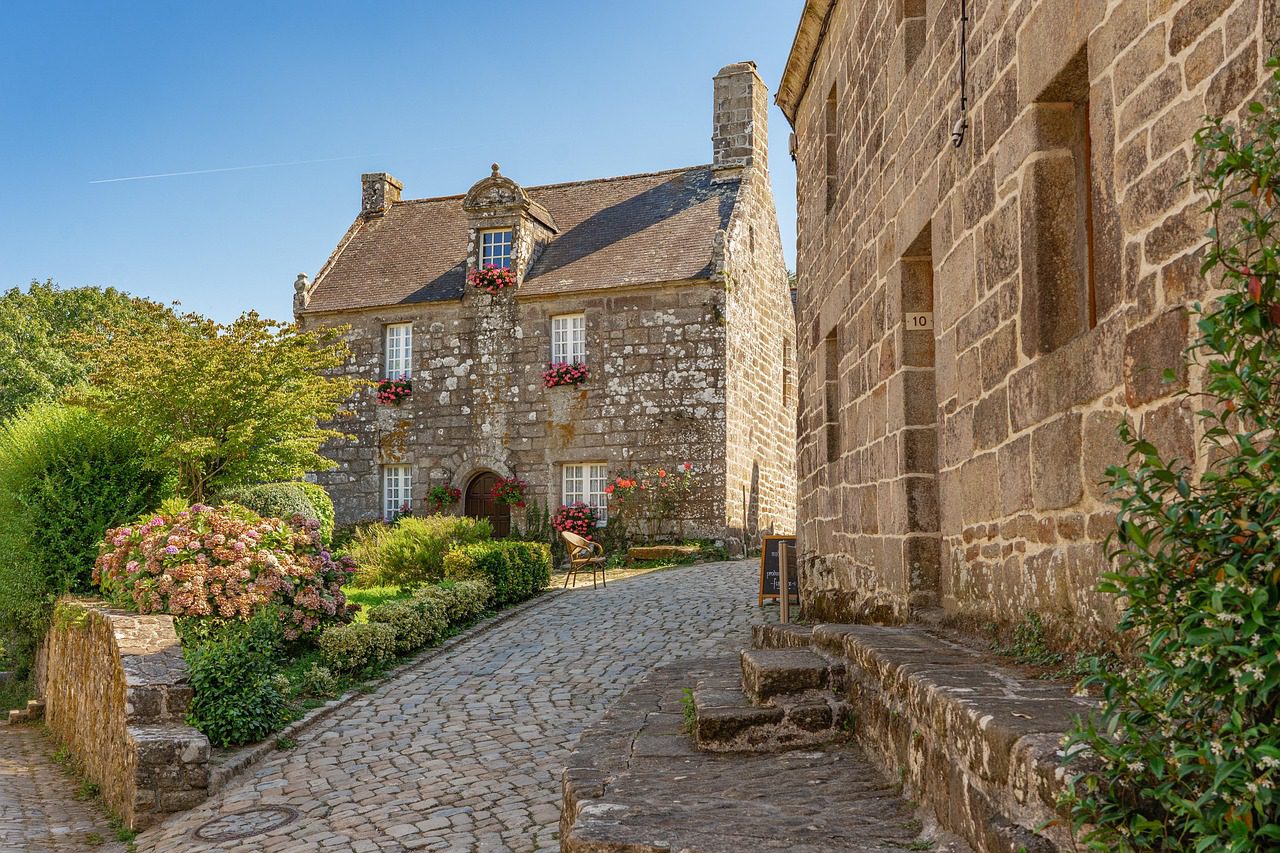
Antônio Prado, in Rio Grande do Sul, earned recognition for safeguarding the legacy of Italian immigration. The town’s streets are lined with colonial‑era houses, and its residents still speak Talian, a Venetian‑derived dialect. Culinary highlights include polenta, cured meats, and homemade wines that reflect centuries‑old family recipes.
These two examples illustrate how the award can reinforce local pride, encourage restoration projects, and stimulate niche tourism routes that benefit small businesses such as guesthouses, craft shops, and family‑run restaurants.
Tourism as a Lifeline for Rural Brazil
Across the nominated villages, tourism already supports small enterprises that might otherwise struggle in remote areas. In Araçá, family‑run seafood shacks report higher occupancy during the summer months, enabling them to hire additional staff and invest in boat maintenance. In Holambra, flower nurseries have expanded their export markets after welcoming visitors who want to see cultivation techniques firsthand.
The income generated from tourism helps keep alive knowledge that could fade with younger generations moving to urban centres. Elders in Conceição de Ibitipoca teach traditional stone‑carving techniques to teenagers who work as park guides, while coffee farmers in Delfinópolis use visitor feedback to refine processing methods that improve cup quality.
Moreover, tourism encourages environmental stewardship. Villages near protected areas, such as Lençóis and São José do Barreiro, have implemented waste‑reduction programmes and trail‑maintenance crews funded partly by visitor fees. These efforts align with the UN Tourism goal of linking cultural preservation to sustainable natural resource management.
Global Trends: Why Villages Are Becoming Travel Hotspots
Travelers worldwide are increasingly seeking experiences that go beyond standard sightseeing, favoring immersive stays that allow interaction with local communities. According to the World Tourism Barometer, rural tourism grew by 18 percent in 2025 compared to the previous year, outpacing urban‑centric travel in several regions.
This shift is driven by a desire for authenticity, sustainability, and meaningful connections. Travelers from Europe, North America, and Asia often look for opportunities to learn traditional crafts, taste regional foods prepared with heirloom ingredients, and participate in seasonal festivals that reflect the rhythm of rural life.
Brazil’s nominations tap into this trend by offering a blend of natural wonders, cultural mosaics, and accessible infrastructure. Many of the villages are located within a few hours’ drive of major airports or bus terminals, making them feasible additions to longer itineraries that include iconic sites such as Iguazu Falls, the Amazon, or the historic towns of Minas Gerais.
Planning Your Visit: Timing, Costs, and Tips
The best time to visit most of these destinations varies by region. For the southern villages—Araçá, Testo Alto, Antônio Prado, and Vila Flores—the months of March to May and September to November offer mild temperatures and lower rainfall, ideal for walking tours and vineyard visits. The Minas Gerais sites of Conceição de Ibitipoca and Delfinópolis are pleasant from April to October, when the weather is dry enough for hiking and coffee‑farm tours.
In São Paulo, Holambra’s flower spectacles peak in September during Expoflora, while São José do Barreiro enjoys comfortable weather from May to August for exploring fazendas. Lençóis in Bahia is most accessible from May to September, when the Chapada Diamantina trails are less muddy and river levels are suitable for swimming.
Budget‑conscious travelers can expect modest expenses. A night in a family‑run guesthouse typically costs between $30 and $50 USD, meals at local eateries range from $8 to $15 USD, and guided tours such as a half‑day hike in Ibitipoca State Park or a coffee‑farm visit in Delfinópolis are usually priced around $20 to $35 USD. Public buses connect the villages to nearby cities, with fares often under $10 USD for short hops.
Practical tips include booking accommodations in advance during festival periods, carrying cash for small vendors who may not accept cards, and respecting local customs such as removing shoes when entering homes or asking permission before photographing residents. Learning a few phrases in Portuguese—or in the local dialects like Talian or the German‑inspired Pomeranian—can enrich interactions and show appreciation for the host culture.
Frequently Asked Questions
- What is the Best Tourism Villages award and who organises it?
The Best Tourism Villages award is an annual programme launched by UN Tourism in 2021 to recognise rural communities that use tourism to protect cultural heritage, support traditional livelihoods, and promote sustainable development. It is organised by the United Nations World Tourism Organization (UN Tourism). - When will the winners for 2026 be announced?
The results for the Best Tourism Villages 2026 cycle will be revealed in December 2026 during a ceremony held in Buenos Aires, Argentina. - How many Brazilian villages have been recognised so far?
Prior to the 2026 nominations, Brazil had two recognised villages: Testo Alto in Pomerode (Santa Catarina) and Antônio Prado in Rio Grande do Sul. With the seven new candidates, Brazil’s total entries since the award’s inception reach 27. - Are there any costs associated with applying for or receiving the award?
There is no application fee, and winning the award does not provide a direct monetary grant. Instead, recipients gain international visibility, access to the Best Tourism Villages Network, and technical guidance from UN Tourism for sustainable tourism planning. - What types of experiences can travelers expect in these villages?
Visitors can enjoy activities such as guided hikes through scenic parks, tours of historic farms and colonial architecture, participation in seasonal festivals (flower, coffee, grape harvest), tasting of regional cuisine, and hands‑on workshops in traditional crafts like cheese making, weaving, or coffee processing.
Stay informed with the latest travel news, visa updates, and destination guides. Follow HimalayanCrest.com for weekly travel intelligence delivered by our editorial team.