

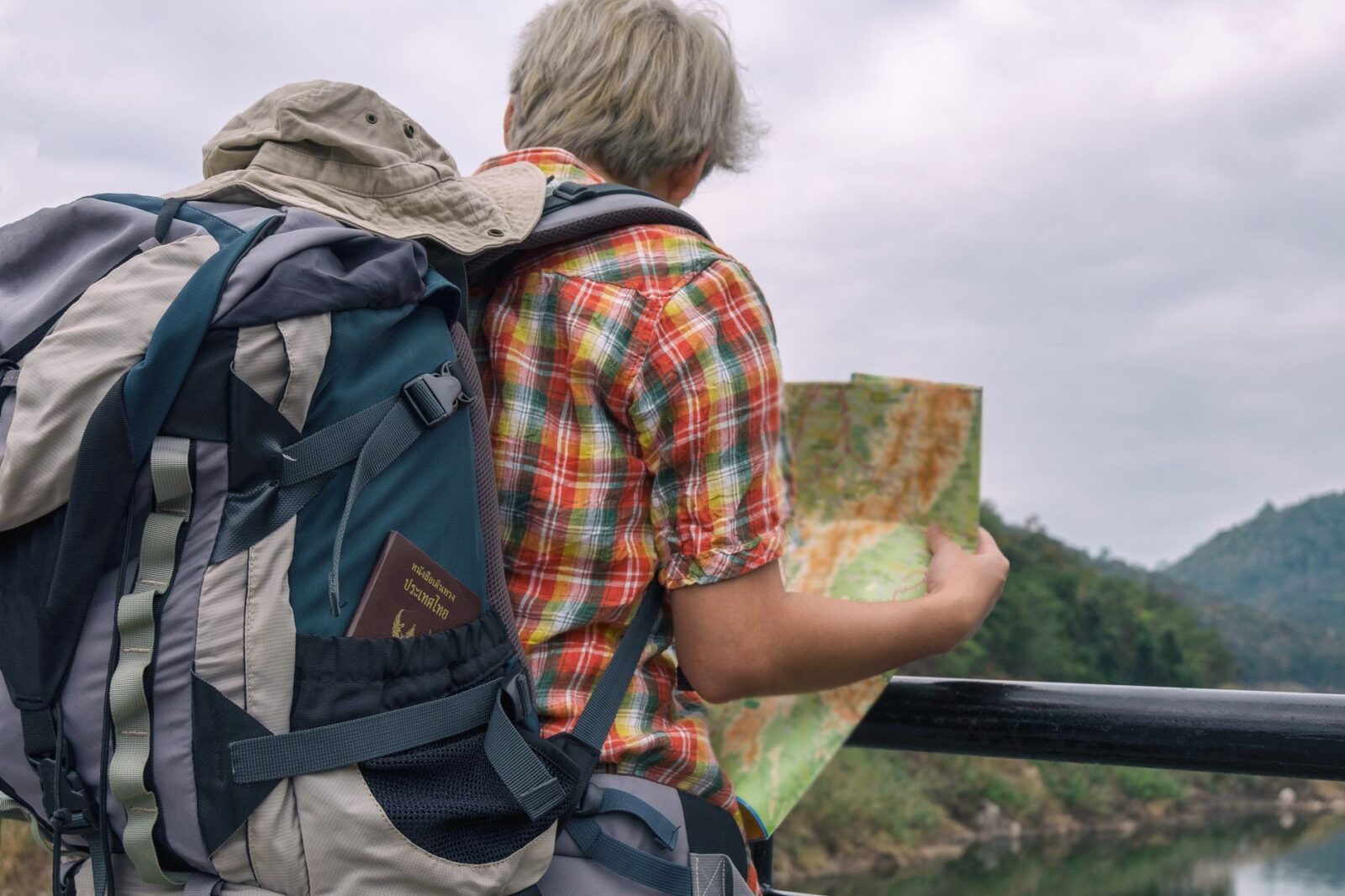
The $50-a-Day Dream: Why It’s Possible Today
Imagine waking up in a bustling market in Chiang Mai, sipping fresh coconut water for less than a dollar, then hopping on a night bus to Hanoi for the price of a fancy coffee back home. Many travelers assume that seeing the world requires a fat bank account, but the reality is far more encouraging. With smart planning, a few trusted tools, and a willingness to embrace local life, you can explore continents while keeping daily expenses at or below fifty US dollars. This article breaks down exactly how to make that happen, step by step.
Mastering Flight Savings: Flexibility and Tools
The biggest chunk of any travel budget often disappears on airfare, yet a few simple shifts can cut costs dramatically. Instead of locking onto a single departure date, search whole month views on Skyscanner or Google Flights and pick the cheapest day to fly; our research shows that shifting your departure by just two or three days can save hundreds of dollars on a long‑haul route. Booking on a Tuesday or Wednesday typically yields the lowest fares, with average savings of around fifteen percent compared to weekend departures.
Set up price alerts on Hopper or Airfarewatchdog so you receive a notification when a route drops below your target price. When you spot a deal, act quickly—flash sales often last only a few hours. If your destination is flexible, let the price guide your itinerary: search for “everywhere” from your home airport and choose the cheapest country that appears in the results. This approach turns flight hunting into a game of discovery rather than a chore.
Accommodation Hacks: Beyond Hostels
Hostels remain a cornerstone of budget travel, but they are not the only way to sleep cheaply. In Southeast Asia, a clean dorm bed in a well‑reviewed hostel costs between eight and twelve US dollars per night, while a private room in the same property often runs twenty to thirty dollars. In Eastern Europe, expect dorms for fifteen to twenty‑five dollars and privates for thirty to forty‑five dollars. Latin America offers similar value, with dorms ranging from ten to eighteen dollars.
Consider alternative lodging platforms that reward flexibility. Couchsurfing connects you with locals willing to host for free, offering not only a place to stay but also cultural insight. Workaway and HelpX let you trade a few hours of light work—such as gardening, reception, or teaching—for free room and board, effectively reducing your nightly cost to zero. For those who prefer a bit more privacy, booking a private room on Airbnb outside the city center can be cheaper than a central hostel, especially when you factor in the ability to cook your own meals.

Food on a Budget: Eat Like a Local Without Getting Sick
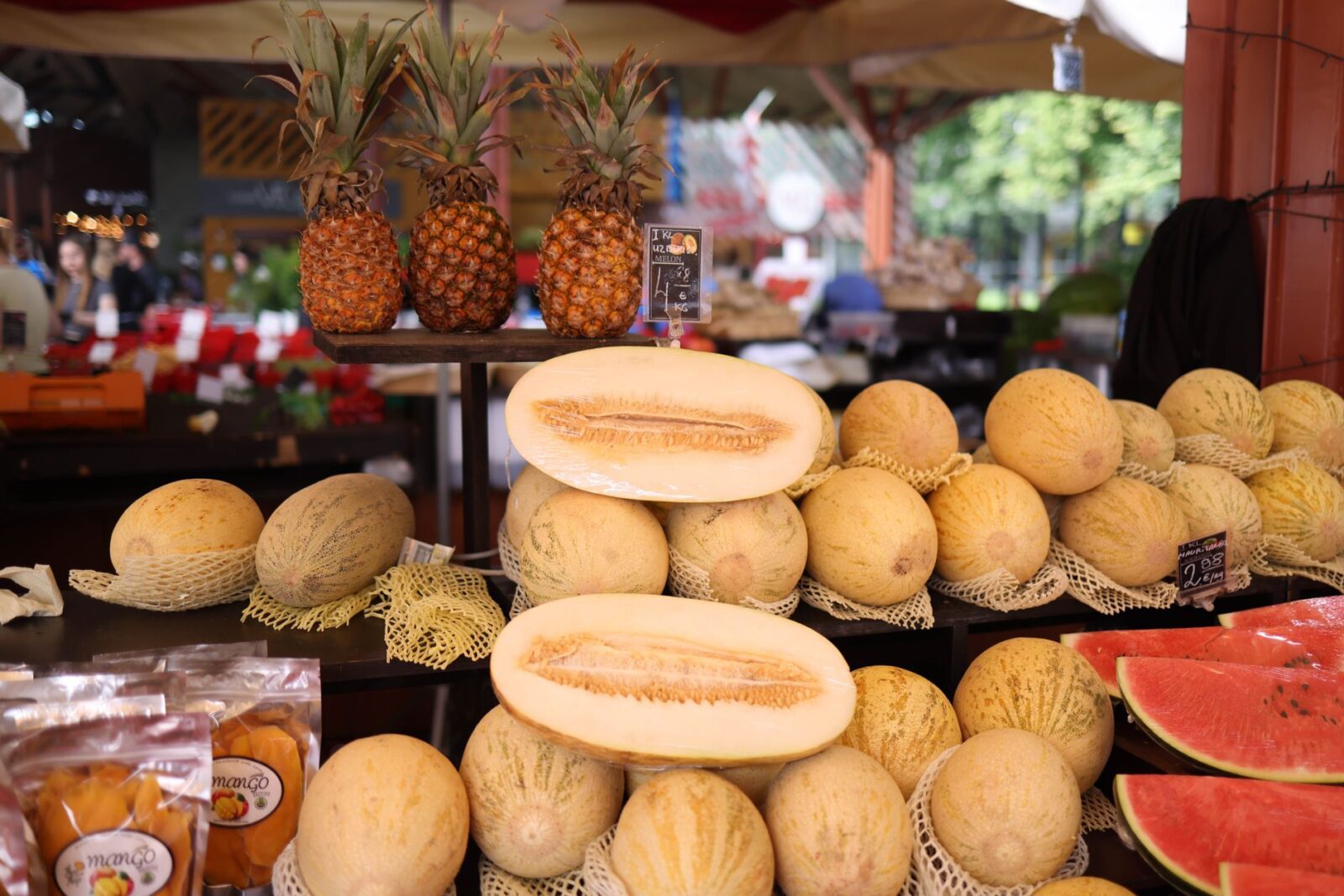
Food is where many travelers overspend, yet eating well on a dollar‑a‑day budget is entirely feasible if you follow local habits. Street food stalls in Thailand, Vietnam, or Mexico frequently serve a filling meal for two to four US dollars, and the turnover is high, which means the food is fresh. Markets in cities like Marrakech or Quito offer ready‑to‑eat plates of tagine or ceviche for under three dollars, allowing you to sample authentic flavors without the restaurant markup.
When you have access to a kitchen—common in hostels, guesthouses, or Airbnb rentals—shopping at local supermarkets cuts costs dramatically. A basket of rice, beans, seasonal vegetables, and eggs can be assembled for under five dollars per day, providing nutritious meals that keep you energized for sightseeing. Avoid the temptation to eat at tourist‑frequented restaurants near major attractions; those establishments often charge thirty to fifty percent more for comparable dishes.
Stay hydrated without buying bottled water repeatedly. In most destinations, tap water is safe to drink after a simple filtration step; a collapsible reusable bottle that costs about twelve dollars can be refilled for free at hostels, cafes, or public fountains. If you are unsure about water quality, a lightweight SteriPEN or chlorine tablets add less than a dollar to your daily expense while protecting you from illness.
Transportation Tricks: Getting Around for Pennies
Local transit is usually the cheapest way to move through a city, and mastering it can save you dozens of dollars each week. In most Asian and Latin American metros, a single ride on bus or subway costs between thirty cents and one dollar, while a daily unlimited pass often tops out at two dollars. Download the city’s official transit app or use Google Maps to see real‑time schedules and route options; this eliminates the need for costly taxis or rideshares for short trips.
For intercity travel, consider overnight buses or trains. Not only do you save on a night’s accommodation, but you also wake up already in your next destination. A popular route such as Bangkok to Chiang Mai by overnight bus costs roughly fifteen dollars, compared to fifty dollars or more for a low‑cost flight plus a hostel night. In Europe, regional trains booked through Omio or Rail Europe can be secured for under twenty dollars when purchased two to three weeks in advance, especially if you travel mid‑week.
Avoid the common mistake of relying on airport taxis for every arrival. Instead, research the public transport link from the airport to the city center—many cities offer express buses or train connections for under five dollars. If you must use a rideshare, share the ride with other travelers heading the same way; apps like BlaBlaCar facilitate cost‑sharing for longer intercity trips, reducing the per‑person expense dramatically.
Activities and Attractions: Free and Low‑Cost Experiences
Some of the most memorable travel moments cost nothing at all. Many world‑class museums, such as the British Museum in London or the Smithsonian in Washington, D.C., offer free admission year‑round. Others, like the Louvre or the Prado, have designated free‑entry days—usually the first Sunday of the month or certain evenings—where you can enter without paying a cent. Check the official websites of attractions before you go to confirm these schedules.
City walking tours operated by locals often work on a tip‑only basis; you pay what you feel the experience was worth, typically three to five dollars if you are satisfied. These tours provide historical context, hidden‑gem recommendations, and a chance to meet fellow travelers. In natural settings, national parks frequently charge modest entry fees; for example, entering Torres del Paine in Chile costs about eighteen dollars, while a day in Thailand’s Khao Sok National Park is roughly ten dollars.
Take advantage of free cultural events that happen regularly in most cities. Open‑air concerts, film screenings, festivals, and market nights are advertised on community boards, hostel notice boards, or websites like Meetup and Eventbrite. Participating not only saves money but also immerses you in the local rhythm of life.
Money Management on the Road: Cards, Cash, and Avoiding Fees
How you handle money can make or break a fifty‑dollar‑a‑day plan. Choose a debit card that reimburses ATM fees worldwide and does not charge foreign transaction fees; popular options include the Charles Schwab debit card, Revolut Premium, and Wise’s multi‑currency card. These cards let you withdraw local currency at the interbank exchange rate, saving you up to five percent per transaction compared to airport kiosks or hotel desks.
Always decline dynamic currency conversion when a merchant offers to charge you in your home currency; the rate offered is almost always worse than the rate your bank provides. Instead, pay in the local currency and let your card handle the conversion. Keep a small reserve of US dollars or euros for emergencies, but rely primarily on card payments for safety and traceability.
Track your spending with a simple budgeting app such as Trail Wallet or Spendee; setting a daily limit of fifty dollars and receiving alerts when you approach it helps you stay accountable. Review your expenses each night and adjust the next day’s plan—if you splurged on a memorable dinner, compensate by opting for a free walking tour and a simple hostel breakfast the following morning.
Packing Smart: Gear that Saves Money and Space
The right gear prevents unnecessary purchases on the road and protects your budget from avoidable expenses. Start with a set of four packing cubes; a quality set costs about fifteen dollars and can compress your clothing by up to thirty percent, letting you fit more into a carry‑on bag and avoid checked‑baggage fees that often exceed thirty dollars per flight. Roll your clothes instead of folding them to further reduce wrinkles and maximize space.
Bring a versatile scarf or sarong that can serve as a blanket on chilly buses, a modest cover‑up for temple visits, or even a makeshift picnic mat. A lightweight, quick‑dry towel priced around eight dollars eliminates the need to rent towels at hostels or beaches, saving you a few dollars each time. A universal travel adapter with USB ports, priced at roughly twelve dollars, ensures you can charge all your devices without buying multiple country‑specific plugs.
Finally, carry a basic first‑aid kit with items like band‑aids, antiseptic wipes, and pain relievers; purchasing these individually abroad can cost twice as much as buying them at home. A small lock for your hostel locker, priced under five dollars, protects your valuables and gives you peace of mind, letting you enjoy your day without worrying about theft.
Frequently Asked Questions
Is it really possible to maintain a $50 daily budget in expensive regions like Western Europe or Japan?
Yes, but it requires tighter choices. In Western Europe, aim for dormitory beds in well‑rated hostels that average twenty‑five to thirty dollars per night, and supplement with occasional Couchsurfing stays. Eat breakfast and dinner from supermarkets, and reserve your fifty‑dollar allowance for a modest lunch special or a street‑food meal. In Japan, look for capsule hotels or business‑hotel deals that start around twenty‑five dollars, and take advantage of convenience‑store meals (onigiri, bento boxes) that cost three to five dollars each. Using a Japan Rail Pass can also lower intercity transport costs if you plan several train trips.
How do I handle unexpected expenses like medical emergencies or lost gear?
Travel insurance is non‑negotiable; a basic comprehensive plan for a month‑long trip typically costs between forty and sixty dollars, covering hospital care, evacuation, and trip interruption. Keep a digital copy of your policy and the insurer’s emergency phone number stored in your phone and email. For lost or stolen gear, file a police report locally and notify your insurer promptly; most policies reimburse the depreciated value of items such as cameras or laptops after a deductible, which is often around fifty dollars.
What are the best apps for finding last‑minute accommodation deals?
Hostelworld and Booking.com both offer “last‑minute” filters that show properties with same‑day availability at reduced rates. Additionally, the app HotelTonight specializes in discounted unsold inventory, often offering private rooms at thirty to forty percent off the regular price. For truly spontaneous stays, consider the Couchsurfing hangout feature, which lets you meet locals who may offer a couch or spare room for free on short notice.
Can I work while traveling to stretch my budget further?
Absolutely. Many countries offer working‑holiday visas for travelers under thirty‑or‑thirty‑five, allowing short‑term employment in hospitality, agriculture, or teaching. Platforms like Workaway, HelpX, and WWOOF list opportunities where a few hours of daily work earns you free lodging and meals, effectively cutting your daily cash outflow to zero for food and shelter. Even freelance gigs—such as graphic design, writing, or programming—can be sourced through sites like Upwork or Fiverr, providing income that offsets travel costs without requiring a long‑term commitment.
Stay informed with the latest travel news, visa updates, and destination guides. Follow HimalayanCrest.com for weekly travel intelligence delivered by our editorial team.