

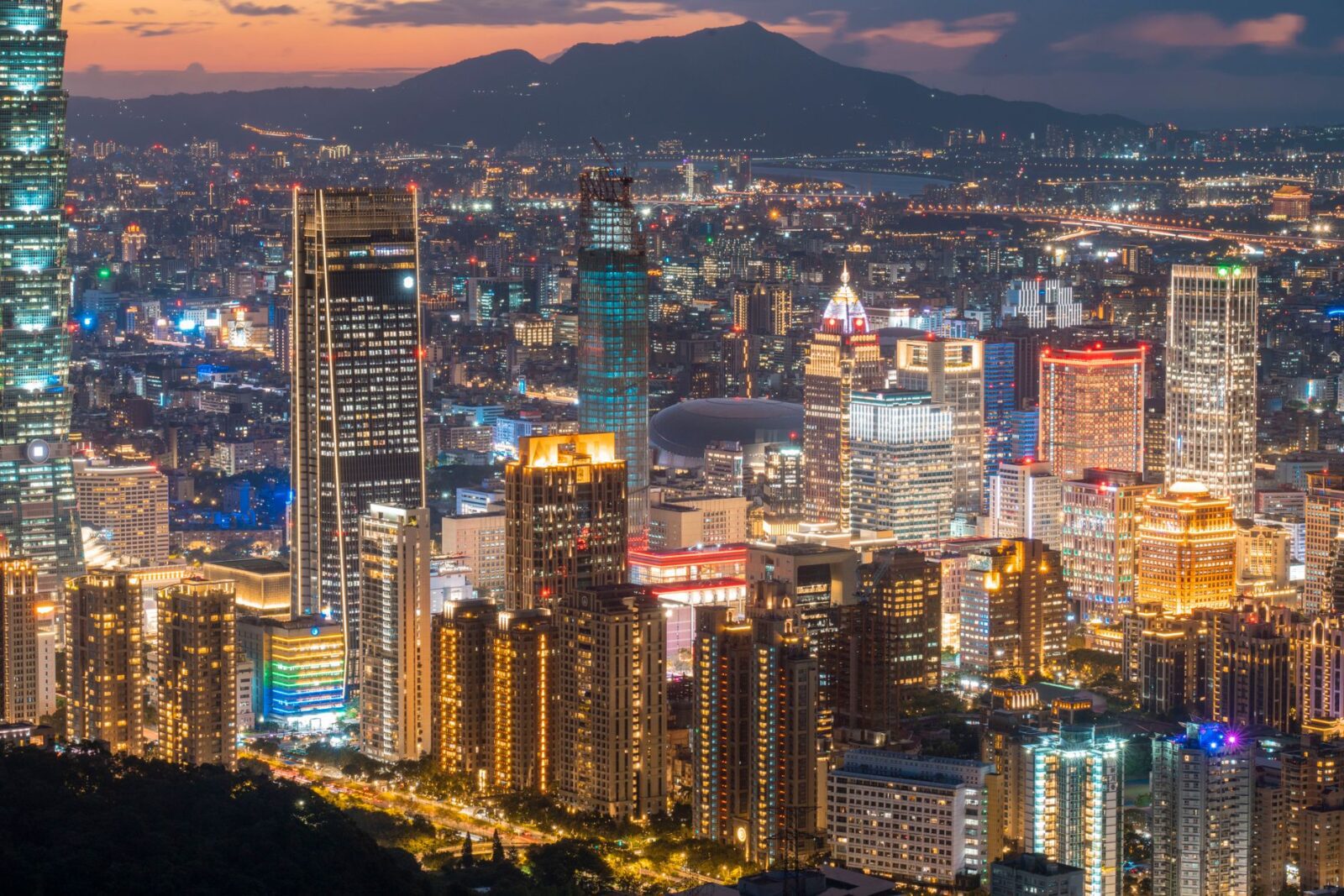
China’s Towering Lead with 3,314 Skyscrapers
China doesn’t just build skyscrapers; it builds more of them than any other country in the world. With a staggering 3,314 skyscrapers as of 2026, China is the undisputed leader in high-rise architecture. This number dwarfs the United States, which ranks second with 899 skyscrapers. The rapid urbanization and economic boom in cities like Shenzhen and Shanghai have fueled this vertical expansion.
The country’s focus on developing its cities into global hubs has led to a skyline transformation that is both a cultural and economic phenomenon. For travelers, this means a chance to explore cities that are continuously evolving, offering everything from cutting-edge architecture to traditional cultural experiences. A visit to Shanghai’s iconic skyline along the Bund is a must for any traveler eager to witness China’s architectural prowess.
Hong Kong: The City with the Most Skyscrapers
Hong Kong stands as the city with the highest number of skyscrapers, boasting an impressive 569 buildings taller than 150 meters. This skyline, punctuated by the towering International Commerce Centre, is a testament to Hong Kong’s role as a global financial hub. The city’s unique geography, with limited land available for expansion, has led to this vertical growth.
For visitors, Hong Kong offers a stunning blend of urban sophistication and natural beauty. The view from Victoria Peak is nothing short of breathtaking, providing a panoramic view of the city’s dense skyline against the backdrop of the South China Sea. This city is a perfect example of how space constraints can drive architectural innovation.
The Burj Khalifa: Still the World’s Tallest
Standing at an awe-inspiring 828 meters, the Burj Khalifa in Dubai remains the tallest building in the world. This architectural marvel has held the title since its completion in 2010, symbolizing Dubai’s ambition and wealth. The Burj Khalifa is not just a skyscraper; it is a city within a building, featuring luxurious residences, hotels, and office spaces.
For tourists, a visit to the Burj Khalifa offers an unparalleled experience. The observation deck on the 148th floor provides stunning views of the desert city. It’s a reminder of what human ingenuity can achieve and a highlight for any trip to the United Arab Emirates.
New York City: A Historical Skyscraper Leader
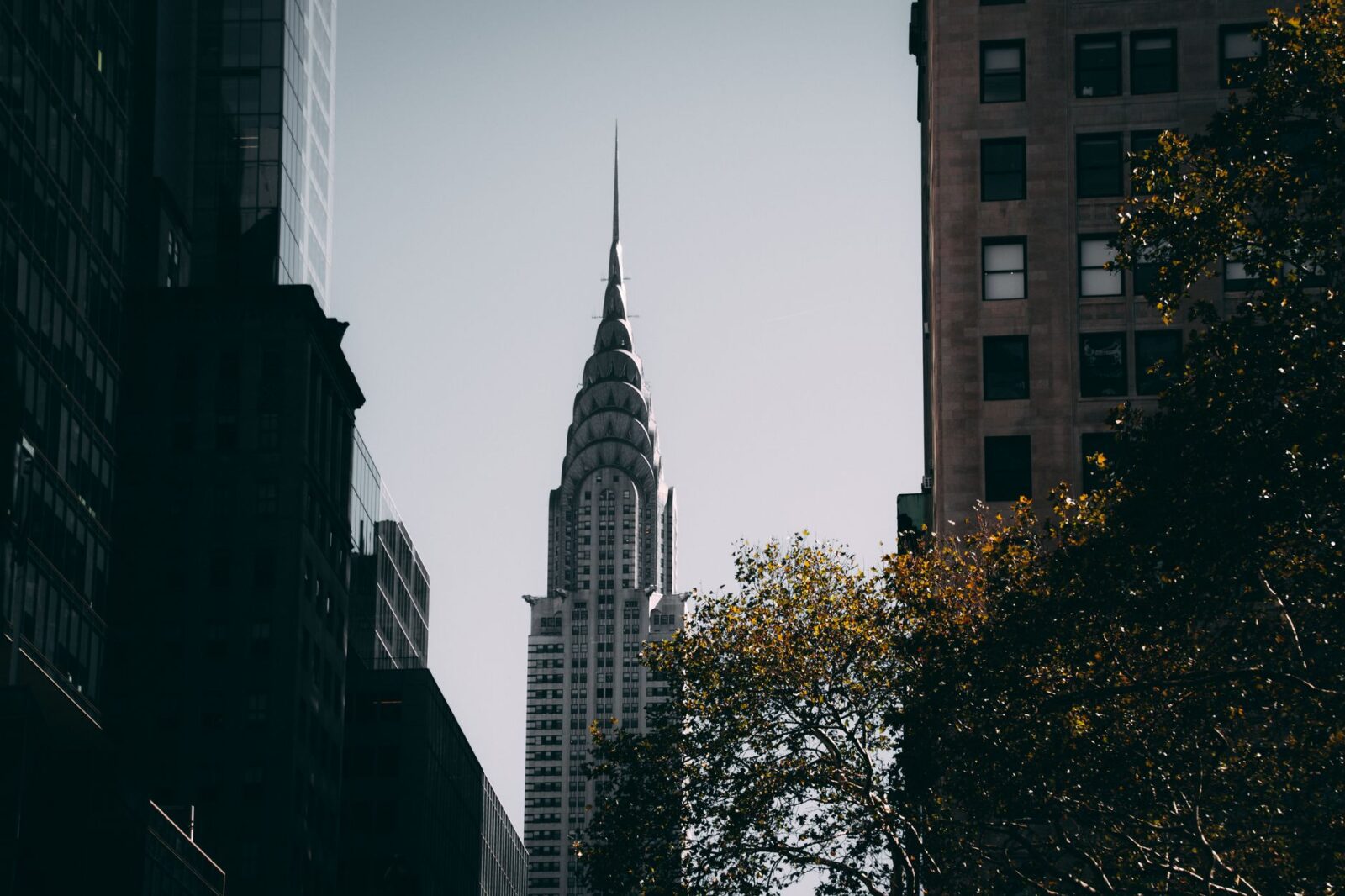
New York City has long been synonymous with skyscrapers. While it no longer holds the record for the most skyscrapers, it remains an iconic city for its historic and contemporary skyline. With 302 skyscrapers, New York is home to some of the most famous buildings in the world, including the Empire State Building and the One World Trade Center.
The city’s architectural history is a journey through time, from the Art Deco masterpieces of the early 20th century to the modern glass towers of today. For those exploring New York, the skyline is an ever-present reminder of the city’s storied past and its vibrant present.
Saudi Arabia’s Race to the Top
Saudi Arabia is making a bold statement with the construction of the Jeddah Tower, set to surpass the Burj Khalifa in height upon completion. Although construction has faced delays, the tower is poised to reach over 1,000 meters, redefining the concept of a skyscraper.
This ambitious project reflects Saudi Arabia’s Vision 2030, aiming to diversify its economy and reduce its reliance on oil. Travelers to Saudi Arabia will soon be able to witness a new era of skyscraper design, blending modernity with traditional Middle Eastern aesthetics.
Mumbai: India’s Vertical Powerhouse
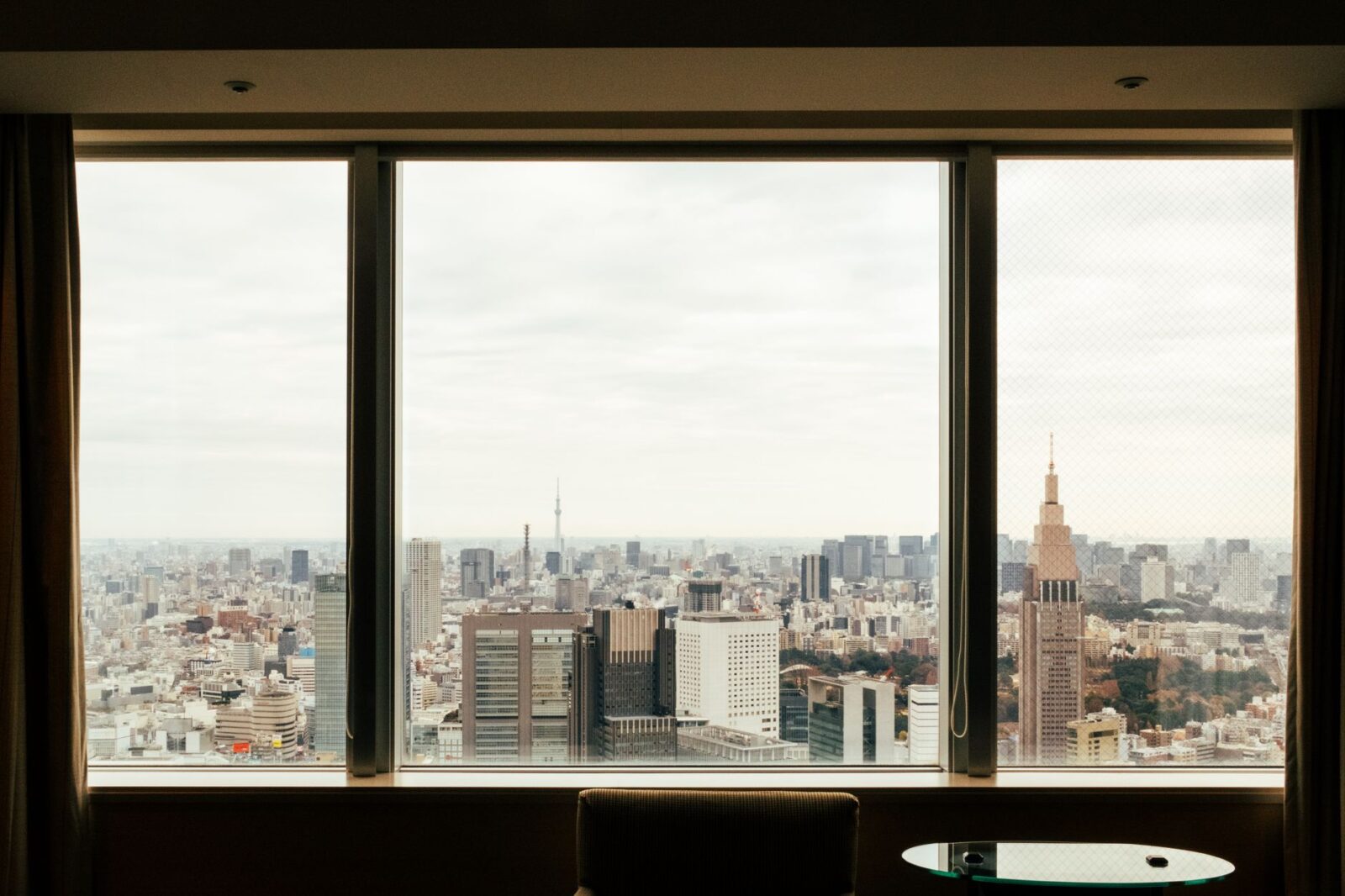
Mumbai ranks among the top cities with the most skyscrapers, with 136 buildings piercing its skyline. This bustling metropolis is a testament to India’s rapid urban growth and economic potential. The city’s skyline is constantly evolving, with new skyscrapers under construction to accommodate its ever-growing population.
For those visiting Mumbai, the skyline offers a unique contrast of colonial architecture and modern skyscrapers. From the iconic Marine Drive to the towering residential complexes, Mumbai is a city that showcases the dynamic nature of urban development in India.
The United States: A Skyscraper Pioneer
The United States may not have the most skyscrapers, but it is where the skyscraper was born. With 899 skyscrapers, the country has a rich history of high-rise architecture, beginning with the completion of the Home Insurance Building in Chicago in 1885.
American cities like Chicago and New York continue to innovate, with new skyscrapers pushing architectural boundaries. For architecture enthusiasts, a trip to the United States offers a chance to explore the roots of skyscraper design and its evolution over the decades.
Dubai: A Skyline Like No Other
Dubai’s skyline is one of the most recognizable in the world, characterized by its futuristic architecture and iconic buildings like the Burj Al Arab and the Burj Khalifa. With 241 skyscrapers, Dubai has transformed from a desert outpost to a global metropolis in just a few decades.
Visitors to Dubai can experience a blend of luxury, innovation, and tradition. The city’s rapid development is a testament to its ambition and vision, offering travelers a unique glimpse into the future of urban living.
Tokyo: A Blend of Tradition and Modernity
Tokyo’s skyline is a fascinating mix of modern skyscrapers and traditional Japanese architecture. With 176 skyscrapers, Tokyo represents Japan’s blend of technological advancement and cultural heritage.
The city’s unique approach to urban development, which respects both the old and the new, makes it a captivating destination for travelers. Exploring Tokyo’s skyscrapers offers insights into how the city harmonizes rapid modernization with its rich history.
Singapore: The Garden City of Skyscrapers
Singapore is known for its stunning skyline, which features 156 skyscrapers amidst lush greenery. This city-state is a model of sustainable urban development, integrating nature with high-rise architecture.
For travelers, Singapore offers a unique experience where urban life and nature coexist harmoniously. The Marina Bay Sands and Gardens by the Bay are prime examples of how skyscrapers can be part of a sustainable future, making Singapore a must-visit for those interested in green architecture.
Practical Takeaways for Travelers
For travelers looking to explore the world’s most impressive skyscrapers, the key is to plan visits that align with your interests, whether that’s history, architecture, or simply stunning views. Consider purchasing tickets in advance for popular observation decks to avoid long waits, and always check the weather for the best visibility.
Whether you’re drawn to the towering heights of Asia, the historical significance of America’s skyscrapers, or the futuristic landscapes of the Middle East, there’s a skyscraper city waiting to capture your imagination.
Frequently Asked Questions
Which country has the most skyscrapers?
China leads with 3,314 skyscrapers, reflecting its rapid urbanization and economic growth.
What is the tallest skyscraper in the world?
The Burj Khalifa in Dubai is the tallest, standing at 828 meters.
How many skyscrapers are there in New York City?
New York City has 302 skyscrapers, known for its iconic skyline.
What is the significance of skyscrapers?
Skyscrapers symbolize economic growth, urban development, and architectural innovation.
Are there sustainable skyscrapers?
Yes, cities like Singapore integrate sustainable practices in skyscraper design, blending nature with urban life.
Stay informed with the latest travel news, visa updates, and destination guides. Follow HimalayanCrest.com for weekly travel intelligence delivered by our editorial team.