

A Journey into Morocco’s Hidden Marvels
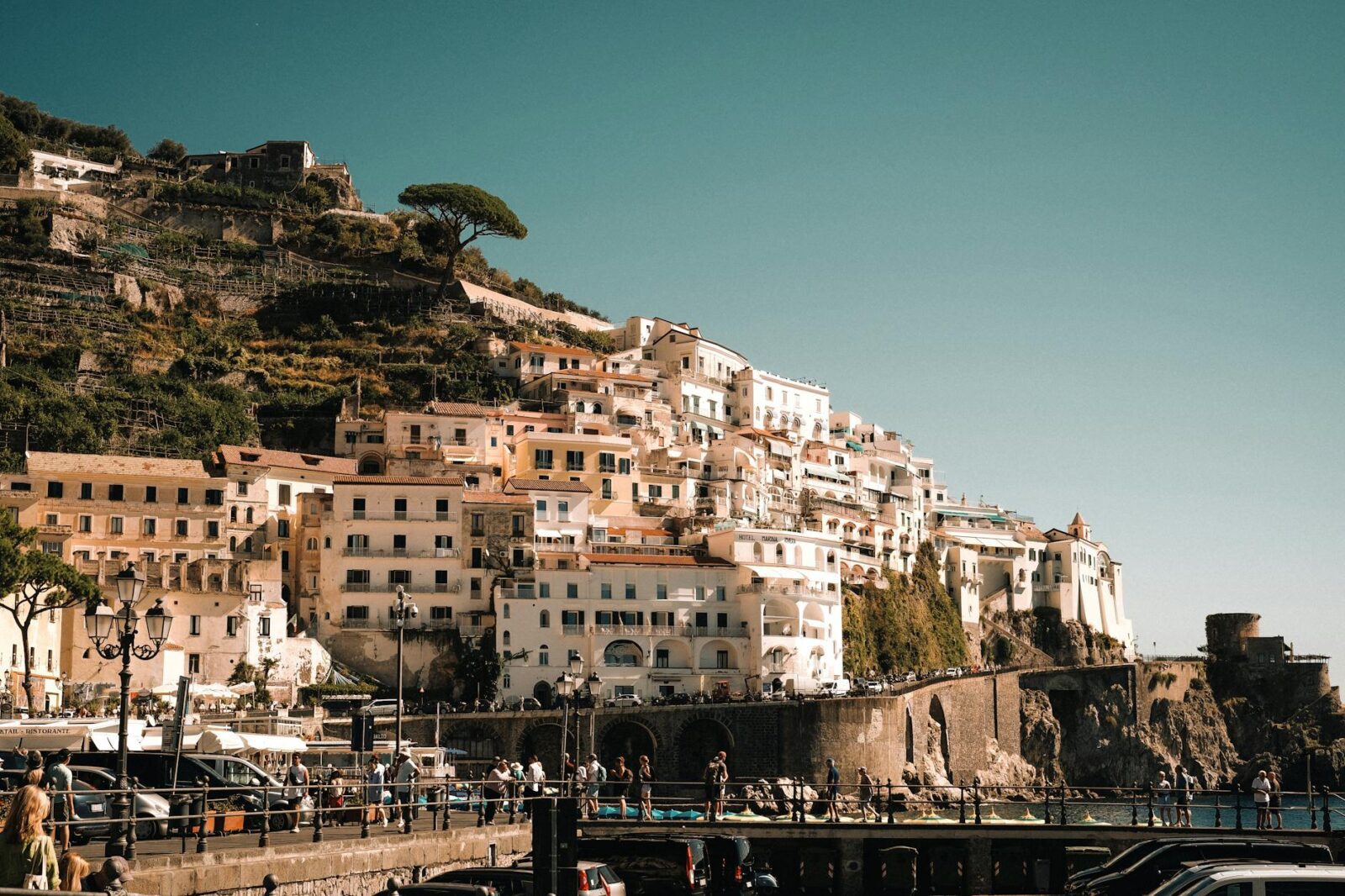
The sun rises over the Rif Mountains, casting a golden glow over the blue-washed streets of Chefchaouen. As the muezzin’s call to prayer echoes through the valleys, the city awakens, revealing its secrets to those willing to venture beyond Marrakech. From the serene beaches of Essaouira to the historic medinas of Fez, Morocco offers a tapestry of experiences that extend far beyond its most famous city.
Why Morocco is Captivating Travelers Now
In recent years, Morocco has emerged as a favorite among travelers seeking authenticity and diversity. The country’s rich history, vibrant culture, and stunning landscapes make it a compelling destination. With new infrastructure developments, including improved roads and expanded airports, exploring Morocco has never been easier. Whether you’re drawn to the Sahara’s vastness or the coastal allure of Essaouira, Morocco promises adventures that cater to every type of traveler.
When to Visit: A Seasonal Guide
Morocco’s climate varies significantly by region, offering unique experiences throughout the year. Spring (March to May) is ideal for exploring cities like Fez and Chefchaouen, with temperatures averaging 20-25°C (68-77°F). Summer (June to August) brings heat to the Sahara but coastal breezes to Essaouira, where temperatures hover around 25°C (77°F). Autumn (September to November) is perfect for trekking in the Atlas Mountains, with comfortable temperatures and fewer crowds. Winter (December to February) invites travelers to enjoy snow-capped peaks and the warmth of the desert sun.
Where to Stay: From Budget to Luxury
Morocco offers a range of accommodations to suit every budget. In Chefchaouen, budget travelers can find charming guesthouses for $30-50 per night. Mid-range options in Fez, such as riads in the medina, range from $80-150. For those seeking luxury, Marrakesh’s opulent hotels and desert camps offer stays starting at $200, complete with spa services and private excursions.
Must-Experience Adventures
Morocco is a land of endless discovery. In Essaouira, kite surfing lessons await adventurous spirits, while the coastal town of Oualidia offers fresh oysters paired with Atlantic views. The Akchour Waterfalls near Chefchaouen provide a refreshing escape, with trails leading to breathtaking vistas. For history enthusiasts, the ancient city of Volubilis offers a glimpse into the Roman Empire’s reach in North Africa.
Culinary Delights: Savoring Morocco
No visit to Morocco is complete without indulging in its culinary offerings. Sample tagine, a slow-cooked stew bursting with flavors of preserved lemon and olives, at a local eatery. In Fez, try b’stilla, a savory pastry filled with pigeon meat and almonds. Street food enthusiasts will relish the aromatic spices of harira, a traditional soup enjoyed during Ramadan. Expect to pay $3-5 for street food and $10-20 for a meal in a sit-down restaurant.
Navigating Morocco: Travel Tips
Traveling in Morocco is a blend of modern convenience and traditional charm. Major cities are connected by a reliable train network, with tickets ranging from $10-30 depending on distance. For more remote destinations, buses and shared taxis are affordable options. Visitors from most countries can obtain a visa on arrival for stays up to 90 days, but it’s advisable to check the latest requirements on official government websites.
Understanding Local Customs
Morocco’s cultural tapestry is rich and diverse, with influences from Berber, Arab, and French traditions. Respecting local customs, such as dressing modestly and greeting with a right-hand handshake, goes a long way. Remember to remove shoes before entering homes and avoid public displays of affection, especially in rural areas. Haggling is expected in markets, so embrace the art of negotiation for a true local experience.
FAQs: Your Morocco Travel Questions Answered
Is Morocco safe for solo travelers?
Morocco is generally safe for solo travelers, but it’s important to stay vigilant, especially in crowded markets and at night. Women traveling alone may face unwanted attention but can mitigate this by dressing modestly and being firm in interactions.
What currency is used in Morocco?
The Moroccan dirham (MAD) is the official currency. As of 2026, 1 USD equals approximately 10 MAD. ATMs are widely available, and credit cards are accepted in most hotels and restaurants.
Can I drink alcohol in Morocco?
Alcohol is available in licensed bars, restaurants, and hotels. However, public consumption is not the norm, and it’s respectful to adhere to local customs by drinking in designated areas.
What language is spoken in Morocco?
Moroccan Arabic (Darija) and Berber are the primary languages. French is widely spoken, especially in business and tourism settings. English is increasingly common in tourist areas.
What should I pack for a trip to Morocco?
Pack lightweight, breathable clothing for daytime and warmer layers for cool evenings, especially in desert areas. Comfortable walking shoes are a must, as is sunscreen and a hat for sun protection.
Conclusion: Share Your Moroccan Adventure
Morocco’s allure lies in its diversity, offering travelers a rich tapestry of experiences beyond the well-trodden paths of Marrakech. Whether you’re drawn to its historical cities, stunning natural landscapes, or vibrant culture, Morocco invites exploration and discovery. Share your stories and experiences with us in the comments below, and let the world know why Morocco should be on every traveler’s bucket list.
Stay informed with the latest travel news, visa updates, and destination guides. Follow HimalayanCrest.com for weekly travel intelligence delivered by our editorial team.