

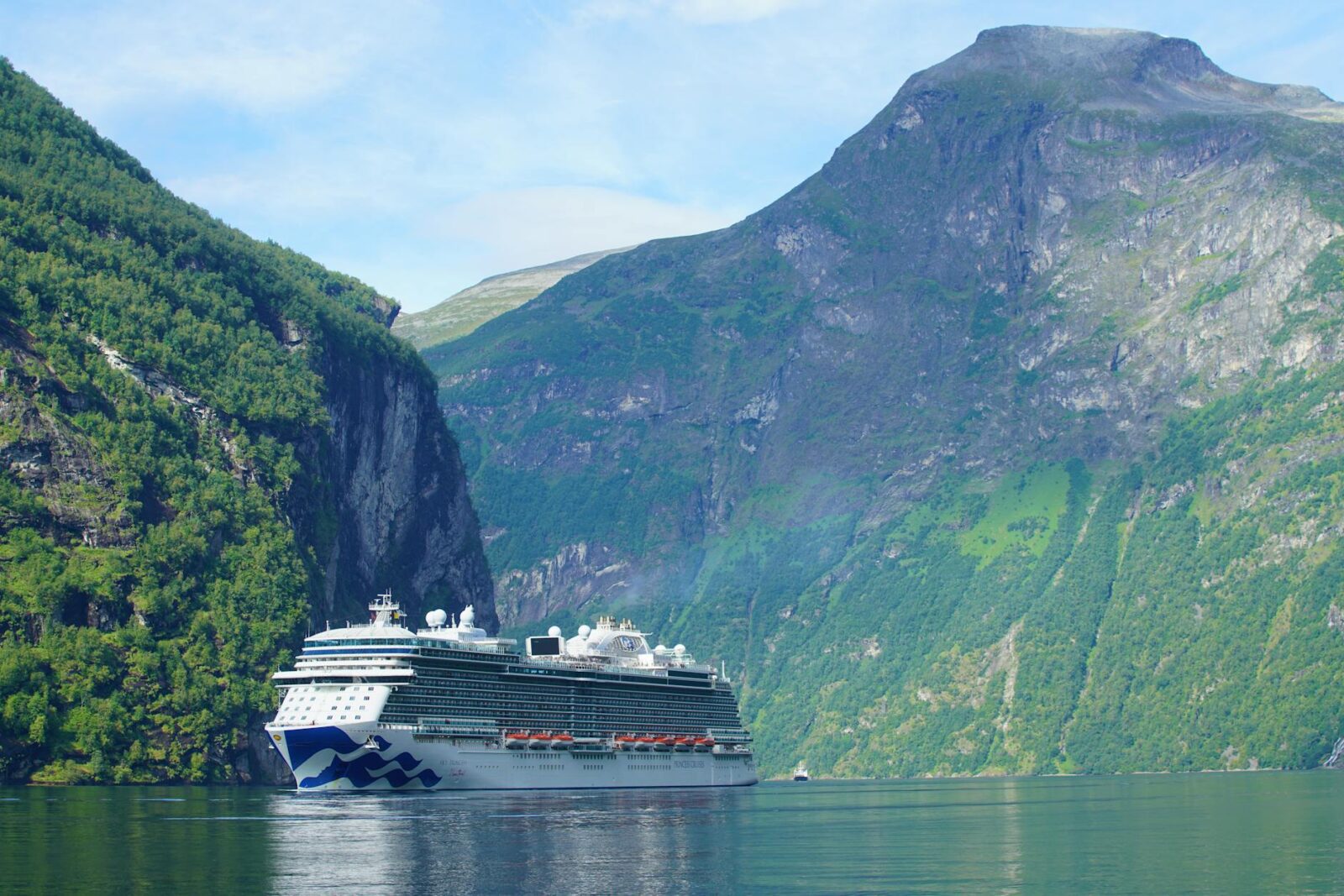
Revolutionizing Ocean Travel: The Biogas Breakthrough
In a groundbreaking stride towards sustainable travel, Havila Voyages has successfully demonstrated that low-emission cruising is not just a distant dream but a current reality. Their recent 12-day journey along Norway’s stunning Bergen-to-Kirkenes coastal route, powered primarily by biogas, slashed emissions by a remarkable 90% compared to traditional marine fuels. This achievement marks a pivotal moment in the cruise industry, which has long been scrutinized for its environmental footprint.
The Journey That Made Waves
Havila Voyages completed this historic voyage in late 2025, showcasing the potential of smaller ships to operate sustainably without compromising on the traveler experience. The use of biogas, a renewable energy source, highlights the company’s commitment to reducing carbon emissions. This voyage is a testament to what the future holds for the maritime industry if more cruise lines adopt similar technologies.
A Glimpse into Global Trends
The cruise industry’s shift towards sustainable practices is part of a larger global movement. With maritime transport contributing significantly to global nitrogen oxides and greenhouse gas emissions, initiatives like Havila’s are crucial. As of 2023, shipping accounted for over 18% of nitrogen oxides and 3% of greenhouse gas emissions worldwide. The pressure on the industry to reform is not just from environmental groups but also from an increasingly eco-conscious public.
Practical Takeaways for Future Travelers
For travelers planning their next cruise, Havila’s achievement signals a new era of eco-friendly options. When selecting a cruise, consider lines that prioritize sustainability. Look for ships that use alternative fuels like biogas or feature advanced battery systems. This shift not only benefits the environment but can also enhance your travel experience by exploring untouched natural beauty with a clearer conscience.
What Lies Ahead for the Cruise Industry?
The success of Havila’s biogas-powered voyage prompts important questions about the future of cruising. While the technology is proven, the infrastructure to support large-scale biogas production remains a challenge. Norway’s biogas production currently cannot meet the demand for widespread adoption across multiple cruise lines. Scaling up production and infrastructure is essential for making low-emission cruising a standard rather than an exception.
Cost Considerations for Eco-Friendly Cruising
As cruise lines transition to sustainable technologies, travelers should anticipate potential cost changes. While biogas and battery systems may initially increase operational costs, they could be offset by savings from reduced fuel consumption. Moreover, eco-conscious travelers might find value in paying a premium for a more sustainable journey, knowing their vacation contributes to environmental preservation.
Addressing Common Questions
How did Havila Voyages achieve a 90% reduction in emissions?
Havila’s use of biogas, a cleaner alternative to conventional marine fuels, coupled with advanced battery systems, enabled this significant reduction. This innovative approach sets a new standard for eco-friendly cruising.
What are the environmental benefits of using biogas?
Biogas is a renewable energy source that significantly reduces carbon emissions. It is produced from organic waste materials, thus offering a sustainable alternative to fossil fuels and helping reduce the overall carbon footprint of maritime travel.
Will other cruise lines adopt similar technologies?
While some cruise lines are exploring sustainable options, widespread adoption depends on the availability of infrastructure and the economic feasibility of scaling biogas production. However, the success of Havila’s voyage is likely to inspire further investment and innovation in this area.
Are there other eco-friendly cruise options available?
Yes, several cruise lines are experimenting with alternative fuels and energy-efficient technologies. Travelers should research and choose companies that are committed to reducing their environmental impact.
How can travelers support sustainable cruising?
Travelers can support sustainable practices by choosing cruises that prioritize eco-friendly technologies, advocating for environmental policies, and educating themselves on the environmental impacts of their travel choices.
Conclusion: A Call to Action for Sustainable Travel
Havila Voyages’ emission-reducing voyage is more than a technological achievement; it’s a call to action for the cruise industry and travelers alike. As we look to the future, the success of this journey encourages us to demand more sustainable travel options and support companies leading the charge. By choosing eco-friendly travel, we not only enjoy the beauty of our world but also contribute to its preservation for future generations. Share your thoughts and experiences with us in the comments below, and let’s continue the conversation on sustainable travel.
Stay informed with the latest travel news, visa updates, and destination guides. Follow HimalayanCrest.com for weekly travel intelligence delivered by our editorial team.