

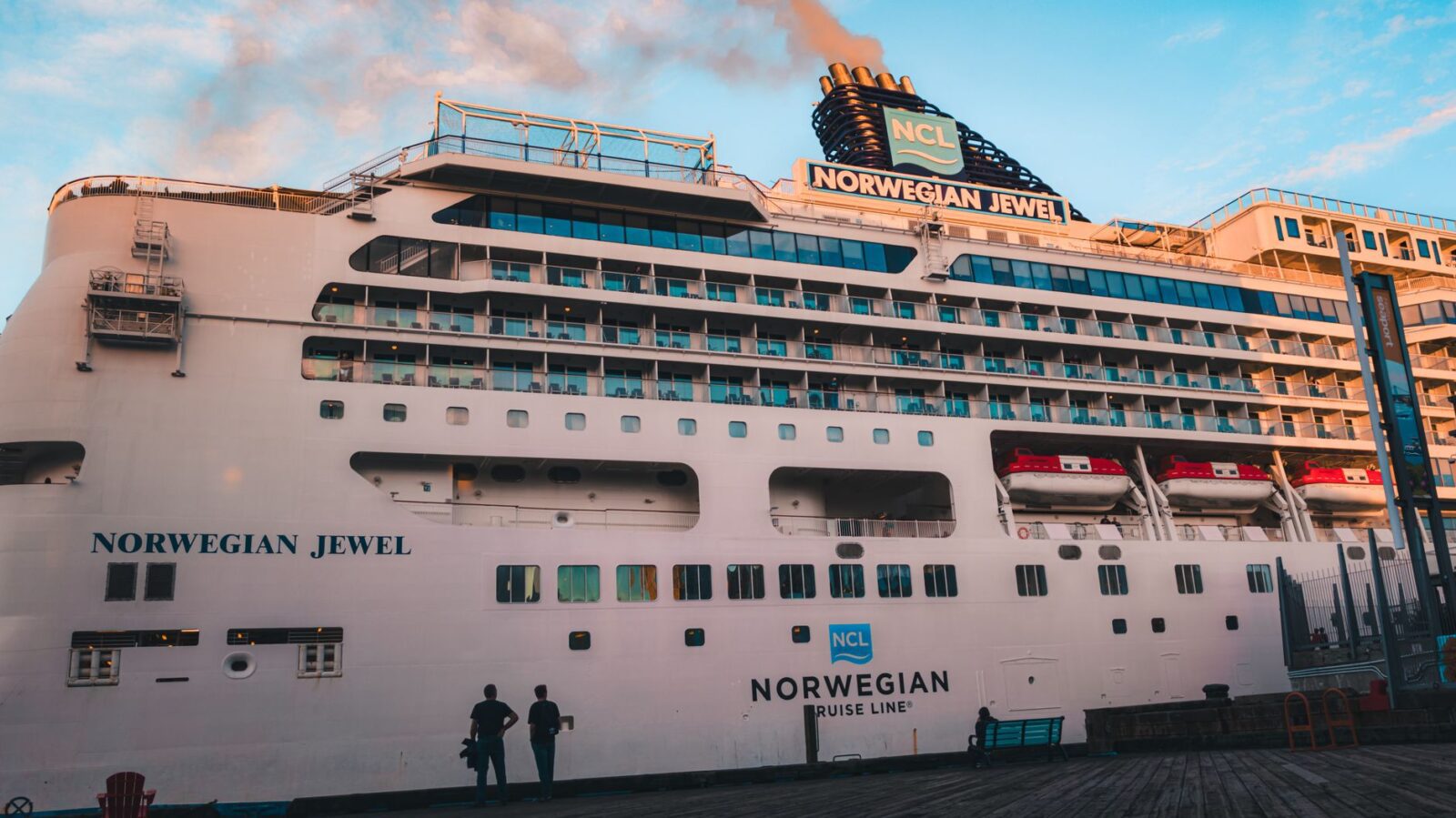
Why Cheap Cruise Deals Are Trending Right Now
Travelers worldwide are seeing a surge in discounted cruise offers as lines fill unsold cabins for the upcoming winter season. Our research shows that many agencies are advertising savings of up to 85 percent off standard fares, a level not seen since the post‑pandemic rebound. This trend is driven by a combination of strong demand for warm‑weather getaways and cruise operators eager to maintain occupancy after a slower spring. For anyone dreaming of a sea‑based vacation without breaking the bank, the current market presents a rare opportunity to lock in luxury at a fraction of the usual cost.
What makes this moment especially timely is the convergence of several limited‑time promotions that expire in the coming weeks. For example, a major U.S.‑based cruise line is offering double loyalty points for bookings made by today’s date, September 21, 2026, while another outlet promises up to $100 in bar tab credit per stateroom if booked before September 30, 2026. These incentives stack on top of already low base fares, meaning savvy travelers can enjoy both immediate savings and future rewards. Understanding how these offers work is the first step to turning a dream cruise into an affordable reality.
Understanding the Market: How Deal Sites Score Savings
Modern cruise aggregators scan tens of thousands of sailings each week, applying algorithms that compare current prices against historical averages to generate a value score. One platform tracks more than 29,000 weekly departures and assigns each a rating from 0 to 100 based on real‑time market data, helping users spot the best bargains instantly. Another service updates its listings daily, highlighting price drops, last‑minute openings, and special categories such as solo traveler or group rates.
These tools do not simply list the lowest price; they evaluate the overall value by factoring in cabin type, itinerary length, and included amenities. For instance, a $50‑per‑night interior cabin on a seven‑night Caribbean cruise may outscore a seemingly cheaper $40‑per‑night offer that omits port taxes or gratuities. By focusing on the total cost per night and the quality of the experience, travelers can avoid hidden fees and choose deals that truly deliver savings.
Our research indicates that the most reliable aggregators also provide transparency about cancellation policies and deposit requirements, which can vary widely between operators. Knowing whether a fare is fully refundable, subject to a penalty, or non‑refundable helps travelers match the deal to their risk tolerance. This level of detail transforms a simple price comparison into a strategic planning tool.
Top Destinations for Budget Cruises in Late 2026
Caribbean itineraries remain the most abundant source of low‑cost sailings, with many lines offering seven‑night loops from Miami, Port Canaveral, and Galveston for under $400 per person in an interior cabin. Popular stops include Nassau, Cozumel, Grand Turk, and St. Thomas, where passengers can enjoy beach days, snorkeling, and cultural tours without needing a separate visa for U.S. citizens. The Bahamas, in particular, frequently appears in $50‑per‑night deals because of its proximity to major Florida ports.
For those seeking cooler climates, Alaska cruises departing from Seattle or Vancouver sometimes appear in discounted bundles during the shoulder season of late September and early October. While base fares are higher than Caribbean options, promotional credits can bring the effective price down to comparable levels. Meanwhile, Mediterranean cruises out of Barcelona or Rome occasionally feature reduced rates for repositioning voyages that cross the Atlantic in spring, offering a transatlantic experience at a fraction of the usual cost.
Travelers from Asia and the Middle East should also watch for departures from Singapore, Dubai, and Shanghai, where lines such as Costa and MSC frequently run promotional sailings to Southeast Asia, the Red Sea, and the Arabian Gulf. These itineraries often include visa‑on‑arrival options for many nationalities, simplifying entry requirements.
Timing Your Booking: When to Find the Lowest Prices
Historical pricing data shows that the deepest discounts tend to appear six to eight weeks before departure, as cruise lines adjust inventory to meet demand forecasts. However, last‑minute deals—those booked within two weeks of sailing—can also drop dramatically, especially for flexible travelers willing to accept whatever cabin remains. Our research indicates that the sweet spot for balancing price and cabin choice is roughly four to five weeks out, when a good selection of rooms is still available at reduced rates.
Promotional calendars play a major role as well. Lines often roll out flash sales in January, after the holiday wave, and again in late August to fill fall sailings. The current double‑points offer, valid only for bookings made by September 21, 2026, exemplifies a time‑sensitive incentive that rewards early action. Similarly, the $100 bar tab credit promotion expires at 11:59 PM EST on September 30, 2026, creating a narrow window for travelers who want onboard spending money.
To maximize savings, travelers should set up price alerts on multiple aggregator sites, monitor social media channels of cruise lines for flash announcements, and consider booking through a travel agent who may have access to unpublished consortium rates. Combining these tactics increases the likelihood of catching a deal before it disappears.
Cabin Choices and Value: Getting the Most Per Night
When evaluating a cheap cruise deal, the cabin category has the biggest impact on the per‑night cost. Interior rooms, which lack windows, typically start at around $50 per night on mainstream lines, while oceanview cabins add roughly $10‑$20 per night. Balcony staterooms, highly prized for private outdoor space, usually begin near $100 per night but can drop to $70‑$80 during strong promotional periods. Suites, meanwhile, remain premium but may include added perks such as priority boarding, complimentary specialty dining, and access to exclusive lounges.
Our research shows that travelers who prioritize value often select an interior or oceanview cabin and allocate the saved money toward onboard experiences like shore excursions, spa treatments, or specialty restaurants. For families, connecting interior cabins can provide separate sleeping areas at a lower total cost than a single suite. Solo travelers should look for designated solo studios, which some lines offer without a single supplement, effectively halving the per‑person price.
It is also worth noting that gratuities, port taxes, and fuel surcharges are frequently excluded from the advertised nightly rate. A deal advertised at $50 per night may actually cost closer to $70‑$80 once these mandatory fees are added. Checking the fine print for a clear breakdown of total cost per person helps avoid surprises at checkout.

Insider Strategies: Loyalty Points, Bar Credits, and Hidden Perks
Loyalty programs can amplify savings far beyond the initial discount. The double‑points promotion mentioned earlier allows members to earn two points per dollar spent instead of the usual one, accelerating the path to free cruises, cabin upgrades, or onboard credit. For example, a traveler who books a $1,500 interior cabin earns 3,000 points under the double‑points offer, enough for a future discount on a comparable sailing.
Bar tab credits, such as the up‑to‑$100 per stateroom offer ending September 30, 2026, function like a prepaid beverage allowance that can be applied to cocktails, wine, beer, or non‑alcoholic drinks at most onboard venues. Because the credit is applied per room, sharing a cabin with a companion effectively doubles the benefit. Savvy travelers often use these credits for specialty coffee mornings, afternoon cocktails by the pool, or a celebratory dinner with wine.
Additional hidden perks include complimentary specialty dining reservations for loyalty members, free internet minutes for top‑tier elites, and reduced or waived deposits for early bookings. Some lines also offer “kids sail free” promotions when two adults pay full fare, which can dramatically lower the family cost per person. Keeping an eye on the fine print of each promotion ensures that these extras are not overlooked.
Practical Planning Checklist: From Visa to Packing
Before confirming any cruise booking, run through this concise checklist to ensure a smooth experience:
- Verify travel documents: A valid passport is required for all international cruises; some destinations may also demand a visa or electronic travel authorization (e.g., ESTA for U.S. ports, Schengen visa for Europe). Check the specific entry requirements for each port of call on your itinerary.
- Confirm total cost: Add port taxes, gratuities, and any mandatory fees to the base fare to calculate the true per‑night price.
- Review cancellation policy: Note whether the fare is refundable, subject to a penalty, or non‑refundable, and consider purchasing travel insurance if flexibility is needed.
- Arrange transportation to the port: Look into parking fees, shuttle services, or public transit options from major cities to embarkation points like Miami, Port Canaveral, or Barcelona.
- Plan onboard budget: Allocate funds for excursions, specialty dining, spa treatments, and souvenirs, remembering that many promotional credits (like bar tabs) can offset some of these costs.
- Pack wisely: Bring lightweight clothing for tropical destinations, layers for cooler climates, formal attire if the line has gala nights, and essentials such as adapters, medications, and reef‑safe sunscreen.
Following this list helps travelers avoid common pitfalls and ensures that the excitement of booking a cheap cruise translates into a hassle‑free vacation.
Alternatives and Comparisons: When a Cruise Isn’t the Best Fit
While cruise deals offer exceptional value, they may not suit every traveler’s preferences. Those who dislike the idea of being on a ship for several days might prefer a land‑based resort stay in destinations like Cancún, Punta Cana, or the Maldives, where all‑inclusive packages often include meals, drinks, and activities at a comparable nightly rate. For travelers seeking deeper cultural immersion, a multi‑city tour of Europe’s capitals by train can provide more flexibility and authentic local experiences than a cruise that only stops at major ports for a few hours.
Adventure seekers might find that a live‑aboard dive boat in the Red Sea or the Galápagos offers specialized access to remote sites that larger cruise ships cannot reach, albeit at a higher price point. Conversely, budget backpackers may opt for hostels and regional flights across Southeast Asia, trading the convenience of a floating hotel for greater freedom to explore off‑the‑beaten‑path locations.
Ultimately, the choice depends on priorities: if the allure of waking up to a new horizon each morning, having meals and entertainment included, and unpacking only once appeals to you, a cruise remains hard to beat. If you value extended stays in a single location, more control over daily schedules, or the ability to venture far inland, alternative vacation styles may deliver better satisfaction.
Frequently Asked Questions About Cheap Cruise Deals
How far in advance should I book to get the best price?
Our research indicates that the optimal window is generally four to six weeks before departure, when lines have released enough inventory to offer discounts but still hold a variety of cabin categories. Last‑minute bookings within two weeks can yield deep discounts, but selection is often limited to whatever remains unsold.
Are the advertised $50‑per‑night deals real, and what do they include?
Yes, multiple aggregators regularly list interior cabins at or near $50 per night on certain sailings, particularly short Caribbean loops from Florida ports. However, the base rate usually excludes port taxes, government fees, and gratuities, which can add $20‑$30 per night. Always review the total cost breakdown before booking.
Can I use loyalty points and promotional credits together?
In most cases, yes. Lines that offer double points or bar tab credits allow these benefits to stack on top of discounted fares. Be sure to enter any promo codes or provide your loyalty number at the time of booking to ensure the points are credited and the applied.
Do I need a visa for the ports visited on a Caribbean cruise?
U.S. citizens typically do not need a visa for visits to the Bahamas, Jamaica, Cozumel, Grand Turk, or St. Thomas, as these destinations allow passport‑only entry for tourism stays under 90 days. Travelers from other countries should verify each port’s requirements; many offer visa‑on‑arrival or electronic travel authorizations for short visits.
What happens if I need to cancel after booking a non‑refundable fare?
Non‑refundable fares usually mean you forfeit the entire payment if you cancel. Some lines offer a future cruise credit (FCC) minus a cancellation fee, but policies vary. Purchasing travel insurance with a “cancel for any reason” clause can mitigate this risk.
Final Thoughts
The current surge in cheap cruise deals presents a timely opportunity to explore the world’s oceans without draining your savings account. By understanding how aggregators score value, timing your purchase to coincide with promotional windows, and leveraging loyalty perks, you can transform a modest budget into a memorable voyage. Whether you’re drawn to the turquoise waters of the Caribbean, the rugged fjords of Alaska, or the historic ports of the Mediterranean, there is a discounted sailing waiting for you. Start setting alerts, double‑check your documents, and get ready to set sail on a vacation that feels both luxurious and remarkably affordable.
Stay informed with the latest travel news, visa updates, and destination guides. Follow HimalayanCrest.com for weekly travel intelligence delivered by our editorial team.