

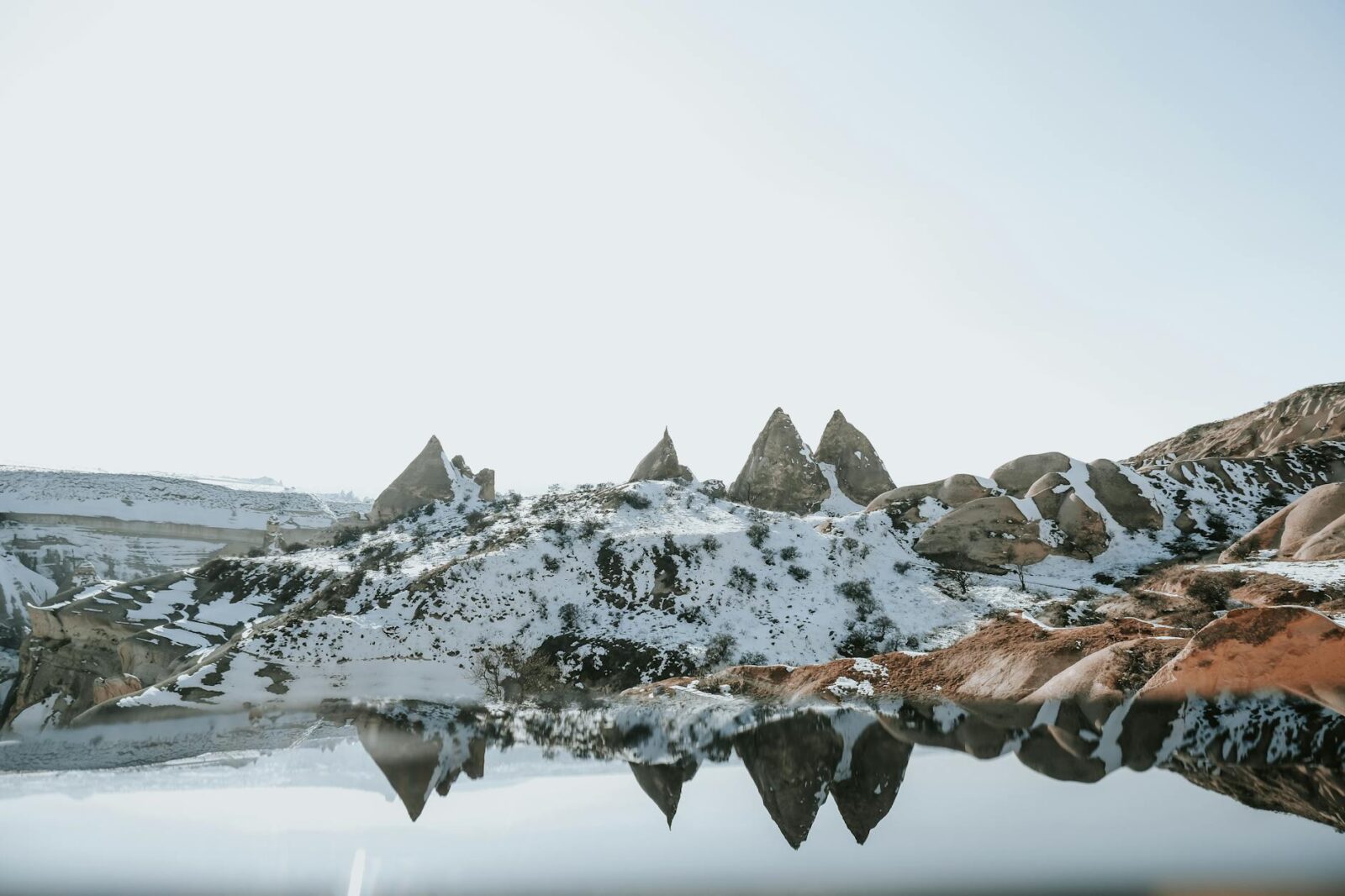
Awakening to the Himalayan Sunrise
As the first light of dawn breaks over the Himalayas, the sound of monastery bells echoes through the valleys, signaling the start of a new day. The air is crisp, with a hint of wood smoke and freshly brewed tea, inviting trekkers to embark on an unforgettable journey. For beginners, the Himalayas offer a range of trekking routes that cater to different fitness levels and interests. Our research shows that seasoned travelers recommend the Annapurna Circuit Trek, Mardi Himal Trek, and Triund Trek as ideal destinations for those new to Himalayan trekking.
These treks offer breathtaking views of the Himalayan landscape, with picturesque villages, lush forests, and majestic mountain peaks. With proper planning and preparation, beginners can safely navigate these routes and experience the beauty of the Himalayas. Travel experts recommend that trekkers research and understand the local culture, customs, and environmental regulations to ensure a sustainable and responsible trekking experience.
Route Overview: Annapurna Circuit Trek
The Annapurna Circuit Trek is a legendary route that takes trekkers through a diverse range of landscapes, from subtropical forests to alpine deserts. The trek has a difficulty level of moderate to challenging, with a duration of 14-21 days, depending on the itinerary. The maximum altitude reached is 5,416 meters (17,770 feet) at the Thorong La pass. To undertake this trek, beginners should have a good level of physical fitness, with experience in hiking and trekking.
The trek begins in the town of Besi Sahar and ends in the village of Jomsom, with a range of accommodation options available, from teahouses to camping. The cost of the trek varies depending on the time of year, with peak season prices ranging from $800 to $1,200 per person, including guide, accommodation, and meals.
Day-by-Day Itinerary: Mardi Himal Trek
The Mardi Himal Trek is a shorter and more accessible route, with a duration of 5-7 days. The trek begins in the town of Pokhara and ends at the Mardi Himal base camp, with a maximum altitude of 4,500 meters (14,764 feet). The trek offers stunning views of the Annapurna range, with picturesque villages and lush forests along the way.
The day-by-day itinerary includes:
- Day 1: Pokhara to Deurali (2,100 meters / 6,890 feet), 4-5 hours
- Day 2: Deurali to Forest Camp (2,600 meters / 8,530 feet), 5-6 hours
- Day 3: Forest Camp to Low Camp (3,100 meters / 10,170 feet), 4-5 hours
- Day 4: Low Camp to High Camp (3,500 meters / 11,480 feet), 4-5 hours
- Day 5: High Camp to Mardi Himal base camp (4,500 meters / 14,764 feet), 5-6 hours
The cost of the trek includes guide, accommodation, and meals, with prices ranging from $400 to $600 per person, depending on the time of year.
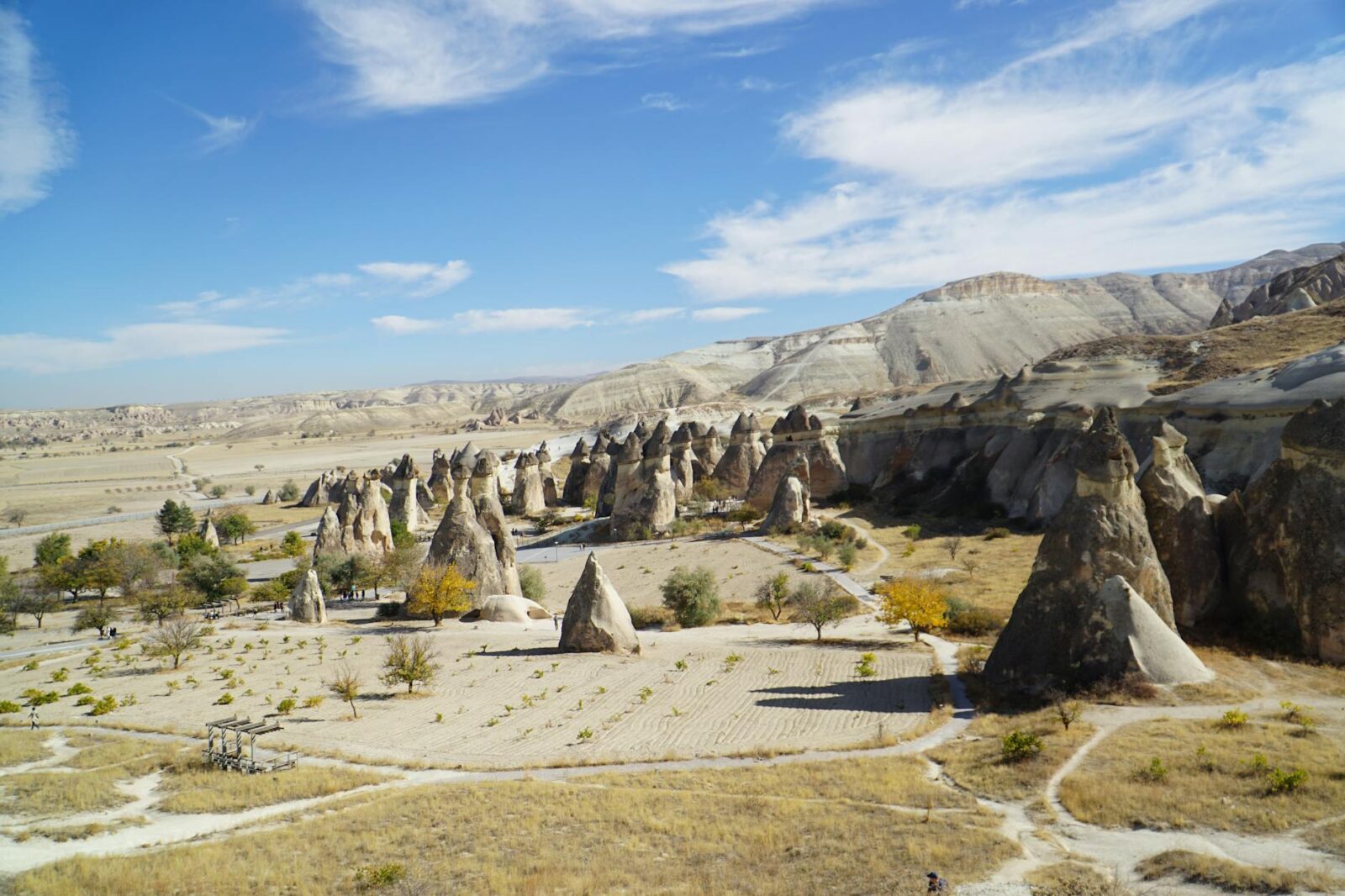
Best Seasons for Trekking
The best seasons for trekking in the Himalayas are spring (March-May) and autumn (September-November). During these seasons, the weather is mild and pleasant, with clear skies and stunning views of the mountains. However, the monsoon season (June-August) can be challenging, with heavy rainfall and landslides, while the winter season (December-February) can be extremely cold, with limited access to some areas.
Travel experts recommend that trekkers consider the pros and cons of each season, including the weather, crowds, and availability of accommodation and guides. For example, the spring season offers beautiful rhododendron blooms, but can be busier than the autumn season, which offers clearer skies and more stable weather.
Permit Requirements and Costs
To trek in the Himalayas, trekkers need to obtain a range of permits, including the TIMS (Trekker’s Information Management System) card, national park fees, and local government taxes. The cost of these permits varies depending on the route and time of year, with prices ranging from $20 to $50 per person.
For example, the Annapurna Circuit Trek requires a TIMS card, which costs $20 per person, as well as a national park fee of $30 per person. The Mardi Himal Trek requires a TIMS card, which costs $20 per person, as well as a local government tax of $10 per person.
Gear List and Preparation
To trek in the Himalayas, trekkers need to be well-prepared, with a range of gear and equipment, including hiking boots, trekking poles, and warm clothing. The gear list should include:
- Hiking boots or sturdy trekking shoes
- Trekking poles
- Warm clothing, including a down jacket and insulated pants
- Waterproof jacket and pants
- First aid kit
- Headlamp and extra batteries
- Water bottle or hydration bladder
- Water purification tablets or filter
Travel experts recommend that trekkers check the weather forecast before embarking on their trek and pack accordingly, with a range of clothing and gear to suit different conditions.
Teahouse Costs and Porter/Guide Hiring Advice
Teahouses are a common form of accommodation in the Himalayas, offering basic rooms and meals. The cost of teahouses varies depending on the location and time of year, with prices ranging from $10 to $30 per night.
Travel experts recommend that trekkers hire a guide or porter to help navigate the route and carry gear. The cost of guides and porters varies depending on the route and time of year, with prices ranging from $20 to $50 per day.
Tipping customs in the Himalayas are generally 10-15% of the total cost, with trekkers expected to tip guides, porters, and teahouse staff for good service.
Altitude Sickness Prevention and Water Purification
Altitude sickness is a common problem in the Himalayas, with trekkers experiencing symptoms such as headaches, nausea, and fatigue. To prevent altitude sickness, trekkers should ascend gradually, with rest days and acclimatization periods built into the itinerary.
Water purification is also essential in the Himalayas, with trekkers needing to treat water before drinking to prevent water-borne illnesses. Travel experts recommend that trekkers use water purification tablets or filters, or boil water before drinking.
Temple Etiquette and Local Customs
The Himalayas are home to a range of temples and monasteries, with trekkers expected to respect local customs and traditions. Travel experts recommend that trekkers dress modestly, remove shoes before entering temples, and avoid taking photos inside sacred areas.
Trekkers should also respect local environmental regulations, with a range of initiatives in place to protect the fragile Himalayan ecosystem. This includes avoiding litter, using biodegradable soap, and respecting wildlife habitats.
Frequently Asked Questions
Here are some frequently asked questions about trekking in the Himalayas:
- Q: What is the best time of year to trek in the Himalayas?
- A: The best seasons for trekking in the Himalayas are spring (March-May) and autumn (September-November).
- Q: Do I need a guide or porter to trek in the Himalayas?
- A: While it is possible to trek independently, hiring a guide or porter can be helpful, especially for beginners.
- Q: What is the cost of trekking in the Himalayas?
- A: The cost of trekking in the Himalayas varies depending on the route, time of year, and services used, with prices ranging from $400 to $1,200 per person.
- Q: What gear do I need to trek in the Himalayas?
- A: Trekkers need a range of gear, including hiking boots, trekking poles, and warm clothing, as well as a first aid kit, headlamp, and water purification tablets or filter.
- Q: How do I prevent altitude sickness?
- A: To prevent altitude sickness, trekkers should ascend gradually, with rest days and acclimatization periods built into the itinerary.
Stay informed with the latest travel news, visa updates, and destination guides. Follow HimalayanCrest.com for weekly travel intelligence delivered by our editorial team.