

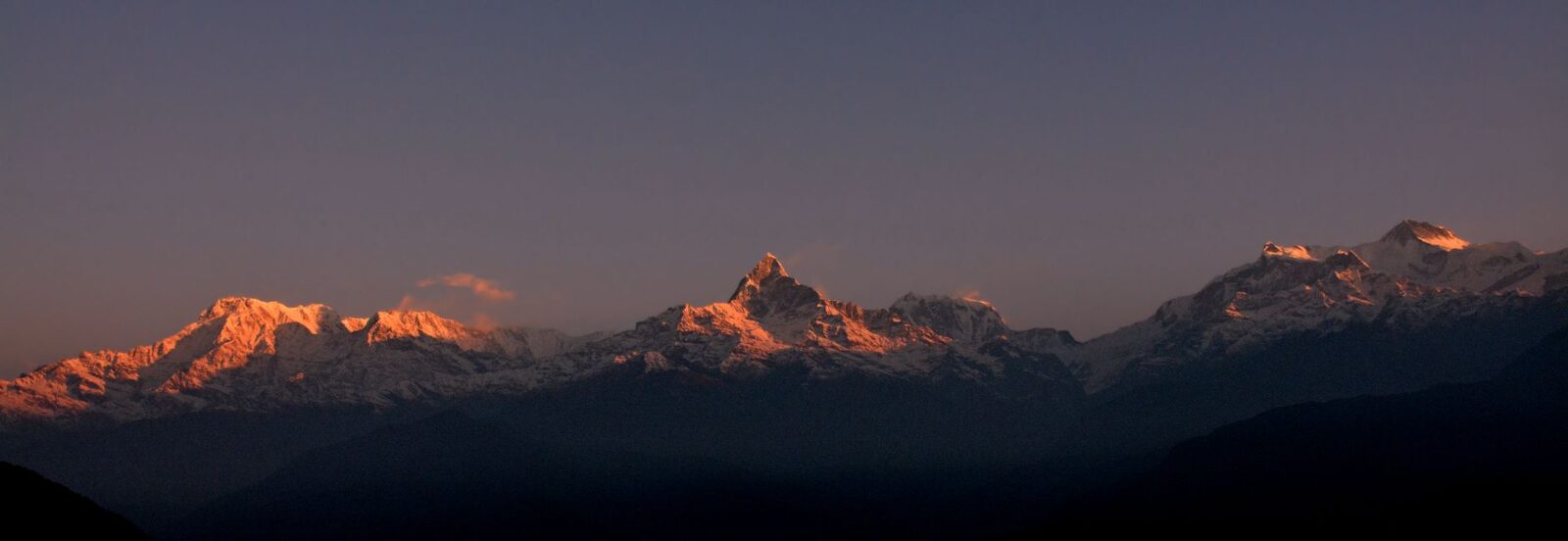
The Mystical Call of Leh Ladakh
Picture this: the rhythmic flutter of prayer flags in the crisp Himalayan breeze, the distant chime of a monastery bell echoing through the valleys, and a vista that stretches to the very edge of the sky. This is Leh Ladakh, where every journey is a transformative pilgrimage through nature’s most dramatic landscapes.
Route Overview: Navigating the Leh Ladakh Odyssey
Embarking on a road trip through Leh Ladakh is not for the faint-hearted. The journey typically spans 12 to 14 days, covering an epic 1,500 kilometers from Delhi via either the Srinagar-Leh Highway or the Manali-Leh Highway. With altitudes reaching up to 18,380 feet at Khardung La, this expedition requires a good level of fitness and a sturdy vehicle. Acclimatization is crucial to manage the thin air and prevent altitude sickness.
Day-by-Day Itinerary: Conquering the High Passes
Day 1-2: Begin in Delhi and head to Manali, covering approximately 550 kilometers over two days. Spend a night in Manali to acclimatize.
Day 3: Drive to Jispa, a journey of 140 kilometers through the lush valleys and rolling hills.
Day 4: Proceed to Sarchu, a 90-kilometer drive that introduces you to the stark beauty of Ladakh’s rugged landscape.
Day 5: Reach Leh, covering 260 kilometers, and spend the day acclimatizing.
Day 6-7: Explore Leh and its surroundings, including the historic Leh Palace and the magnetic hills.
Day 8: Head to Nubra Valley via Khardung La, one of the world’s highest motorable roads.
Day 9: Explore Diskit Monastery and the sand dunes of Hunder.
Day 10: Travel to Pangong Tso, the enchanting lake that changes color with the light.
Day 11: Return to Leh, retracing your steps through the breathtaking landscape.
Day 12-14: Return journey via the Manali-Leh Highway, concluding your epic road trip.
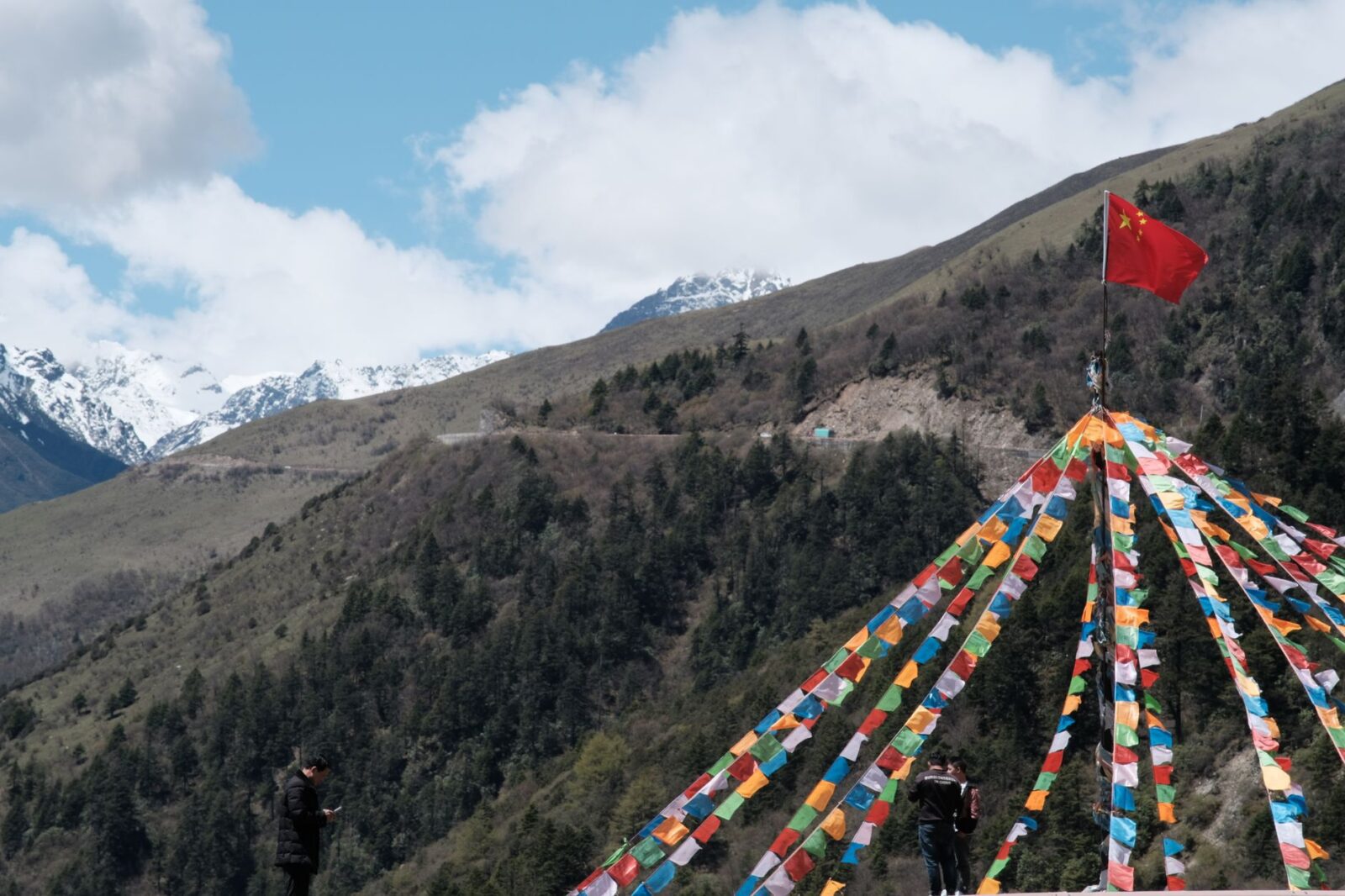
Best Seasons for the Road Trip: Timing Your Adventure
The ideal window for a Leh Ladakh road trip is from June to September, when the roads are clear of snow. The monsoon months bring some rain, but the landscape is lush and vibrant. Winter is not recommended unless you’re prepared for extreme cold and potential road closures due to snow.
Permits and Costs: Navigating Bureaucracy
Travelers require Inner Line Permits to access certain areas like Nubra Valley and Pangong Tso. These can be obtained online or in Leh, costing around $10 USD. Ensure you carry multiple copies of these permits as they need to be presented at various checkpoints.
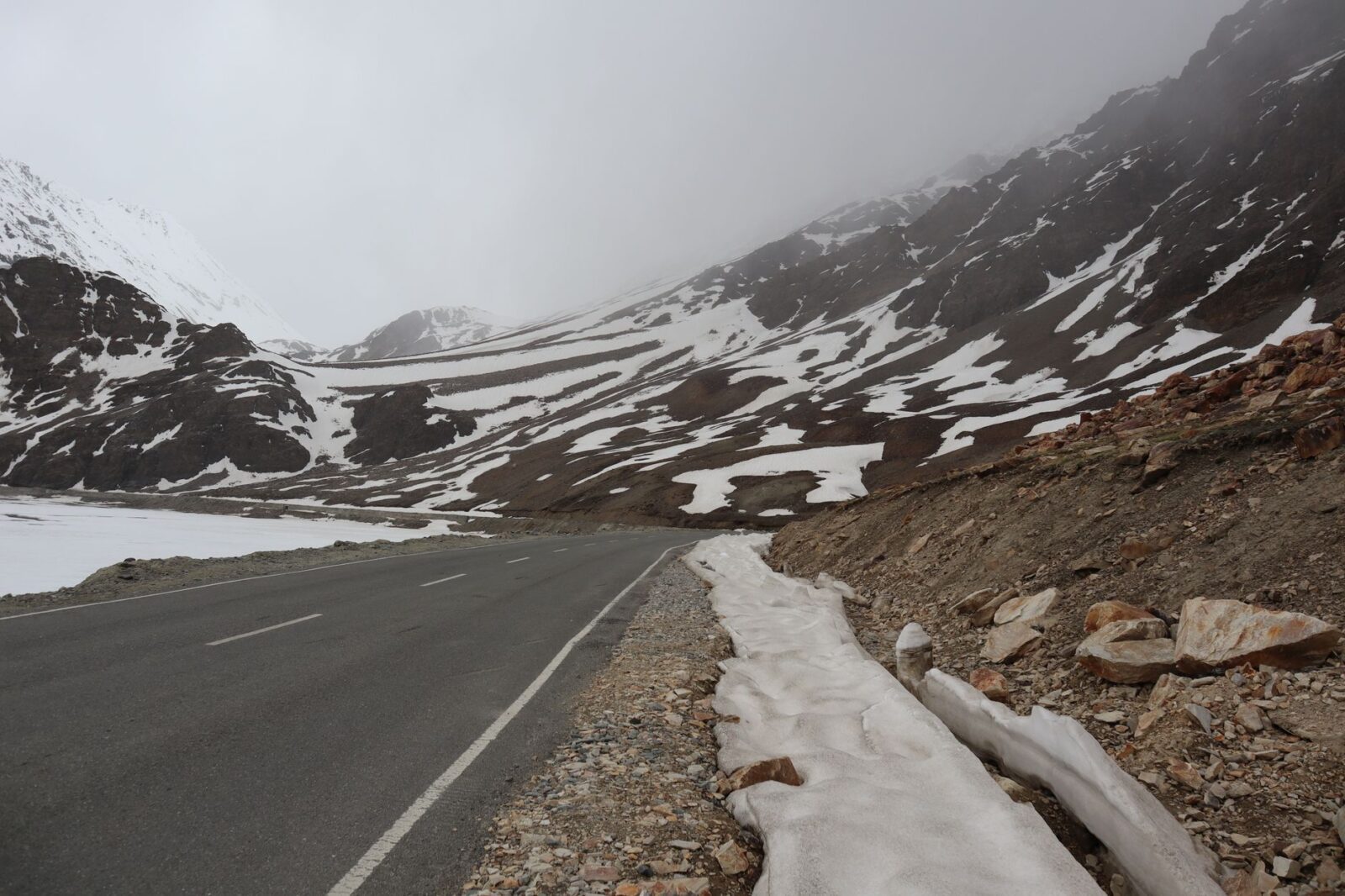
Essential Gear: Packing for the Himalayas
Your gear should include thermal wear, a good quality sleeping bag, a first-aid kit, and high SPF sunscreen. A reliable water purification method, such as a portable filter or purification tablets, is vital given the scarcity of bottled water in remote areas.
Accommodation and Dining: Teahouse Tales
Accommodation in Leh ranges from budget guesthouses to luxurious hotels. Expect to pay between $10 and $100 USD per night. Meals are relatively inexpensive, with local dishes like thukpa and momos costing around $2 to $5 USD.
Health and Safety: Staying Safe at Altitude
Altitude sickness is a genuine concern; symptoms include headache, nausea, and dizziness. Diamox is often recommended for prevention. It’s wise to have travel insurance that covers high-altitude evacuation.
Cultural Etiquette: Respecting Ladakhi Traditions
When visiting monasteries, dress modestly, remove shoes before entering, and avoid pointing your feet towards altars or monks. Engaging with local customs enriches your journey and fosters mutual respect.
FAQs
What is the best time to visit Leh Ladakh?
The best time is between June and September when the roads are accessible and the weather is pleasant.
How do I get Inner Line Permits for Leh Ladakh?
Permits can be obtained online or in Leh at the Deputy Commissioner’s Office.
What is the estimated budget for a Leh Ladakh trip?
Expect to spend between $300 to $800 USD per person for a 12-day trip, depending on your travel style.
Is it safe to travel to Leh Ladakh during monsoon?
While travel is possible, road conditions can be challenging due to landslides. Caution is advised.
What precautions should I take for altitude sickness?
Acclimatize gradually, stay hydrated, and consider medication like Diamox if necessary.
Stay informed with the latest travel news, visa updates, and destination guides. Follow HimalayanCrest.com for weekly travel intelligence delivered by our editorial team.