

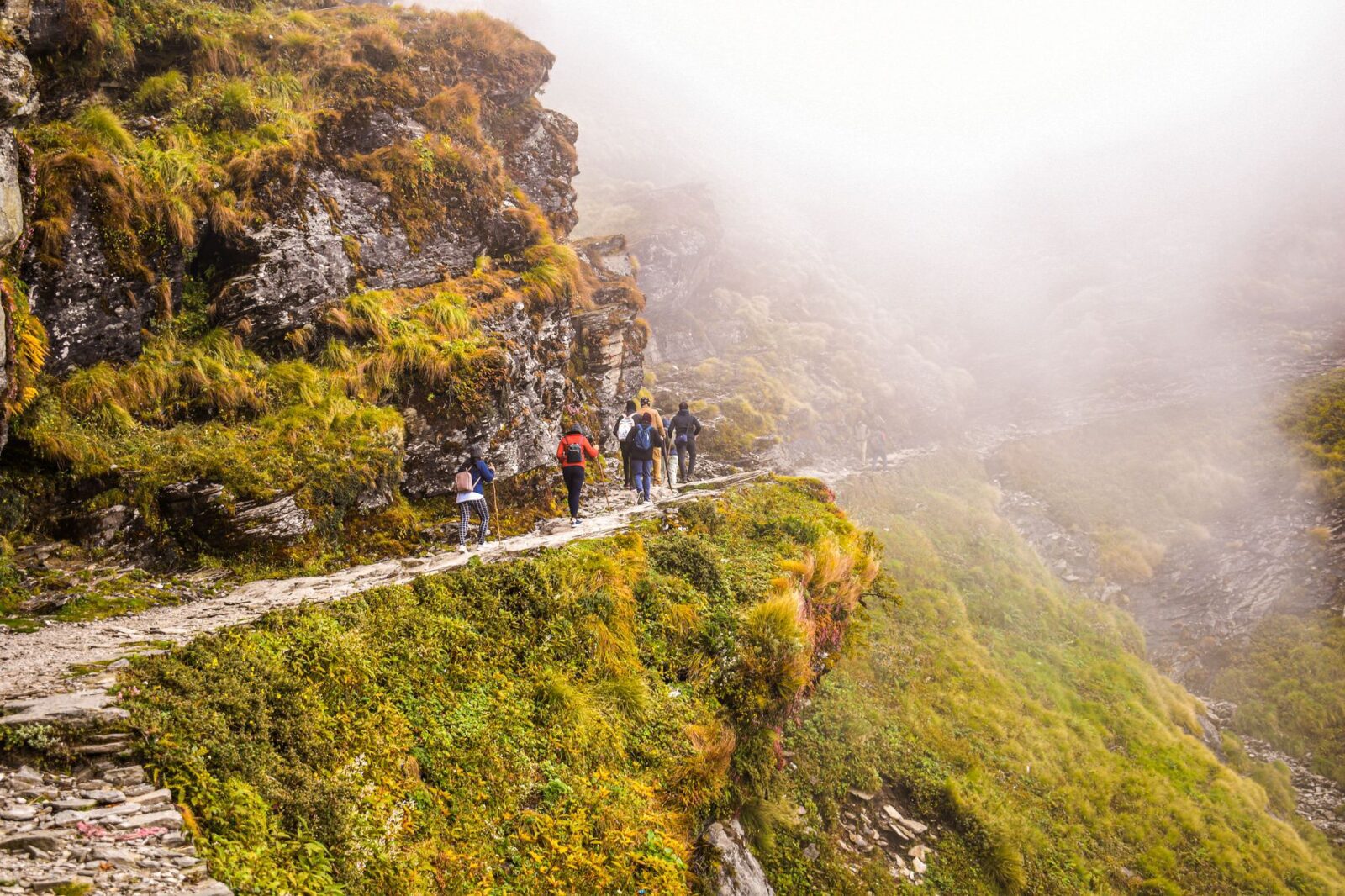
The Allure of the Himalayas
Imagine standing on a trail in the heart of the Himalayas, the crisp mountain air invigorating your senses, and the distant sound of a monastery bell echoing through the valleys. This is the magic that draws trekkers from around the globe to the world’s highest peaks. But for beginners, the Himalayas can seem daunting. Fear not, for the Himalayas offer plenty of beginner-friendly treks that promise both adventure and awe.
Ghorepani Poon Hill Trek: A Beginner’s Dream
One of the most accessible treks in Nepal, the Ghorepani Poon Hill trek is perfect for first-time adventurers. Spanning 4-5 days, this trek reaches a maximum altitude of 10,531 feet (3,210 meters). The trail, known for its moderate difficulty, requires a basic level of fitness but promises stunning panoramic views of the Annapurna and Dhaulagiri ranges.
Itinerary Overview
Day 1: Start from Nayapul, trekking through lush forests to Tikhedhunga (1,577 meters). Day 2: Ascend to Ghorepani (2,874 meters), with a challenging but rewarding climb. Day 3: Early morning hike to Poon Hill for sunrise views, then descend to Tadapani (2,630 meters). Day 4: Trek to Ghandruk, a charming Gurung village, before returning to Nayapul.
When to Trek: Choosing the Right Season
The best time to embark on the Poon Hill trek is during spring (March to May) and autumn (September to November). Spring brings rhododendron blooms, while autumn offers clear skies. Monsoon season (June to August) can make trails slippery, and winter (December to February) may close higher paths due to snow.
Permits and Costs
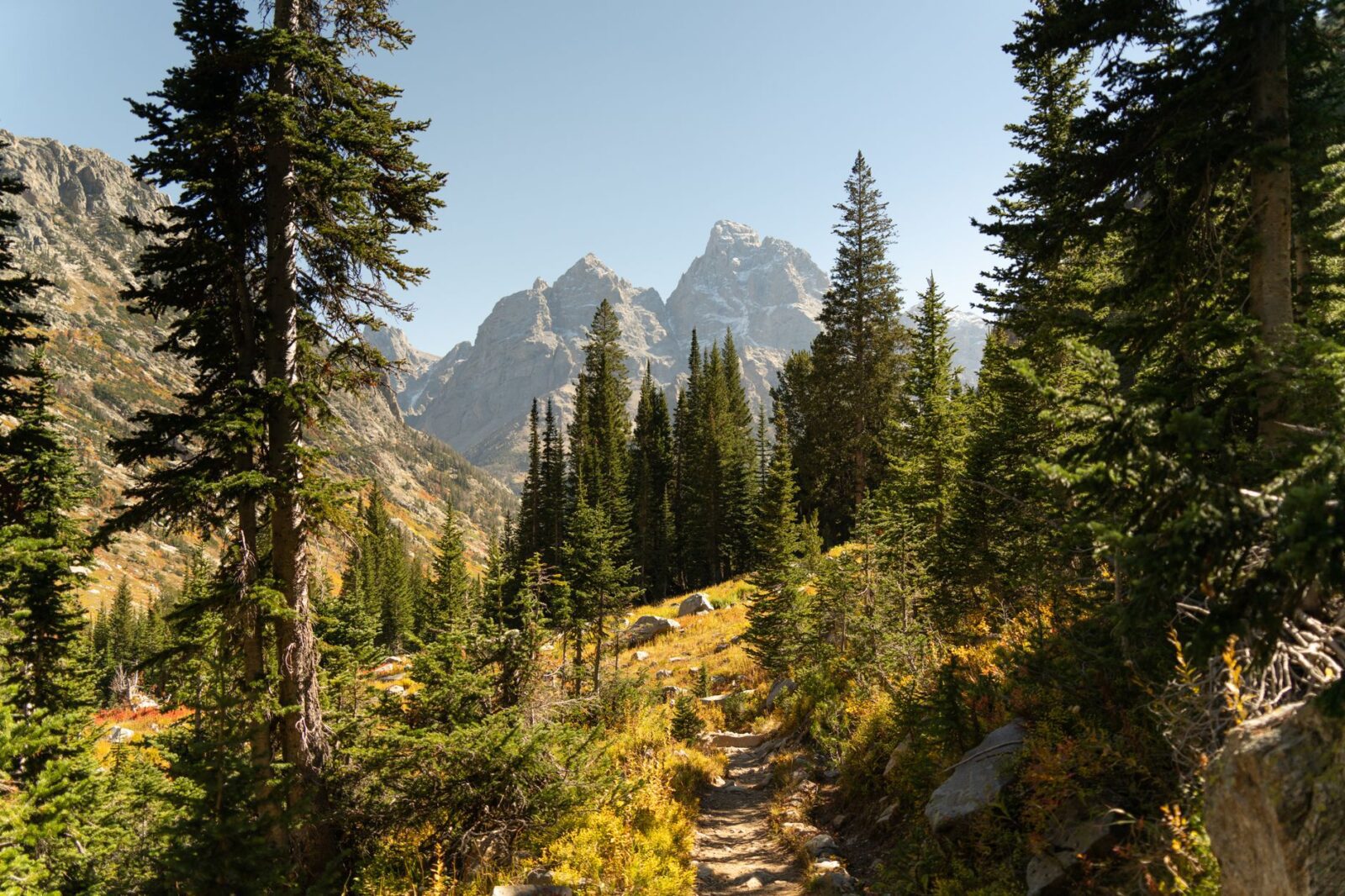
Trekkers need a TIMS card and an Annapurna Conservation Area Permit, costing approximately $30 USD and $20 USD respectively. These permits ensure your safety and contribute to conservation efforts. Be sure to obtain these from authorized offices in Kathmandu or Pokhara before your trek.
Essential Gear for a Safe Trek
Pack wisely with layers of clothing, a sturdy pair of trekking boots, and a reliable backpack. Don’t forget rain gear for unexpected showers, a warm sleeping bag, and a water purification system. Trekking poles are recommended for stability on uneven terrain.
Accommodation and Local Support
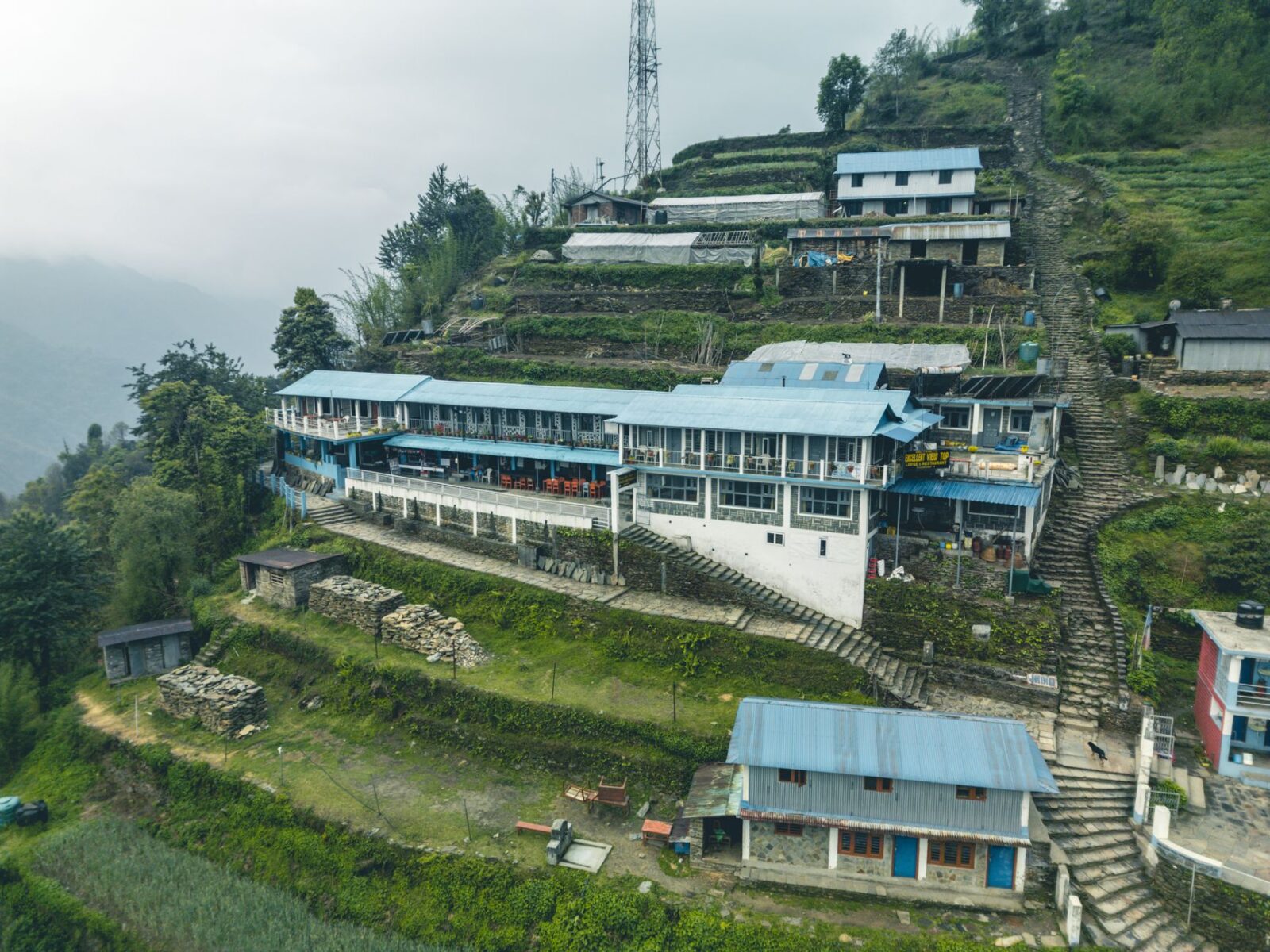
Teahouses along the route offer basic accommodation for around $5-$10 USD per night. Hiring a guide or porter can enhance your experience; guides typically charge $25-$30 USD per day, while porters cost about $15-$20 USD. Tipping is customary, with $3-$5 USD per day being appreciated.
Health and Safety in the Mountains
Altitude sickness is a risk above 8,000 feet. Acclimatize slowly, stay hydrated, and consider carrying medication like Diamox. Always purify water before drinking, and ensure your travel insurance covers high-altitude trekking and emergency evacuation.
Cultural Etiquette and Sustainable Practices
Respect local customs by dressing modestly and asking permission before photographing people, especially in religious sites. Practice Leave No Trace principles: carry out all waste, avoid plastic bottles, and support local businesses to promote sustainable tourism.
FAQs
- What is the best time to trek in Nepal? Spring (March-May) and autumn (September-November) offer the best weather and views.
- Do I need a guide for the Poon Hill trek? While not mandatory, a guide can enhance your experience and ensure safety.
- How do I prevent altitude sickness? Acclimatize slowly, stay hydrated, and consider medication like Diamox.
- What should I pack for the trek? Layers of clothing, trekking boots, rain gear, a sleeping bag, and a water purifier.
- Are there any cultural customs I should be aware of? Dress modestly, ask before taking photos, and respect religious sites.
Embarking on a Himalayan trek as a beginner can be a transformative experience. With the right preparation and respect for local customs, you’ll create memories that last a lifetime. Share your journey and inspire others to explore these majestic mountains.
Stay informed with the latest travel news, visa updates, and destination guides. Follow HimalayanCrest.com for weekly travel intelligence delivered by our editorial team.