

Whispering Pines and Hidden Trails
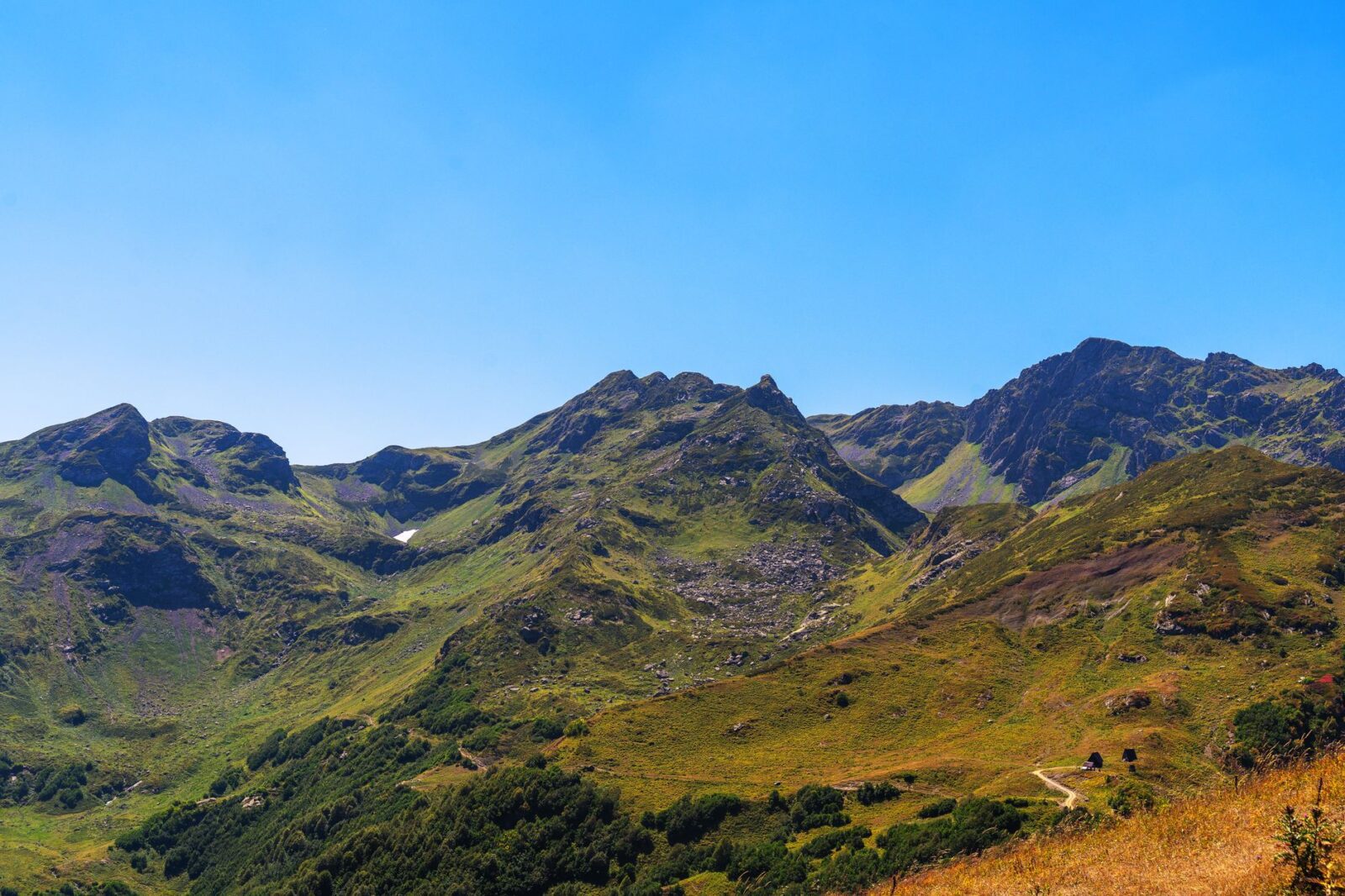
Imagine standing on a secluded mountain path, the crisp air carrying the scent of pine and the distant echo of a monastery bell. These are India’s hidden hill stations, nestled in the folds of the Himalayas and other lesser-known ranges, offering a tranquil escape from the usual tourist hotspots like Shimla and Manali. Here, the trails are quieter, the vistas unspoiled, and the locals greet you with genuine warmth.
Journey to Kanatal: A Tranquil Retreat
Perched at an altitude of 8,500 feet, Kanatal in Uttarakhand is a serene hill station that remains untouched by mass tourism. It offers a perfect blend of natural beauty and adventure. The trails here vary from easy walks to moderately challenging treks that take you through dense forests and offer panoramic views of the snow-capped Himalayas.
Route Overview
The trek around Kanatal is suitable for beginners with a decent level of fitness. It typically spans 3-4 days, covering approximately 30 kilometers. The maximum altitude reached is around 9,000 feet, ensuring breathtaking views without the risk of altitude sickness.
Day-by-Day Itinerary
Day 1: Begin your journey from Kanatal village, trekking through the lush forests of deodar and oak. Cover a distance of 8 km to reach your first camp at Surkanda Devi Temple, known for its spiritual aura and scenic vistas.
Day 2: Descend towards the valley, passing through local villages. This 10 km trek provides insight into the rural lifestyle and traditional architecture.
Day 3: The final stretch of 12 km brings you back to Kanatal, with ample opportunities to capture the majestic views of the Garhwal Himalayas.
When to Visit Kanatal
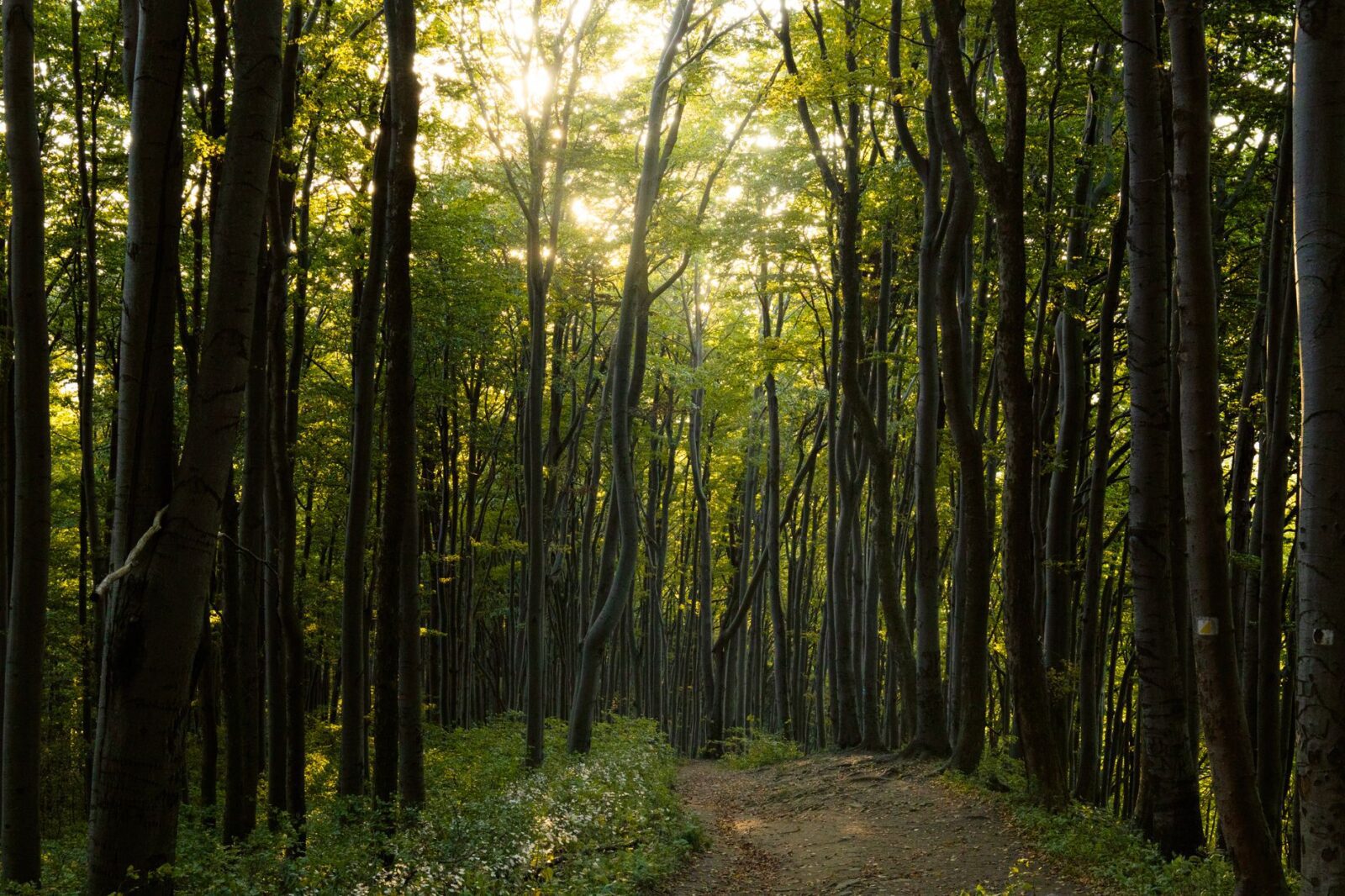
The best time to visit Kanatal is during the summer months of April to June when the weather is pleasant and the skies are clear. However, the winter months from December to February offer a unique charm with snow-covered landscapes, albeit with colder temperatures.
Essential Permits and Costs
While no special permits are required to trek around Kanatal, it’s advisable to carry identification at all times. National park fees in the region are minimal, typically around $5 USD. Always check the latest regulations and advisories from local authorities before your trip.
What to Pack for the Journey
For a trek in Kanatal, pack light but smart. Essentials include a sturdy pair of hiking boots, layered clothing for varying temperatures, a rain jacket, a good quality backpack, and a water purification system. Trekking poles can be beneficial for added stability.
Staying and Dining in Kanatal
Accommodation options in Kanatal range from budget-friendly guesthouses to charming homestays. Expect to pay between $20-$50 USD per night. Local eateries offer delicious Garhwali cuisine, with dishes like aloo ke gutke and gahat ki dal being favorites among travelers.
Health and Safety Tips
Altitude sickness is not a major concern in Kanatal due to its moderate elevation. However, staying hydrated and acclimatizing properly is crucial. It’s recommended to have travel insurance that covers emergency evacuation. Local water sources should be purified before consumption.
Respecting Local Culture and Environment
Visitors are encouraged to respect local customs, especially when visiting temples. Removing shoes before entering sacred sites and dressing modestly is appreciated. Sustainable trekking practices, such as carrying reusable water bottles and avoiding plastic waste, help preserve the pristine environment.
Frequently Asked Questions
Is Kanatal suitable for solo travelers?
Yes, Kanatal is safe for solo travelers. The friendly locals and well-marked trails make it a welcoming destination.
Are there guides available for hire?
Yes, local guides are available and recommended for those unfamiliar with the area. Hiring a guide costs around $25 USD per day.
What is the nearest airport to Kanatal?
The nearest airport is Jolly Grant Airport in Dehradun, approximately 78 kilometers away. Taxis and buses are available for onward travel.
Can I visit Kanatal during the monsoon?
While the monsoon season (July to September) offers lush scenery, heavy rains can lead to slippery trails and landslides, making travel challenging.
What are some local customs I should be aware of?
When interacting with locals, a simple ‘Namaste’ is appreciated. It is also customary to ask for permission before taking photographs of people or places of worship.
Stay informed with the latest travel news, visa updates, and destination guides. Follow HimalayanCrest.com for weekly travel intelligence delivered by our editorial team.