

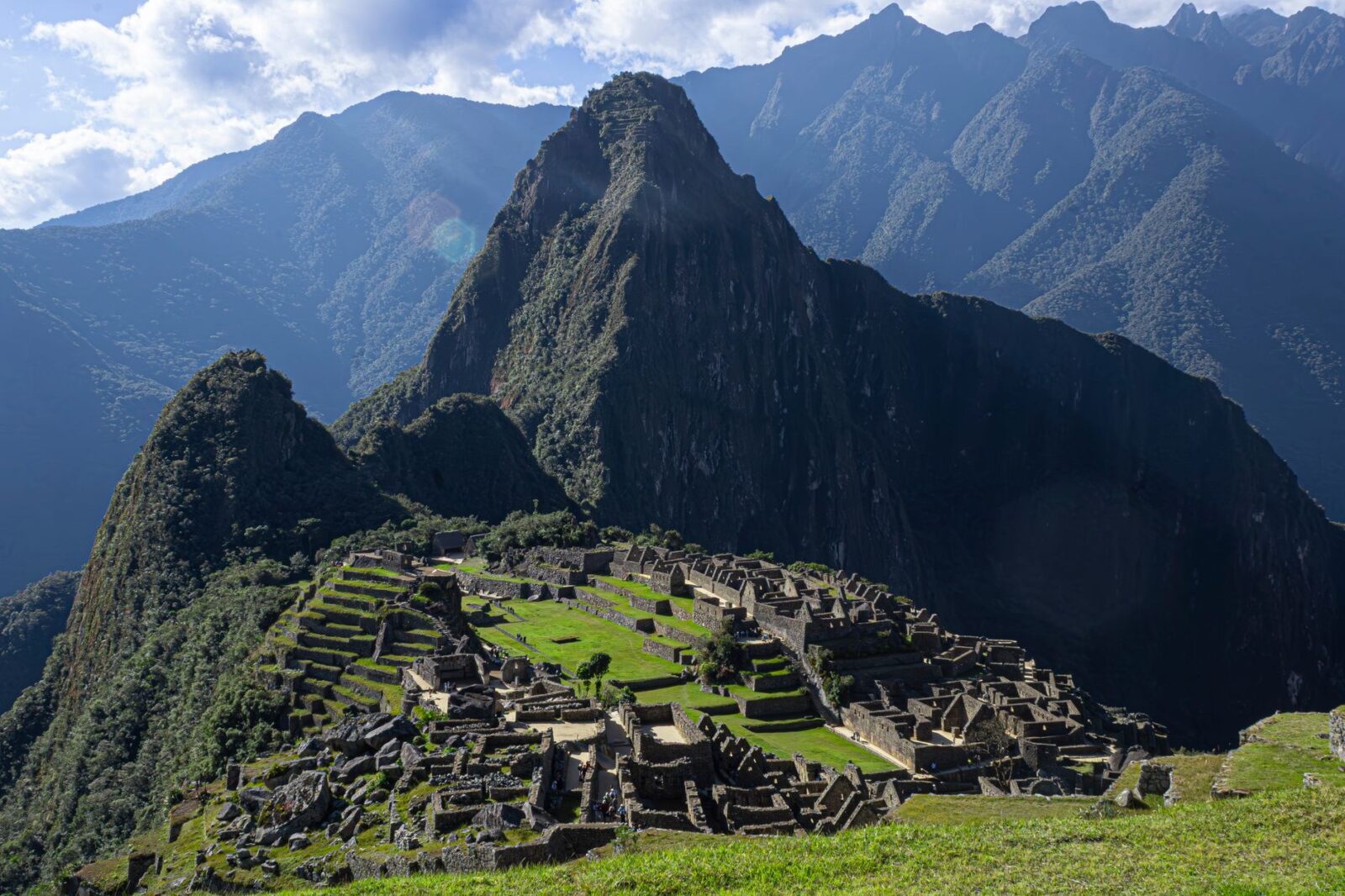
Machu Picchu’s Explosive Rise: 369% Surge in Interest
Recent data shows that searches for a Peruvian vacation have increased by 369 percent over the past twelve months. This jump far outpaces growth for other Peruvian destinations such as Lima, Cusco and Puerto Maldonado. The spike reflects a renewed global fascination with the Inca citadel perched high in the Andes.
Travel analysts note that the surge began in mid‑2025 and accelerated through early 2026, coinciding with improved air connections and renewed marketing campaigns highlighting the site’s cultural significance. The trend is evident across multiple search engines and travel booking platforms.
Peruvian vacation interest up 369% year‑over‑year
The numbers come from a compilation of query volumes reported by Travel And Tour World and corroborated by regional tourism boards. They indicate that Machu Picchu is now the primary driver of Peru‑related travel inquiries.
What the Numbers Mean: Comparing Peruvian Attractions
While Machu Picchu’s queries rose sharply, interest in Lima’s historic centre grew by about 45 percent, and Cusco’s urban attractions saw a modest 30 percent increase. Puerto Maldonado, gateway to the Amazon, experienced a relatively flat trend with only a 12 percent rise.
These figures suggest that travelers are prioritising the iconic mountaintop ruins over urban exploration or jungle excursions. The disparity is especially notable given that Cusco serves as the usual gateway to Machu Picchu, yet its own appeal is not expanding at the same rate.
Regional officials attribute the difference to the unique allure of the Inca architecture, the sense of mystery surrounding the site, and the bucket‑list status it holds for many international visitors.
Source Markets Shift: Chile, United States, Spain Lead
The surge in interest is being powered by travelers from Chile, the United States and Spain. Chilean arrivals to Peru have risen by roughly 50 percent in the last year, driven by proximity and targeted promotional fares.
U.S. travelers show the strongest absolute growth, with a 62 percent increase in booked tours to Machu Picchu compared to the previous twelve months. Spanish visitors have also increased their bookings by 48 percent, reflecting renewed interest in South American heritage sites after travel restrictions eased.
Other notable source markets include Germany, Brazil and Argentina, each contributing double‑digit growth percentages. The diversification of origins is reducing reliance on any single region and broadening the economic base for Peruvian tourism.
Why Travelers Are Choosing the Inca Citadel Over Cities
Several factors explain the preference for Machu Picchu. First, the site offers a tangible connection to an ancient civilization that few other attractions can match. Second, the trek to the citadel—whether via the classic Inca Trail or alternative routes—provides a physical challenge that appeals to adventure‑seekers.
Third, social media amplification has played a role; striking images of the sunrise over the ruins generate high engagement, prompting others to add the experience to their own travel lists. Finally, improved infrastructure, such as the refurbished train service from Ollantaytambo and better signage within the archaeological park, has made the visit more accessible and comfortable.
Travel experts note that the combination of cultural prestige, physical activity and visual appeal creates a powerful motivator that outweighs the urban amenities offered by Lima or the biodiversity highlights of Puerto Maldonado.
Practical Tips for Visiting Machu Picchu in 2026
Planning ahead is essential because daily visitor caps remain in place to protect the site. The Peruvian Ministry of Culture allows a maximum of 2,500 entries per day, split between morning and afternoon shifts.
Travelers should secure tickets at least three months in advance through the official website or authorised agents. It is advisable to select a date that aligns with the dry season, which runs from May to September, to minimise the risk of trail closures due to rain.
Acclimatisation to altitude is critical. Most visitors spend at least two nights in Cusco (elevation 3,400 metres) before attempting the ascent to Machu Picchu (2,430 metres). Hydration, light meals and avoiding alcohol during the first 24 hours help reduce altitude‑related symptoms.
- Book train tickets early; the Vistadome and Expedition services sell out quickly.
- Pack layered clothing; temperatures can shift from warm sunshine to freezing winds within hours.
- Consider hiring a licensed guide; their insights enrich the experience and are required for certain trails.
- Respect the site’s rules: stay on marked paths, do not touch the stonework, and carry out all trash.
The tourist police, known locally as the Policía de Turismo, patrol the archaeological zone and nearby towns. They provide assistance, monitor safety and can help with lost items or minor emergencies.
Cost Implications and Budget Adjustments
The growing demand has led to a gradual increase in prices for key services. The average cost of a round‑trip train ticket from Cusco to Aguas Calientes now stands at approximately $120 USD, up from $95 USD two years ago.
Entrance fees to Machu Picchu have also risen; the standard adult ticket is $70 USD, while the combined ticket that includes Huayna Picchu or Machu Picchu Mountain is $110 USD. These fees are set by the government and are subject to annual review.
Accommodation in Aguas Calientes ranges from budget hostels at $25 USD per night to mid‑range hotels at $80 USD per night. Luxury options exceed $150 USD per night, particularly during peak months.
Travelers should budget an additional $30–$50 USD per day for meals, local transport and guide fees. A realistic total for a four‑day Machu Picchu focused trip, including flights from Lima, is now around $900–$1,200 USD per person.
To manage costs, consider traveling in the shoulder months of April or October, when prices are slightly lower and crowds are thinner. Booking flights and train tickets as a package can also yield savings of up to 15 percent.
What Experts Predict for the Next Year
Industry forecasters expect the upward trend in Machu Picchu interest to continue, though at a more moderate pace. Projected growth for the next twelve months is in the range of 20–30 percent, driven by sustained marketing and the release of new trekking routes that spread visitor impact.
Potential challenges include environmental strain on the Inca Trail and pressure on local water supplies. Authorities are considering a dynamic pricing model that would raise fees during peak periods to fund conservation efforts.
On the positive side, investments in alternative access routes, such as the refurbished railway from Ollantaytambo and improved bus connections from Cusco, are likely to enhance capacity without compromising the site’s integrity.
Travelers who plan early, respect local guidelines and remain flexible with dates will find the best value and experience. The consensus among experts is that Machu Picchu will remain Peru’s premier attraction for the foreseeable future, shaping the country’s tourism strategy and influencing regional development.
FAQ: Your Machu Picchu Questions Answered
How far in advance should I book my Machu Picchu tickets?
It is recommended to reserve your entrance ticket at least three months ahead of your intended visit date. During the high season (May to September) tickets can sell out four to six months in advance, especially for the popular sunrise shift.
What is the best time of year to visit Machu Picchu to avoid rain?
The dry season extends from May through September, offering the lowest probability of rainfall on the trails and clearest views of the ruins. April and October are also good alternatives with fewer crowds and still favorable weather.
Do I need a guide to enter Machu Picchu?
A guide is not mandatory for the general circuit, but hiring a licensed guide greatly enhances the experience with historical context and is required for certain alternative routes such as the Huayna Picchu ascent.
How can I reduce the risk of altitude sickness?
Spend at least two nights acclimatizing in Cusco or the Sacred Valley before ascending to Machu Picchu. Stay hydrated, avoid alcohol and heavy meals during the first 24 hours, and consider medication such as acetazolamide after consulting a healthcare professional.
Are there any recent changes to visitor limits or fees?
As of July 2026, the daily visitor cap remains at 2,500 people, split between two shifts. Entrance fees were adjusted in January 2026, raising the standard adult ticket to $70 USD and the combined ticket with mountain access to $110 USD.
Stay informed with the latest travel news, visa updates, and destination guides. Follow HimalayanCrest.com for weekly travel intelligence delivered by our editorial team.