


Why Chevron Is Making Headlines Again in Mid‑2026
In early August 2026, Chevron Corporation announced its most profitable quarter in six years, sending shockwaves through global energy markets and sparking a fresh wave of political debate in the United States. The company’s adjusted earnings per share jumped to $6.06, while total revenues topped $70 billion for the second quarter, figures that far exceeded analyst expectations. At the same time, U.S. President Donald Trump publicly criticized the nation’s largest oil firms, linking their soaring profits to the pain consumers feel at the pump. This confluence of record‑setting financial results and high‑profile criticism has made Chevron a trending topic across news feeds, social media, and investor forums.
For travelers, the story matters because Chevron’s operations touch many destinations where energy infrastructure shapes local economies, from the Gulf Coast refineries to overseas production sites. Understanding the company’s current trajectory can help visitors anticipate fluctuations in fuel prices, gauge the stability of regional job markets, and even plan trips to corporate campuses or energy‑focused museums. Moreover, the debate over corporate taxation and environmental policy often influences travel‑related costs such as airline surcharges and airport fees. In short, Chevron’s moment in the spotlight offers a lens through which to view broader trends affecting both wallets and itineraries.
The Company Behind the Headlines: A Quick Overview
Chevron Corporation is an American multinational energy company headquartered in San Ramon, California, a suburb nestled in the San Francisco Bay Area’s East Bay region. Founded in 1879 as part of the Standard Oil trust, the firm today explores for, produces, transports, and refines crude oil and natural gas across more than 30 countries. Its downstream operations include a network of refineries that produce gasoline, diesel, jet fuel, and petrochemicals, while its upstream segment extracts hydrocarbons from deep‑water fields, shale formations, and traditional onshore reservoirs.
As of August 2026, Chevron employs roughly 45,000 people worldwide and maintains a market capitalization that fluctuates around $280 billion, making it one of the largest publicly traded energy firms on the New York Stock Exchange under the ticker CVX. The company’s board has consistently upheld a shareholder‑return policy that combines quarterly dividends with an aggressive share‑buyback program, currently targeting $10 billion to $20 billion annually. This financial discipline has helped Chevron weather volatile oil prices while continuing to invest in lower‑carbon technologies such as carbon capture, hydrogen, and renewable diesel.
For visitors to the Bay Area, the Chevron headquarters campus in San Ramon offers a modern architectural complex that is occasionally open for pre‑arranged tours focused on sustainability initiatives and community outreach programs. The site also hosts a small visitor center that showcases the company’s historical timeline, from its early days in the California oil boom to its present‑day global footprint.
Record‑Breaking Q2 2026 Earnings: Numbers That Shocked the Market
Chevron’s second‑quarter 2026 results, released on July 30, 2026, revealed adjusted earnings per share of $6.06, a surge from $4.12 in the same period a year earlier. Total revenues and other income reached $70.06 billion, up from $58.3 billion in Q2 2025, driven largely by a dramatic rebound in refining margins. The company’s refining profit climbed to $4.9 billion, compared with just $737 million in the prior year, reflecting higher crack spreads and increased utilization rates at its Gulf Coast and Midcontinent plants.
Upstream production also contributed strongly, with net oil‑equivalent output averaging 3.1 million barrels per day, bolstered by new volumes from the Permian Basin, the deep‑water Gulf of Mexico, and offshore assets in Australia and Angola. Chevron’s liquefied natural gas (LNG) segment benefited from renewed demand in Asia, particularly from Japan and South Korea, where long‑term supply contracts fetched premium prices. These factors combined to push operating cash flow to approximately $22 billion for the quarter, giving the company ample liquidity to fund its share‑buyback program and invest in future projects.
Analysts at major brokerage houses responded swiftly, raising price targets on CVX stock by an average of 12 percent and citing the company’s ability to capitalize on both tight global supplies and disciplined cost management. The earnings beat not only reinforced confidence in Chevron’s near‑term profitability but also highlighted the stark contrast between upstream resilience and downstream volatility that has characterized the oil industry over the past two years.
How Geopolitics and Policy Are Shaping Chevron’s Future
The timing of Chevron’s profit surge coincided with a sharp rise in U.S. retail gasoline prices, which climbed to an average of $4.85 per gallon nationwide in early August 2026, according to the Energy Information Administration. President Trump seized on this disparity, accusing Chevron and its peers of “price gouging” and calling for a windfall‑profit tax on major oil companies. While no federal legislation had been enacted by early August, several members of Congress introduced bills proposing a temporary surcharge on excess refining margins, a move that could affect Chevron’s future earnings if passed.
Internationally, Chevron continues to navigate a complex web of sanctions, trade agreements, and environmental regulations. In Europe, the firm’s participation in North Sea projects remains subject to the EU’s evolving carbon‑border adjustment mechanism, which could impose additional costs on imported hydrocarbons. In the Asia‑Pacific region, Chevron’s LNG exports to China and India are influenced by bilateral energy dialogues that often link pricing commitments to climate‑cooperation pledges. Meanwhile, the company’s investments in renewable diesel and hydrogen hubs in California and Texas are partly motivated by state‑level incentives aimed at lowering transportation emissions.
For travelers, these policy shifts can translate into tangible changes on the ground. Higher carbon taxes may lead to increased airline fuel surcharges, while incentives for alternative fuels could expand the availability of greener rental‑car options at major airports. Keeping an eye on legislative developments in Washington, D.C., and state capitals such as Sacramento and Austin helps visitors anticipate how energy‑policy debates might affect travel budgets and sustainability initiatives in the destinations they plan to visit.
What This Means for Consumers at the Pump
Although Chevron’s refining profits surged, the company emphasizes that its wholesale gasoline prices are dictated by global commodity markets rather than internal margins alone. Nevertheless, the widening gap between upstream earnings and downstream consumer costs has fueled public debate about price transparency. In mid‑2026, the average price for regular gasoline in Los Angeles stood at $5.10 per gallon, while the Gulf Coast average hovered around $4.55, reflecting regional differences in supply logistics and state taxes.
Consumers seeking to mitigate fuel expenses can adopt several practical strategies. First, using fuel‑price‑tracking apps such as GasBuddy or Waze allows drivers to locate the lowest‑priced stations along their routes, often saving 5‑10 per gallon. Second, timing refueling during off‑peak hours—typically early morning or late evening—can yield modest discounts at stations that adjust prices based on demand cycles. Third, enrolling in loyalty programs offered by major chains, including Chevron’s own Techron Advantage card, provides per‑gallon rebates that accumulate over time and can be redeemed for future purchases or convenience‑store items.
For travelers renting cars, selecting vehicles with higher fuel‑efficiency ratings or opting for hybrid models can significantly reduce overall fuel costs, especially on long‑distance itineraries across the United States or Canada. Many rental agencies now disclose estimated fuel consumption per vehicle class, enabling informed choices that align with both budget and environmental preferences.

Visiting Chevron’s Heartland: A Guide to San Ramon and Nearby Energy Sites
San Ramon, located roughly 35 miles east of San Francisco, offers a blend of suburban convenience and proximity to both natural attractions and industrial landmarks. The city’s downtown features a variety of dining options, from farm‑to‑table Californian cuisine to authentic Mexican taquerias, making it a pleasant base for exploring the East Bay. Visitors interested in Chevron’s operations can start at the company’s headquarters lobby, where a public exhibit traces the evolution of energy technology from early drilling rigs to modern digital oilfield systems.
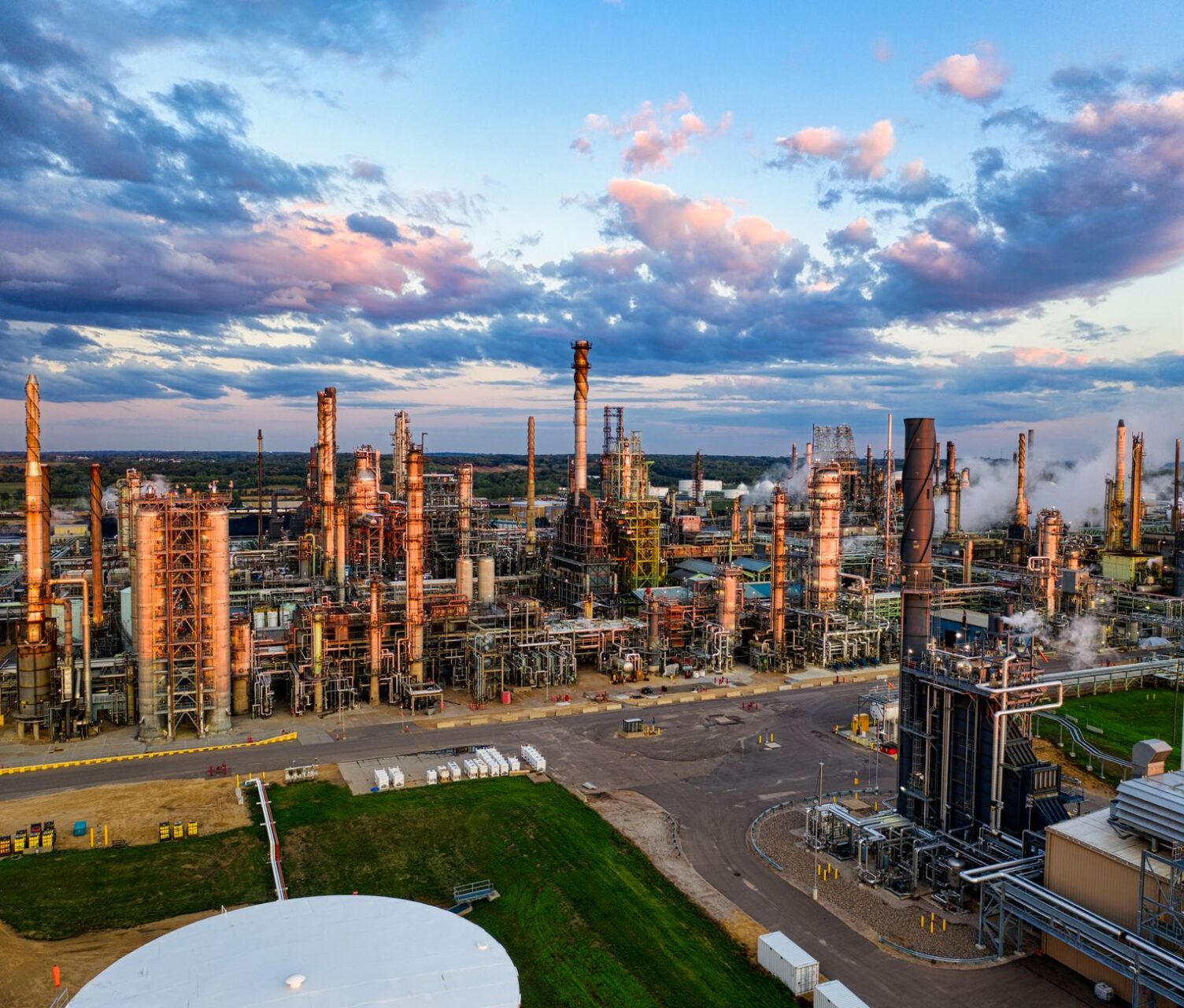
A short drive south leads to the Richmond Refinery, one of Chevron’s largest processing facilities on the West Coast. While the refinery itself is not open to casual tourists, the adjacent Point Richmond shoreline provides panoramic views of the plant’s flare stacks against the backdrop of San Francisco Bay, especially striking at sunset. Guided tours of the refinery are occasionally arranged for educational groups and industry professionals through Chevron’s community‑outreach office; advance reservations are required and typically need to be made at least four weeks in advance.
For those fascinated by renewable energy, the nearby California Hydrogen Highway initiative includes several hydrogen‑refueling stations operated in partnership with Chevron and other energy firms. The station in Dublin, California, offers public access for fuel‑cell vehicles and includes an informational kiosk explaining the production of green hydrogen via electrolysis powered by solar arrays. Combining a visit to these sites with a hike in the nearby Las Trampas Regional Wilderness creates a balanced itinerary that contrasts traditional hydrocarbon infrastructure with emerging clean‑energy projects.
Planning Checklist: Steps for Business Travelers and Curious Tourists
Before embarking on a trip to the San Ramon area or any Chevron‑related site, follow this concise checklist to ensure a smooth and productive experience.
- Verify travel authorization: If you are not a U.S. citizen, check whether you need an ESTA (Electronic System for Travel Authorization) or a visa under the Visa Waiver Program. Citizens of most European, Asian, and Pacific nations can stay up to 90 days for tourism or business without a visa, provided they have an approved ESTA, which costs $21 and is valid for two years.
- Book accommodations early: San Ramon’s hotel market fills quickly during weekday business periods; aim to reserve a room at least two weeks ahead. Mid‑range options such as the Hyatt Place San Ramon/Dublin or the Marriott Pleasanton typically range from $150 to $200 per night, while budget motels near Interstate 680 start near $90.
- Schedule site visits: For headquarters tours or refinery visits, contact Chevron’s community relations department via the official website at least one month prior. Provide details about your group size, purpose of visit, and any specific interests (e.g., sustainability, safety protocols, history).
- Plan transportation: The Bay Area Rapid Transit (BART) system connects San Francisco International Airport to the Dublin/Pleasanton station, from where a short rideshare or taxi reaches San Ramon. Renting a car offers flexibility for exploring refinery viewpoints and regional parks, with daily rates averaging $45 for an economy vehicle.
- Pack for variable weather: Summer temperatures in the East Bay range from 65 °F (18 °C) in the morning to 88 °F (31 °C) in the afternoon, with occasional coastal fog. Bring layers, sunscreen, and comfortable walking shoes for outdoor sites.
- Budget for incidentals: Allocate roughly $30 per day for meals at casual eateries, $10‑$15 for local transit or rideshares, and $5‑$10 for entrance fees to parks or museums. If you intend to purchase branded merchandise from the Chevron gift shop, expect to spend $20‑$40 on items such as reusable water bottles or tech accessories.
Alternatives and Comparisons: Other Energy Giants to Watch
If you find Chevron’s story compelling, examining peers such as ExxonMobil, TotalEnergies, and Shell provides valuable context for understanding industry trends and investment opportunities. ExxonMobil, headquartered in Irving, Texas, reported a refining profit of $5.5 billion in Q2 2026, slightly edging out Chevron’s downstream performance, while its upstream earnings remained robust due to strong Permian output. TotalEnergies, based in Paris, showcased a growing renewable‑energy portfolio, with solar and wind assets contributing 12 percent of its total earnings in the first half of 2026, a figure that continues to rise as the company pursues its net‑zero ambition by 2050.
Shell, with its headquarters in The Hague, has been aggressive in expanding its electric‑vehicle charging network across Europe and North America, installing over 15,000 public points by mid‑2026. For travelers interested in seeing how traditional oil companies are adapting to a low‑carbon future, visiting Shell’s re‑branded service stations that now offer both conventional fuels and rapid EV chargers offers a tangible illustration of this transition. Comparing these companies side by side helps investors assess which firms are best positioned to benefit from evolving energy policies, while tourists can observe varying approaches to sustainability at the pump and in corporate visitor centers.
Additionally, national oil companies such as Saudi Aramco and Rosneft remain influential players, though access to their facilities for foreign visitors is often more restricted. Keeping an eye on their production announcements and geopolitical moves provides a broader view of global supply dynamics that ultimately affect fuel prices and travel costs worldwide.
FAQ
1. Is Chevron’s record profit likely to lead to higher gasoline prices in the near term? Not necessarily. While Chevron’s refining margins improved, wholesale gasoline prices are set by global crude markets, refining capacity, and regional taxes. The company has stated that its goal is to remain competitive rather than to dictate pump prices. Short‑term price spikes are more often driven by supply disruptions, seasonal demand shifts, or geopolitical events than by the profitability of any single refiner.
2. Can I tour Chevron’s headquarters or refineries as a regular tourist? The headquarters lobby in San Ramon features a public exhibit that is open during regular business hours without prior appointment. For deeper access, such as guided tours of operational areas or the Richmond Refinery, you must submit a formal request through Chevron’s community‑outreach office. These tours are typically reserved for educational groups, industry professionals, or pre‑approved partners and require at least four weeks’ notice.
3. What visa requirements apply if I want to visit the United States for a short business trip focused on energy sites? Travelers from countries participating in the Visa Waiver Program (including the UK, Germany, Japan, South Korea, and many others) can enter the U.S. for up to 90 days for tourism or business using an approved ESTA, which costs $21 and is obtained online. Citizens of non‑waiver countries must apply for a B‑1/B‑2 visitor visa at a U.S. embassy or consulate, a process that generally involves an interview, fee payment ($185 as of 2026), and submission of supporting documents such as an invitation letter from a U.S.-based host.
4. Are there any energy‑themed museums or attractions near San Ramon that are suitable for families? Yes. The California Oil Museum in Santa Paula, about a 1.5‑hour drive south, offers interactive exhibits on the state’s petroleum history, including vintage drilling equipment and a recreated 1930s gas station. Closer to home, the Lindsay Wildlife Experience in Walnut Creek features occasional exhibits on the intersection of energy development and habitat conservation, providing an engaging outing for children and adults alike.
5. How can I offset the carbon footprint of my trip to the Bay Area? Many airlines now offer carbon‑offset options at checkout, allowing you to contribute to reforestation or renewable‑energy projects. Additionally, you can purchase offsets through reputable providers such as Gold Standard or Cool Effect, calculating emissions based on flight distance and ground transportation. Choosing public transit, ridesharing in electric or hybrid vehicles, and staying at hotels with green certifications further reduce your travel‑related impact.
Stay informed with the latest travel news, visa updates, and destination guides. Follow HimalayanCrest.com for weekly travel intelligence delivered by our editorial team.