

Where the Mountain Air Still Whispers Ancient Secrets
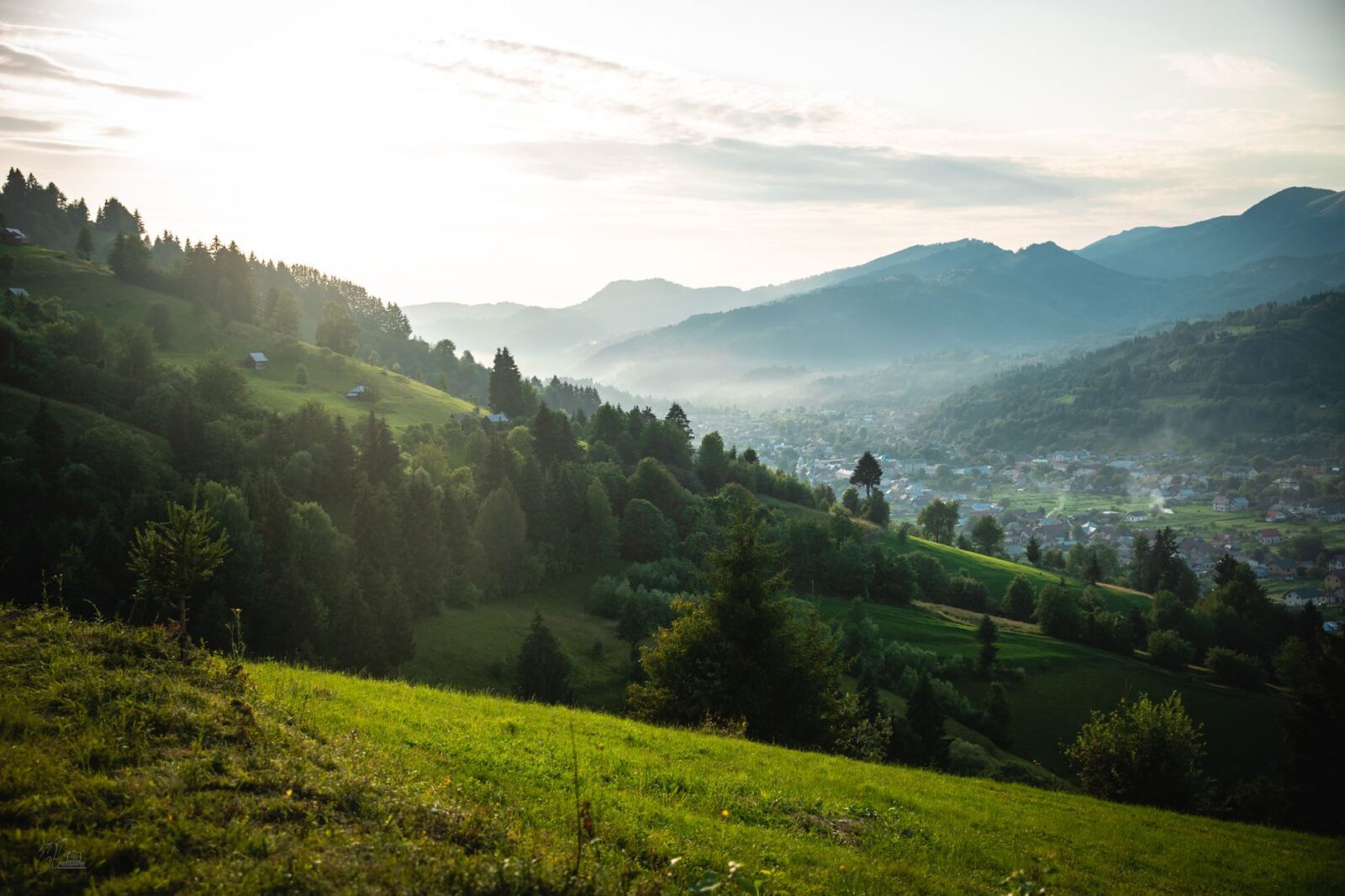
Imagine standing at dawn on a ridge where the only sound is wind through deodar pines and the distant chime of a temple bell. Below you, valleys unfold in layers of mist, untouched by the honking cars and souvenir stalls that define India’s famous hill stations. This is not a fantasy—it exists in pockets across the country where tourism has yet to arrive in force. While Shimla and Manali battle weekend crowds, these eight hidden sanctuaries offer what travelers truly seek: peace, authenticity, and a connection to the mountains that feels personal, not performative.
Chikhaldara: Maharashtra’s Forgotten Coffee Paradise
Nestled in the Satpura Range at 1,118 meters, Chikhaldara is Maharashtra’s only coffee-growing hill station, a fact that surprises even many Indians. British officials established it in 1823 as a sanatorium, drawn by its cool climate and proximity to wildlife-rich forests. Today, visitors wander through arabica plantations where the scent of ripe cherries mingles with damp earth, or trek to Bhimkund—a sacred crater lake where, according to legend, the Pandava prince Bhima washed his hands after slaying the demon Kichaka. The town itself feels suspended in time, with colonial-era bungalows lining quiet lanes and local dhabas serving poha with sev and cutting chai for under $1.
Reaching Chikhaldara requires effort: it’s 750 km from Mumbai, best approached via Nagpur (250 km, 5-hour drive) or Amravati (100 km, 2.5 hours). Public buses run but are infrequent; hiring a car from Nagpur ($40/day) offers flexibility. The best time to visit is October to February when temperatures range from 10-25°C—cool enough for woolens but not freezing. Monsoon (June-September) transforms the landscape into a lush green paradise but brings leeches and occasional landslides that can delay travel. Summer (March-May) sees temperatures climb to 32°C, making afternoons uncomfortable despite pleasant mornings.
Lansdowne: Uttarakhand’s Quiet Cantonment Charmer
Founded in 1887 as a training center for the Garhwal Rifles, Lansdowne retains its military precision without the sterility. Located at 1,706 meters in Pauri Garhwal district, this cantonment town avoids the commercialization of nearby Mussoorie and Nainital because civilian development is restricted—preserving its oak and pine forests, colonial architecture, and sweeping views of the Shivalik ranges. The Tip-in-Top viewpoint offers a 360-degree panorama where, on clear days, you can spot the snow-capped peaks of Bandarpoonch and Swargarohini.
Access is straightforward: Lansdowne is 250 km from Delhi (5-6 hours by car or bus) and 150 km from Dehradun’s Jolly Grant Airport (3.5 hours). The town itself is compact and walkable, though taxis are available for trips to nearby attractions like Bhulla Lake (entry $0.30) or the War Memorial. October to November and March to April provide ideal conditions—crisp air, clear skies, and blooming rhododendrons. Winter (December-February) brings occasional snowfall and temperatures down to 0°C, requiring proper cold-weather gear but rewarding visitors with frosted pine silhouettes. Monsoon (July-August) should be avoided due to landslide risks on the approach roads.
Pangot: Uttarakhand’s Avian Sanctuary
Fifteen kilometers from Nainital, Pangot sits at 2,000 meters and feels worlds apart from its crowded neighbor. This tiny hamlet is a birder’s paradise, home to over 200 species including the elusive cheer pheasant, Himalayan griffon, and various laughingthrushes. The journey there—winding through oak and rhododendron forests—already feels like an escape, with traffic thinning dramatically after the last village. Local guides from the Pangot Bird Sanctuary offer morning walks ($8-$12) where you’ll learn to identify calls and spot camouflaged species against moss-covered branches.
Most visitors reach Pangot via taxi from Kathgodam railway station (70 km, 2 hours) or Nainital (15 km, 45 minutes). Accommodation ranges from basic homestays ($15/night with meals) to eco-lodges like Jungle Lore Birding Lodge ($45/night, all-inclusive). The best seasons are October-November and March-April when migratory birds pass through and resident species are most active. Winter brings frost and occasional snow, making trails slippery but reducing human presence to near zero. Monsoon (July-September) sees heavy rainfall that obscures views and makes leeches abundant—only recommended for experienced trekkers with proper gear.
Darang: Himachal Pradesh’s Tea Estate Hamlet
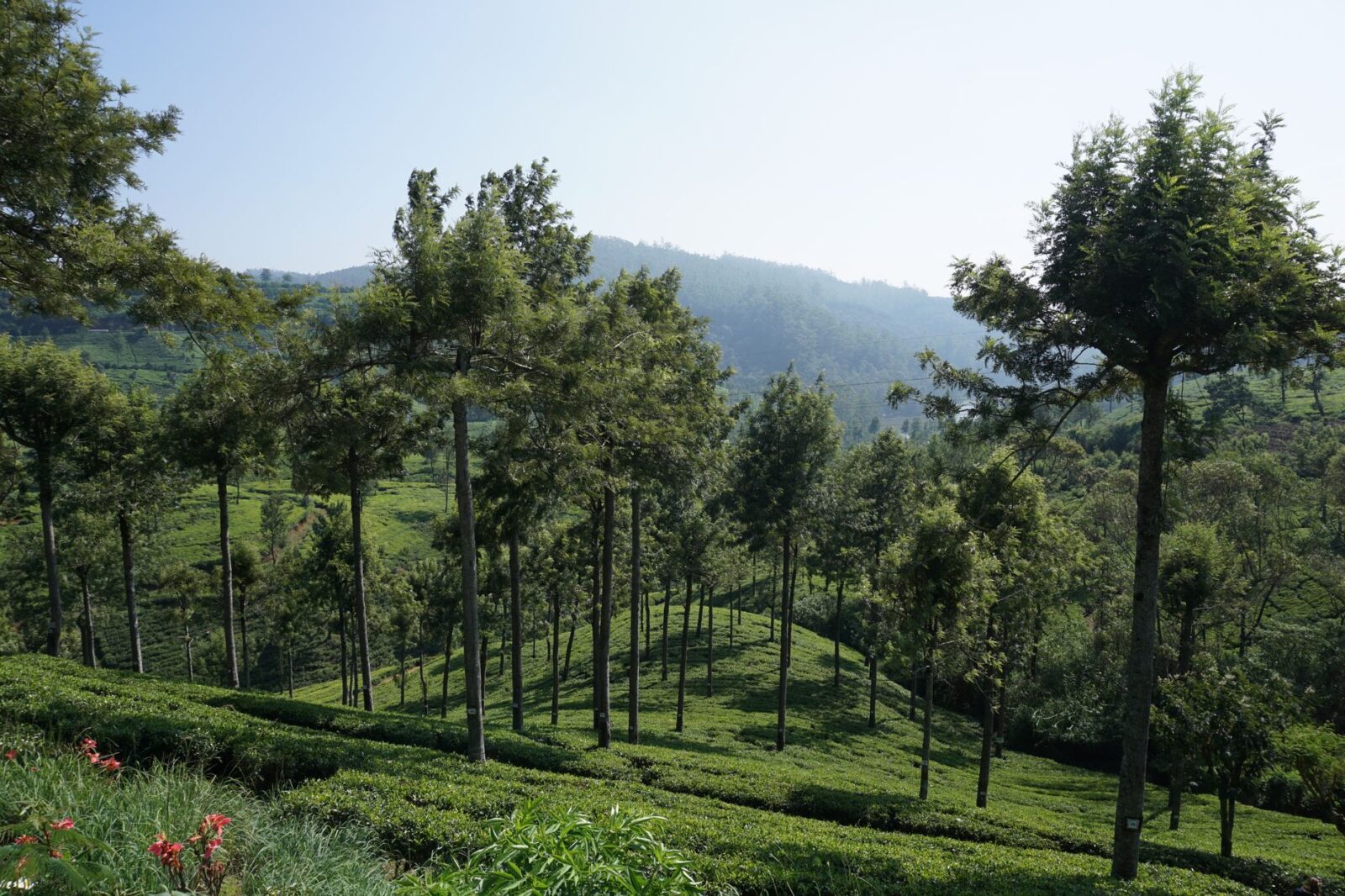
Tucked into the Kangra Valley at 1,400 meters, Darang is where the Dhauladhar range begins its dramatic rise. Unlike the commercial tea estates of Darjeeling, Darang’s plantations are small-scale, family-run operations where you can pluck leaves alongside farmers and watch traditional withering and rolling techniques. The village itself clusters around ancient temples dedicated to local deities, with stone houses featuring slate roofs and verandas overlooking terraced fields. Walks through the estate reveal not just tea but cardamom, ginger, and wild strawberries growing in the shade.
Darang is 50 km from Dharamshala (1.5 hours by taxi, $20) and 120 km from Pathankot railway station (3 hours). The nearest airport is Gaggal in Dharamshala (45 km). October to June offers the best conditions—clear views of the Dhauladhars and comfortable trekking temperatures. Winter (December-February) brings chilly mornings (0-5°C) but sunny afternoons perfect for tea plantation walks. Monsoon (July-September) transforms the hills into vibrant green but makes paths muddy and increases leech encounters; however, this is when the tea plants flush most vigorously, offering a unique opportunity to see peak growth.
Bilaspur: India’s First Planned Hill Station
Often overlooked for its more famous neighbors, Bilaspur in Himachal Pradesh holds a unique distinction: it was India’s first deliberately planned hill station, established in the early 19th century by the Raja of Keonthal. Located at 1,050 meters on the banks of the Govind Sagar Lake (formed by the Bhakra Dam), it combines orderly colonial planning with natural beauty. The town’s grid layout, wide roads, and segregated residential zones reflect British cantonment influences, while lakeside promenades and temple complexes add local character. Boating on the serene Govind Sagar offers views of migrating waterfowl and distant hills.
Bilaspur is 130 km from Chandigarh (3 hours by taxi or bus) and 200 km from Shimla (5 hours). The town has a small railway station connected to the broad-gauge line, though most visitors arrive by road. October to March provides pleasant days (15-25°C) and cool nights, ideal for lakeside walks and temple visits. Summer (April-June) sees temperatures rise to 35°C, making midday activities uncomfortable but early mornings and evenings still enjoyable. Monsoon (July-September) brings lush greenery but also humidity and occasional flooding risks near the lake—visitors should check water levels before planning boat trips.
Tawang: Arunachal Pradesh’s Spiritual Summit
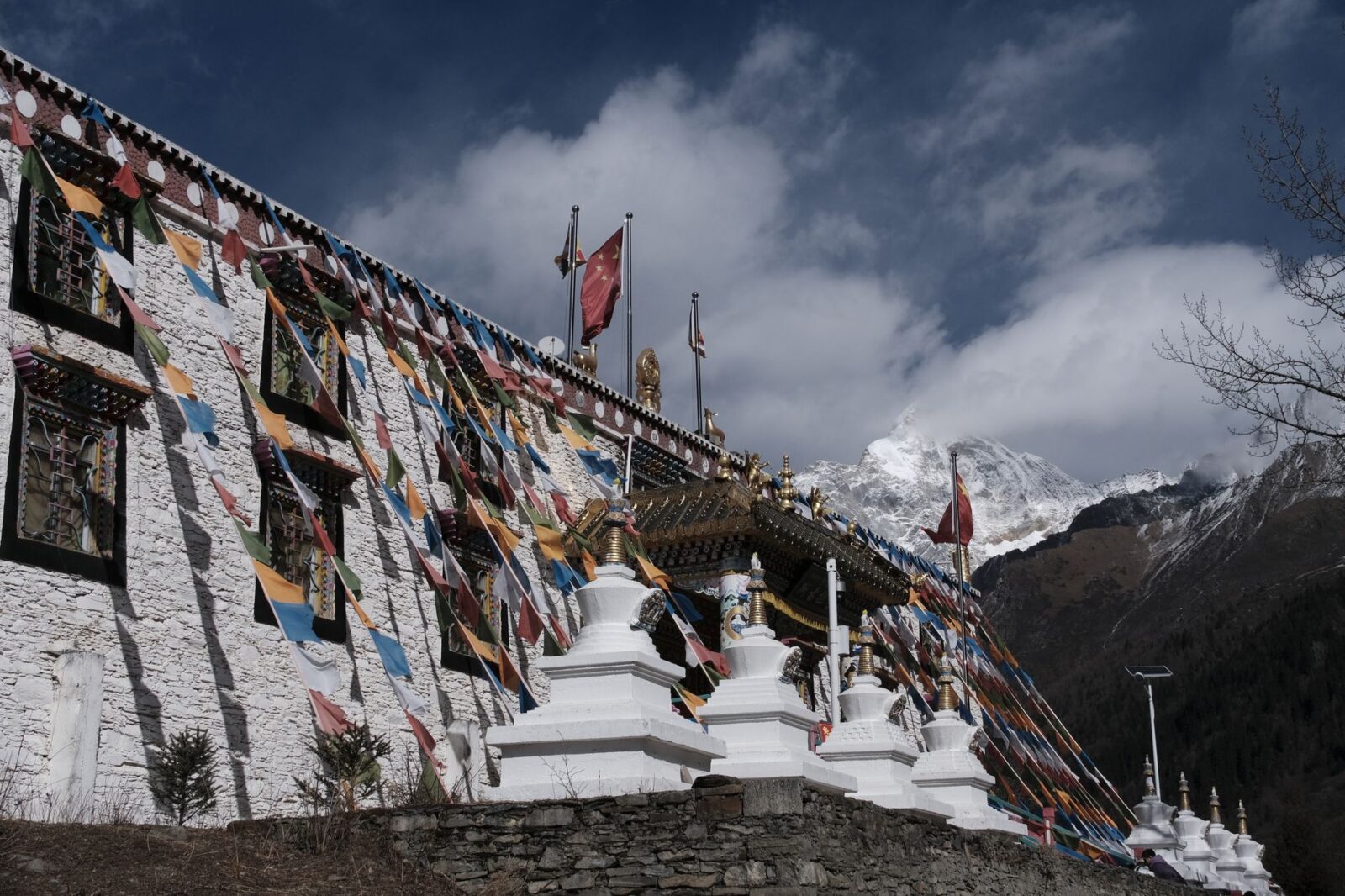
Perched at 3,048 meters in India’s northeastern extremity, Tawang feels like stepping into another world. Home to the second-largest Tibetan Buddhist monastery outside Lhasa, this town combines profound spirituality with breathtaking Himalayan scenery. The Tawang Monastery, founded in 1681, houses ancient scriptures, thangka paintings, and a 8-meter-high golden Buddha statue. Daily rituals—monks’ chanting at dawn, butter lamp offerings, and philosophical debates—offer visitors a window into living Tibetan culture. Nearby attractions include the serene Sela Pass (4,170 m) and the picturesque Madhuri Lake, named after a Bollywood film shot there.
Reaching Tawang requires commitment: it’s 480 km from Guwahati, Assam (12-14 hours by shared jeep or bus, $25-$35) or 350 km from Tezpur (8-10 hours). The nearest functional airport is in Tezpur, though flights are limited; most travelers fly to Guwahati and make the overland journey. Inner Line Permits (ILP) are mandatory for all domestic tourists ($10 online or at Assam border checkpoints) and must be carried at all times. Foreign nationals additionally require Protected Area Permits (PAP) obtained through Indian missions abroad ($50, processed in 4-6 weeks). The best time to visit is March to June and September to October—clear skies, accessible roads, and temperatures ranging from -2°C to 15°C. Winter (November-February) brings heavy snowfall, often blocking the Sela Pass and making travel hazardous; only experienced winter travelers should attempt it. Monsoon (June-September) causes frequent landslides on the approach roads, significantly increasing travel time and risk.
Ziro: Arunachal Pradesh’s Plateau of Peace
At 1,500 meters in the Lower Subansiri district, Ziro Valley is a UNESCO World Heritage Site nominee inhabited by the Apatani tribe, famous for their sustainable agriculture and distinctive facial tattoos (now rarely seen on younger generations). The valley’s ingenious wet-rice cultivation system—where fields are flooded using gravity-fed channels from forested hills—creates a mesmerizing patchwork of mirror-like surfaces reflecting the sky. Visitors can walk between villages like Hong and Hari, observing traditional bamboo houses raised on stilts and participating in festivals like Myoko (March) that celebrate fertility and community bonds.
Ziro is 115 km from Naharlagun (Arunachal Pradesh’s capital, 3 hours by taxi) and 350 km from Guwahati (8-10 hours). The nearest airport is in Lilabari, Assam (100 km, 3 hours), though flights are infrequent; most travelers use Guwahati’s Lokpriya Gopinath Bordoloi Airport. Inner Line Permits ($10) are required for all Indian tourists and obtainable at Arunachal Bhavan in Guwahati or online. October to November offers golden rice fields pre-harvest and clear skies; March to April presents lush greenery and the vibrant Myoko festival. Winter (December-February) sees temperatures drop to 0°C at night but sunny days perfect for valley walks. Monsoon (June-September) transforms the landscape into intense green but makes some trails slippery and increases mosquito activity—repellent is essential.
Practical Wisdom for the Path Less Traveled
Venturing into these lesser-known hill stations demands respect for local environments and cultures. Always ask permission before photographing people, especially in tribal areas like Ziro or Tawang where certain rituals are private. Support local economies by eating at family-run dhabas, buying handicrafts directly from artisans, and hiring local guides—this ensures your tourism dollars stay within the community. Pack reusable water bottles and purification tablets; while many springs are safe, it’s wise to treat water from unknown sources. Altitude sickness is rarely a concern below 2,500 meters (except in Tawang and Sela Pass), but stay hydrated and ascend gradually if heading higher.
Teahouse and homestay costs vary: expect $8-$15 for basic accommodation with meals in most locations, rising to $25-$40 for eco-lodges with guided activities. Porter rates are $10-$15/day in Himalayan regions like Tawang; guides charge $15-$25/day depending on expertise and language skills. Tipping 10% is customary for good service. Always carry small denominations of Indian rupees—card machines are rare outside main towns. For evacuation insurance, providers like World Nomads or Allianz Travel offer specific trekking plans ($40-$60 for two weeks) covering helicopter rescue and medical evacuation—essential in remote areas where road access is limited.
Embracing the Quiet Revolution
These eight hill stations represent more than just alternatives to crowded destinations—they offer a different philosophy of mountain travel. Here, the journey isn’t about checking off viewpoints or buying souvenirs; it’s about sitting silently beside a tea farmer as he works, listening to monks’ chants echo off monastery walls, or watching mist rise from a valley at dawn. By choosing these quieter paths, travelers help distribute tourism’s benefits more evenly while preserving the very tranquility they seek. The mountains remember every respectful visitor—and in return, they offer moments of peace that linger long after the descent.
Stay informed with the latest travel news, visa updates, and destination guides. Follow HimalayanCrest.com for weekly travel intelligence delivered by our editorial team.