

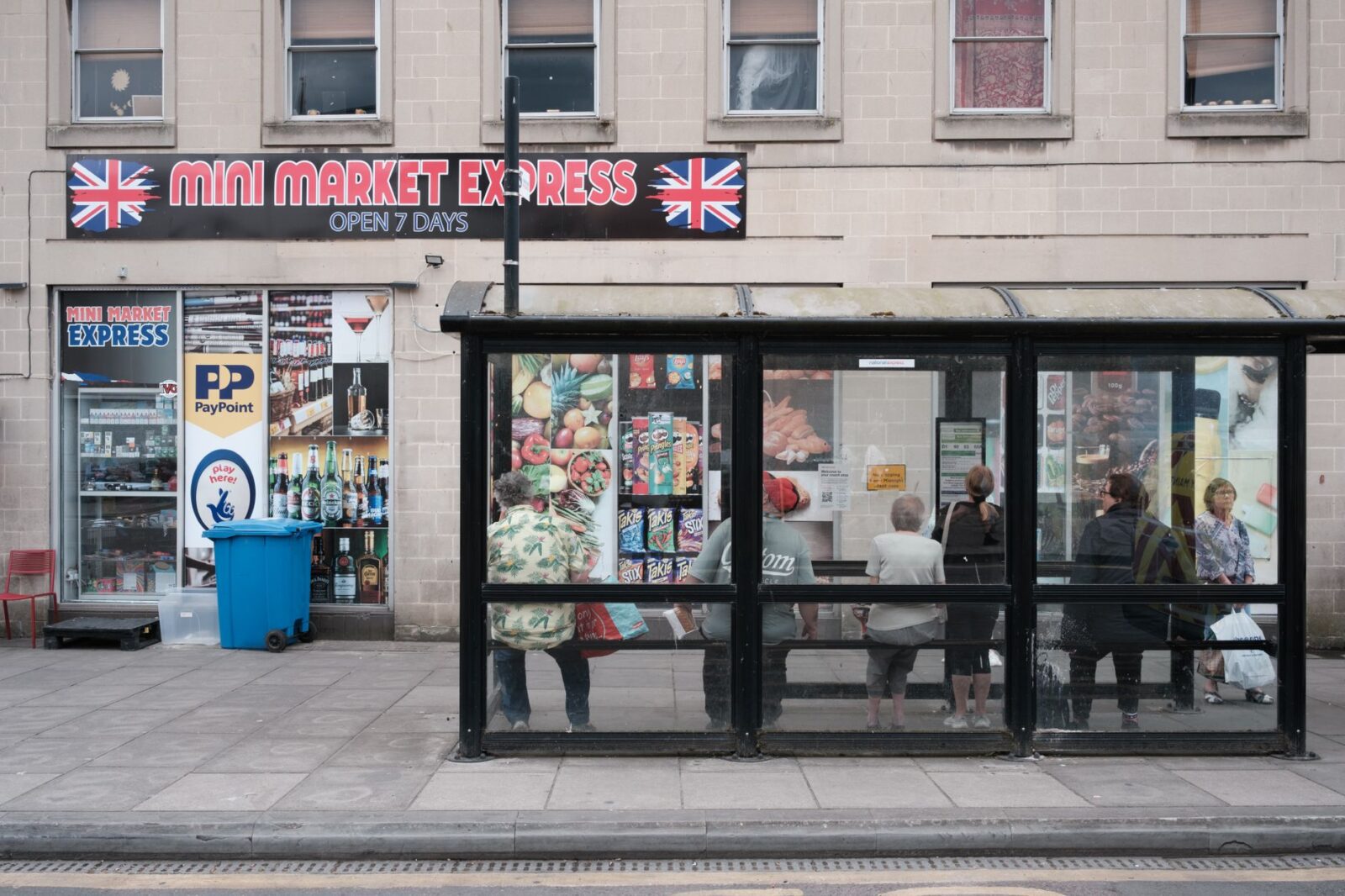
Prime Minister Announces Sweeping Changes to UK High Street Regulations
On August 11, 2026, UK Prime Minister Andy Burnham unveiled a comprehensive plan to revitalize struggling town centers by cracking down on the proliferation of vape shops and betting outlets. The announcement, made during a visit to Ilkeston in Derbyshire, targets what the government describes as “hollowed out” high streets dominated by businesses that offer little long-term value to local communities. The measures represent a significant shift in local planning policy, giving councils and residents unprecedented authority over what types of businesses can operate in their town centers.
The core of the initiative involves revoking the Gambling Act’s outdated “Aim to Permit” rule, which has prevented local authorities from refusing new betting shops and 24-hour slot machine venues even in the face of strong community opposition. Under the new framework, councils will gain the power to assess applications for both vape and betting establishments based on local impact, including concerns about public health, anti-social behavior, and the overall character of the high street. This change effectively ends years of planning loopholes that allowed chains to open multiple outlets in close succession despite resident objections.
In addition to planning reforms, the package includes enhanced enforcement powers for police and trading standards officers to shut down businesses linked to organized crime or operating without proper licenses. Rogue vape retailers selling non-compliant or illicit products, as well as betting shops involved in money laundering or illegal gambling operations, will face faster closures and heavier penalties. The government emphasized that legitimate, licensed businesses operating within the law will not be targeted, but rather those exploiting regulatory gaps to undermine community wellbeing.
What the Changes Mean for Visa Applicants and Residents
While the policy primarily affects domestic business regulation, it has indirect implications for foreign nationals living in or planning to move to the UK. Individuals applying for visas under the Skilled Worker, Innovator Founder, or Global Talent routes who wish to establish businesses in retail sectors should note that opening new vape or betting outlets will now require full planning permission from local councils — a process that can take several months and involves public consultation. This contrasts sharply with the previous system, where such businesses could often open under permitted development rights.
For investors and entrepreneurs, the shift signals a more cautious approach to certain retail sectors. Those considering investment in vape shop chains or betting shop franchises should conduct thorough due diligence on local planning policies, as approval is no longer guaranteed even if all national licensing requirements are met. Conversely, businesses focused on essential services, independent retail, hospitality, or community-oriented enterprises may find increased support from local authorities eager to diversify high street offerings and reduce reliance on what are seen as low-value, high-turnover outlets.
Digital nomads and remote workers residing in UK towns should be aware that while the policy doesn’t directly affect immigration status, it may influence the long-term viability and appeal of their chosen location. A high street undergoing revitalization through better business mix could enhance quality of life, whereas areas dominated by unchecked vape and betting shop growth might see declining amenities and property values over time. Prospective residents are advised to research specific town centers using council planning portals to understand local priorities before committing to a lease or property purchase.
Impact on Specific Nationalities and Traveler Types
Nationals from countries with significant vape shop or betting shop ownership patterns — such as Malaysia, China, the United States, and various Eastern European states — may find their business plans affected if they intended to launch retail chains in the UK under investor or self-employment visa routes. For example, Malaysian nationals, who have been active in the UK vape retail sector through companies like IVG and Dinner Lady, will now face stricter local scrutiny when seeking to open new stores. Similarly, American investors interested in betting shop franchises must now navigate local planning hurdles that previously did not apply.
Retirees considering relocation to the UK under routes like the Global Business Mobility Visa (for senior employees) or through family ties should evaluate how local high street changes align with their lifestyle preferences. Towns actively reducing vape and betting shop density may offer quieter, more traditional high streets with pharmacies, bakeries, and independent cafes — amenities often valued by older residents. Conversely, areas where such businesses remain prevalent might continue to experience issues like street loitering or late-night noise, potentially affecting residential desirability.
Students and young professionals on Graduate or Youth Mobility Scheme visas should note that while the policy doesn’t restrict access to legal vaping or betting for adults over 18, it may reduce the concentration of these outlets near universities and student housing areas. Some councils have indicated they will use the new powers to create exclusion zones around schools and youth centers, which could indirectly affect where students choose to live based on proximity to preferred amenities.

Step-by-Step Guidance for Affected Individuals
If you are a foreign national planning to open a vape or betting shop in the UK, your first step should be to consult the planning portal of your target local council. Most councils now publish detailed guidance on how they will assess applications under the new framework, including criteria related to proximity to schools, existing outlet density, and potential for anti-social behavior. You will need to submit a full planning application, which unlike prior permitted development routes, allows for public objection and council-led review — a process that typically takes 8 to 13 weeks.
Before applying, conduct a local impact assessment. Check how many vape or betting shops already operate within a 500-meter radius of your proposed site using tools like the UK Government’s “Find a planning application” service or commercial platforms such as LandInsight. If the area is already saturated, your application is likely to face strong resistance. Consider adapting your business model — for example, vape retailers might explore hybrid stores offering CBD products, herbal alternatives, or repair services to diversify appeal and meet local demand for health-focused retail.
Ensure full compliance with national regulations as a baseline. Vape products must meet MHRA standards for safety and packaging, with clear labeling and nicotine content limits. Betting operators must hold a valid license from the UK Gambling Commission and adhere to advertising and age verification rules. Even with national compliance, local councils can still refuse planning permission if they determine the business would harm the local environment or community wellbeing — a key change from the previous “Aim to Permit” presumption of approval.
Engage early with the community. Successful applicants under the new system often hold pre-application consultations with residents’ associations or local councils to address concerns. Demonstrating a commitment to local employment, sourcing from UK suppliers, or supporting community initiatives can improve your chances. Keep records of all interactions, as councils may consider evidence of good faith engagement when making decisions.
How the UK Approach Compares to Other Countries
The UK’s move to strengthen local control over vape and betting shop proliferation contrasts with approaches in other nations. In the United States, regulation remains largely state-driven, with some cities like San Francisco and Boston having banned flavored vape products outright, while others rely on zoning laws to limit density — but few have granted towns the unilateral power to block new betting shops based solely on local preference, as the UK now does following the repeal of “Aim to Permit.”
Australia takes a stricter national stance on vaping, requiring prescriptions for nicotine-containing e-cigarettes since 2021, which has inherently limited retail growth. Betting shop regulation varies by state, but local councils generally have strong zoning authority — a model closer to the UK’s new approach. In contrast, countries like Japan and South Korea maintain tight controls on both sectors: vaping products are heavily restricted or banned, and betting is largely confined to state-run operations, minimizing the need for local intervention on high streets.
Within the EU, member states employ varied tactics. France has implemented plain packaging and display bans for vape products, while Germany allows local authorities to restrict betting shop openings through zoning — similar to the UK’s updated system. However, the UK’s explicit repeal of a national rule that *prevented* councils from refusing betting shops represents a unique reversal of pro-business presumption, placing it among the most proactive in Europe for empowering local communities to shape their commercial landscapes.

Implications for Investors, Entrepreneurs, and Citizenship Seekers
For those pursuing residency through investment or business innovation routes, the policy shift necessitates a more nuanced strategy. The Innovator Founder Visa, which requires endorsement of a scalable business idea, may see fewer endorsements for vape or betting shop chains unless applicants can demonstrate clear differentiation — such as technology-driven harm reduction tools, AI-powered responsible gambling platforms, or sustainable supply chains. Endorsing bodies are likely to scrutinize whether proposed ventures align with local economic goals, including high street revitalization.
Real estate investors should monitor how these changes affect commercial property values. Early data from pilot areas suggests that high streets undergoing diversification away from vape and betting shop dominance are seeing increased interest from independent retailers and hospitality operators, potentially stabilizing or raising rental yields over time. Conversely, properties leased to chains reliant on easy planning approvals may face longer void periods if licenses are not renewed or planning permission is denied upon redevelopment.
Individuals applying for UK citizenship or indefinite leave to remain should note that while this policy doesn’t directly affect eligibility criteria, it reflects broader governmental priorities around community wellbeing and local empowerment — values often assessed indirectly during the Life in the UK Test and integration considerations. Demonstrating awareness of local initiatives to improve town centers, or participating in community consultations about high street futures, could serve as meaningful evidence of civic engagement during residency applications.
Official Resources and Verification Links
For the most accurate and up-to-date information, readers should consult official UK government sources. The Prime Minister’s announcement is detailed in the GOV.UK press release published on August 11, 2026, available at https://www.gov.uk/government/news/pm-vows-to-save-hollowed-out-high-streets-with-crackdown-on-vape-and-betting-shops. This document outlines the full scope of the planning reforms, enforcement measures, and timelines for implementation.
To understand how the Gambling Act’s “Aim to Permit” rule is being revoked, refer to the Department for Culture, Media and Sport’s guidance at https://www.gov.uk/government/publications/reforming-the-gambling-act/aim-to-permit-rule-repeal. Local planning procedures are explained via the Planning Practice Guidance on https://www.gov.uk/guidance/plan-making, particularly sections covering retail assessments and community engagement.
For national compliance requirements: vape product standards are regulated by the Medicines and Healthcare products Regulatory Agency (MHRA) at https://www.gov.uk/government/organisations/medicines-and-healthcare-products-regulatory-agency, while betting operator licensing falls under the UK Gambling Commission at https://www.gamblingcommission.gov.uk. Individuals seeking to verify a business’s licensing status can use the public registers on these sites.
Those wishing to engage with their local council can find contact details and planning portal links via the Local Government Association directory at https://www.local.gov.uk/about/councils. Many councils now publish specific high street strategies detailing their vision for town center development, which can help applicants align proposals with local priorities.
Frequently Asked Questions
Will I still be able to legally buy vape products or place bets in the UK under these new rules?
Yes. The policy does not ban the sale of legal vaping products or betting services for adults over 18. It only changes how and where new outlets can open, giving local councils the power to refuse applications based on local impact — a right they previously lacked for betting shops due to the “Aim to Permit” rule. Existing licensed businesses can continue to operate provided they meet national regulations and local planning conditions.
How long will it take for these changes to affect my plans to open a vape or betting shop?
The reforms are being implemented immediately, with the repeal of the “Aim to Permit” rule taking effect upon announcement. New applications for vape and betting shops submitted after August 11, 2026, will be assessed under the updated framework. However, businesses that already have lawful planning permission or were operating before the announcement are not affected unless they seek to expand, change use, or renew a lapsed permission — in which case the new rules will apply.
Can I appeal if my local council refuses planning permission for my vape or betting shop?
Yes. If planning permission is refused, you have the right to appeal to the Planning Inspectorate, an independent body that reviews cases on their merits. Appeals must be submitted within six months of the decision letter and typically involve a written representation process, though hearings may be held for complex cases. Note that the Inspectorate will consider whether the council followed proper procedure and acted reasonably — not simply substitute its own judgment — so strong local evidence of harm or community opposition can uphold a refusal.
Are there grants or support available for businesses looking to replace vape or betting shops on struggling high streets?
Several initiatives exist to support high street revitalization. The UK Government’s High Streets Fund, administered by Homes England, offers grants for property renovation, public realm improvements, and business adaptation projects — though applicants must partner with their local council. Additionally, the Community Ownership Fund helps residents take over assets like vacant shops for community use. Individual councils often run their own schemes, such as offering reduced business rates for independent retailers or providing pop-up shop licenses to test new concepts.
Does this policy affect online vape sales or remote betting operations?
No. The changes apply only to physical retail premises on high streets and in town centers. Online sales of vape products (subject to age verification and MHRA compliance) and remote betting via licensed websites or apps remain governed by national regulations and are not subject to local planning permission. However, some councils are exploring ways to address the secondary effects of online growth, such as increased delivery traffic or packaging waste, through broader sustainability or town center management strategies.
Stay informed with the latest travel news, visa updates, and destination guides. Follow HimalayanCrest.com for weekly travel intelligence delivered by our editorial team.