

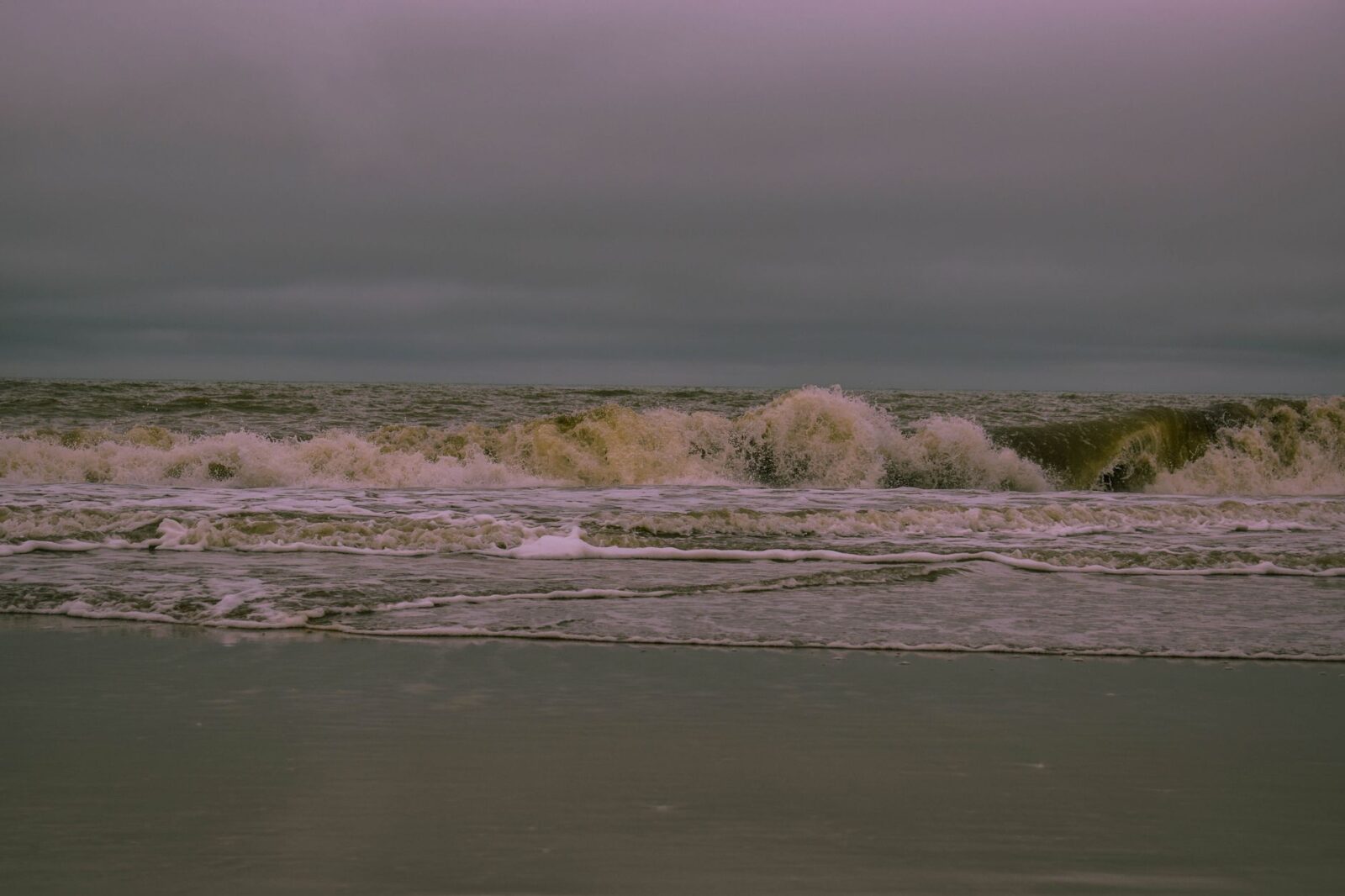
The Bermuda Triangle Isn’t Actually a Triangle
Despite its famous name, the Bermuda Triangle doesn’t have three clear sides like a geometry textbook shape. The region is more of a loosely defined area in the western North Atlantic Ocean, with boundaries that vary depending on who you ask. Some sources say it stretches from Miami to Bermuda to Puerto Rico, while others extend it further toward the Azores or include the Gulf of Mexico. This fuzzy definition alone makes studying disappearances tricky — if the borders keep changing, how can we compare incident rates accurately?
This lack of precision isn’t just academic; it has real implications for how we interpret data. When writers like Charles Berlitz popularized the mystery in the 1970s, they often included incidents that occurred well outside any reasonable triangle boundary. A plane vanishing near the Azores, for example, suddenly becomes part of the ‘Bermuda Triangle mystery’ even though it’s thousands of miles from the core zone. This elastic geography has allowed the legend to grow far beyond what the facts support.
For modern travelers, this means the Bermuda Triangle isn’t some invisible force field you need to avoid when sailing or flying. Commercial flights and cruise ships cross through this region daily without incident. The next time you’re on a flight from New York to the Caribbean or a cruise heading to Bermuda, remember: you’re likely passing through the so-called ‘Devil’s Triangle’ right now — and everything is probably fine.
Most Famous Disappearance Had a Mundane Explanation
The story of Flight 19 is the Bermuda Triangle’s most famous tale: five U.S. Navy torpedo bombers vanished on a routine training mission in December 1945, followed by a rescue plane that also disappeared. For decades, this fueled speculation about magnetic anomalies, time warps, or even alien abductions. The image of experienced pilots suddenly becoming disoriented over calm waters captured the public imagination and became the cornerstone of Triangle lore.
However, detailed investigations have painted a much more human picture. Lieutenant Charles Taylor, the flight leader, had a history of getting lost in flight and had reportedly ditched his plane twice before due to navigational errors. Weather reports from that day show rapidly deteriorating conditions, with strong winds and heavy rain — far from the calm seas often described in retellings. Taylor reportedly told his crew, ‘I don’t know where we are. We must have gotten lost after that last turn,’ suggesting simple human error compounded by poor weather.
The rescue plane, a PBM Mariner, likely suffered a catastrophic in-flight explosion — not an uncommon fate for these aircraft, which were nicknamed ‘flying gas tanks’ due to their volatile fuel systems. Witnesses reported seeing a fireball in the sky where the plane went down. When we separate the myth from the evidence, Flight 19 becomes a tragic but explainable accident, not evidence of supernatural forces at work.
USS Cyclops Vanishing Was Likely Due to Structural Failure
The disappearance of the USS Cyclops in March 1918 remains the single largest loss of life in U.S. Naval history not involving combat — 306 sailors and passengers vanished without a trace. The massive collier ship was en route from Brazil to Baltimore when it somehow disappeared entirely, sparking immediate speculation about German submarines or mysterious forces. For over a century, this event has been cited as proof that something strange happens in the Bermuda Triangle.
Modern naval analysis suggests a far more prosaic explanation: the Cyclops may have suffered a structural failure due to overloading and design flaws. The ship was carrying a heavy cargo of manganese ore, possibly exceeding its safe capacity. Combined with reports of one engine not functioning properly and the vessel potentially facing rough seas, the stress on the hull could have caused it to break apart and sink quickly — too fast for a distress call. Sister ships of the same class had known issues with hull integrity under heavy loads.
Adding to the plausibility of this theory, no wreckage was ever found, which is consistent with a rapid sinking in deep water. The ocean floor in that region drops off sharply, meaning debris could have sunk beyond reach. While the loss of life was tragic, the evidence points to maritime hazards and possible human error in loading or maintenance — not vortexes or time portals. Today’s cargo ships have far better safety standards, making such incidents exceedingly rare.
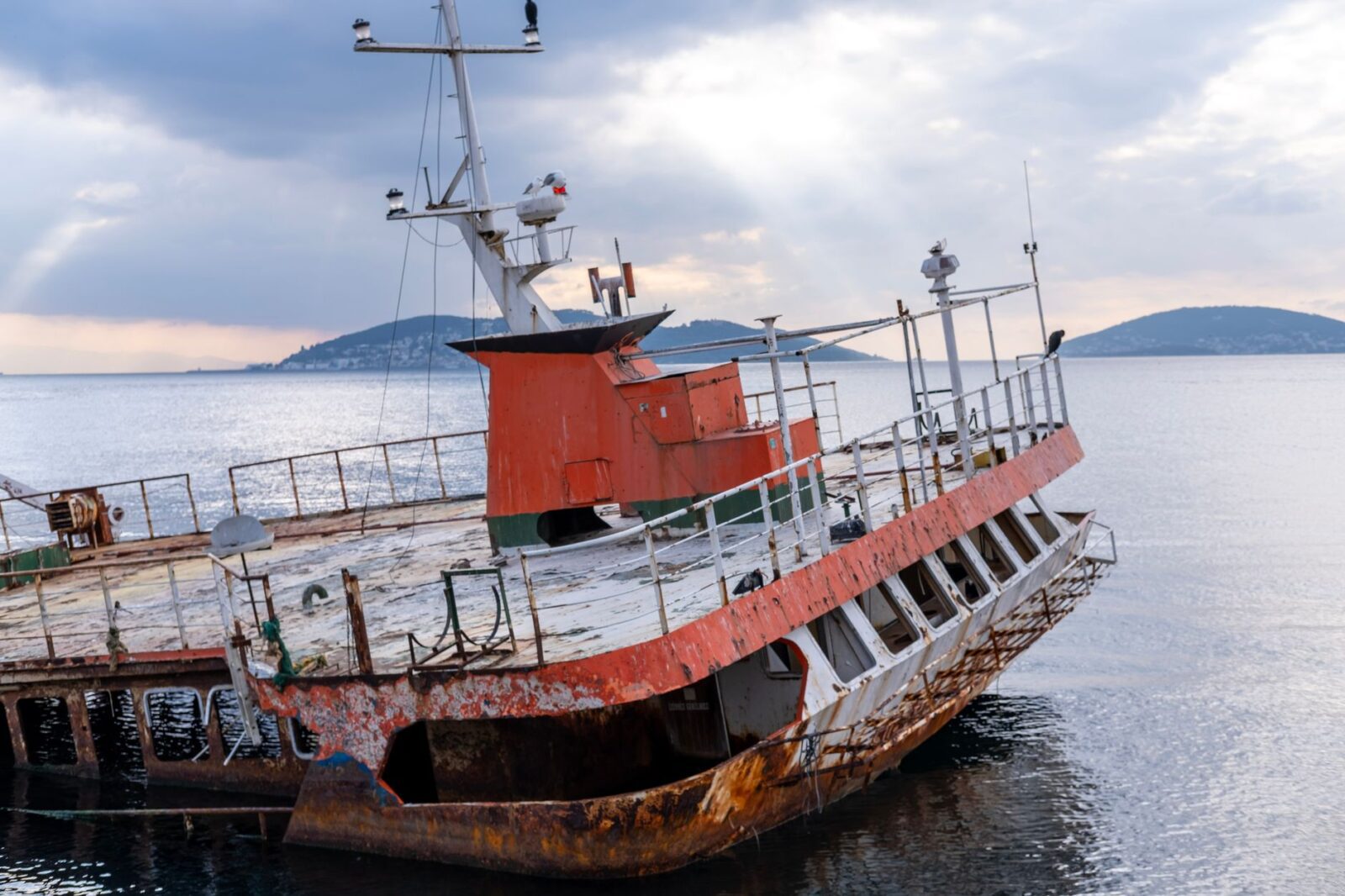
NOAA Says Disappearances Are No More Common Here
Perhaps the most authoritative voice on the matter comes from the U.S. National Oceanic and Atmospheric Administration (NOAA), which has studied oceanic phenomena for decades. In clear statements, NOAA has declared: ‘There is no evidence that mysterious disappearances occur with any greater frequency in the Bermuda Triangle than in any other large, well-traveled area of the ocean.’ This isn’t speculation — it’s based on decades of incident data, shipping logs, and aviation records.
When researchers adjust for the sheer volume of traffic through the region — it’s one of the busiest shipping lanes in the world, connecting ports in the Americas, Europe, and the Caribbean — the incident rate actually falls within or below expected norms. Think of it like worrying about car accidents on a specific stretch of highway: if millions of cars drive that route every year with only a handful of crashes, it’s not particularly dangerous, even if those few accidents get lots of attention.
This data-driven perspective doesn’t make individual tragedies any less sad, but it does help separate myth from statistics. For travelers, it means you’re statistically no more likely to encounter trouble flying over or sailing through this area than you are on similar routes elsewhere. The next time you book a cruise to the Bahamas or a flight to Puerto Rico, you can do so knowing that the Bermuda Triangle’s reputation far outweighs its actual risk profile.
Rogue Waves May Explain Sudden Vanishings
One of the most compelling scientific explanations for sudden disappearances involves rogue waves — massive, unexpected walls of water that can appear seemingly out of nowhere. These aren’t tsunamis caused by earthquakes; they’re formed when ocean currents and winds conspire to stack waves on top of each other, creating a single enormous crest that can reach heights of 100 feet or more. The Bermuda Triangle region, where the Gulf Stream interacts with complex weather patterns, is particularly prone to these phenomena.
Imagine a ship sailing calmly along when, in a matter of seconds, it’s confronted with a wall of water taller than a ten-story building. Even modern vessels can be overwhelmed by such force — the impact can snap off superstructures, flood engines, or capsize the ship entirely. What makes rogue waves especially dangerous is their unpredictability and speed; they can form and dissipate within minutes, leaving little time for distress calls. Survivors of such encounters often describe a sensation of the sea ‘rearing up’ like a wall.
Historical accounts of ships suddenly vanishing without debris or oil slicks align well with what we know about rogue wave impacts — a powerful enough strike could break a vessel apart so quickly that it sinks before significant wreckage floats to the surface. While we can’t prove this caused every disappearance, oceanographers now recognize rogue waves as a genuine hazard in many parts of the world’s oceans, not just the Bermuda Triangle. Modern ships are better designed to withstand such forces, but respect for the ocean’s power remains essential.
Methane Gas Bubbles Could Sink Ships Instantly
Another scientifically plausible theory involves methane hydrates — frozen deposits of natural gas trapped beneath the ocean floor. Under certain conditions, these deposits can destabilize and release massive bubbles of methane gas that rise to the surface. If a ship happens to be above one of these erupting plumes, the water around it can suddenly lose its buoyancy, effectively turning the sea into a frothy mixture that can’t support the vessel’s weight.
In laboratory experiments, researchers have demonstrated that methane bubbles can indeed cause a model ship to lose buoyancy and sink rapidly. The effect is similar to what happens when you shake a carbonated drink — the gas disrupts the liquid’s ability to hold up objects. In the ocean, a large enough methane release could create a zone of reduced water density extending tens of meters in diameter, enough to swallow a ship whole before it could react.
While no direct evidence links a specific disappearance to a methane eruption, the Bermuda Triangle region does sit near areas where such hydrate deposits are known to exist. The theory gains plausibility when we consider that a sudden loss of buoyancy would explain why some vessels vanish so quickly — no time for distress calls, little debris left behind. For travelers, this isn’t a reason to avoid cruises; it’s a reminder of the ocean’s hidden complexities and why maritime safety protocols exist.
Compass Variations Are Normal, Not Mysterious
One of the most persistent Bermuda Triangle myths involves compasses going haywire, leading ships and planes fatally off course. While it’s true that the region sits near the agonic line — where true north and magnetic north align — this doesn’t cause mysterious malfunctions. In fact, compass variation (the difference between magnetic and true north) is a normal navigational factor that pilots and sailors have accounted for centuries using updated charts and adjustment techniques.
What makes the Bermuda Triangle special in this regard is that it’s one of the few places on Earth where, at certain times, a compass will point exactly to true north rather than magnetic north. But this isn’t a malfunction — it’s a predictable geographic quirk. Navigators simply subtract or add the known variation (which changes slowly over time) to get accurate readings. Modern GPS systems have largely made this concern obsolete, though understanding magnetic variation remains part of basic training.
The idea that compasses ‘spin wildly’ or reverse direction in the Triangle comes more from fiction than fact. Magnetic anomalies strong enough to overwhelm a compass would require massive underground mineral deposits or unusual geological features — none of which have been found in the region at scale. For today’s travelers using smartphones or GPS devices, compass errors are rarely a concern, and even traditional navigation remains reliable when proper procedures are followed.
Human Error Accounts for Most Incidents
When you look beyond the sensational headlines and examine official accident reports, a clear pattern emerges: the vast majority of disappearances in the Bermuda Triangle region can be traced to very human causes. Poor weather judgment, inadequate vessel maintenance, insufficient fuel planning, navigational mistakes, and pilot disorientation due to fatigue or stress appear far more frequently in investigations than any unexplained phenomenon.
Take the case of the SS Marine Sulphur Queen, a tanker that vanished in 1963 with 39 crew members. Later investigation revealed serious maintenance issues, including known problems with the ship’s weak hull design for carrying heated sulfur. The vessel was essentially sailing with a known structural vulnerability — a tragedy waiting to happen in rough seas. Similar stories repeat across decades: corner-cutting, pressure to maintain schedules, and underestimation of oceanic risks.
This doesn’t diminish the loss of life involved, but it does shift the focus from mystical explanations to preventable factors. For modern travelers, it’s actually reassuring: it means safety isn’t about avoiding some cursed zone, but about choosing reputable operators, checking weather forecasts, and respecting maritime and aviation safety standards. The Bermuda Triangle legend persists partly because it’s easier to blame the unknown than to admit that sometimes, we fail to prepare adequately.
The Legend Was Largely Manufactured by Authors
While strange stories about the area date back to Christopher Columbus’s journals (where he noted odd compass readings and strange lights), the modern Bermuda Triangle myth as we know it was largely created by a handful of authors in the mid-20th century. Charles Berlitz’s 1974 book ‘The Bermuda Triangle’ became a bestseller, selling millions of copies and cementing the idea of a paranormal danger zone in the public consciousness. Berlitz wove together selective incidents, exaggerated details, and outright fabrications to create a compelling narrative.
Subsequent authors built on this foundation, adding layers of speculation about Atlantis, alien bases, and time vortices. What many readers didn’t realize was that Berlitz and others often omitted crucial context — like the fact that many ‘mysterious’ disappearances occurred during storms or involved vessels already in poor condition. One famous case Berlitz cited as a Triangle mystery was later proven to have happened off Daytona Beach, Florida, in full view of hundreds of witnesses.
This isn’t to say the ocean isn’t dangerous — it absolutely is, and respect for its power is essential. But the Bermuda Triangle’s fame says more about human storytelling tendencies than about oceanic hazards. We’re drawn to mysteries, especially those that suggest hidden forces beyond our understanding. For travelers aware of this history, the legend becomes less a source of fear and more a fascinating case study in how myths spread — and why critical thinking matters, even when on vacation.
GPS and Satellite Tracking Made the Mystery Fade
One of the most telling developments in the Bermuda Triangle story isn’t a scientific discovery — it’s technological advancement. As satellite navigation, GPS, and real-time tracking became standard in aviation and maritime operations from the 1990s onward, the number of reported ‘mysterious’ disappearances in the region dropped dramatically. This correlation strongly suggests that many past incidents were due to limited tracking capabilities rather than supernatural forces.
In the era before reliable GPS, a plane or ship could go off course due to navigational error, bad weather, or equipment failure, and then vanish from search areas simply because rescuers had no precise idea where to look. Vast ocean searches might yield nothing not because the vessel vanished into thin air, but because it sank miles outside the predicted search zone. Today, with constant satellite pings and automated distress signals, search and rescue teams can pinpoint locations within minutes — dramatically reducing the chance of true ‘disappearances.’
This technological shift explains why the Bermuda Triangle mystery feels less urgent today than it did in the 1970s. It’s not that the ocean became less dangerous — it’s that we got better at finding things when they go wrong. For modern travelers, this is tremendous news: whether you’re flying over the Atlantic or sailing between islands, you’re benefiting from layers of safety technology that simply didn’t exist when the legend was at its peak. The ocean still demands respect, but we’re far better equipped to handle its challenges.
Practical Takeaways for Travelers
If you’re planning a trip that involves crossing through the Bermuda Triangle region — whether it’s a cruise to the Bahamas, a flight to Puerto Rico, or a sailing adventure in the Caribbean — the good news is that you don’t need special precautions beyond standard travel safety. Choose reputable airlines and cruise lines with strong safety records, check weather forecasts before departure, and listen to safety briefings. The ocean demands respect everywhere, not just in one legendary zone.
More importantly, approach the Bermuda Triangle legend with curiosity rather than fear. It’s a fascinating case study in how stories grow, how humans seek patterns in randomness, and why critical thinking matters — even on vacation. Share the fun facts with fellow travelers, but also share the context: that science, statistics, and technology have largely demystified the myths. The real wonder isn’t in imagined vortexes or alien bases — it’s in the ocean’s genuine power, the skill of those who navigate it, and our ability to explore it safely.
Finally, remember that some of the best travel experiences happen in areas once considered mysterious or dangerous. The Caribbean islands, Bermuda itself, and the Florida coast offer incredible culture, food, and natural beauty. Don’t let a legend keep you from experiencing real wonders. The next time you’re flying south or setting sail, take a moment to appreciate that you’re crossing through one of the most studied regions on Earth — and emerging with nothing more exciting than a great vacation story.
Stay informed with the latest travel news, visa updates, and destination guides. Follow HimalayanCrest.com for weekly travel intelligence delivered by our editorial team.