

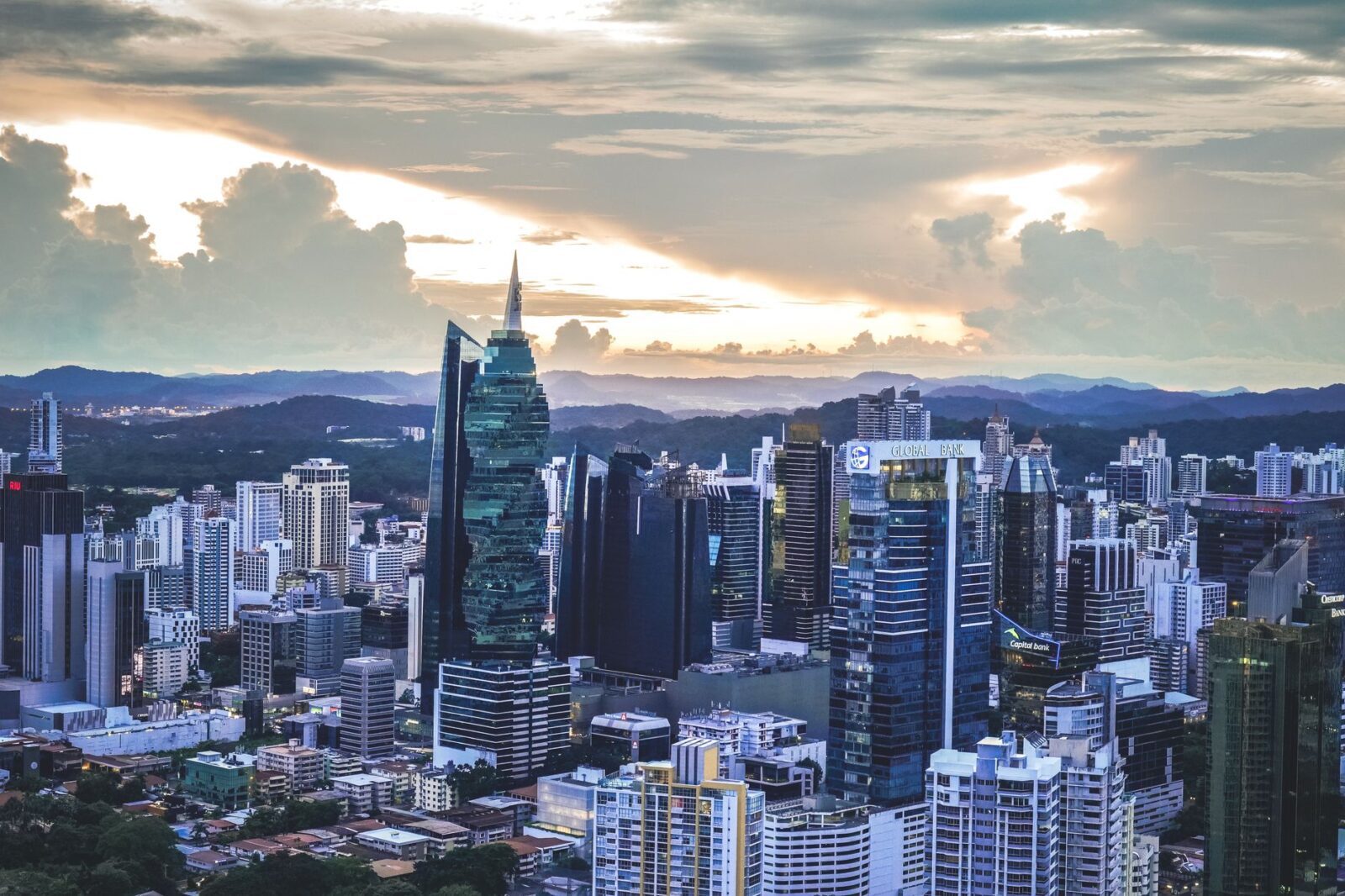
Why Panama’s Pensionado Visa Stands Out in 2026
For retirees dreaming of a tropical lifestyle without draining their savings, Panama offers a clear path. The Pensionado visa grants permanent residency to anyone who can prove a steady monthly income of at least $1,000. This threshold is far lower than many competing retirement programs in Europe or Asia.
Our research shows that the combination of low income requirements, immediate residency, and a suite of discounts makes Panama one of the most accessible options for North American and European retirees. The program has been running steadily since 1987, proving its durability through shifting economic tides.
Beyond the paperwork, life in Panama feels welcoming. English is widely spoken in business and tourism sectors, and the official currency is the U.S. dollar, eliminating exchange‑rate worries for American pensioners.
The Legal Foundations: How Law 6 of 1987 Created a Retiree Haven
The Pensionado visa traces its roots to Law 6 of 1987, a piece of legislation designed to attract foreign retirees with guaranteed benefits. The law mandates a range of discounts across utilities, entertainment, healthcare, and more, all legally enforceable for visa holders.
Unlike many ad‑hoc incentive schemes, these benefits are written into national law, meaning they cannot be revoked by a change of administration. This legal backing gives retirees confidence that the perks will persist for the duration of their stay.
Over the decades, the program has been refined but never weakened. Updates have clarified documentation requirements and added modest procedural efficiencies, while preserving the core income threshold and discount structure.
Meeting the Income Requirement: $1,000 Monthly Path and the Home‑Purchase Option
The standard route demands proof of a lifelong pension or Social Security payment of at least $1,000 per month. Accepted sources include government pensions, corporate retirement plans, and U.S. Social Security benefits. Income drawn from personal savings does not qualify.
For those who prefer to invest in property, Panama offers an alternative: purchase a home valued at $100,000 or more, and the required monthly income drops to $750. This option appeals to retirees who want to lock in housing costs while reducing the cash‑flow test.
Adding dependents increases the monthly obligation by $250 per spouse or child. A couple relying on two Social Security checks could comfortably meet the baseline, while a single applicant with a modest pension might need the property‑purchase route to qualify.
The Full Suite of Discounts: From Utilities to Healthcare
Once approved, Pensionado holders receive a catalog of legally guaranteed discounts. Utility bills for electricity and water are reduced by 25 percent, a meaningful saving in a tropical climate where air conditioning runs frequently.
Entertainment enjoys a 50 percent cut on movie tickets, theater performances, and sporting events. Personal loans from local banks carry a 15 percent interest‑rate reduction, easing any financing needed for home improvements or vehicle purchases.
Healthcare benefits are especially valuable. Medications are discounted by 10 percent, dental and eye exams by 15 percent, doctor’s bills by 20 percent, and hospital treatment by 15 percent when not covered by insurance. These savings stack with Panama’s already low medical costs compared to the United States.
In addition, visa holders are exempt from import taxes on household goods brought into the country. This exemption also applies to a new imported car for personal use every two years, a perk that many retirees use to bring a reliable vehicle from abroad.
Living Costs Compared: What Your Pension Buys in Panama City and Beyond
Even without discounts, the cost of living in Panama remains attractive. A comfortable lifestyle in Panama City ranges from $1,700 to $3,000 per month, covering rent, groceries, transportation, and leisure. Outside the capital, expenses drop further; mountain towns like Boquete and coastal areas such as Bocas del Toro often see monthly budgets under $1,500.
Our analysis of grocery prices shows that a typical basket of fresh produce, dairy, and staples costs roughly 30 percent less than in Miami. Eating out at a mid‑range restaurant averages $8 to $12 per meal, while a local beer is often under $1.50.
Transportation is another area of savings. Public buses and the Metro in Panama City charge under $0.35 per ride, and ride‑hailing services remain competitively priced. For those who prefer to drive, gasoline prices hover around $0.90 per liter, lower than the U.S. average.
Tax Benefits and Financial Perks for Expats
Panama operates a territorial tax system, meaning only income earned within the country is subject to local taxation. Foreign pensions, Social Security payments, and investment income sourced abroad are exempt from Panamanian income tax.
This tax treatment allows retirees to receive their full pension amount without worrying about local levies, effectively increasing disposable income. There is also no wealth tax, inheritance tax, or capital gains tax on foreign‑source assets.
For retirees who eventually decide to work part‑time or start a small business, any income generated inside Panama will be taxed at progressive rates, but the initial pension remains untouched. Many expats appreciate this clarity when planning long‑term finances.
Step‑by‑Step: Applying for the Pensionado Visa Today
The application process begins with gathering three core documents: a certified letter confirming the amount and duration of your pension, a recent medical certificate, and a clean police record from your home country. All documents must be translated into Spanish by an authorized translator.
Once the paperwork is ready, applicants submit it to the National Immigration Service either in Panama City or through a Panamanian consulate abroad. The consular route can be convenient for those who prefer to complete the process before relocating.
Processing times typically range from 30 to 60 days when the file is complete. Upon approval, the visa holder receives a permanent residency card, which is valid indefinitely as long as the income requirement continues to be met.
Fees are modest: the government processing fee is around $250, plus legal or translation costs that may add $200 to $400 depending on the service provider. There are no recurring renewal fees, making the visa a true lifetime benefit.
FAQ: Quick Answers to the Most Common Retiree Queries
Can I use income from a 401(k) or IRA to meet the $1,000 requirement?
No. The Pensionado visa specifically excludes withdrawals from personal savings accounts, including 401(k)s, IRAs, or similar retirement funds. The income must come from a guaranteed lifelong source such as a government pension, corporate pension plan, or Social Security.
Is it possible to work in Panama while holding a Pensionado visa?
Yes. Visa holders are permitted to engage in employment or start a business. Any income earned inside Panama will be subject to local income tax, but the foreign pension that qualified you for the visa remains tax‑free under the territorial system.
How does the healthcare discount interact with private insurance?
The discounts apply to the out‑of‑pocket portion of medical bills. If you have private insurance that covers a percentage of costs, the discount is calculated on the amount you would otherwise pay. Many retirees find that combining insurance with the Pensionado discounts reduces their net medical expenses dramatically.
Are there any age limits for applicants?
There is no upper age limit. The program is open to retirees of any age who can satisfy the income or property‑purchase criteria. Younger applicants sometimes use the visa as a long‑term residency option while continuing to work remotely.
What happens if my pension amount drops below the threshold after approval?
If your qualifying income falls below the required level, you must either supplement it with another accepted source or explore the home‑purchase alternative. Failure to maintain the threshold could jeopardize your residency status, so many retirees keep a modest buffer in their monthly budget.
Stay informed with the latest travel news, visa updates, and destination guides. Follow HimalayanCrest.com for weekly travel intelligence delivered by our editorial team.