

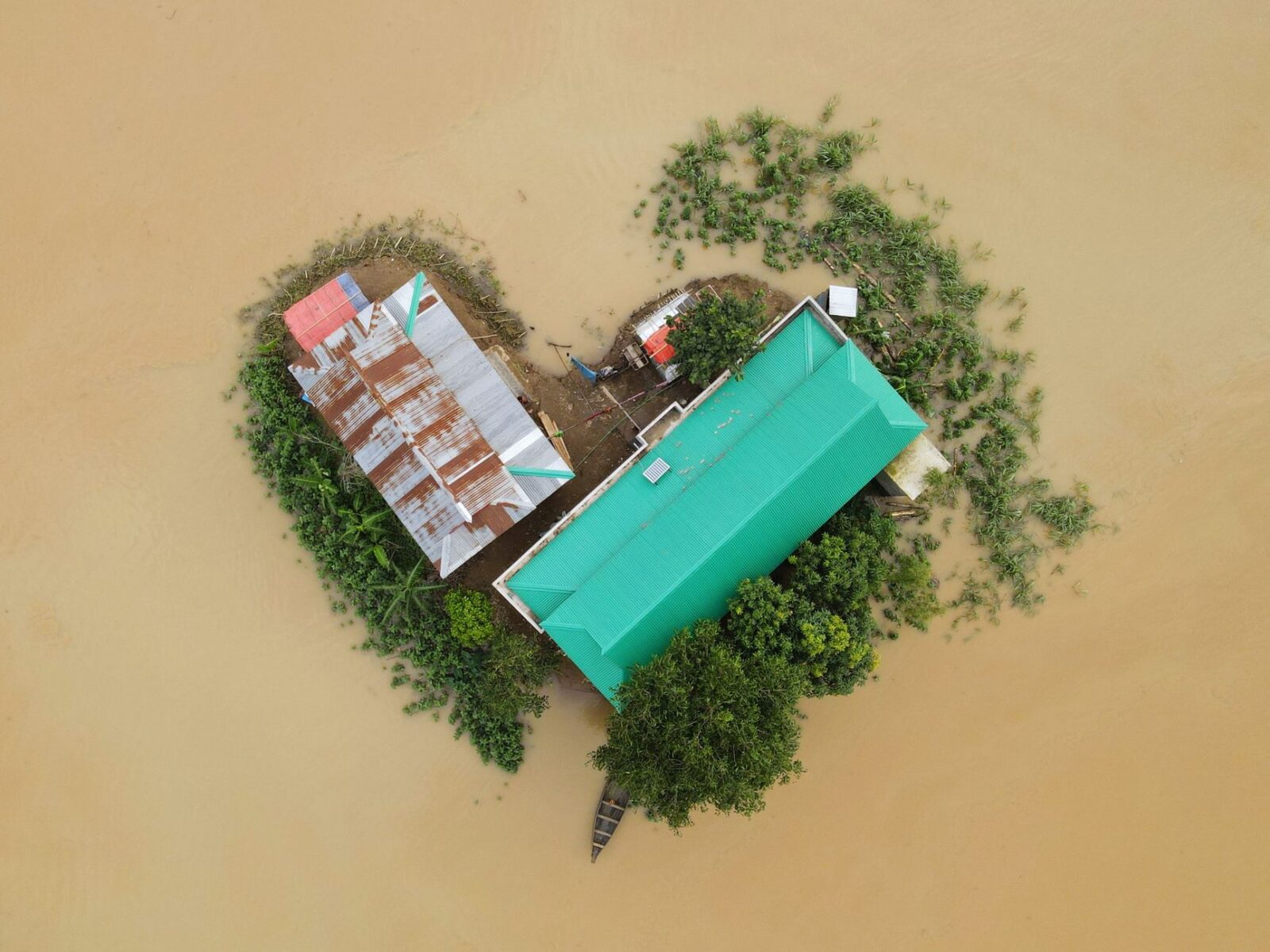
UK Sends Rapid Response Team to Nepal After Deadly Border Floods
On 28 August 2026 the British government announced the deployment of a Rapid Deployment Team (RDT) to Nepal to assist British nationals caught in severe flooding along the Nepal‑China border. The team, made up of specially trained crisis‑response volunteers, is scheduled to arrive in Kathmandu on 29 August 2026, just one day after the announcement. Their mission is to work alongside staff at the British Embassy in Kathmandu and local Nepali authorities to provide consular support, coordinate evacuation logistics, and help families in the United Kingdom locate missing relatives. This move comes as flash floods triggered by glacial melt have caused widespread destruction, displacing thousands and cutting off vital transport routes.
Composition and Mandate of the Team
The Rapid Deployment Team consists of consular officers, logistics experts, and communications specialists who have undergone specific training for overseas emergencies. Their mandate includes setting up help desks at Tribhuvan International Airport, providing information on flight availability, assisting with the issuance of emergency travel documents, and liaising with Nepali rescue teams. In addition, the team will maintain a dedicated hotline for British families in the UK who are anxious about loved ones in the affected zones. By reinforcing existing embassy staff, the RDT aims to reduce response times and ensure that every British national receives timely assistance.
Humanitarian Aid Package Accompanies the Deployment
Alongside the personnel surge, the United Kingdom has pledged a £5 million humanitarian support package for flood relief and recovery in Nepal. This funding will be channelled through established international partners, including the Start Fund Nepal, to deliver immediate necessities such as food, clean water, medical supplies, and shelter materials. A separate allocation of £400 000 has been earmarked for rapid‑response health and protection services targeting the most vulnerable communities. The combined financial and human resources underscore the UK’s commitment to a comprehensive response that addresses both immediate consular needs and longer‑term reconstruction.
Step‑by‑Step Guidance for Affected British Nationals
If you are a British citizen currently in Nepal or planning travel to the region, the following actions are recommended:
- Contact the British Embassy in Kathmandu immediately via the 24‑hour emergency line: +977 1‑400‑4000 (available from any phone).
- Register your presence with the Embassy’s online portal at ukinthehimalayas.fco.gov.uk to ensure you receive updates and can be located quickly.
- Keep a copy of your passport, visa, and any travel insurance documents in a secure, waterproof location; consider storing digital copies on a cloud service accessible from any device.
- Monitor local news and weather alerts through the Nepal Department of Hydrology and Meteorology (dhM.gov.np) and follow instructions from Nepali authorities regarding evacuation routes and shelter locations.
- If you need an emergency travel document or assistance with flight re‑booking, visit the consular help desk set up at Tribhuvan International Airport; the Rapid Deployment Team will be stationed there to expedite processing.
- Stay in touch with family in the UK and advise them to call the Foreign, Commonwealth & Development Office’s consular hotline at 020 7008 1500 for updates on your situation.

Impact on Travelers, Expats, Investors and Digital Nomads
The flood‑related consular response primarily assists British nationals, but its ripple effects affect several traveler categories:
Short‑Term Tourists
Visitors on holiday whose itineraries include trekking routes near the border (such as the Everest region or the Kali Gandaki valley) may face flight cancellations or road closures. The Rapid Deployment Team’s airport assistance helps stranded tourists re‑book flights or obtain emergency travel documents, reducing the risk of extended stays and unexpected expenses.
Expatriate Workers
British professionals employed by NGOs, hydropower projects, or tourism enterprises in eastern Nepal rely on stable access to banking and medical facilities. The embassy’s liaison with local authorities aims to restore essential services quickly, allowing expatriates to resume work or arrange safe repatriation if necessary.
Investors and Business Owners
Those with stakes in Nepalese infrastructure, hospitality, or renewable energy projects should monitor the UK’s £5 million aid allocation, as portions may be directed toward rebuilding damaged assets. The British Embassy can facilitate communication with Nepali regulatory bodies to expedite insurance claims and government permits for reconstruction.
Digital Nomads and Remote Workers
Individuals relying on coworking spaces or reliable internet in Kathmandu or Pokhara may experience temporary disruptions. The consular team can provide information on alternative connectivity options and advise on temporary relocation to less‑affected cities while maintaining visa status.
How Other Nations Respond to Similar Crises
Comparing the UK’s approach with that of other countries offers useful context for travelers:
Australia
During the 2022 floods in Pakistan, Australia dispatched a consular assistance team to Islamabad and provided AU$10 million in humanitarian aid. Their model similarly combined on‑the‑ground staff with financial support, though the Australian team focused more on issuing emergency travel documents than on airport logistics.
United States
Following the 2021 earthquake in Haiti, the US State Department deployed a Disaster Assistance Response Team (DART) that included medical engineers and logistics officers. The DART worked closely with USAID to deliver shelter kits, while the consular section assisted American citizens with evacuation flights.
India
When floods hit Bangladesh in 2020, India’s Ministry of External Affairs sent a rapid response team to Dhaka and offered ₹500 crore in relief. The Indian effort emphasized coordination with local disaster management authorities and the provision of medical camps.
These examples show that while the core elements—personnel deployment, financial aid, and consular hotlines—are common, the UK’s current operation places a distinct emphasis on airport‑based help desks and direct liaison with Nepali emergency responders.

Future Outlook and Preparedness Measures
Looking ahead, the British government is reviewing its overseas crisis response framework to improve speed and scalability. Lessons from the Nepal floods will inform updates to the Rapid Deployment Team’s training curriculum, particularly regarding mountain‑region logistics and cross‑border communication. Travelers are encouraged to:
- Enroll in the UK’s foreign travel advice service to receive real‑time alerts for destinations they plan to visit.
- Consider purchasing travel insurance that includes coverage for natural disasters and emergency evacuation.
- Maintain a digital emergency kit containing scanned passport, insurance policy, and a list of embassy contacts.
By taking these precautions, British nationals can mitigate the impact of unforeseen events while still enjoying the rich cultural and natural offerings of countries like Nepal.
Frequently Asked Questions
1. What should I do if I am a British citizen currently in the flooded area?
Contact the British Embassy’s emergency line immediately, register your details online, and follow the instructions of local authorities. The Rapid Deployment Team at the airport can assist with emergency travel documents and flight re‑booking if needed.
2. How can family members in the UK get updates about a loved one in Nepal?
Family members should call the Foreign, Commonwealth & Development Office consular hotline at 020 7008 1500. They can also email the Embassy’s consular section using the address listed on ukinthehimalayas.fco.gov.uk for non‑urgent inquiries.
3. Will the £5 million aid package affect my travel insurance claim?
The humanitarian funding is separate from private insurance policies. However, receipt of UK aid may expedite local repair and reconstruction efforts, which could indirectly support claims related to property damage or trip interruption. Keep all receipts and documentation for your insurer.
4. Are there any changes to visa requirements for British nationals visiting Nepal after the floods?
As of the announcement, there have been no alterations to Nepal’s visa policy for British citizens. Standard tourist visas (valid for up to 90 days) remain available on arrival or via the online e‑visa system. Travelers should still verify entry requirements on the Nepal Embassy in the UK website before departure.
5. How long will the Rapid Deployment Team remain in Nepal?
The team’s initial deployment is for a period of two weeks, with the possibility of extension depending on the evolving situation and the needs of British nationals. The British Embassy will continue to operate its regular consular services throughout and after the RDT’s mission.
Stay informed with the latest travel news, visa updates, and destination guides. Follow HimalayanCrest.com for weekly travel intelligence delivered by our editorial team.