

Stay in a Five-Star Thai Resort for Less Than $100 a Night
FinanceBuzz highlighted that in Thailand, travelers can book five‑star beachfront resorts for under $100 per night in 2026, a rate that would barely cover a mid‑range hotel in many Western countries. This affordability stems from the Thai baht’s sustained weakness against the dollar, which has hovered around 35 baht to one USD for much of the year. The country’s tourism‑driven economy keeps prices competitive, especially outside the peak high‑season months of December and February.
Beyond hotels, street food stalls serve iconic dishes like pad thai or mango sticky rice for less than $2, and a tuk‑tuk ride across Bangkok’s historic districts often costs under $1.50. For travelers seeking luxury without the luxury price tag, Thailand offers spa treatments, private yacht charters, and guided temple tours at a fraction of what similar experiences would cost in Europe or the United States. The combination of low costs, warm hospitality, and world‑class attractions makes Thailand a perennial favorite for dollar‑stretching adventures.
Live Like a Local in Lisbon Where Groceries Cost Less Than in New York
According to faurit.com, Portugal’s stagnating economy has kept the cost of living noticeably lower than in the United States, even though the country uses the euro. Basic grocery items such as bread, milk, and fresh produce regularly price 20‑30% below comparable U.S. averages, and dining out in a traditional tasca can be enjoyed for under $10 per person. This price advantage extends to housing, where long‑term rentals in Lisbon’s historic neighborhoods remain far more affordable than comparable apartments in major U.S. cities.
The favorable exchange rate also means that U.S. visitors find their dollars go further when paying for cultural experiences. Museum entries, tram rides, and fado night performances often cost less than $5 each. With a mild climate, stunning Atlantic coastline, and a rich maritime history, Portugal offers a European getaway that feels luxurious without the typical European price tag, making it a top pick for budget‑conscious travelers in 2026.
Explore Poland’s Historic Cities Without Breaking the Bank
Frommer’s 2026 City Costs Barometer ranked Warsaw 12th, Krakow 13th, and Gdansk 15th among Europe’s most affordable places, a testament to the country’s strong value proposition for U.S. travelers. The Polish złoty has remained relatively weak against the dollar, allowing visitors to enjoy hearty meals of pierogi or bigos for under $4, and a night in a well‑rated three‑star hotel often costs less than $50. Public transportation in these cities is efficient and inexpensive, with a single tram ticket priced at roughly $0.70.
Beyond affordability, Poland’s rich history offers countless free or low‑cost attractions. Walking the Royal Route in Krakow, exploring the rebuilt Old Town of Warsaw after World War II, or strolling along the Motława River in Gdansk costs nothing but time. Museums frequently offer discounted or free entry on certain days, and the country’s vibrant cultural scene—ranging from jazz clubs to folk festivals—provides entertainment that won’t drain a traveler’s wallet. For those seeking a European adventure that balances culture, history, and low costs, Poland stands out in 2026.
Feast on Street Food in Vietnam for Under $2 a Meal
Our research shows that Vietnam continues to rank among the top destinations where the U.S. dollar buys the most, a position reinforced by BootsnAll’s August 2026 analysis. A typical lunch of pho, bánh mì, or gỏi cuốn from a street vendor regularly costs between $1 and $2, while a filling dinner of grilled fish with rice and vegetables can be had for under $3. Accommodations in hostels or budget guesthouses often start at $8 per night in major cities like Hanoi and Ho Chi Minh City, and even private rooms in three‑star hotels rarely exceed $25.
The low cost of living is driven by Vietnam’s rapidly growing manufacturing sector and a favorable exchange rate that keeps the Vietnamese dong weak relative to the dollar. Travelers can also enjoy inexpensive adventures such as a half‑day cruise in Ha Long Bay for roughly $15, a guided tour of the Cu Chi Tunnels for under $10, or a motorbike rental for about $6 per day. With its delicious cuisine, stunning landscapes, and welcoming locals, Vietnam offers an immersive experience that feels luxurious despite the modest budget.
Enjoy All‑Inclusive Mexican Resorts for Under $80 Per Night
BootsnAll’s 2026 scorecard highlighted Mexico as a standout destination where the dollar’s purchasing power remains strong, particularly in the Yucatán Peninsula and along the Pacific coast. Many all‑inclusive resorts in destinations like Cancún, Playa del Carmen, and Puerto Vallarta advertise nightly rates that include meals, drinks, and activities for under $80 per person. This pricing allows families and couples to enjoy beachfront luxury, multiple dining options, and water sports without the sticker shock commonly associated with Caribbean resorts.
Beyond the resort grounds, Mexico’s rich cultural heritage offers countless low‑cost excursions. Visiting the ancient Mayan ruins of Chichen Itza or Tulum typically costs under $25 for entry and a guided tour, while a day trip to a cenote for swimming and snorkeling can be arranged for roughly $15. Street tacos, fresh fruit juices, and local markets provide delicious meals for under $3, making it easy to explore the country’s vibrant flavors without overspending. For travelers seeking sun, sand, and savings, Mexico continues to deliver exceptional value in 2026.
Bali Villas Offer Luxury at Half the Price of Caribbean Resorts
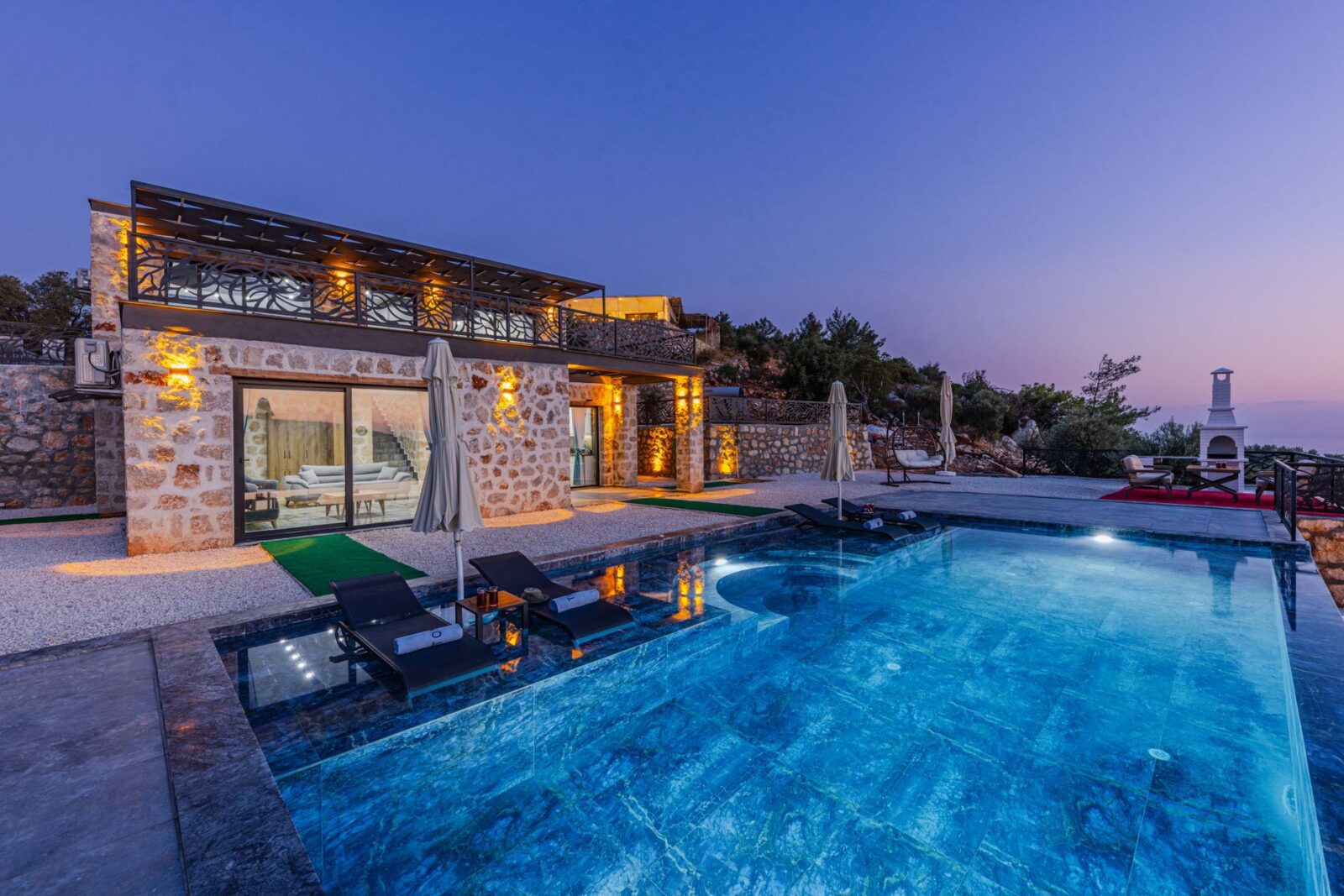
The luxury‑travel focus piece from TimeForYourVacation noted that Indonesia, especially Bali, provides high‑end experiences at a fraction of the cost found in traditional Caribbean luxury markets. Private villas with infinity pools, daily housekeeping, and a personal chef can be booked for $150‑$200 per night in 2026, whereas comparable beachfront estates in Barbados or the Bahamas often exceed $400. The Indonesian rupiah’s exchange rate, which has favored the dollar throughout the year, makes these upscale accommodations surprisingly accessible.
Beyond the villa experience, Bali’s cultural offerings add tremendous value. A traditional Balinese massage typically costs $10‑$15, a sunrise trek up Mount Batur with a guide is around $25, and a dinner of fresh seafood at a beachfront warung can be enjoyed for under $12. The island’s world‑class surf spots, verdant rice terraces, and vibrant arts scene ensure that travelers receive a rich, multifaceted vacation without the premium price tag. For those who dream of a tropical paradise that feels exclusive yet affordable, Bali stands out in 2026.
South Africa’s Safari Lodges Deliver Big‑Game Views for Under $120 a Night
BootsnAll’s analysis also pointed to South Africa as a destination where the dollar stretches far, particularly in the realm of wildlife tourism. Many safari lodges in Kruger National Park and surrounding private reserves offer all‑inclusive packages that include accommodation, meals, and two daily game drives for under $120 per person per night. This rate is dramatically lower than the $300‑$500 nightly fees commonly charged at comparable lodges in East Africa, making South Africa an attractive option for travelers seeking the Big Five on a budget.
Beyond the safari experience, South Africa’s diverse attractions provide additional value. A day trip to Cape Town’s Table Mountain, including the cable car ride, costs roughly $30, while a tour of the historic Robben Island prison is under $25. The country’s world‑renowned wine regions, such as Stellenbosch and Franschhoek, offer tastings and cellar tours for under $15. With its stunning landscapes, rich cultural tapestry, and favorable exchange rate, South Africa continues to be a top choice for dollar‑savvy adventurers in 2026.
Bulgaria’s Black Sea Coast Beats Mediterranean Prices
Our research indicates that Bulgaria remains one of Europe’s most affordable coastal destinations, a fact echoed in BootsnAll’s 2026 ranking. Along the Black Sea, sunny resorts such as Sunny Beach and Golden Sands offer beachfront hotels and apartments for as little as $30 per night in the shoulder season, a fraction of the $120‑$200 nightly rates seen at comparable spots in Spain or Italy. The Bulgarian lev’s exchange rate has stayed favorable to the dollar, keeping dining, entertainment, and transportation costs low.
Travelers can enjoy a full meal of fresh grilled fish, shopska salad, and a glass of local wine for under $10, while a day pass for unlimited public transport in Varna or Burgas costs roughly $1.50. The region also offers cultural attractions such as the ancient Nessebar UNESCO site, where entry is free, and the vibrant nightlife of Sunny Beach, which features clubs and bars with cover charges rarely exceeding $5. For those seeking a Mediterranean‑style beach vacation without the Mediterranean price tag, Bulgaria delivers impressive value in 2026.
Romania’s Transylvanian Castles Come With Budget‑Friendly Entry Fees
Romania’s appeal as a low‑cost European destination has been reinforced by multiple 2026 travel analyses, including the myglobalviewpoint breakdown of affordable destinations. The country’s leu has remained weak against the dollar, allowing visitors to explore iconic attractions such as Bran Castle (often associated with Dracula lore) for an entry fee of roughly $8, and the fortified city of Sighișoara for free wandering through its UNESCO‑listed streets. A hearty meal of sarmale (cabbage rolls) with mămăligă (polenta) and a pint of local beer typically costs under $7.
Accommodations also reflect this affordability. Boutique guesthouses in Transylvanian villages often rent for $20‑$30 per night, while three‑star hotels in cities like Cluj‑Napoca or Brașov average $40‑$50. Public transportation between major cities is efficient and inexpensive, with a train ride from Bucharest to Brasov costing around $12. With its dramatic Carpathian landscapes, medieval towns, and vibrant folk traditions, Romania offers a rich cultural experience that feels far more expensive than it actually is.
Georgia’s Wine Country Lets You Sip World‑Class Vintages for Under $10 a Glass
The Caucasus nation of Georgia has emerged as a standout value destination in 2026, a point highlighted in several regional travel reports. The Georgian lari’s exchange rate has favored the dollar, making wine tastings in the Kakheti region remarkably inexpensive. A glass of premium Saperavi or Rkatsiteli wine at a family‑run winery often costs under $10, and a full bottle can be purchased for $12‑$15—prices that would be considered bargain‑basement in many Western wine regions.
Beyond wine, Georgia’s travel costs remain low across the board. A traditional Georgian supper of khachapuri (cheese‑filled bread), khinkali (dumplings), and a local beer typically runs under $8, while a night in a comfortable guesthouse in Tbilisi or Kutaisi averages $25‑$35. The country’s stunning scenery—ranging from the snow‑capped Caucasus peaks to the lush vineyards of Kakheti—can be explored via affordable marshrutka (minibus) rides that cost less than $2 per segment. For travelers seeking a unique blend of ancient history, breathtaking nature, and exceptional value, Georgia delivers an unforgettable experience that won’t break the bank.
Practical Takeaways for Travelers
To make the most of your dollar in 2026, start by monitoring exchange rates a few weeks before your trip; even small shifts can significantly impact your budget. Consider using no‑foreign‑transaction‑fee credit cards or withdrawing cash from ATMs in local currency to avoid extra charges. Prioritize destinations where the cost of essentials—food, lodging, and transport—is demonstrably lower than in your home country, and look for accommodations that include meals or activities to lock in value.
Pack versatile clothing that suits both warm days and cooler evenings, especially if you plan to visit regions with varied climates like the Caucasus or Eastern Europe. Research free or discounted cultural days at museums and historic sites, and take advantage of local markets for fresh, affordable meals. Finally, keep a flexible itinerary; sometimes the best value comes from extending your stay in a place where your dollar goes further, allowing you to immerse yourself more deeply in the local culture without rushing.
FAQ
Which country offers the cheapest five‑star hotel rates in 2026?
Thailand consistently tops the list, with many five‑star resorts advertising nightly rates under $100, particularly outside the peak holiday season.
Is it safe to travel to the countries listed for budget travel?
All of the destinations highlighted—Thailand, Portugal, Poland, Vietnam, Mexico, Indonesia, South Africa, Bulgaria, Romania, and Georgia—are considered safe for tourists by major travel advisories. Standard precautions such as safeguarding belongings and staying aware of surroundings apply everywhere.
How can I find the best exchange rates before I travel?
Check reliable financial websites or your bank’s foreign‑exchange service a week before departure. Avoid exchanging money at airports or hotels, where rates are often less favorable; instead, use local ATMs or reputable currency‑exchange bureaus in city centers.
Are there any hidden costs I should watch out for?
While accommodation and food may be inexpensive, some destinations charge extra for park entry fees, guided tours, or specific activities (e.g., safari drives, wine tastings). Budgeting an additional 10‑15% for these experiences helps avoid surprises.
Can I use U.S. dollars directly in any of these countries?
Most countries prefer local currency for everyday transactions. A few tourist‑heavy areas in Mexico or Thailand may accept dollars, but you’ll usually receive a poorer exchange rate. It’s best to convert to the local currency for the best value.
Stay informed with the latest travel news, visa updates, and destination guides. Follow HimalayanCrest.com for weekly travel intelligence delivered by our editorial team.