

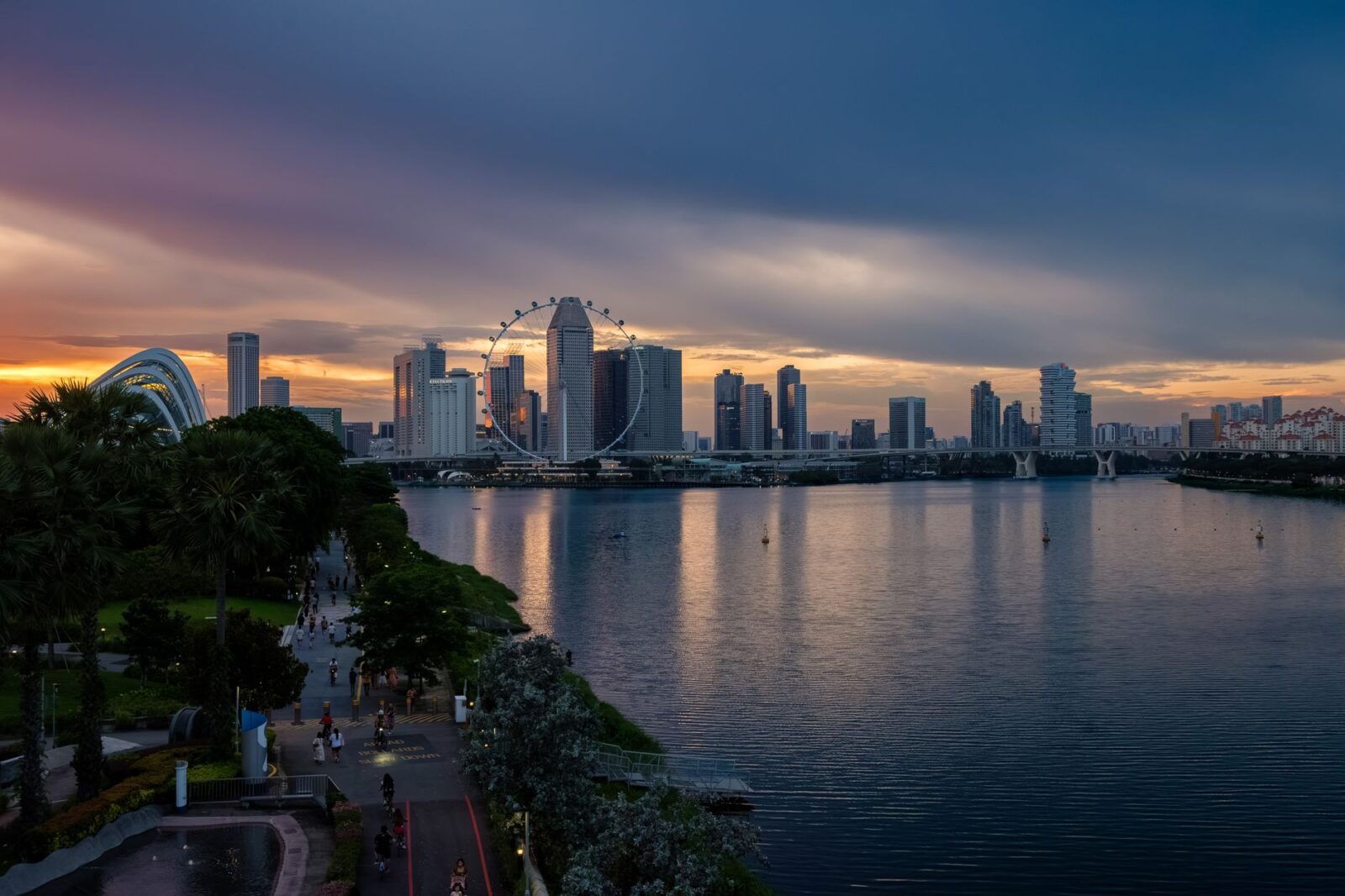
First Light in Singapore – Setting the Scene
The city greets you with a humid breeze that carries the scent of fried shallots and fresh ginger from a nearby hawker stall. Skyscrapers of glass and steel rise beside centuries‑old shophouses, their pastel façades painted in shades of teal and coral. As the sun climbs over the Marina Bay promenade, the water mirrors the skyline in a trembling ribbon of light, inviting you to step onto the boardwalk and feel the pulse of a nation that balances tradition with relentless innovation.
Every corner tells a story: a temple bell echoes from Chinatown, a call to prayer drifts from Kampong Glam’s Sultan Mosque, and the clatter of woks in a bustling market signals the start of another day of culinary adventure. The rhythm is fast yet orderly, the streets clean, the public transport seamless, and the friendliness of locals often surprises first‑time visitors who expect a purely corporate metropolis.
This guide is built for travelers who want to experience the highlights without feeling rushed, to savor both the iconic sights and the hidden neighborhoods where everyday life unfolds. Over the next three days you will walk through gardens that float above the city, sample dishes that have earned global acclaim, and discover why Singapore remains a magnet for culture, commerce, and curiosity in 2026.
Why Visit Singapore in Late 2026
Right now the island is alive with a series of seasonal celebrations that turn ordinary streets into festive venues. The Central Singapore Market, a roving heartland initiative organized by the Central Singapore CDC, pops up at locations such as Bishan Active Park and Zhongshan Park, offering fresh local produce, artisanal snacks, and live music every weekend through December 2026.
On the evening of September 27, 2026 the Supertree Grove Lawn hosts the Singapore Big Flag Championship, a vibrant display of synchronized flag‑waving teams accompanied by a traditional Dragon Dance performance that lights up the night with color and rhythm. Simultaneously, Gardens by the Bay is celebrating the Mid‑Autumn Festival with free entry to the Flower Dome until September 27, while Jurong Lake Gardens presents Lights by the Lake 2026, a lantern‑filled program featuring large‑scale installations, cultural workshops, and nightly performances.
Adding a playful touch, the beloved Bellygom character has taken over Waterway Point for a summer‑long celebration that runs until November 1, 2026. Families can enjoy photo booths, themed games, and limited‑edition merchandise, making the eastern waterfront a lively spot for both locals and tourists. These timely events give visitors a chance to experience Singapore’s multicultural spirit in real time, beyond the usual postcard attractions.
Timing Your Trip – Weather and Festivals Month by Month
Singapore’s climate is tropical, with temperatures hovering between 25°C and 31°C year‑round and humidity often exceeding 80%. Rainfall is abundant, but it follows two main monsoon periods: the Northeast Monsoon from November to January brings the heaviest showers, while the Southwest Monsoon from June to September tends to be slightly drier, though afternoon thunderstorms remain common.
February through April is generally considered the most comfortable window for outdoor exploration, with lower rainfall averages and plenty of sunshine. May and June see rising temperatures and occasional haze from regional fires, yet the city’s indoor attractions—museums, malls, and hawker centres—remain fully operational.
July to October brings a steady rhythm of festive occasions. The Great Singapore Sale typically runs from June to August, offering deep discounts across retail districts. September welcomes the Mid‑Autumn Festival, highlighted by lantern displays at Gardens by the Bay and Jurong Lake Gardens, while October often features the Singapore Food Festival, a city‑wide celebration of local and international cuisine.
If you prefer cooler evenings and fewer crowds, consider visiting in late January or early February, just after the peak of the Northeast Monsoon. Regardless of when you arrive, pack lightweight clothing, a compact umbrella, and a reusable water bottle to stay hydrated in the humid heat.
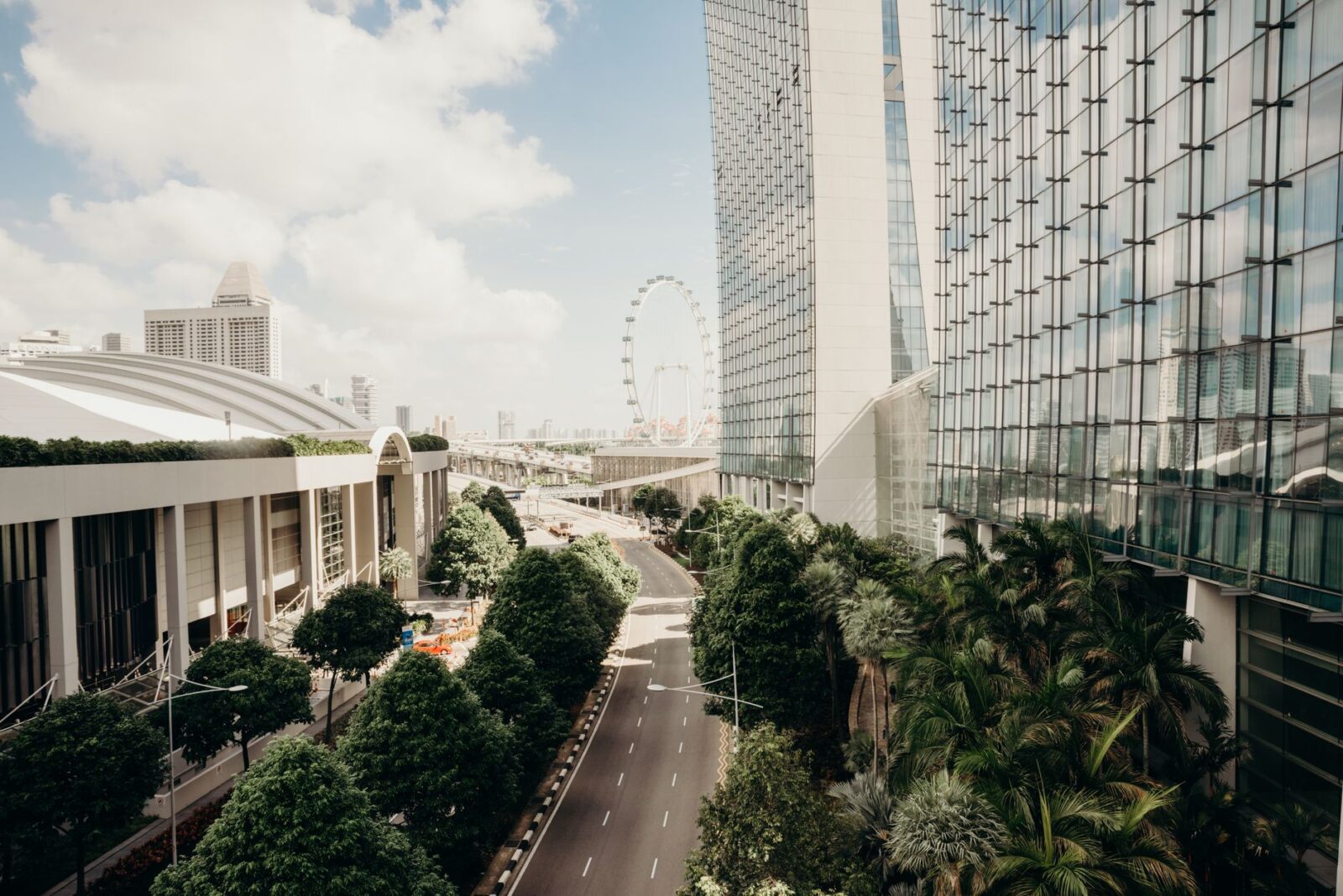
Where to Rest – Neighborhoods and Price Brackets
Budget travelers will find comfortable dormitory beds in well‑rated hostels for $30 to $50 per night, especially in areas like Little India, Chinatown, and Bugis. These neighborhoods place you within walking distance of MRT stations, hawker centres, and cultural sites, while still offering a lively street atmosphere.
Mid‑range options, ranging from $80 to $150 per night, include boutique hotels along Kampong Glam’s Arab Street, modern serviced apartments in Tiong Bahru, and established chains near Orchard Road. Here you gain amenities such as rooftop pools, fitness centres, and convenient access to both shopping belts and heritage trails.
Luxury seekers can expect to pay $200 and upward for five‑star properties along Marina Bay, Sentosa, or the historic Raffles Hotel. These establishments provide panoramic city views, spa facilities, fine‑dining restaurants, and direct links to attractions like the Marina Bay Sands SkyPark and the Gardens by the Bay conservatories.
Day One – Icons of the Bay and Sky
Marina Bay Sands and the SkyPark
Begin your morning at the Marina Bay Sands complex, where the lotus‑shaped ArtScience Museum hosts rotating exhibitions that blend technology, art, and science. Allocate about two hours to explore the current showcase, then walk across the Helix Bridge to the Marina Bay promenade for panoramic views of the waterfront.
By midday, head up to the Sands SkyPark Observation Deck, perched 200 meters above ground. The ticket costs approximately $26 for adults, and the 360‑degree vista sweeps over the harbor, the Supertree Grove, and the distant islands of Sentosa. On a clear day you can spot the outlines of Indonesia’s Batam archipelago to the south.
After descending, treat yourself to a leisurely lunch at the food court inside Marina Bay Sands, where stalls serve everything from Hainanese chicken rice to laksa for $5 to $8 per dish. Spend the afternoon exploring the Shoppes at Marina Bay Sands, a luxury retail arcade that also houses the Canaletto‑style indoor waterway.
Gardens by the Bay and the Supertree Grove
Make your way to Gardens by the Bay, a 101‑hectare horticultural marvel that features the iconic Supertree Grove, two climate‑controlled conservatories, and expansive outdoor gardens. Entry to the outdoor gardens is free, while the Flower Dome and Cloud Forest each cost about $16 for adults.
Stroll along the OCBC Skyway, a 128‑meter elevated walkway that links the Supertrees and offers a thrilling perspective of the vertical gardens. As the sun begins to set, find a spot on the Supertree Grove Lawn to watch the daily Garden Rhapsody light and sound show, which starts at 7:45 pm and 8:45 pm and is free to the public.
If your visit coincides with the Mid‑Autumn Festival (late September), take advantage of the complimentary Flower Dome access offered until September 27, 2026, and admire the special lantern installations that illuminate the conservatories after dark.
Day Two – Culture, Faith, and Flavors
Chinatown – Heritage and Hawker Fare
Start your second day in Chinatown, where restored shophouses line Pagoda Street and Temple Street. Visit the Sri Mariamman Temple, Singapore’s oldest Hindu temple, admiring its intricate gopuram and vibrant sculptures. A short walk away, the Buddha Tooth Relic Temple houses a sacred relic and offers a serene rooftop garden with panoramic views of the district.
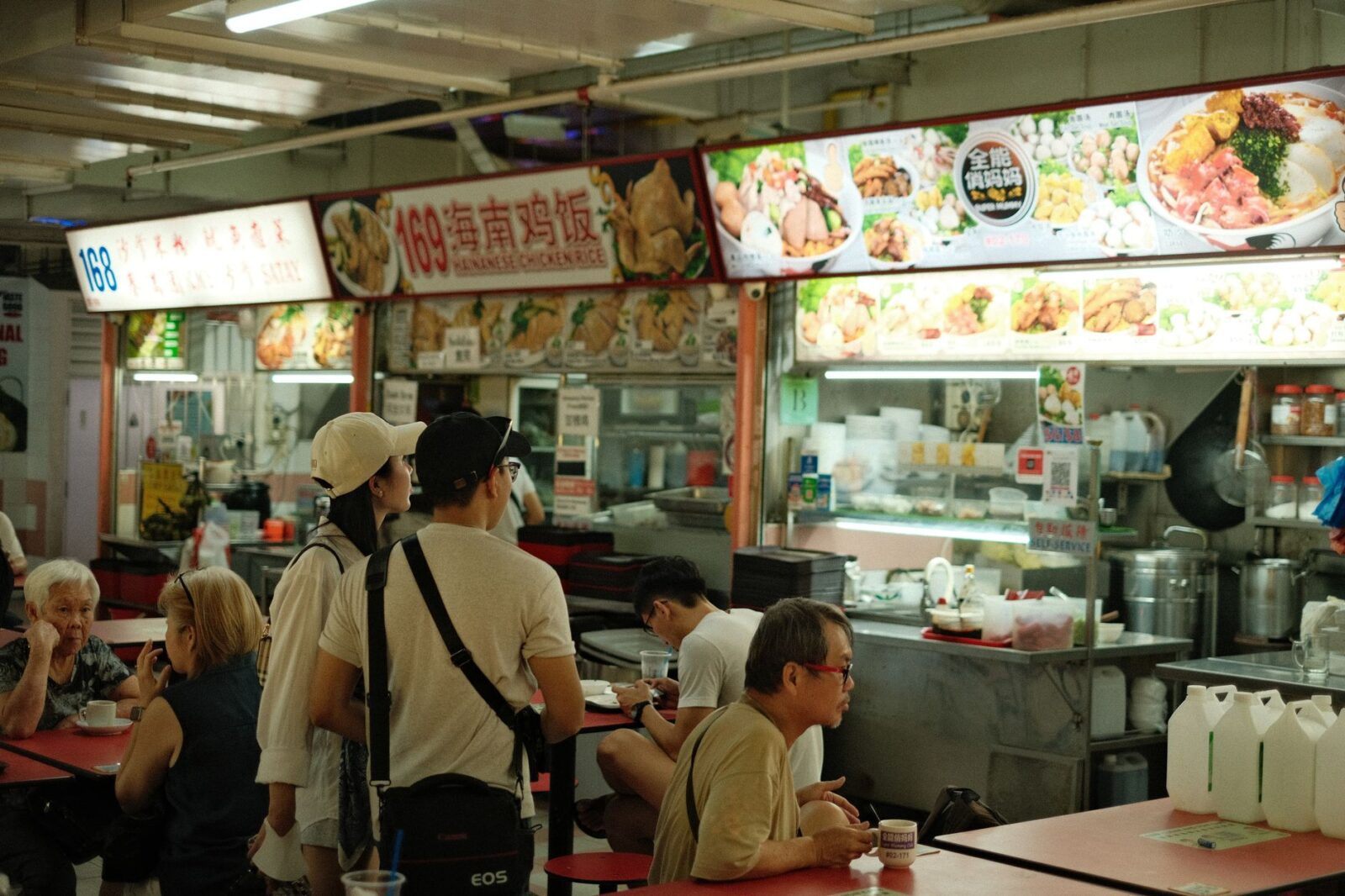
For lunch, head to the Chinatown Complex Food Court, where a plate of char kway teow (stir‑fried flat noodles with egg, shrimp, and bean sprouts) costs around $3.50, while a serving of Hainanese chicken rice with fragrant rice and chili sauce is about $3.00. Don’t miss the chance to try a bowl of bak kut teh, a peppery pork rib soup traditionally enjoyed with rice and youtiao (fried dough sticks).
In the afternoon, explore the bustling street markets along Trengganu Street, where vendors sell everything from traditional Chinese medicine to modern souvenirs. Keep an eye out for the annual Chinatown Mid‑Autumn Festival lantern fair, which often runs concurrently with the city‑wide celebrations.
Little India and Kampong Glam – Aromas and Architecture
After Chinatown, take the MRT to Little India, a district awash in the scent of jasmine garlands, sandalwood incense, and simmering curries. Visit the Sri Veeramakaliamman Temple, dedicated to the goddess Kali, and admire its colorful façade covered in intricate depictions of deities.
For a snack, stop at a stall serving roti prata with fish curry; a single piece typically costs $1.20, while a set with drink and side dish is around $4.50. If you prefer something sweet, try the beloved mango sticky rice, available at many dessert stalls for about $3.
Continue to Kampong Glam, where the Sultan Mosque stands with its striking golden dome and massive prayer hall. Explore Arab Street’s textile shops, where you can find vibrant batik fabrics and hand‑woven scarves. End the day with a drink at a rooftop bar along Beach Road, where the city lights glitter against the historic skyline.
Day Three – Green Spaces, Local Markets, and Nightlife
Jurong Lake Gardens and Lakeside Recreation
Venture west to Jurong Lake Gardens, Singapore’s newest national garden that spans 90 hectares around the scenic Jurong Lake. The gardens are free to enter and feature expansive lawns, thematic plant collections, and a network of boardwalks that wind through freshwater marshlands.
If your trip falls within the Mid‑Autumn Festival period, experience Lights by the Lake 2026, a lantern exhibition that runs nightly from 7 pm to 10 pm. Large‑scale installations depict mythical creatures and traditional motifs, while cultural performances such as Chinese opera and dance take place on weekends.
Rent a bicycle from one of the on‑demand kiosks (approximately $2 per hour) and cycle along the lakeside path, stopping at the Grasslands for a picnic of local snacks purchased from a nearby hawker stall.
Central Singapore Market – A Moving Feast
Check the schedule for the Central Singapore Market, which rotates through various heartland locations each weekend. In late September 2026 you might find it at Bishan Active Park on Saturday morning, offering stalls that sell fresh tropical fruits, homemade kaya jam, and artisanal snacks like banana chips and peanut brittle.
The market atmosphere is lively, with local musicians playing acoustic sets and chefs demonstrating quick dishes such as stir‑fried noodles or steamed buns. Prices are modest: a cup of freshly squeezed sugarcane juice costs about $1, while a plate of nasi lemak (coconut rice with anchovies, peanuts, egg, and sambal) is around $3.50.
Take the opportunity to chat with vendors about the origins of their produce; many source directly from nearby farms in Johor or from local urban gardens, giving you a taste of Singapore’s farm‑to‑table movement.
Evening in Clarke Quay and Rooftop Views
As night falls, head to Clarke Quay, the revitalized riverside quay dotted with restaurants, bars, and nightclubs housed in restored warehouses. Enjoy a riverside dinner of chili crab—a Singaporean icon—where a medium crab typically costs $30 to $40, served with mantou (fried buns) for sopping up the rich, spicy‑sweet sauce.
After dinner, walk along the Singapore River to admire the illuminated bridges and the historic shophouses that line the waterfront. For a final view of the cityscape, ascend to a rooftop bar such as 1‑Altitude at Raffles Place, where the entry fee includes a drink and offers unobstructed vistas from the 63rd floor, perfect for watching the city’s lights twinkle against the night sky.
Essentials – Food Guide, Transport, Visa, Budget, Etiquette, FAQ, Closing
Must‑Try Dishes and Where to Find Them
Singapore’s hawker culture is recognized by UNESCO as an intangible cultural heritage, and no visit is complete without sampling its signature plates. Below are some essentials with typical price ranges at hawker centres:
- Hainanese chicken rice – poached chicken with fragrant rice, chili sauce, and ginger paste – $3.00‑$4.50
- Chili crab – stir‑fried crab in a thick, sweet‑spicy tomato‑chili sauce – $30‑$45 (medium crab)
- Laksa – spicy coconut noodle soup with shrimp, tofu puffs, and bean sprouts – $3.50‑$5.00
- Satay – skewered grilled meat served with peanut sauce, rice cakes, and cucumber – $0.80‑$1.20 per stick
- Roti prata – flaky Indian flatbread, often eaten with fish or mutton curry – $1.20‑$2.50 per piece
- Kaya toast – toasted bread spread with coconut‑egg jam, served with soft‑boiled eggs and coffee – $2.00‑$3.00
- Ice kachang – shaved ice dessert topped with sweet syrups, red beans, and attap chee – $2.50‑$3.50
For a sit‑down experience, mid‑range restaurants along Orchard Road or Clarke Quay offer dishes such as pepper crab, black pepper beef, and Peranakan specialties like ayam buah keluak, with mains ranging from $18 to $30.
Fine‑dining establishments, many helmed by celebrity chefs, present tasting menus that can exceed $100 per person, often featuring premium ingredients like Alaskan king crab, Wagyu beef, or seasonal truffles.
Getting Around – MRT, Buses, and EZ‑Link
The Mass Rapid Transit (MRT) system is the backbone of Singapore’s public transport, consisting of six lines that connect major residential, commercial, and tourist hubs. A single ride typically costs between $1.00 and $2.50 depending on distance, with a daily cap of around $10.00 for unlimited travel.
Purchase an EZ‑Link card at any MRT station or convenience store for a refundable deposit of $5; the card can be topped up in increments of $10 and used on MRT, public buses, and even some taxis. Buses complement the MRT, reaching neighborhoods not directly served by rail, and accept the same EZ‑Link payment.
For short trips, consider renting a bicycle through operators such as SG Bike or Anywheel; rates start at about $2 per hour, with docking stations scattered across parks and housing estates. Ride‑hailing apps like Grab and Gojek are widely available, with fares comparable to traditional taxis but often cheaper during off‑peak hours.
Visa Requirements and Entry Formalities
Singapore offers visa‑free entry for citizens of many countries, typically for stays of 30 or 90 days depending on nationality. Travelers from the United States, Canada, the United Kingdom, most European Union member states, Japan, South Korea, and Australia receive a 90‑day tourist visa on arrival.
Visitors from India, China, and several African nations usually receive a 30‑day visa‑free stay, while nationals of some Middle Eastern and South Asian countries may need to apply for an electronic visa (e‑visa) via the Immigration & Checkpoints Authority (ICA) website prior to travel. Always verify the latest entry requirements on the official ICA portal, as policies can change in response to public health or security considerations.
Upon arrival, present your passport, a completed arrival card (often distributed on the flight), and proof of onward travel or sufficient funds if requested. The immigration process is generally swift, with automated clearance lanes available for eligible travelers holding biometric passports.
Budget Breakdown – What to Expect in USD
Below is a sample daily budget for a mid‑range traveler, assuming accommodation in a three‑star hotel, meals at hawker centres and occasional sit‑down restaurants, and use of public transport:
- Accommodation: $100 per night
- Food: $30 (breakfast $5, lunch $10, dinner $15)
- Transport: $8 (MRT/bus fares)
- Attractions: $20 (entry to Gardens by the Bay conservatories, SkyPark ticket, occasional museum)
- Miscellaneous: $5 (water, snacks, small souvenirs)
- Total per day: ~$163
Budget travelers can reduce costs to roughly $70‑$90 per night by staying in hostels, eating exclusively at hawker stalls ($15‑$20 for food), and limiting paid attractions to free sites such as the outdoor Gardens by the Bay, temples, and public parks. Luxury travelers should anticipate $300‑$500 per day when factoring in five‑star hotels, fine‑dining meals, private tours, and premium experiences like a private yacht charter or spa treatment.
Cultural Nuances and Tips to Avoid Mistakes
Respect for local customs goes a long way in ensuring a warm welcome. When visiting temples or mosques, dress modestly—cover shoulders and knees—and remove shoes before entering prayer areas. It is customary to speak softly inside places of worship and to avoid pointing your feet at religious icons or elders.
In hawker centres, it is common to share tables with strangers; if a seat is occupied, politely ask if you may join. Return trays and dishes to the designated clearing stations after your meal, as this helps maintain the cleanliness that Singapore is famous for.
Public chewing of gum is prohibited unless it is therapeutic and prescribed by a doctor; disposing of gum improperly can attract a fine. Smoking is banned in most indoor public spaces, many outdoor areas such as bus stops, and within a five‑meter radius of building entrances; designated smoking zones are clearly marked.
Finally, remember that Singaporeans value punctuality. Arriving a few minutes early for meetings, tours, or reservations is appreciated, while tardiness can be seen as disrespectful. A simple smile and a willingness to try local phrases like “Terima kasih” (thank you in Malay) or “Xie xie” (thank you in Mandarin) will often be met with friendly reciprocity.
Frequently Asked Questions
What is the best way to stay connected? Purchase a local SIM card at the airport or any convenience store; providers such as Singtel, StarHub, and M1 offer tourist plans with 100 GB of data for around $20‑$30 valid for 30 days. Free Wi‑Fi is widely available in malls, museums, and MRT stations.
Are credit cards accepted everywhere? Most establishments, including hawker stalls, accept major credit cards (Visa, MasterCard, American Express) and contactless payments such as Apple Pay and Google Pay. However, some smaller vendors may prefer cash, so keep a modest amount of Singapore dollars on hand.
Is tap water safe to drink? Yes, Singapore’s tap water meets WHO standards and is safe to drink directly from the faucet. Many locals prefer it chilled or filtered, but you can refill your bottle at any water dispenser without concern.
How should I tip? Tipping is not expected; a service charge of 10% is often added to restaurant bills, and leaving extra change is optional. If you receive exceptional service, rounding up the bill or offering a few dollars is appreciated but not required.
Can I use my driver’s license to rent a car? Visitors with a valid foreign driver’s license can drive in Singapore for up to 12 months, provided the license is in English or accompanied by an International Driving Permit (IDP). However, given the excellent public transport and high cost of car ownership, most tourists find renting a car unnecessary.
Conclusion
Singapore in three days offers a compact yet rich tapestry of sights, flavors, and experiences that showcase why this city‑state continues to captivate travelers from every corner of the globe. From the gleaming heights of Marina Bay Sands to the fragrant lanes of Little India, from the tranquil waters of Jurong Lake to the bustling energy of a roving heartland market, each moment reveals a facet of a society that honors its past while racing toward the future.
We hope this guide equips you with the practical details and inspirational cues needed to craft your own unforgettable itinerary. If you found this information useful, please share it with fellow explorers, leave a comment with your own tips or questions, and keep checking back for updates as Singapore’s calendar of events evolves throughout 2026 and beyond.
Stay informed with the latest travel news, visa updates, and destination guides. Follow HimalayanCrest.com for weekly travel intelligence delivered by our editorial team.